Branding Statistics: Surprising Numbers and Why Branding Matters
03/10/2025
Branding / Marketing Strategy

Branding isn’t just about aesthetics—it’s backed by powerful data that proves its role in driving customer engagement, loyalty, and long-term business growth.

Branding isn’t just about aesthetics—it’s backed by powerful data that proves its role in driving customer engagement, loyalty, and long-term business growth. Understanding consumer behavior is crucial, as it directly influences branding and marketing outcomes. Brand development is a strategic investment that drives business growth, customer loyalty, and measurable ROI, as shown by industry examples and statistical data.
.png)
Branding Statistics Introduction



Welp, the stats are in. If you haven’t invested in your brand, your brand will probably die. Branding matters, and we’re showing you why. Harsh? Maybe. But here’s the tea: it doesn’t matter how cool or revolutionary your product is; if your branding doesn’t stand out, you’re just another face in the crowd. Branding is the heartbeat of your business; it’s the only thing you can do to stand out. Good branding builds authenticity, emotional connection, and loyalty with your customers. In fact, 81% of consumers need to trust a brand before making a purchase, 76% are more loyal to brands they feel connected to, 94% recommend brands they feel emotionally connected with, and 59% prefer to buy from brands they trust. Brand loyalty is cultivated through consistent experiences, transparency, and engagement, driving revenue and increasing customer lifetime value. Let’s face it, it won’t take long for imitators to replicate your innovative product, undercut your price, or outdo your convenience. Here are some general branding statistics, and why it is the only thing that matters. How important branding is cannot be overstated—it builds customer loyalty, emotional connection, and market differentiation, helping your business establish a memorable presence and drive long-term growth.
Consumer expectations are higher than ever in 2025, driving brands to prioritize trust, consistency, and emotional connection in their branding strategies. Brand personality plays a key role in building trust and emotional connections, influencing loyalty and purchasing behavior by aligning with consumer values and creating authenticity. Over the past few years, there has been a noticeable shift in consumer preferences toward supporting brands that align with their values, especially around causes like sustainability and equality.
Memorable and unique brand names have a significant impact on consumer trust, recognition, and loyalty, often influencing purchasing decisions and overall brand perception. Visual identity and visual appeal are crucial for creating trust and engagement—55% of first impressions come from a brand's visuals, and strong, consistent visuals signal professionalism and create recognition. It typically takes 5 to 7 impressions for a consumer to develop brand awareness or remember a brand. Social media platforms are essential for brand building and visibility, with 66% of people discovering new brands on platforms like Instagram and TikTok, highlighting the importance of social media in brand awareness and loyalty.
Use Brand Guidelines for Brand Consistency: The Revenue Multiplier
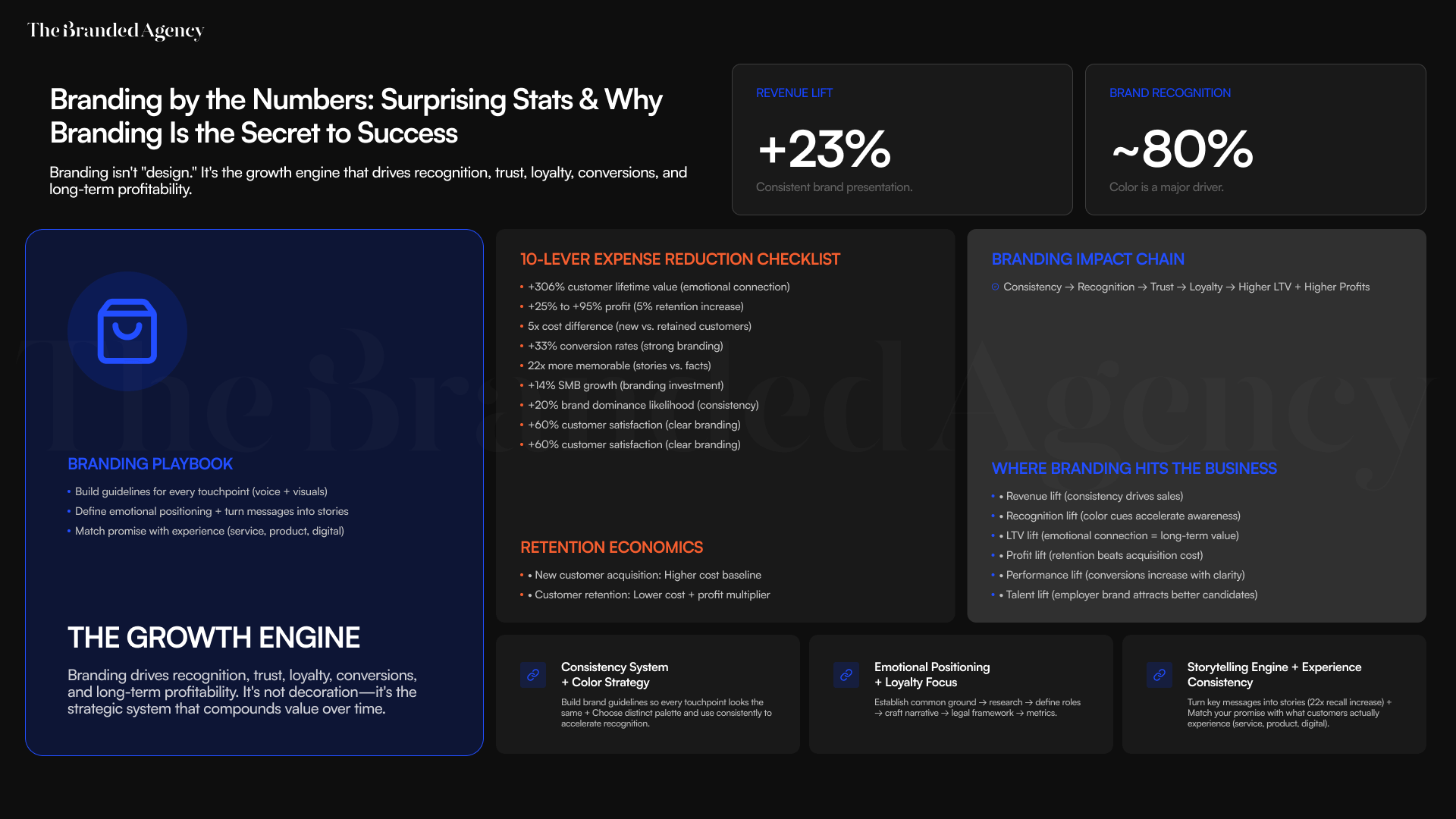
Presenting a brand consistently can yield a 23% uptick in revenue, states Lucidpress. Posts with consistent branding receive 23% more engagement on platforms like Instagram and LinkedIn, emphasizing the need for cohesive brand presentation on social media platforms. Brands with a consistent presentation are 3.5 times more visible than inconsistent brands. Consistent brand presentation across all touchpoints is crucial for building trust, recognition, and loyalty. Consistent and authentic branding leads to more money through increased trust and loyalty among consumers. Consistent messaging and brand consistency are key drivers of customer trust and recognition, helping to reduce confusion and reinforce brand identity. 68% of companies say brand consistency adds 10–20% to revenue growth, highlighting its direct impact on revenue growth and market visibility. Additionally, 90% of consumers expect a seamless brand experience across all marketing channels. The marketing team's alignment and coordination with brand assets and messaging directly impacts brand perception, customer trust, and revenue growth. However, off brand content remains prevalent, as many brands unintentionally or intentionally publish content that doesn't align with their brand guidelines—making centralized assets and approval processes essential to prevent this. Despite these facts, less than 10% of B2B companies say they have a consistent brand, indicating a significant opportunity for improvement. This is why having a comprehensive set of brand guidelines is so important.
The Importance of a Brand's Color: Helps with Creating Strong Brand Recognition!
Around 80% of brand recognition is attributed to color, and studies show that color increases brand recognition by up to 80%. A brand’s color plays a crucial role in creating instant recognition and recall—consumers often remember a brand’s color more than its name. When your eyes meet McDonald’s golden arches, the brain lights up in recognition like a Christmas tree! In fact, 55% of first impressions come from a brand’s visuals, signaling professionalism and creating recognition, and it takes just 10 seconds for people to form an opinion about your logo. Visual identity and visual appeal are crucial for building trust, recognizability, and engagement, as strong visual elements like logos and website design directly influence consumer perceptions and behaviors. Sensory branding, including the use of color, can also enhance the perceived value of a brand by creating memorable multi-sensory experiences that strengthen consumer associations.
Consumers Prefer Shopping Driven by Emotional Connection
Brands that have forged an emotional connection enjoy 306% higher lifetime value from customers, as per Motista, and significantly increase their brand value in the marketplace. Emotional branding is a key driver of brand equity, building consumer trust, loyalty, and perceived quality that supports long-term brand success. Brand loyalty is cultivated through consistent experiences, transparency, and ongoing engagement, ensuring long-term customer retention and driving revenue. In fact, 76% of consumers are more loyal to brands they feel connected to, and 94% recommend brands they feel emotionally connected with. Additionally, 69% of marketers say emotional brand building is very important, while 67% of customers will pay more if the brand values align with their own. A distinctive brand personality helps build emotional connections and trust, aligning with consumer values and influencing purchasing behavior. Memorable and unique brand names also play a crucial role in fostering emotional branding and loyalty by enhancing recognition and trust. Notably, excellent customer service is cited by 73% of consumers as a reason for brand loyalty. Emotional branding increases customer loyalty by 37%, making it a powerful tool for fostering long-term customer relationships and advocacy. It’s the invisible thread that ties the brand and consumer in an eternal dance! This is why having your brand positioning dialed in is SO important.
Global Brands: Customer Loyalty is Key to Achieving your Branding Objectives



A mere 5% elevation in customer retention—especially among loyal customers—can catapult profits by 25% to 95%, says Bain & Company. In fact, loyal customers spend 67% more on average than new customers. Loyalty isn’t just golden; it’s the philosopher’s stone transforming businesses into empires! Consumers often choose brands based on emotional connections, trust, and how well a brand aligns with their personal values or lifestyle. Notably, 89% of shoppers stay loyal to brands that share their personal values. Strong branding and loyalty programs help foster these emotional connections, turning first-time buyers into repeat customers and driving long-term growth.
Familiar brands play a crucial role in building trust and influencing purchasing decisions, as consumers tend to prefer buying from brands they recognize. However, 50% of customers will switch brands after just one bad experience, highlighting how quickly trust can be lost and the importance of maintaining a positive brand experience. Additionally, 77% of people choose, recommend, or pay more for brands that customize their experiences, and 73% of consumers prefer a personalized shopping journey—emphasizing the need for brands to tailor their offerings to individual preferences.
Brand Strategy: Branding Increases your Marketing ROI 5X
It costs five times more to acquire a new customer than to retain an existing one, as per Outbound Engine, emphasizing how effective branding efforts can foster customer loyalty and reduce acquisition costs. Brand development is a strategic investment that supports long-term business growth and delivers measurable ROI, as demonstrated by industry data. By aligning branding objectives with overall marketing strategies, and ensuring the marketing team maintains consistency and alignment across all channels, companies can improve marketing ROI and strengthen brand perception. Brand research is also crucial, as it gathers consumer insights and analyzes platform demographics to inform brand strategy and optimize messaging. Investing in brand building is a long-term strategy that not only strengthens customer relationships but also lowers acquisition costs over time. Notably, 86% of companies are expected to use or plan to integrate AI into their digital advertising and branding strategies by 2026, and watching a branded video can increase brand association by 139%.
Brand Design: Big Impact on Conversion Rates
Businesses that leverage branding and performance marketing see different outcomes: while performance marketing focuses on immediate conversions and short-term results, strong and consistent branding drives a 33% increase in conversion rates and supports long-term growth. Visual appeal and a cohesive visual identity—through elements like logos, colors, and website design—directly influence user trust, engagement, and conversion rates by making brands more recognizable and trustworthy to consumers.
Want to learn more about brand platforms, Brand Strategy and Brand Identity? Keep reading!
If you need help with your companies brand strategy and identity, contact us for a free custom quote.
Content Marketing: Storytelling Increases Brand Recall

According to One Spot, messages delivered as stories can be up to 22 times more memorable than just facts. Effective storytelling, supported by consistent brand content and strategic content marketing, can significantly impact brand perception and recall. Incorporating branded hashtags on social media encourages user-generated content and brand promotion, as social media users actively share and tag branded content, boosting visibility and engagement. In fact, consumers find user-generated content 50% more trustworthy than other forms of media, and 87% of users trust a brand more if it has positive social media testimonials. Brands that reply to social media comments see a 48% higher engagement rate, and 83% of consumers mention brands on social media after a positive experience, amplifying brand loyalty through customer satisfaction. Leveraging personalized marketing allows brands to tailor stories and content to individual preferences, further enhancing engagement and long-term loyalty. Time to hone in on those key messages!
Branding is the Growth Catalyst for SMBs
Small businesses and medium-sized enterprises experiencing 14% more growth are those investing robustly in branding, according to Raconteur. For small businesses, leveraging social media marketing and maintaining consistency across all marketing channels are key drivers of growth, helping to build trust, increase brand awareness, and create a cohesive customer experience. Consumers are increasingly discovering new brands through social media platforms and influencer marketing, with platforms like Instagram and TikTok playing a major role in brand discovery and loyalty. In fact, 104.7 million consumers in the U.S. are projected to shop directly through social media platforms by 2025, and 77% of consumers prefer shopping with brands they follow on social media. It’s the small branding seeds that grow into towering trees of success!
Branding Boosts Your Market Position
Brands that are consistently presented are 20% more likely to achieve highest brand dominance, reinforcing the importance of a strong brand strategy in maintaining uniformity across platforms to fortify market position. Business Insider reports that companies invest significant financial resources in logo design—Pepsi, for example, spent over a million dollars on its logo—demonstrating the value placed on visual identity as a driver of recognition and trust. Memorable and unique brand names play a crucial role in establishing market leadership by influencing consumer trust, loyalty, and purchasing decisions. A strong visual identity, including logos, colors, and layout, supports brand recognition and market dominance by conveying brand personality and enhancing consumer perceptions. Leading global brands like Apple, Google, and Tesla exemplify how a valuable brand, supported by a cohesive brand strategy, can secure market leadership and set industry standards. Additionally, strong brand equity increases shareholder value by creating more predictable cash flows and reducing stock price volatility. Notably, 44% of a company's market value is directly linked to the reputation of its CEO, and 50% of consumers are more likely to buy from brands they recognize.
Enhances Customer Experience

A well-branded company enjoys 60% more customer satisfaction and experiences due to the clear and consistent message conveyed to the consumers, resulting in reduced confusion and increased trust. A strong brand personality creates authentic and memorable experiences that resonate emotionally with customers, helping to build trust and foster deeper connections. Excellent customer service and helpful customer service are crucial in shaping brand perception, as they contribute to positive perception and strong first impressions. The influence of a brand's CEO and employees also plays a significant role in shaping brand perception and consumer trust, as leadership and staff behavior reflect the brand's values. In fact, 50% of customers will switch brands after one bad experience, highlighting how essential it is to maintain a positive brand experience from the very first interaction. Brand loyalty is key in driving repeat business and advocacy, with 75% of American consumers being more loyal to brands that offer a personal touch. Additionally, 81% of consumers want brands to know them and market to them at the right time, emphasizing the importance of personalized experiences in fostering loyalty.
Attracts Quality Talent
Strong employer branding can attract 50% more qualified applicants, according to LinkedIn, signifying its critical role in acquiring top-tier employees. Job seekers increasingly rely on company reviews on platforms like Glassdoor and Indeed to evaluate potential employers, and poor employer reputations can deter talent and even lead to lost sales or damage to brand image. A strong brand reputation is essential for attracting and retaining top talent, as well as fostering customer loyalty. Employees influence brand perception and advocacy through their interactions, employee-generated content, and authentic engagement, making them key to building trust and credibility. Additionally, a brand's CEO plays a pivotal role in shaping employer branding and trust, as leadership transparency and ethical positioning directly impact how both consumers and potential employees view the company.

Sloane Avery
As entrepreneurs, they’ve built and scaled their own ventures from zero to millions. They’ve been in the trenches, navigating the chaos of high-growth phases, making the hard calls, and learning firsthand what actually moves the needle. That’s what makes us different—we don’t just “consult,” we know what it takes because we’ve done it ourselves.
Want to learn more about brand platform?

If you need help with your companies brand strategy and identity, contact us for a free custom quote.
We do great work. And get great results.
+2.3xIncrease in revenue YoY
+126%Increase in repurchase rate YoY


+93%Revenue growth in first 90 days
+144% Increase in attributed revenue


+91%Increase in conversion rate
+46%Increase in AOV


+200%Increase in conversion rate
+688%Increase in attributed revenue