How to Create a Jewelry Brand: From Passion to Profit - A Step-by-Step Guide
03/12/2025
Branding / Brand Strategy
Transform your passion for jewelry into a profitable brand with expert tips on branding, design, marketing, and sales.

The industry is always evolving, pushing boundaries and embracing new trends and technologies to stay ahead of the game. This includes the growing popularity of fashion jewelry, known for its affordability and accessibility, and fine jewelry, which represents the high-end segment of the market with its use of precious metals and gemstones.
.png)


Building the Future Jewelry Industry Brands: Emerging Trends and Innovations
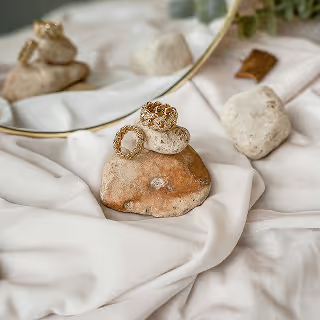
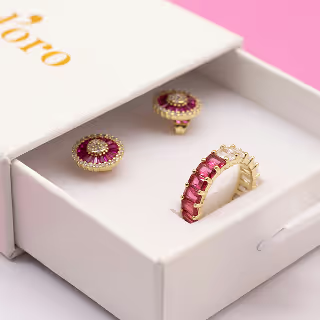
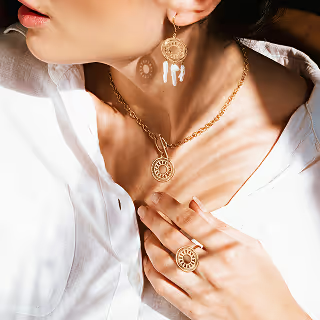
Launching your jewelry business online is an important step in establishing a successful business. Many jewelry brands begin as a jewelry making hobby before evolving into a full-fledged business. Choosing the right business model—such as online, custom, or wholesale—is a foundational step that will shape your operations and growth. To start selling jewelry online, you need to follow necessary steps such as setting up an ecommerce store, choosing the right platform, and understanding consumer preferences for online shopping over traditional in-store experiences.
You need to create a great branding presence and connect with customers through different channels such as a website, social media, e-commerce, and email marketing. Following specific steps to initiate a successful jewelry business online is crucial, and tools like Shopify can provide guidance. Additionally, leveraging data and analytics, with services like ShipBob, can offer essential insights for running a thriving online jewelry venture. It's also important to focus on search engine optimization and use SEO techniques to attract organic traffic from search engines like Google.
Before launching your marketing efforts, make sure to conduct market research to understand industry trends and customer needs. When you are ready to share your jewelry business with the world, and more specifically, your target audience, be sure you have the following promotional tactics and platforms at the ready.
Introduction to the Jewelry Industry
The jewelry industry is a vibrant and ever-evolving space, offering countless opportunities for entrepreneurs looking to start a jewelry business. Whether your passion lies in crafting handmade jewelry, designing fine jewelry pieces, or curating custom collections, there’s a niche for every jewelry business owner. Thanks to the growth of online shopping and digital marketing, launching your own jewelry business has never been more accessible. Today’s jewelry industry is shaped by shifting consumer preferences, innovative materials, and the power of social media to reach jewelry enthusiasts worldwide. To build a successful jewelry business, it’s essential to stay informed about current jewelry market trends, ethical sourcing, and effective marketing strategies. By understanding the landscape and embracing new opportunities, you can carve out your place in the jewelry industry and start a jewelry business that stands out.
Conducting Market Research
Conducting thorough market research is the foundation of any successful jewelry business. Start by identifying your target market—are you designing for fashion-forward trendsetters, lovers of fine jewelry, or those seeking one-of-a-kind handmade pieces? Analyze what types of jewelry are currently in demand, which materials and styles are trending, and how your competitors are positioning themselves in the jewelry market. Utilize online research tools, monitor social media conversations, and gather customer feedback to gain valuable insights into your target audience’s preferences. This research will help you develop a unique selling proposition and a strong brand identity that resonates with your customers. By understanding your market and refining your marketing strategy, you’ll be better equipped to attract customers and build a jewelry business that stands out from the competition.
Creating a Business Plan
A well-crafted business plan is essential for guiding your jewelry business toward long-term success. Your business plan should clearly outline your goals, define your target market, and detail your marketing strategy for reaching potential customers. Include a comprehensive analysis of your products and services, as well as your approach to production, sales, and customer service. Financial planning is also crucial—set a realistic budget, project your expenses and revenue, and determine how you’ll fund your new jewelry business. By mapping out each aspect of your business, you’ll have a clear roadmap to follow and a valuable tool for measuring your progress. A solid business plan not only helps you stay focused but also increases your chances of building a successful jewelry business in a competitive market.
Building a Brand Identity
Establishing a strong brand identity is key to building a successful jewelry business that customers remember and trust. Your brand identity should communicate your values, mission, and what makes your jewelry line unique. This includes everything from your logo and packaging to your website, social media presence, and customer service. Consistency across all touchpoints helps reinforce your unique selling proposition and builds credibility with your audience. A compelling brand identity sets you apart from other jewelry designers and creates an emotional connection with your customers, encouraging loyalty and repeat business. By investing in your brand identity, you lay the foundation for a jewelry business that attracts attention and stands the test of time.
Sourcing and Manufacturing
Sourcing and manufacturing are critical steps in building a successful jewelry business. As a jewelry business owner, you’ll need to find reliable suppliers for your raw materials—whether you’re working with precious metals, gemstones, or alternative materials. Establishing strong relationships with manufacturers and distributors ensures that your jewelry pieces are produced to the highest standards and delivered on time. Consider factors such as cost, quality, and lead times when selecting your partners, and always prioritize ethical sourcing and sustainable practices to appeal to today’s conscious consumers. Efficient inventory management and streamlined production processes will help you minimize waste and control business expenses. By focusing on responsible sourcing and manufacturing, you not only create beautiful jewelry but also contribute to a more ethical and sustainable jewelry industry.
Free Brand Health Audit
Make sure your brand is built to sell
Search has changed. Your customers aren't just Googling anymore. They're asking ChatGPT, Perplexity, Gemini and other AI platforms what to buy, who to trust and which brands they should consider.
If your brand isn't showing up clearly in those answers, you're already losing opportunities. Our free Brand Health Audit shows you where your brand stands across traditional search, AI search and brand positioning.

Sample brand audit
Live preview
Traditional search
72
AI search (GEO)
34
Brand positioning
58
The Market Research Process to Build Your Jewelry Business
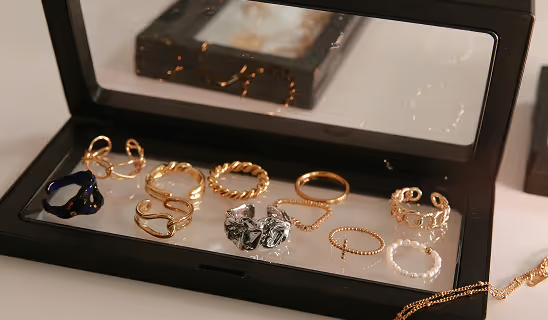

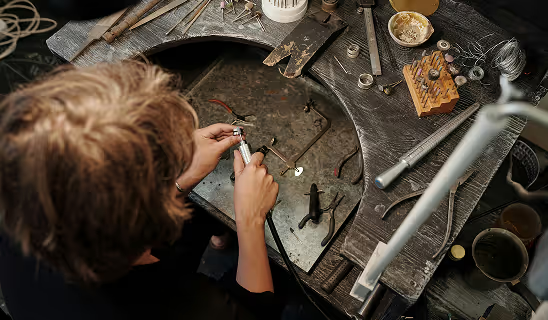

Identify Your Target Market
Understanding your target market is one of the most critical steps in building a successful jewelry brand. A target market is not just a broad group of “people who like jewelry,” but a clearly defined segment based on factors such as age, income level, lifestyle, fashion preferences, purchasing behavior, and even values (e.g., sustainability, luxury, minimalism).
When you deeply understand your ideal customer, you can design pieces that resonate with their tastes—whether that’s fine luxury jewelry, everyday minimalist pieces, or bold statement designs. This insight also informs your brand voice, visual identity, and storytelling. For example, a brand targeting Gen Z may lean into trend-driven, affordable pieces and social media marketing, while a high-end brand may focus on craftsmanship, exclusivity, and heritage.
Your pricing strategy, promotional offers, and choice of sales channels (e.g., Instagram, Etsy, retail boutiques, or your own website) should all align with your target market’s expectations and buying habits. The more specific and data-driven your understanding is, the more effectively you can connect with your audience and convert interest into sales.
Competitor Research and Brand Positioning
Conducting thorough competitor research is essential in the jewelry industry, which is often saturated and highly visual. This process involves analyzing other brands in your niche to understand their product offerings, pricing, branding, customer experience, and marketing strategies.
Rather than copying competitors, the goal is to identify gaps and opportunities. What are they doing well? Where are they falling short? For instance, you may notice that many brands focus on aesthetics but lack strong storytelling or ethical sourcing transparency—this could become your differentiator.
Brand positioning is the outcome of this research. It defines how your brand is perceived in relation to competitors. By combining insights from your competitive analysis with a clear understanding of your own strengths—such as craftsmanship, unique materials, or a compelling brand story—you can position your brand in a way that is both distinctive and authentic.
This positioning acts as a benchmark, guiding your branding decisions and ensuring consistency while helping your business stand out in a crowded market.
Determine Your Brand Values and Mission
Your brand values and mission form the foundation of your business identity. Brand values are the guiding principles that influence your decisions, from sourcing materials to customer service. Examples might include sustainability, craftsmanship, inclusivity, innovation, or affordability.
A mission statement, on the other hand, clearly articulates your brand’s purpose—why your business exists beyond making a profit. For example, your mission might be to create ethically sourced jewelry that empowers self-expression or to make high-quality jewelry accessible to a wider audience.
Consistency is key. Your values should be reflected in every touchpoint of your business, including your product design, packaging, messaging, and customer interactions. When done effectively, this builds trust and emotional connection, helping customers understand not just what you sell, but what you stand for.
Develop a Unique Selling Proposition (USP)
A Unique Selling Proposition (USP) is what differentiates your jewelry brand from others in the market. It clearly communicates why a customer should choose your brand over competitors.
Your USP could be based on several factors, such as:
- Exceptional craftsmanship or materials (e.g., handmade, ethically sourced gemstones)
- Distinctive design style (e.g., modern minimalism, vintage-inspired, cultural heritage)
- Personalization options (e.g., custom engravings or bespoke pieces)
- Customer experience (e.g., lifetime warranties, fast shipping, or strong community engagement)
A strong USP is clear, specific, and relevant to your target audience. It should be consistently communicated across your branding, from your website and product descriptions to your social media and advertising. Over time, this clarity helps build brand recognition and loyalty.
Choose Your Brand Name
Your brand name is one of the most important elements of your identity—it’s often the first impression customers have of your business. A strong name should be memorable, easy to pronounce, and aligned with your brand’s personality and positioning.
When choosing a name, consider:
- Relevance: Does it reflect your style, values, or story?
- Uniqueness: Does it stand out in the market and avoid confusion with competitors?
- Scalability: Will it still make sense as your business grows or expands?
- Availability: Is the domain name and social media handle available?
A well-chosen name not only captures the essence of your brand but also supports long-term recognition and credibility in the marketplace.
Want to learn more about brand platforms, Brand Strategy and Brand Identity? Keep reading!
If you need help with your companies brand strategy and identity, contact us for a free custom quote.
Launching Your Jewelry Business Online

Launching your jewelry business online is a major step in building a modern, scalable brand. Today’s customers often discover, evaluate, and purchase jewelry digitally, so your online presence needs to do more than simply exist—it should create trust, communicate your brand clearly, and make the shopping experience seamless.
To sell jewelry successfully online, you need to establish a strong digital foundation. That typically includes building a professional website, choosing the right ecommerce or website platform, creating a consistent brand identity, and connecting with customers through multiple channels such as social media, email marketing, and digital advertising. Your website should not only showcase your products beautifully, but also reflect the quality, personality, and positioning of your brand.
Choosing the right platform is especially important, because the best option depends on your business model, budget, and long-term goals. If you plan to sell direct-to-consumer online, Shopify is often the strongest choice because it is built specifically for ecommerce and offers powerful tools for product management, payments, shipping, and online growth. If your business is focused primarily on wholesale, in-store sales, or a combination of retail and wholesale without needing full online selling functionality, premium website platforms such as Webflow can be an excellent fit for creating a highly customized and elevated brand experience. For businesses with a smaller budget or for founders who want to build the site themselves, platforms such as Wix, Squarespace, and Framer can also be strong options, offering user-friendly tools and flexible design capabilities.
Beyond the platform itself, a successful online launch also depends on strong branding and user experience. Your website should be easy to navigate, visually aligned with your brand, mobile-friendly, and designed to guide visitors toward inquiry or purchase. High-quality product photography, compelling copy, clear calls to action, and a smooth checkout or contact process all play a role in turning visitors into customers.
It is also important to support your launch with the right promotional tactics. When you are ready to introduce your jewelry business to the world—and more importantly, to your target audience—you should have key marketing channels prepared in advance. This may include your website, email marketing system, social media content, launch campaigns, paid ads, and any supporting visual assets that strengthen your online presence.
Branded Agency can support businesses at every stage of this process. As a Webflow Certified Partner, Shopify Certified Partner, and certified in Wix and Squarespace, the agency can help you choose and build the right website solution for your brand. The team is also highly skilled in Figma for website UX and UI design, allowing for the creation of thoughtful, high-converting digital experiences. In addition, Branded Agency can develop custom brand assets to enhance your website and marketing, including AI-generated content, video creation and editing, GIFs, and other visual materials that elevate the overall customer experience.
When your platform, branding, and promotional strategy work together, your website becomes more than just an online storefront—it becomes a powerful tool for building credibility, attracting customers, and growing your jewelry business.
Step 1: Create a Website for Your Jewelry Brand
The first step is setting up a website that will serve as your online jewelry store, providing all the necessary information about your products and company.
This should include images of your product line, pricing information, contact details and other relevant information. You should also have a page dedicated to your brand’s story so customers can get to know you better.
Make sure your website is optimized to sell jewelry online and reach customers who prefer to shop digitally.
A well-designed website enables you to sell online to a global audience.
Step 2: Choose Social Media Platforms and Create Profiles for Your Jewelry Business
Social media is an essential part of any business today and is key for engaging with followers and your target audience. It also plays a crucial role in your overall marketing efforts, helping you reach and attract potential customers through targeted social media campaigns. Set up accounts on Facebook, Instagram and Twitter and make sure to keep them updated with news about your products and any other relevant information.
Post images of your pieces on your Instagram feed along with their stories so that customers can understand more about the product.
Step 3: Choose an Email Marketing Platform and an Email Strategy for Your Jewelry Business
Finally, use email marketing to stay in touch with current and potential customers.
You can create custom campaigns that are tailored to different audience segments and communicate with them directly.
Promoting Your Jewelry Business with Traditional Media
While your target audience may use digital marketing mediums to research and purchase your jewelry, you will still have many opportunities to meet your customers where they are, including as they read their magazines, as they're shopping brick-and-mortar stores, and as they attend brand-specific events.
Create Marketing Collateral
Creating marketing materials for your jewelry business is an important step in building relationships with potential and existing customers.
Your business cards, brochures, advertisements and even social media posts should all be designed to reflect your brand’s vision and values.
Business cards are a great way to introduce yourself and let people know what kind of jewelry you have to offer.
Make sure you include your logo and all relevant contact information, as well as a brief description of your product range.
You can also use attractive graphics and colours to make your card stand out and create an eye-catching design.
Brochures are another great way to promote your jewelry business.
They should include detailed information about the different pieces in your collection and their prices. Be sure to highlight your commitment to excellent customer service in your marketing materials, as this reassures customers and sets your brand apart.
You can also use them as a way to explain the story of your brand and why customers should choose your jewelry over others.
Ads are another great way to get noticed.
Invest in ads that will help you reach out to your target audience. You can use images of your jewelry to draw attention and create expectations for your customer as to what they’ll see in the brand.
Plan a Product Launch Event or Strategy
Launching a new product or line of jewelry is an exciting time for any brand.
A successful product launch strategy should incorporate business focus, sales goals and the future of your relationship with customers.
First, you need to have a clear idea of what you want to achieve with the launch.
Set yourself clear business objectives such as increasing sales, expanding your reach to new markets or raising brand awareness.
This will help you focus your efforts on the tasks that will give you the best results.
Next, create a sales strategy for your launch event.
Decide which products you want to showcase and how many pieces you’ll need to sell in order to make it successful.
You should also consider pricing, discounts and other incentives to encourage customers to purchase. When setting prices, make sure to calculate an appropriate retail price that covers your costs, ensures profitability, and remains competitive in the market.
Finally, think about how you can promote the launch in the wider world.
This could be through social media campaigns or reaching out to influencers.
It’s important to build relationships with your target audience and create a buzz around your new products before they hit the shelves.
By taking the time to plan a successful product launch strategy, you can ensure that your jewelry brand becomes a success in the future.
With the right tools and strategies in place, you can make sure that your customers are aware of what you have to offer and connect with them on a deeper level.
Selling Your Jewelry Products
With branding in place, you are ready to send your jewelry out into the world and onto the hands, ears, and necks of your customers. There is a growing opportunity to start your own jewelry business, as consumers increasingly prefer unique smaller jewellers over larger brands. Running a small jewelry business also allows for more personalized customer experiences.
Depending on the size of your business and budget, there are a few different ways to go about this, all while building a reputable jewelry company that delivers quality jewelry to customers worldwide.
Making Your Products Available for Purchase Online, In Stores, Wholesale, etc.
If you want to reach an international audience, setting up an online store is often the best option.
Websites such as Shopify and BigCommerce all make it easy to create an e-commerce store with user-friendly interfaces.
You can also embed a plugin, such as WooCommerce, into your own website. From here, you can upload pictures of your products, set prices and accept payments. You can showcase a variety of jewelry types, including fashion jewelry, costume jewelry, custom jewelry, and engagement rings, to appeal to different customer preferences.
Creating sales relationships with brick-and-mortar retail stores is another great way to get your jewelry out into the world.
You could approach existing retailers or look for shop spaces that you can rent on your own. It’s important to do your research and understand the expectations of retailers before submitting any proposals.
Selling wholesale is also a great option for jewelry businesses.
You can get in touch with potential buyers, such as boutiques or department stores, and negotiate pricing and delivery terms.
Building strong relationships with these customers will help ensure that your products reach their target market.
By selling both online and in-stores, you can create a holistic experience for customers and expand the reach of your jewelry business.
Whether it’s through website sales or wholesale deals, taking the time to build a successful business plan will help you deliver quality jewelry to customers all over the world. Be sure to monitor your jewelry sales across all channels to optimize your business strategy.
Grow and Expand Your Jewelry Business
No matter how successful you become, it’s important to monitor and analyze sales data constantly. Additionally, tracking your business income separately from personal finances is crucial to ensure the financial health of your jewelry brand.
This will help you stay up-to-date on what is working and what changes need to be implemented in order to keep your business growing, while continually investing in your own business for long-term growth.
Monitor and Analyze Sales Data
Start by tracking key metrics such as monthly sales figures, customer acquisition costs and average order value.
This will give you an overview of your business performance, as well as any trends that are emerging.
You should also keep a close eye on customer feedback and reviews.
Positive comments can be used to refine your marketing campaigns and attract new customers, while negative reviews can provide valuable insight into areas where the product or service could use improvement.
By regularly monitoring and analyzing your sales data, you can make sure that your jewelry business is staying up-to-date with customer expectations.
This will help ensure that your products remain competitive in the industry and give customers a reason to keep coming back for more.
Building Relationships with Customers
The success of any business is largely dependent on customer relationships.
Building strong relationships with customers is key to keeping them engaged and turning them into loyal fans of your jewelry brand.
Start by reaching out to customers directly and engaging in conversations.
This can be done through social media, email campaigns or even face-to-face meetups at trade shows or other events.
You should also consider offering incentives to customers who go above and beyond when it comes to promoting your brand.
Providing discounts or exclusive access to new collections can be a great way to thank them for their loyalty and encourage them to continue spreading the word about your products.
Finally, make sure that you are constantly communicating with your customers.
Whether it's through emails, newsletters or social media posts, staying in touch is a great way to build relationships and keep customers engaged with your brand.
By taking the time to build meaningful relationships with customers, you can create an emotional connection that will make them more likely to recommend your products and come back for more.
Stay Up-to-Date On Industry Trends and Consumer Preferences
The jewelry industry is constantly evolving, so it’s important to stay up-to-date with the latest trends and consumer preferences.
This will ensure that your brand remains competitive in the market and attractive to customers.
Continue researching what other jewelry businesses are doing and what kind of designs they are creating. Analyze their jewelry designs and jewelry making techniques to inspire your own product development and help differentiate your brand.
This will give you an idea of what is popular in the industry and help you anticipate future trends.
You should also pay attention to customer feedback and reviews.
This will give you insight into what people like or dislike about your products so that you can make improvements accordingly.
Apply this feedback and review research to your competitors, as well.
You’ll also come away with ideas and inspiration on how you can improve your own offerings and fill gaps in the market.
Finally, keep an eye out for any changes in consumer preferences or behaviour.
This will help you stay ahead of the curve and create products that are in line with customer expectations.
By staying up-to-date on industry trends and consumer preferences, you can ensure that your jewelry brand remains relevant and attractive to customers.
Develop New Products and Jewelry Collections
Staying competitive in the jewelry industry also means constantly creating new products and collections.
This will help keep your brand fresh and exciting while also providing customers with something new to choose from.
Start by researching what other brands are doing and identify any gaps in the market that you could fill with a unique product or collection.
You should also take the time to experiment with different materials, colours and designs to create something that stands out from the crowd. Taking jewelry classes can help you enhance your technical skills and spark new ideas, while drawing inspiration from your jewelry making hobby can lead to unique and personal designs.
At the same time, it’s important to keep customer feedback in mind.
Consider, also, reaching out with regular surveys. This will help you create products that people actually want rather than simply guesswork.
By regularly creating new products and collections, you can keep your jewelry brand fresh and exciting for customers.
This will give them a reason to keep coming back for more while also helping you stay competitive in the industry.
Explore New Sales Channels and Marketing Strategies for Your Jewelry Business
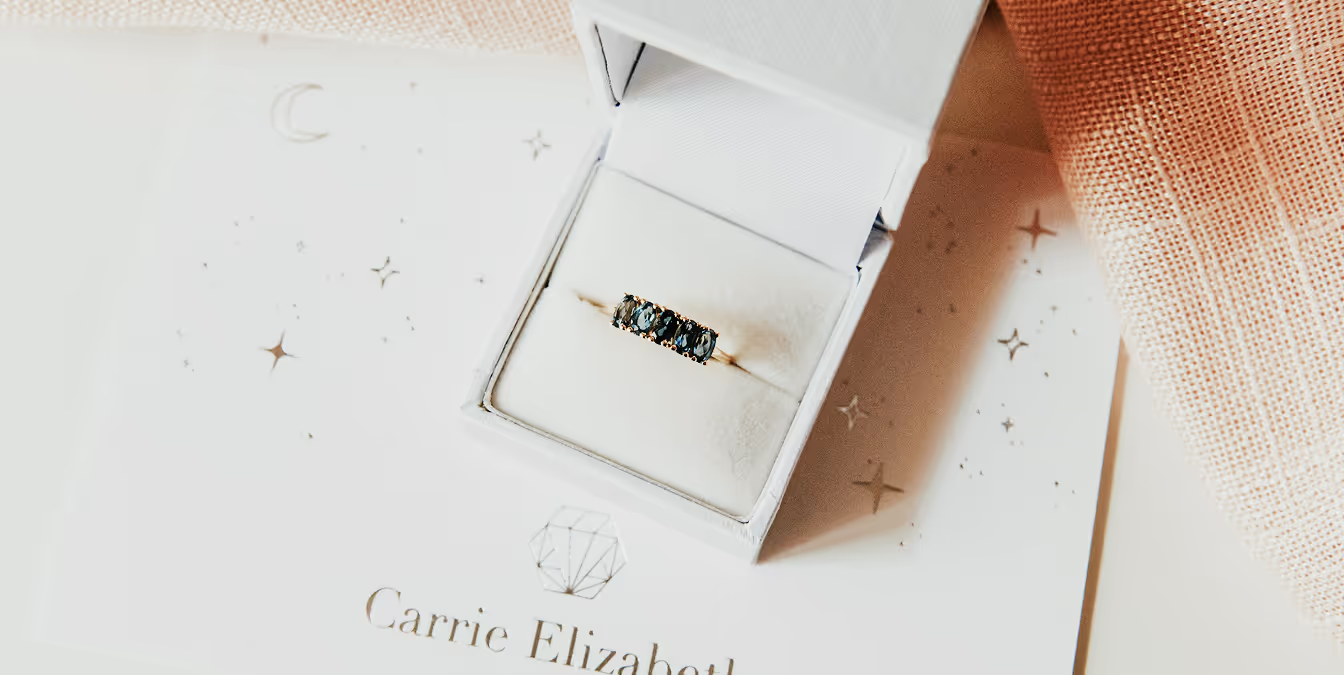
The success of any jewelry business depends heavily on its sales and marketing strategies.
That’s why it’s important to explore new channels and strategies that can help you reach a larger audience, boost sales and grow your business. As you develop your online jewelry business, make sure to establish it as a formal business entity to ensure legal compliance and take advantage of tax benefits.
When researching your competitors, note what brands are doing in terms of online marketing, from social media campaigns to email newsletters.
This will give you an idea of what’s working and what isn’t in terms of reaching customers.
You should also consider expanding your reach by selling through additional channels, such as retail stores or eCommerce websites.
To manage your business finances effectively, open a business bank account and ensure you have a separate business bank account to keep your business and personal finances distinct.
This can be a great way to increase exposure and boost sales.
Finally, register your jewelry business with the Small Business Administration to access valuable resources and support as you grow your brand.

Sloane Avery
As entrepreneurs, they’ve built and scaled their own ventures from zero to millions. They’ve been in the trenches, navigating the chaos of high-growth phases, making the hard calls, and learning firsthand what actually moves the needle. That’s what makes us different—we don’t just “consult,” we know what it takes because we’ve done it ourselves.
Want to learn more about brand platform?
If you need help with your companies brand strategy and identity, contact us for a free custom quote.
We do great work. And get great results.
+2.3xIncrease in revenue YoY
+126%Increase in repurchase rate YoY



+93%Revenue growth in first 90 days
+144% Increase in attributed revenue


+91%Increase in conversion rate
+46%Increase in AOV



+200%Increase in conversion rate
+688%Increase in attributed revenue