6sense vs Demandbase: Which ABM Platform Wins in 2026?
09/16/2026
Marketing Services
6sense vs Demandbase compared for growth-stage teams — predictive AI vs native DSP, pricing, integrations, and a faster managed ABM alternative.
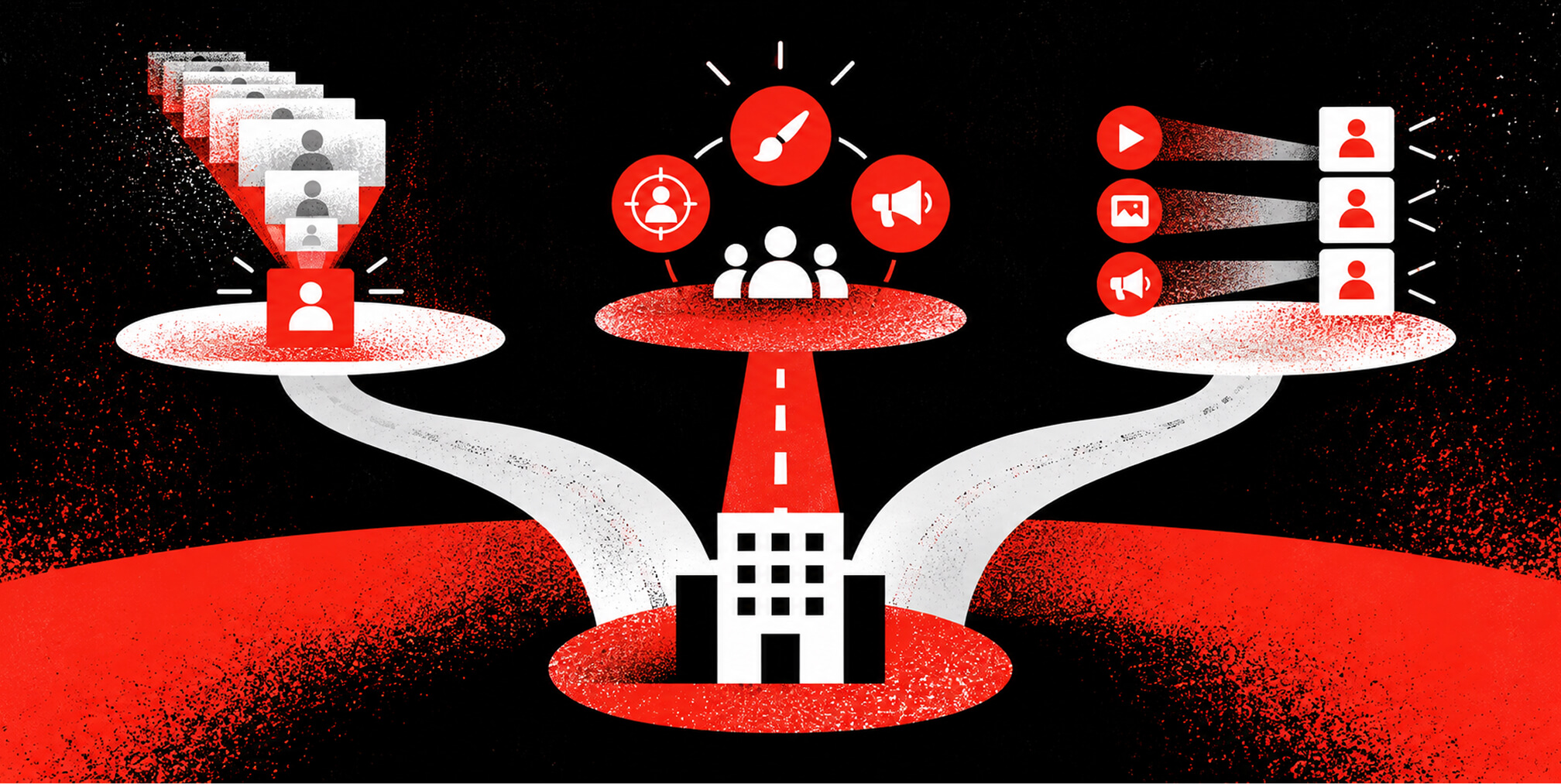
If you run a predictive-first, Salesforce-centric revenue motion, 6sense is your platform. If paid media and account-based advertising drive your pipeline, Demandbase wins on its native B2B DSP. If neither fits your headcount or procurement timeline, The Branded Agency delivers managed ABM outcomes without a multi-year platform commitment.
.png)


6sense vs Demandbase: The Full Side-by-Side Comparison
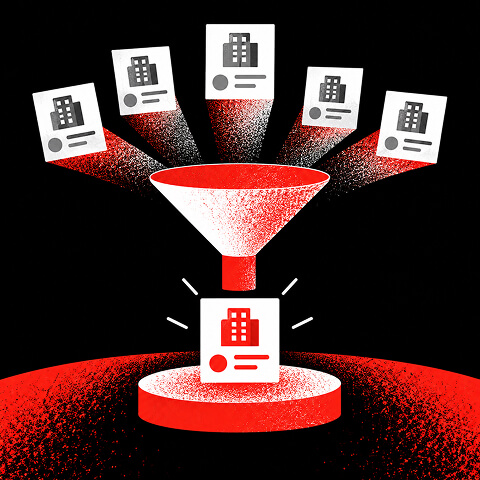
- 6sense: several months to full deployment; strongest predictive intent and buying-stage modeling
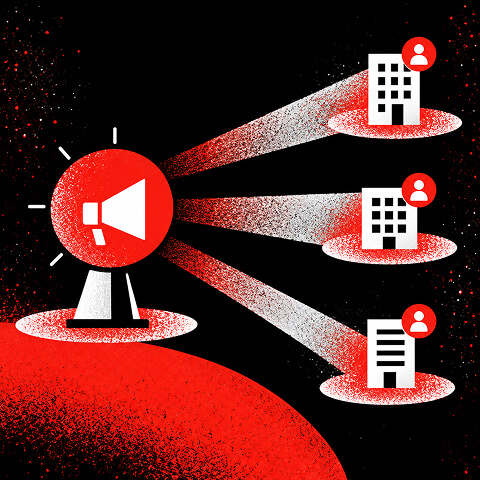
- Demandbase: a few months to deploy; strongest native B2B DSP and ad orchestration
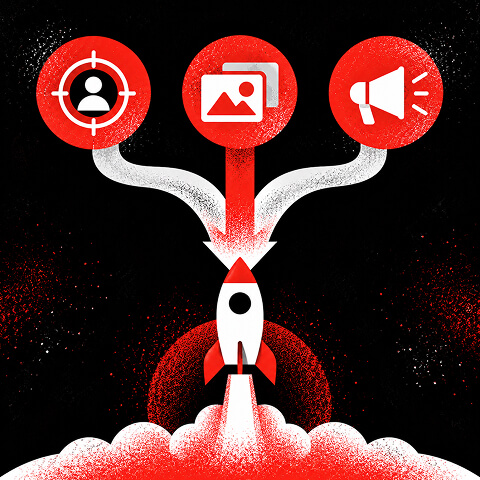
- The Branded Agency: Pilot-ready in weeks; managed activation, creative, and paid media with no enterprise procurement cycle
The critical architectural difference is predictive-first versus advertising-first. That single distinction drives which use cases each platform naturally accelerates, and it should anchor your decision before you ever sit through a demo.
6sense vs Demandbase: Side-by-Side Comparison for Growth-Stage Teams
| Dimension | The Branded Agency | 6sense | Demandbase |
|---|---|---|---|
| Best for | Growth-stage teams needing fast activation without RevOps headcount | Predictive-first, Salesforce-centric, complex long-cycle deals | Advertising-first, HubSpot-aligned, DSP-driven demand gen |
| Core capability | Managed ABM + paid media + creative | Predictive intent, buying-stage modeling, account prioritization | Native B2B DSP, account-based advertising, ad orchestration |
| Implementation timeline | Weeks (pilot-ready) | Several months | A few months |
| CRM/data requirements | Flexible; agency manages integration | Salesforce-centric; requires clean CRM data | Strong HubSpot and Salesforce; IP-based matching |
| Ease of use | Fully managed; no learning curve | Steeper; higher predictive accuracy | More intuitive; higher ease-of-use scores on G2 |
| Company size fit | Seed to Series B; limited RevOps | Mid-market to enterprise; dedicated RevOps needed | Mid-market to enterprise; media budget required |
| Pricing model | Project or retainer; transparent scoping | Quote-based; high five figures+/year | Quote-based; high five figures+/year |
| Strengths | Speed, creative, no procurement cycle | Predictive AI, account scoring, sales alignment | DSP depth, ad targeting, buying group intelligence |
| Weaknesses | Not a self-serve platform | Steep learning curve; heavy RevOps dependency | Manual model maintenance; ad-heavy motion required |
| Support/ecosystem | Dedicated agency team | CSMs, partner network, Salesforce-native | CSMs, HubSpot-native, Bombora co-op intent |
The Branded Agency rounds out the comparison as a managed alternative, with G2 data confirming Demandbase's higher ease-of-use scores against 6sense's steeper but more predictive-accurate learning curve.
Pick 6sense when: your sales team needs to prioritize accounts by buying stage, your RevOps function runs on Salesforce, and you can dedicate a full-time RevOps resource for the initial months of configuration.
Pick Demandbase when: programmatic display to named accounts is your primary demand channel, your team has meaningful media budget, and you want buying group intelligence baked into the platform rather than bolted on.
Pick The Branded Agency when: you need account-level activation now, your team lacks dedicated RevOps headcount, or you want to validate the ABM motion before committing to a six-figure annual contract.
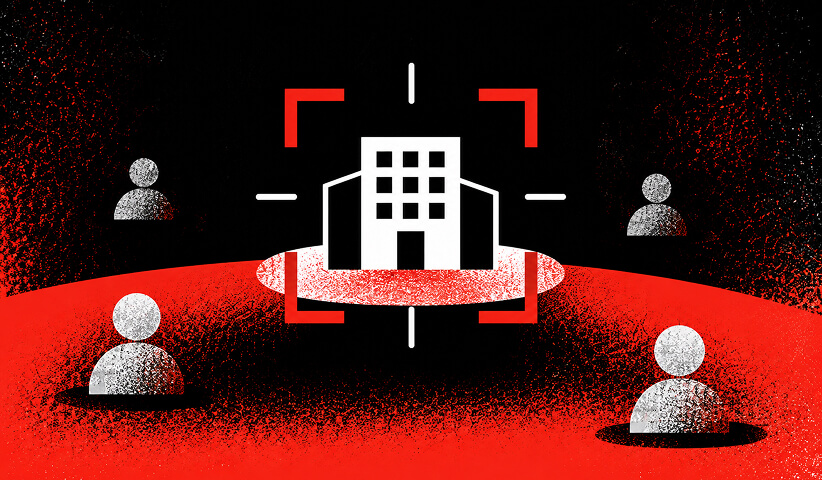
One caveat applies to both platforms: neither identifies an individual visitor deterministically. Both use IP-based and probabilistic matching to surface company-level signals. Teams that need person-level activation should layer a specialist contact-enrichment or visitor-identification tool on top of whichever platform they choose.
Pro Tip: Before signing either contract, run a 60-day pilot architecture. Use one platform's intent signals to build a target account list, then activate that list through a separate paid media management layer. You will surface CRM hygiene gaps, match-rate limitations, and RevOps bandwidth constraints before they become six-figure problems.
Free Brand Health Audit
Make sure your brand is built to sell
Search has changed. Your customers aren't just Googling anymore. They're asking ChatGPT, Perplexity, Gemini and other AI platforms what to buy, who to trust and which brands they should consider.
If your brand isn't showing up clearly in those answers, you're already losing opportunities. Our free Brand Health Audit shows you where your brand stands across traditional search, AI search and brand positioning.

Sample brand audit
Live preview
Traditional search
72
AI search (GEO)
34
Brand positioning
58
Which Buyer Profile Fits Each Platform, and What Real-World Results Look Like
Which buyer profile actually fits each platform?
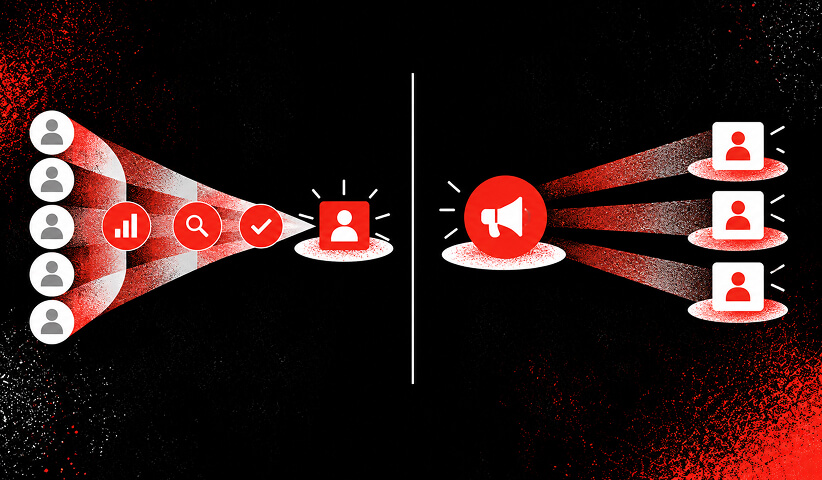
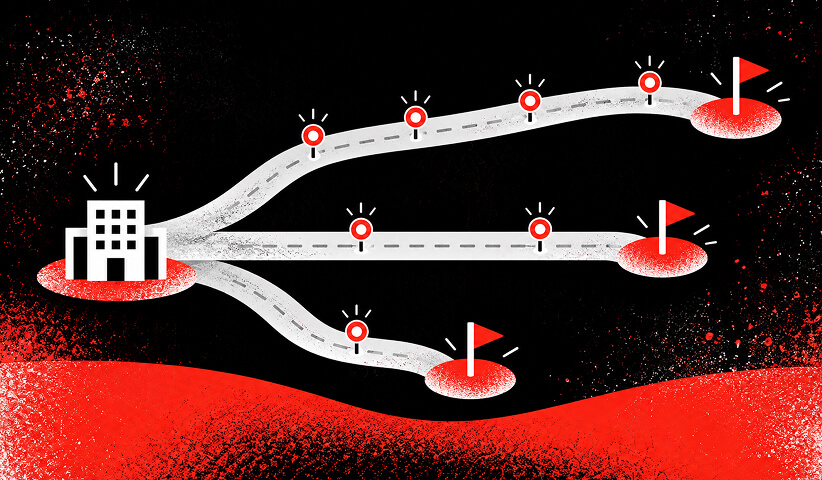
6sense fits you if: your sales cycle runs six months or longer, your reps already work a defined account list in Salesforce, and your marketing team can translate buying-stage scores into coordinated outreach sequences. The platform's predictive engine trains on your own closed-won data, which means model accuracy improves as your historical deal data grows. Expect to dedicate a RevOps owner full time for the first quarter.
Demandbase fits you if: your demand gen motion is media-heavy, you run programmatic display alongside LinkedIn, and you want buying group intelligence (champions, influencers, decision-makers) mapped as a core data object rather than a reporting filter. Its native DSP collects intent directly from the bidstream, covering over 2 trillion signals per month.
Neither fits you if: you are pre-Series A, your CRM has significant data hygiene issues, or you cannot staff a dedicated implementation resource for 3-6 months. Poor CRM hygiene degrades predictive outputs significantly; the most reliable results come after dedicated data-cleaning and iterative model tuning. At that stage, a managed agency pilot is the smarter first move.
What do real-world results actually look like?
Both platforms rely partly on shared third-party co-op intent data, including Bombora, which means signal overlap is real and exclusivity is limited. The effective decision hinges on CRM fit, primary GTM motion, and RevOps capacity far more than feature checklists. Teams that invest in data hygiene and model tuning before launch consistently report stronger pipeline attribution. Those that skip that phase treat both platforms as expensive dashboards their reps ignore.
Is your ABM platform ready before your team is? Keep reading!
If you need account-based activation without a six-figure annual contract, contact us for a free custom quote.
Customer Support, Integrations, and How Both Platforms Handle Security
How does customer support compare?
On Gartner Peer Insights, 6sense holds a 4.7 rating across 17 reviews with a 94% willingness-to-recommend rate. Demandbase shows a 4.2 rating across 71 reviews with 72% willing to recommend. Both platforms assign dedicated customer success managers and provide structured onboarding. Demandbase's onboarding is generally described as more streamlined with less custom configuration required. 6sense's CSM support is strong, but the platform's complexity means teams lean on that support longer.
What integrations exist beyond your CRM?
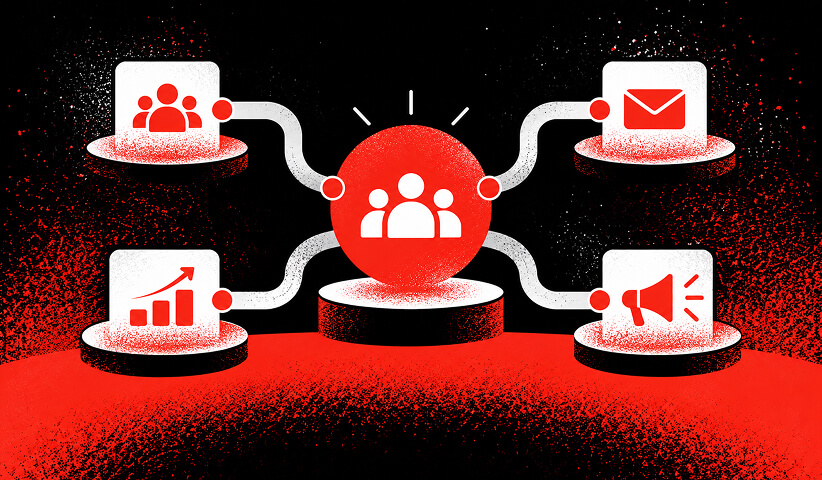
6sense connects to Salesforce, HubSpot, Marketo, Outreach, Salesloft, and The Trade Desk for display and CTV activation. Demandbase integrates natively with Salesforce and HubSpot, runs its own B2B DSP, and syncs daily with LinkedIn Campaign Manager. Both platforms integrate with Bombora for co-op intent. Neither offers native, high-fidelity match rates to Meta or Google; audience syncs through either tool hit roughly the same wall as a standard CSV upload.
How do both platforms handle security and data privacy?
Both 6sense and Demandbase maintain SOC 2 Type II certification and support GDPR and CCPA compliance workflows. For North American teams, CCPA compliance is the primary regulatory consideration, and both platforms provide data processing agreements and opt-out mechanisms aligned to California requirements. Neither platform offers deterministic person-level identification, which actually reduces certain privacy exposure compared to tools that store verified individual behavioral data.
Scaling, The Branded Agency's Faster Path, and Key Takeaways
Can either platform scale as your company grows?
6sense scales through modular additions: contact data credits, AI Email Agents, and expanded seat licenses. Demandbase scales through added modules and increased ad spend through its DSP. Many growth-stage organizations validate the ABM motion through an agency pilot first, then graduate to a full enterprise contract once the motion is proven and the RevOps function is staffed to support it.
The Branded Agency: A Faster Path to ABM Outcomes
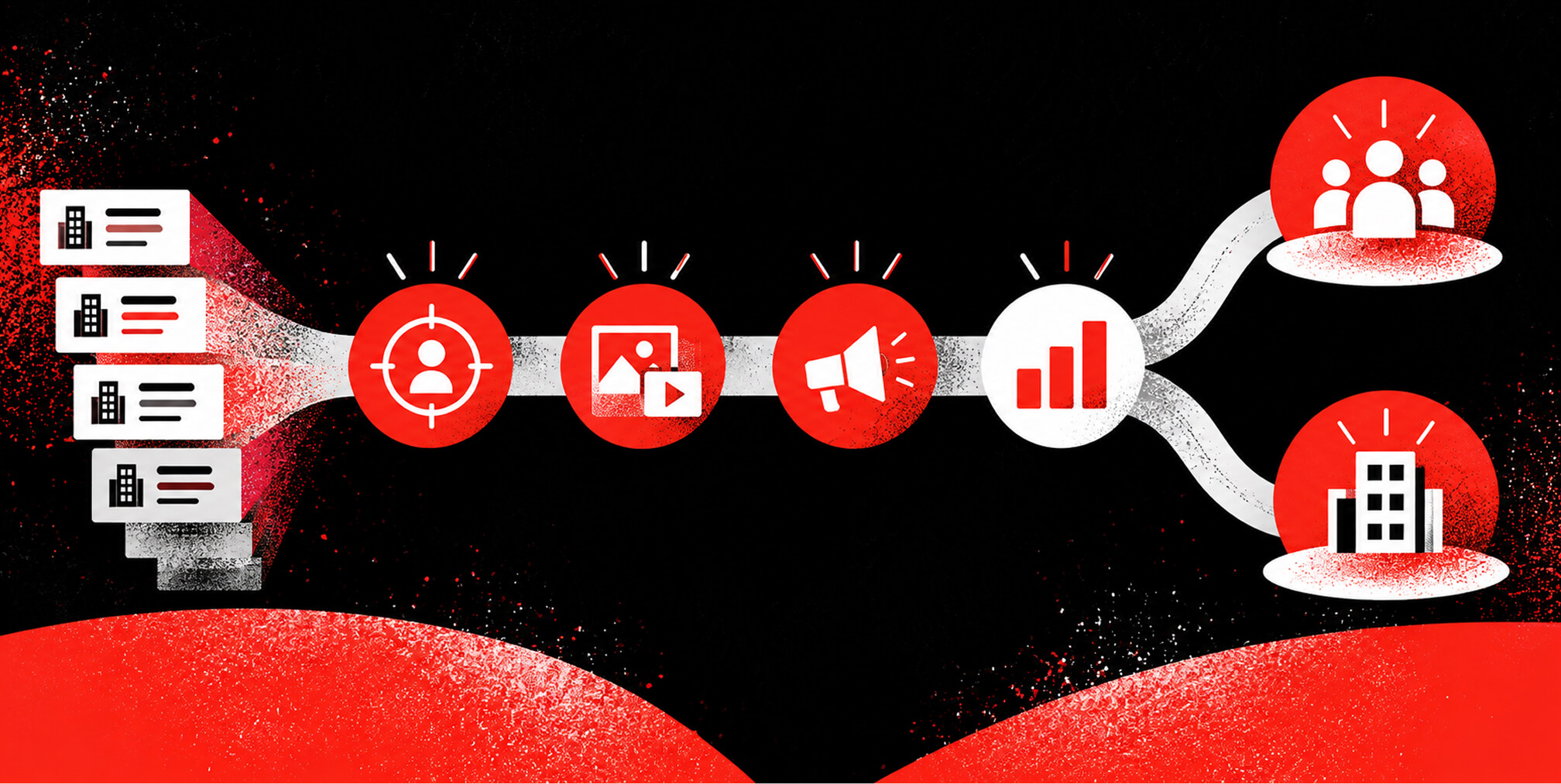
Growth-stage teams evaluating 6sense and Demandbase often find the same obstacle: the platform is ready before the team is. The Branded Agency solves that gap with a managed ABM pilot that combines account-level targeting, creative production, and paid media activation without requiring a dedicated RevOps hire or a multi-year contract.
A typical pilot runs 60-90 days and delivers a validated target account list, account-based ad creative, and performance reporting your team can use to justify a platform investment or continue scaling through the agency. Pricing is scoped per engagement, not locked into annual minimums. If you are ready to activate your ABM motion without waiting six months for a platform to deploy, talk to our team about what a pilot looks like for your growth stage.
Key Takeaways
6sense wins on predictive intelligence for complex, long-cycle deals; Demandbase wins on native DSP advertising; and The Branded Agency delivers managed ABM activation for teams that need results before a platform is ready.
| Point | Details |
|---|---|
| Architecture drives the decision | 6sense is predictive-first; Demandbase is advertising-first. Match the platform to your primary GTM motion. |
| Implementation takes months | 6sense deploys in 4-6 months; Demandbase in 3-5 months. Both require dedicated RevOps resources. |
| Person-level ID is a gap in both | Neither platform identifies individual visitors deterministically; layer a contact-enrichment tool for person-level activation. |
| Pricing is enterprise-grade | Both platforms are quote-based with high five-figure annual floors and no self-serve trial options. |
| The Branded Agency | Offers a managed ABM pilot with paid media and creative in weeks, without enterprise procurement or RevOps headcount. |
Recommended

Quincy Samycia
As entrepreneurs, they’ve built and scaled their own ventures from zero to millions. They’ve been in the trenches, navigating the chaos of high-growth phases, making the hard calls, and learning firsthand what actually moves the needle. That’s what makes us different—we don’t just “consult,” we know what it takes because we’ve done it ourselves.
Want to learn more about brand platform?
If you need help with your companies brand strategy and identity, contact us for a free custom quote.
We do great work. And get great results.
+2.3xIncrease in revenue YoY
+126%Increase in repurchase rate YoY



+93%Revenue growth in first 90 days
+144% Increase in attributed revenue




+91%Increase in conversion rate
+46%Increase in AOV




+200%Increase in conversion rate
+688%Increase in attributed revenue