Can You Advertise on Perplexity? Paid Ads, Organic Citations and GEO Explained
09/08/2026
Marketing Services
A 2026 guide to why Perplexity walked away from advertising, and how brands can still earn citations and visibility through GEO, the Merchant Program, and digital PR.
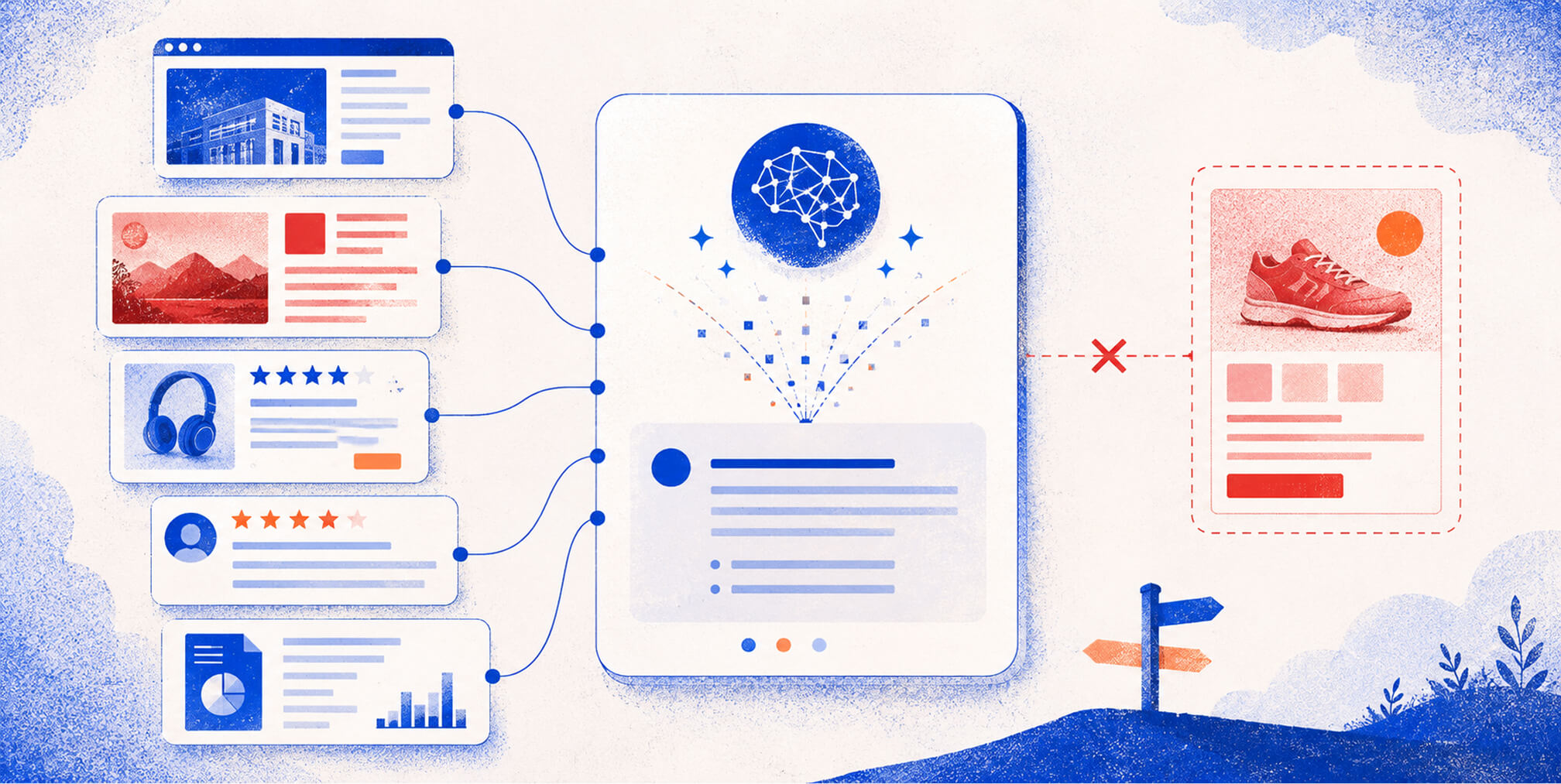
Perplexity is becoming an important source of product discovery, business research and brand recommendations.
.png)


Can You Advertise on Perplexity? What's Changed in 2026



Unlike a conventional search engine, Perplexity responds to questions with a synthesized answer supported by citations. Users can ask follow-up questions, compare options and investigate sources without beginning a new search.
For brands, this creates an obvious question:
Can you advertise on Perplexity?
The short answer is no—not through a broadly available self-serve advertising platform.
Perplexity previously tested sponsored placements, but the company moved away from advertising in early 2026. It is currently prioritizing subscriptions, enterprise products and other commercial programs rather than offering an ad manager comparable with Google Ads, Microsoft Advertising or OpenAI Ads Manager.
That does not mean businesses should ignore Perplexity.
Brands can still appear through:
This guide explains the current status of Perplexity Ads and how businesses can improve their organic visibility within Perplexity’s answers.
What Is Perplexity?
Perplexity is an AI-powered search and answer engine.
When someone asks a question, Perplexity searches the web, identifies relevant sources and produces a conversational response with citations linking to the original information.
Perplexity describes its experience as combining AI-generated answers with verifiable sources. Perplexity’s Help Center explains how its AI search engine works.
A traditional search engine generally provides a list of pages.
Perplexity can:
That changes the role of a brand’s website.
The objective is no longer only to rank as one of ten links. The objective may also be to become a trusted source an AI system uses to build its answer.
Does Perplexity Have Ads?
Perplexity does not currently offer a general self-serve advertising product.
The company previously tested advertising formats that included sponsored follow-up questions and paid placements displayed separately from its generated answers.
However, in February 2026, Perplexity executives confirmed that the company was moving away from advertising. The company cited concerns that advertisements could cause users to question the independence and credibility of its answers.
The Financial Times reported that Perplexity had abandoned its advertising plans, after beginning to phase out sponsored placements in late 2025.
As of July 2026:
This could change. AI products and monetization strategies continue to evolve rapidly.
Why Did Perplexity Stop Advertising?
Perplexity’s central product promise is providing useful answers supported by sources.
Advertising creates a potential trust problem.
If a paid result appears near an AI-generated recommendation, the user may begin wondering:
Perplexity’s previous sponsored placements were labelled and did not directly alter its organic answers. However, the company concluded that advertising could still create doubt about the overall experience.
This highlights a challenge facing every AI advertising platform: an AI assistant is expected to provide impartial guidance, while an advertising platform is paid to promote selected businesses.
OpenAI addresses the issue by separating ChatGPT Ads from its generated answers. Google identifies sponsored placements in AI Overviews and AI Mode. Microsoft also distinguishes advertisements within Copilot experiences.
Perplexity has currently chosen a different path by emphasizing subscriptions and enterprise revenue.
Can You Pay to Rank in Perplexity?
No.
A business cannot pay Perplexity to rank organically, receive a citation or become the answer engine’s preferred recommendation.
Organic citations are separate from paid placements.
Even when Perplexity previously tested advertising, sponsored content was intended to remain distinct from the source-led answer.
Businesses should be cautious of agencies promising:
No legitimate GEO agency can guarantee that an independent AI system will consistently cite one brand for every relevant question.
The goal of Perplexity optimization is to improve the quality, authority and accessibility of the information available—not to purchase or manipulate an organic recommendation.
How Do Brands Appear in Perplexity?
Brands can appear in several ways:
1. As a cited source
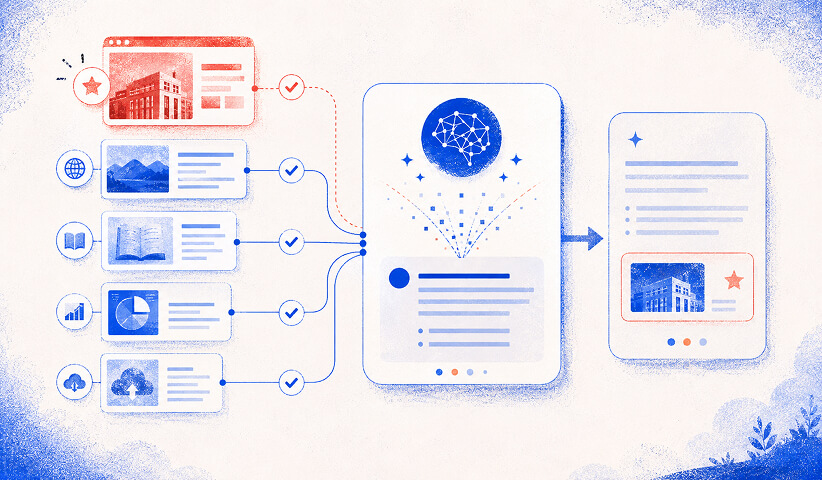
Perplexity may cite a page from the company’s website when that page directly supports part of the answer.
2. Through a third-party citation
Perplexity may cite an article, review, directory, news story or industry publication that discusses the brand.
3. As a product
Eligible products may appear through Perplexity’s shopping and Merchant Program experiences.
4. As an entity within an answer
Perplexity may mention a company, product, executive or service without citing the company’s own website directly.
5. Within comparison research
The brand may appear when someone asks Perplexity to compare:
The source supporting the mention may be the company’s website or a third-party publication.
Free Brand Health Audit
Make sure your brand is built to sell
Search has changed. Your customers aren't just Googling anymore. They're asking ChatGPT, Perplexity, Gemini and other AI platforms what to buy, who to trust and which brands they should consider.
If your brand isn't showing up clearly in those answers, you're already losing opportunities. Our free Brand Health Audit shows you where your brand stands across traditional search, AI search and brand positioning.

Sample brand audit
Live preview
Traditional search
72
AI search (GEO)
34
Brand positioning
58
The Perplexity Merchant Program and GEO Fundamentals
What Is the Perplexity Merchant Program?
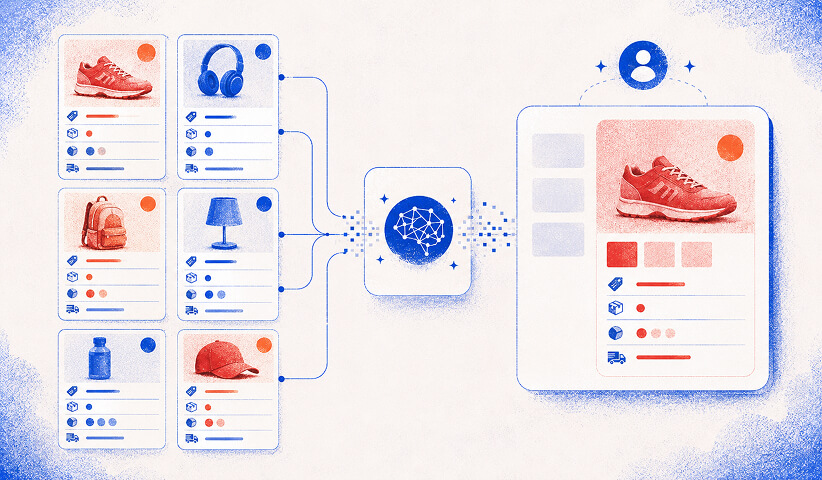
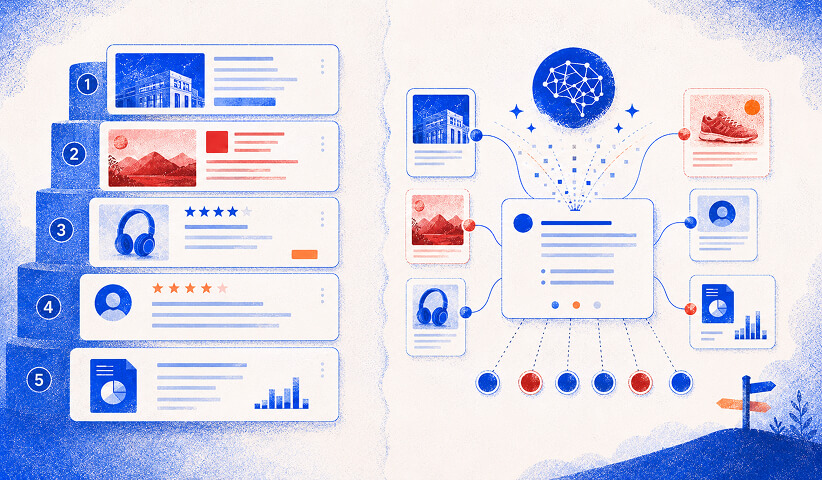
Perplexity’s Merchant Program helps eligible retailers make product information available for AI-powered shopping and discovery.
Perplexity says the program can help merchants:
Perplexity’s Merchant Program is not the same as a paid advertising platform.
Participation can improve the completeness and accuracy of product information available to Perplexity, but it does not mean a merchant can buy the top recommendation.
Information merchants should maintain
Retailers should provide accurate:
A product is difficult for an AI system to recommend when its details are incomplete, inconsistent or outdated.
What Is Perplexity GEO?
Generative Engine Optimization is the process of improving how AI-powered search engines understand, evaluate and cite a brand.
For Perplexity, GEO primarily involves making the brand’s public information:
GEO is also referred to as:
These terms overlap, although the industry has not adopted one universal definition.
How Is Perplexity GEO Different From Traditional SEO?
Traditional SEO focuses heavily on ranking pages within conventional search results.
Perplexity GEO focuses on becoming part of the evidence used to construct an answer.
Traditional SEOPerplexity GEOCompetes for a search-results positionCompetes to become a useful cited sourceOften targets short keywordsOften addresses detailed questionsPrioritizes rankings and organic clicksPrioritizes citations, mentions and answer inclusionFocuses heavily on the company websiteRelies on both first- and third-party informationMeasures impressions, rankings and clicksAlso measures citation rate and AI visibilitySearcher evaluates several page titlesPerplexity synthesizes information before the click
These approaches are complementary.
A technically sound, authoritative website is useful for both SEO and GEO. However, GEO places greater emphasis on clear answers and third-party validation.
How Perplexity Finds and Uses Sources
Perplexity searches for information relevant to the user’s question and synthesizes an answer from available sources.
Its help documentation emphasizes:
Perplexity says every answer includes links that allow users to verify information and explore the original sources. Perplexity describes its source-transparency approach.
The exact sources used can change from one query to another.
Results may vary based on:
That is why one successful citation does not guarantee permanent inclusion.
| Traditional SEO | Perplexity GEO |
|---|---|
| Competes for a search-results position | Competes to become a useful cited source |
| Often targets short keywords | Often addresses detailed questions |
| Prioritizes rankings and organic clicks | Prioritizes citations, mentions and answer inclusion |
| Focuses heavily on the company website | Relies on both first- and third-party information |
| Measures impressions, rankings and clicks | Also measures citation rate and AI visibility |
| Searcher evaluates several page titles | Perplexity synthesizes information before the click |
How to Improve Your Visibility in Perplexity
Step 1: Define the Questions You Want to Answer
Do not begin with the vague goal of “ranking in Perplexity.”
Identify the customer questions that matter commercially.
For a branding agency, those might include:
For a product company, questions could include:
Build content around real decisions, not only broad keywords.
Step 2: Create Direct, Verifiable Answers
Each page should answer its central question clearly.
A strong structure might include:
Avoid forcing the reader—or an AI crawler—to interpret several paragraphs of promotional language before finding the answer.
For example:
Question: How much does a branding agency cost?
A branding agency engagement can range from several thousand dollars for a focused identity project to six figures for research, positioning, architecture, identity, packaging and implementation. The final cost depends on the number of stakeholders, research requirements, deliverables, markets and rollout complexity.
That answer provides more usable information than:
Every brand is different. Contact us to transform your future.
Step 3: Establish Clear Brand Entities
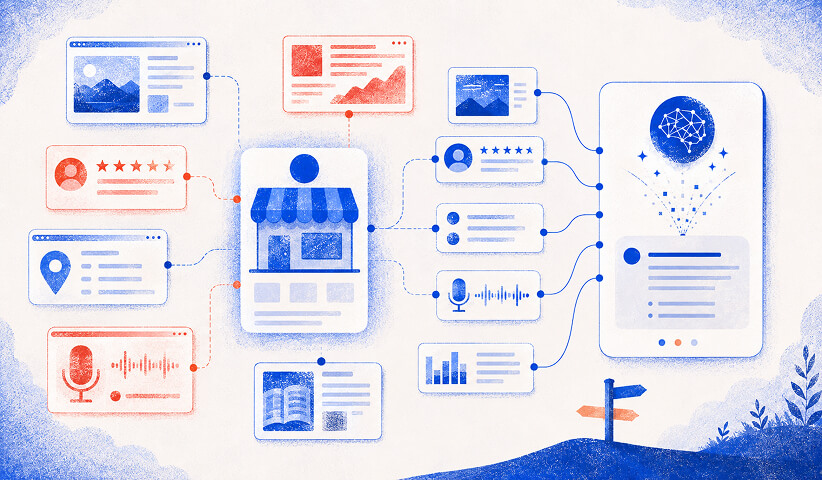
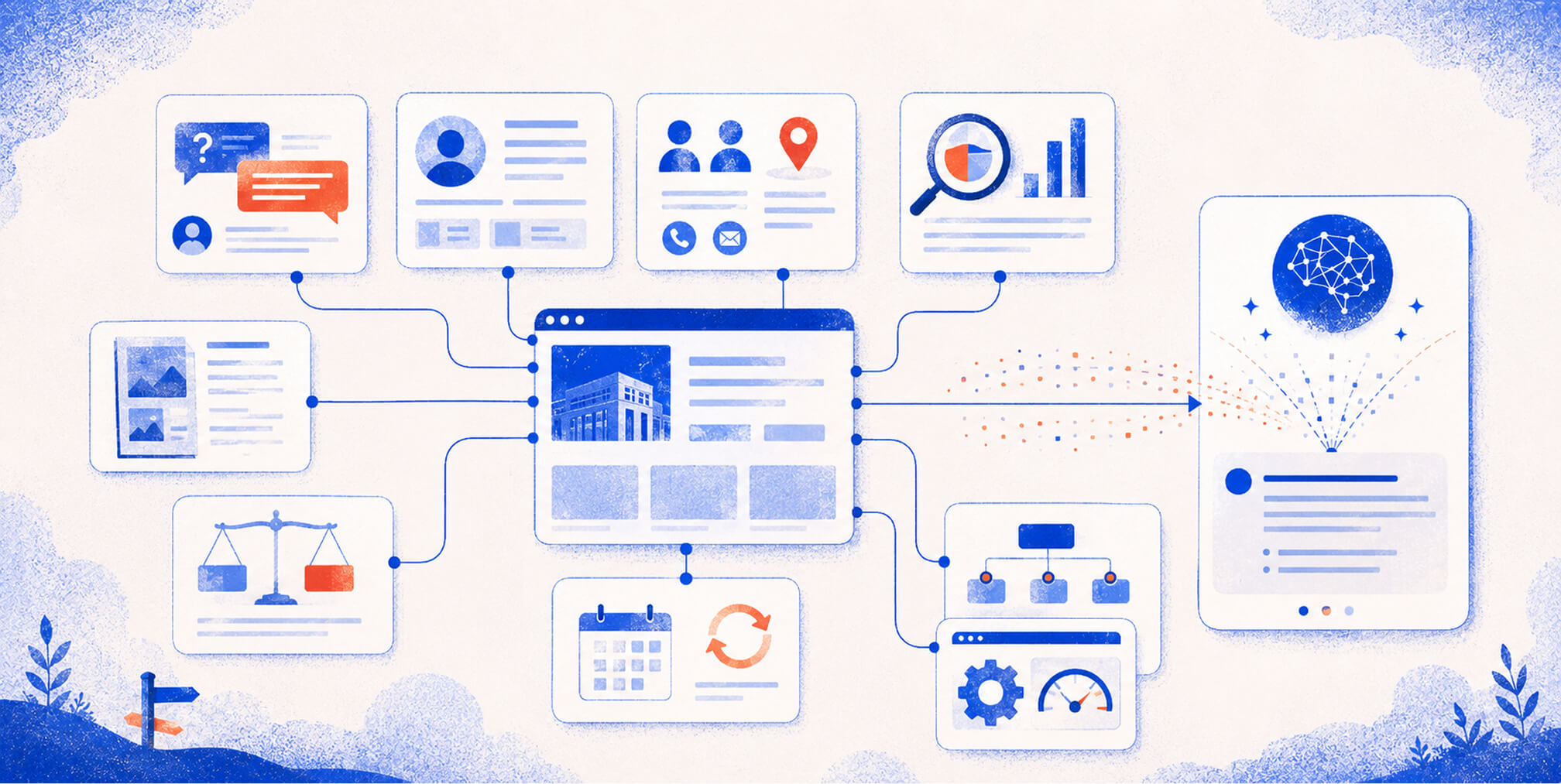
Perplexity should be able to determine:
Keep this information consistent across:
Inconsistent information creates uncertainty.
Step 4: Improve Your About and Contact Pages
Brand-entity information should not be hidden only in a website footer.
Create dedicated pages with:
- Legal business name
- Brand name
- Address
- Phone number
- Service area
- Leadership
- Company description
- Founding year
- Relevant registrations
- Industry expertise
- Partner or certification information
For local and professional businesses, a complete Contact page can help search engines and AI systems understand the company’s location and legitimacy.
Want your brand cited when Perplexity researches your category? Keep reading!
If you need a partner who combines SEO, GEO, and digital PR into one strategy, contact us for a free custom quote.
How to Build and Measure Your Perplexity Visibility
Step 5: Publish Original Expertise
AI search is already crowded with generic summaries.
Original information gives Perplexity a reason to cite your brand.
Examples include:
- Proprietary research
- Customer surveys
- Performance benchmarks
- Case studies
- Original frameworks
- Expert interviews
- Industry data
- First-hand testing
- Detailed comparisons
- Pricing analysis
- Process documentation
For The Branded Agency, original expertise could include:
- Brand-positioning frameworks
- Agency-tested AI workflows
- Conversion data from rebranding projects
- CPG packaging insights
- Shopify migration benchmarks
- Brand-first performance case studies
- Research into how consumers evaluate brands through AI search
The content should explain how conclusions were reached.
Step 6: Strengthen Third-Party Authority
A company’s own website is not independent proof of its claims.
Third-party sources can help validate:
- Expertise
- Awards
- Client results
- Market position
- Founder experience
- Product quality
- Customer satisfaction
- Business legitimacy
Relevant third-party sources include:
- Industry publications
- News outlets
- Trade associations
- Podcasts
- Event websites
- Review platforms
- Partner directories
- Academic research
- Public datasets
- Analyst reports
- Government sources
Digital PR is increasingly important because AI systems may rely on these sources when deciding whether a claim is credible.
Step 7: Build Strong Comparison Content
Comparison searches are central to Perplexity’s value.
Users frequently ask:
- Which option is best?
- What is the difference?
- Which is better for my use case?
- What are the advantages and disadvantages?
- How much do the options cost?
- Which provider should I choose?
Brands can publish comparison content, but it must be fair and useful.
A credible comparison should:
- Identify the audience
- Explain the evaluation criteria
- Acknowledge competitor strengths
- Disclose limitations
- Use current information
- Cite sources
- Avoid unsupported superiority claims
- Help the reader decide
A comparison that declares your company the winner in every category is unlikely to inspire trust.
Step 8: Use Structured Data
Structured data can help search engines interpret the page.
Relevant schema types may include:
- Organization
- LocalBusiness
- Product
- Service
- Article
- FAQPage
- Person
- Review
- BreadcrumbList
- ContactPoint
Structured data must match visible page content.
Do not add false ratings, fabricated reviews or unsupported claims to the markup.
Schema does not guarantee Perplexity inclusion, but it can improve machine-readable clarity across the broader search ecosystem.
Step 9: Make Your Content Accessible
Ensure important content can be crawled and understood.
Review:
- Robots.txt
- Meta robots directives
- JavaScript rendering
- Page speed
- Mobile usability
- Canonical tags
- Redirects
- XML sitemap
- Duplicate content
- Broken links
- Paywalls
- Authentication barriers
- Content embedded only in images
- Important information hidden in scripts
A strong article cannot become a source if the platform cannot reliably access it.
Step 10: Keep Information Current
AI answers can quickly expose outdated content.
Add visible update dates and review pages when:
- Pricing changes
- Products are discontinued
- Features change
- Offices move
- Executives change
- Regulations change
- Research becomes outdated
- Service areas expand
- Platform capabilities evolve
Update the substance of the page—not only the date.
How to Measure Perplexity Visibility
Perplexity does not provide every brand with a universal organic visibility dashboard.
Businesses can still create a monitoring process.
Track important prompts
Build a list of questions across:
- Category
- Product
- Brand
- Competitors
- Problems
- Comparisons
- Local intent
- Purchase intent
Repeat tests periodically and record:
- Whether the brand is mentioned
- Whether it is recommended
- Which page is cited
- Which third-party sources appear
- Which competitors appear
- How the answer changes
- Whether the information is accurate
Review referral traffic
Look for traffic from Perplexity within:
- Google Analytics
- Web analytics
- Server logs
- Conversion reporting
- CRM source data
Track more than visits. Measure:
- Engaged sessions
- Leads
- Purchases
- Revenue
- Lead quality
- Assisted conversions
Monitor citations
Record which website pages and third-party articles receive citations.
Patterns can reveal:
- Which content formats Perplexity uses
- Which sources carry authority
- Where information is missing
- Which claims require stronger evidence
- Which competitor pages are outperforming yours
Can You Control What Perplexity Says About Your Brand?
Not directly.
You can improve the information available, but you cannot dictate the final answer.
If Perplexity provides inaccurate information:
- Identify the likely source.
- Correct inaccurate information on your own website.
- Contact third-party publishers when appropriate.
- Make company details consistent across profiles.
- Publish a clear, authoritative answer.
- Use Perplexity’s feedback tools where available.
- Recheck the query after sources are updated.
Do not attempt to flood the web with repetitive, low-quality pages. More content does not automatically create more credibility.
Does Reddit Help Brands Appear in Perplexity?
Reddit and other forums may influence AI-generated answers when they contain relevant first-hand discussions.
However, brands should not manufacture conversations, create fake testimonials or post undisclosed promotional comments.
A legitimate community strategy can include:
- Answering questions transparently
- Disclosing affiliations
- Sharing useful experience
- Responding to product concerns
- Participating before promoting
- Avoiding repetitive links
- Supporting claims with evidence
Community content is valuable because it can reveal real customer language and experience. Manipulated community content creates reputational risk.
Does Digital PR Improve Perplexity Visibility?
Potentially, yes.
Digital PR can create authoritative third-party sources that Perplexity may cite.
A strong program can include:
- Original research
- Data-led stories
- Expert commentary
- Product launches
- Founder interviews
- Industry trend analysis
- Case-study results
- Partnerships
- Relevant awards
- Trade-publication contributions
The objective should not be accumulating low-quality mentions.
One detailed article in a respected industry publication may provide more authority than dozens of syndicated press-release copies.
Perplexity vs. ChatGPT Ads
| Perplexity | ChatGPT |
|---|---|
| No broadly available self-serve ads platform | OpenAI Ads Manager is available in supported countries |
| Prioritizes subscriptions and enterprise services | Supports Free and Go access partly through advertising |
| Strong emphasis on cited answers | Paid ads appear separately below eligible responses |
| Organic visibility depends on sources and authority | Brands can pursue both paid ads and organic visibility |
| Merchant Program supports product discovery | Product-feed campaigns support paid retail ads |
| No general way to purchase placement | Advertisers can create CPC or CPM campaigns |
A business seeking Perplexity visibility should currently focus on GEO, product information and third-party authority.
Perplexity vs. ChatGPT and Google, and Is GEO Worth It?

Perplexity vs. Google AI Search Advertising
Google allows eligible ads to appear within AI Overviews and AI Mode through existing Google Ads campaigns.
Perplexity currently emphasizes source-backed organic answers rather than a general ad product.
For brands, this means:
- Google offers paid and organic AI visibility.
- Perplexity primarily offers organic and commerce-related visibility.
- Google Ads can produce more immediate reach.
- Perplexity GEO requires credible information and sustained authority.
- Both depend heavily on clear product and website data.
Is Perplexity GEO Worth It?
Perplexity optimization may be worthwhile when:
- Customers conduct research before purchasing
- The category involves comparisons
- The business depends on expertise
- Buyers seek independent validation
- Products have detailed specifications
- Third-party credibility affects decisions
- The brand wants broader AI search visibility
It is especially relevant for:
- Software
- Professional services
- Technology
- Consumer products
- Travel
- Education
- Healthcare information
- Financial research
- B2B purchases
- Considered consumer purchases
However, Perplexity should not be optimized in isolation.
The same improvements that help Perplexity may also support:
- Google Search
- Google AI Overviews
- ChatGPT Search
- Microsoft Copilot
- Gemini
- Other AI assistants
The strongest strategy builds a credible public information ecosystem rather than chasing one algorithm.
Common Perplexity GEO Mistakes
Publishing generic AI-generated content
Generic summaries add little new information and provide no strong reason for citation.
Hiding essential details
Avoid making pricing, location, features or service information unnecessarily difficult to find.
Making unsupported claims
Words such as “best,” “leading,” “proven” and “number one” require evidence.
Ignoring third-party sources
Your website alone cannot establish every claim independently.
Creating fake community mentions
Manufactured Reddit or forum discussions can damage trust.
Focusing only on the brand name
Non-branded category and comparison questions often represent greater discovery opportunities.
Measuring only website traffic
A brand mention can influence awareness even when the user does not immediately click.
Expecting permanent citations
AI answers are dynamic. Visibility must be monitored over time.
Frequently Asked Questions
Can you advertise on Perplexity?
Perplexity does not currently offer a broadly available self-serve advertising platform. The company moved away from its previous advertising tests in early 2026.
Does Perplexity have sponsored results?
Perplexity previously tested sponsored placements, but those formats are no longer part of a general active advertising program at publication.
Can I pay Perplexity to recommend my business?
No. Businesses cannot pay for an organic recommendation or citation inside a Perplexity answer.
How do I get my business mentioned in Perplexity?
Publish clear and authoritative information, build credible third-party coverage, maintain consistent company details and answer the questions customers ask about your category.
How do I get cited by Perplexity?
Create pages that directly answer relevant questions and support statements with evidence. Technical accessibility, authority, third-party mentions and content quality can all influence citation eligibility.
What is Perplexity GEO?
Perplexity GEO is the process of improving how Perplexity discovers, understands and cites a brand through structured content, authoritative sources and consistent public information.
Does SEO help with Perplexity?
Yes. Technical SEO, crawlability, backlinks, clear content and authority can also support AI visibility. However, Perplexity GEO places additional emphasis on direct answers and cited evidence.
Does Perplexity use Reddit?
Perplexity can use relevant public web sources, including forum discussions. Brands should participate transparently and avoid manufactured endorsements.
What is the Perplexity Merchant Program?
The Merchant Program helps eligible retailers provide accurate product information and support product discovery and checkout. It is not the same as purchasing advertising.
Can products appear in Perplexity Shopping?
Yes. Eligible products can be discovered through Perplexity’s commerce experiences. Complete and current merchant information improves product accuracy.
Is Perplexity better than Google for brand discovery?
They serve different behaviours. Google offers enormous search reach and paid advertising, while Perplexity provides a conversational, citation-led research experience. Brands should generally prepare for both.
Will Perplexity bring ads back?
It is possible, but Perplexity has not announced a general return to advertising at publication. Businesses should monitor official information rather than relying on outdated setup guides.
Final Thoughts
Businesses cannot currently create a conventional Perplexity advertising campaign.
That makes organic visibility more important, not less.
Perplexity’s citation-led model rewards brands that provide useful information and have enough independent authority to support their claims.
Success requires more than adding keywords to a page.
Brands must:
- Answer real customer questions
- Publish original expertise
- Maintain accurate information
- Earn credible third-party coverage
- Improve technical accessibility
- Structure product data
- Monitor AI citations
- Build trust across the wider web
The goal is not to trick Perplexity into mentioning a brand.
The goal is to make the brand one of the most useful and credible sources available when Perplexity researches the category.
At The Branded Agency, we combine brand strategy, SEO, GEO, content and digital PR to help businesses build visibility across both traditional and AI-powered search.
Contact The Branded Agency to discuss how Perplexity and broader AI search visibility can support your growth strategy.

Quincy Samycia
As entrepreneurs, they’ve built and scaled their own ventures from zero to millions. They’ve been in the trenches, navigating the chaos of high-growth phases, making the hard calls, and learning firsthand what actually moves the needle. That’s what makes us different—we don’t just “consult,” we know what it takes because we’ve done it ourselves.
Want to learn more about brand platform?
If you need help with your companies brand strategy and identity, contact us for a free custom quote.
We do great work. And get great results.
+2.3xIncrease in revenue YoY
+126%Increase in repurchase rate YoY


+93%Revenue growth in first 90 days
+144% Increase in attributed revenue




+91%Increase in conversion rate
+46%Increase in AOV


+200%Increase in conversion rate
+688%Increase in attributed revenue