Amazon Brand Guidelines: How to Create a Brand on Amazon

03/07/2025

Branding / E-Commerce

Building a standout brand on Amazon is essential for gaining customer trust, driving sales, and outshining the competition in a crowded marketplace. To achieve this, it is crucial to follow Amazon brand guidelines, which require strict guidelines for the use of logos, imagery, and other brand assets. Adhering to these standards helps maintain brand integrity and ensures a professional, cohesive appearance across your listings. Amazon's platform has specific brand guidelines and policies that sellers must follow to ensure compliance and success. Amazon also provides guidance to help sellers optimize their listings and maintain a trustworthy presence. Ready to level up your business and dominate on Amazon? Look no further! Our step-by-step Amazon guide will show you how to create a killer brand that stands out in a sea of competitors. Yes, it may seem overwhelming, but fear not - we’ve got you covered with expert strategy and guidance. And if you really want to make a statement, turn to the Branded Agency. Our team of branding geniuses has already helped the crème de la crème of Amazon brands (think HumanCentric, Liba USA, and Sipour) create unforgettable identities that leave a lasting impression. Don’t settle for mediocrity on Amazon - let us help you make your mark and leave your competitors in the dust!

Stylized Amazon smile logo rendered in textured red and blue on a dark background, with scattered speckles creating a dynamic, abstract effect.

Ready to level up your business and dominate on Amazon? Look no further! Our step-by-step Amazon guide will show you how to create a killer brand that stands out in a sea of competitors. Yes, it may seem overwhelming, but fear not - we’ve got you covered with expert strategy and guidance. And if you really want to make a statement, turn to the Branded Agency. Our team of branding geniuses has already helped the crème de la crème of Amazon brands (think HumanCentric, Liba USA, and Sipour) create unforgettable identities that leave a lasting impression. Don’t settle for mediocrity on Amazon - let us help you make your mark and leave your competitors in the dust!

Sloane Avery
Play IconPause Icon
0:00
0:00

A Step by Step Guide to Starting your Amazon Business and Building a Brand
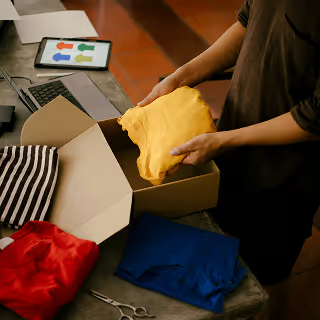
Person packing colorful t-shirts into a cardboard box on a table with a tablet, laptop, and scissors.
Smiling woman in a denim apron holding delivery boxes while checking her laptop in a home office setting.
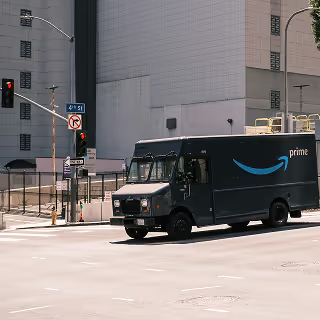
Amazon Prime delivery van driving through a city intersection with buildings in the background.
No items found.

Why should you Sell on Amazon?

Amazon has become one of the world’s leading online retailers.

With millions of daily visitors and an ever-growing base of customers, Amazon offers small businesses a fantastic opportunity to expand their customer base.

The platform also offers access to billions of products from around the world, providing you with a unique way to reach customers who may not have found your business otherwise.

Additionally, Amazon’s sophisticated marketing tools allow you to customize and optimize your product listings, making it easy to reach the right customers.

It’s not shocking that customers trust Amazon – and with good rationale.

Roughly 89 percent of buyers expressed in a survey conducted by Feedvisor (2019) that they are more likely to buy from the ecommerce giant than any other online retailer.

This opinion is especially strong among those who make purchases on Amazon frequently; 98% of individuals who purchase daily or almost every day and 99% for those purchasing several times per week agree their loyalty lies with this company above its competitors.

The power of Amazon remains indisputable when it comes to ecommerce, solidifying its place at the center stage.

Amazon is undeniably America’s favorite shopping app, with a whopping 98.07 million people accessing it each month, surpassing even Walmart (which has 120 million users per month).

In comparison to its closest competitors, Target - which lags far behind at 17.12 monthly users - pales in comparison!

The numbers speak for themselves: there’s no doubt that Amazon reigns as the go-to eCommerce platform of choice across the country.

Mobile retail shopping has established itself as an undeniable force, with the US projected to hit $431 billion in 2022.

As one of the leading ecommerce businesses on a global scale, Amazon’s profits reflect this expansion.

Their most recent financial report revealed that their sales revenue for Q4 2020 was at a record-breaking level - amounting to $125.6 billion and registering a 44 percent year-over-year growth (Amazon 2021).

This is indicative of the continuing trend towards mobile commerce and its increasing momentum across all continents!

In Q4 of 2020, Amazon’s net income hit an all-time high at a staggering $7.2 billion - more than double the profits from the previous year.

North America remains as one of its primary sales regions, with revenues rising 40% to impressive figures such as $75.3 billion compared to international sales’ total at just over half that amount ($37.5 billion).

It is no surprise why countless businesses are making their way onto Amazon and taking advantage of what it has to offer; after all, it is renowned for being one of the leading online marketplaces worldwide in terms of gross merchandise value!

A recent report from Amazon revealed a staggering number of small and medium-sized businesses that are leveraging its platform: two million!

To be precise, this refers to companies with fewer than 1,000 employees and revenues up to $1 billion.

An impressive majority of products sold on Amazon come from small and medium businesses (SMBs) - a number that is rapidly increasing along with their sales revenue.

From September 2020 to August 2021, the average US seller earned an astonishing $200,000 in profits compared to the previous 12-month period’s total of $175,000.

To entice more sellers and bolster already existing ones, Amazon has compiled over 3,000 courses for brands to take advantage of.

It couldn’t be clearer: now is the ideal time for SMBs join this ecommerce platform! However, to succeed on Amazon's platform, it is essential for sellers to stay compliant with Amazon's policies and platform-specific guidelines to ensure long-term success and maintain a strong brand presence.

The Benefits of Selling your Products on Amazon

Selling products on Amazon has many advantages.

Firstly, it's one of the largest online marketplaces, with millions of potential customers around the world.

Secondly, you can leverage a range of features to optimize sales and increase visibility; this includes product optimization tools and sponsored ads.

Finally, Amazon offers some of the most competitive shipping rates in the industry, allowing you to keep costs down while providing customers with an excellent experience.

How to Create your Own Brand: An Amazon Brand

Creating a brand on Amazon is easier than you might think. Here’s a step-by-step guide to get your business up and running:

It is essential to follow Amazon brand usage guidelines to ensure the proper use of logos and brand assets, which helps maintain brand integrity and avoid potential policy violations.

Register an Amazon Seller Account

The first step in setting up shop on Amazon is registering an Amazon seller account. Once registered, you'll have access to a variety of tools to list and manage your products, as well as track sales.

Amazon Brand Registry: Create an Amazon Brand

You’ll need to create a unique brand identity on Amazon if you want customers to recognize your business. Start by choosing a memorable name that reflects the values of your business; this should be easy for customers to remember and recognize. Then, use the Amazon Brand registry to register your brand and protect it from other sellers. Amazon's Brand Guidelines emphasize the importance of protecting your intellectual property, including trademarks and copyrights, to prevent misuse of your brand identity and unauthorized use by third parties.

Regularly review Amazon's guidelines to ensure your brand remains compliant and protected.

Brand Owners: Optimize Your Listings

Once you’ve created a brand identity, it’s time to start optimizing your listings. Amazon recommends keeping product titles clear, concise, and informative, using title case and including the most important keywords while avoiding unnecessary promotional language. Product descriptions should clearly explain the product's features, benefits, and specifications, using accurate and truthful language to avoid misleading claims. Amazon's guidelines encourage the use of bullet points and clear formatting in product descriptions to enhance readability and customer understanding. High-resolution images (minimum 72 ppi) should be used in advertisements to ensure quality representation of products. Quality imagery must reflect what customers see on the landing page to maintain consistency and professionalism. Additionally, you can use Amazon’s search optimization tools to ensure that your listings appear in relevant search results.

Amazon Ads: Leverage Sponsored Ads

Sponsored ads are an effective way to increase visibility of your products and generate more sales. All advertising campaigns must comply with Amazon's advertising guidelines; violations can result in ad disapproval or even account suspension. Ensure that all claims made in your ads are substantiated and align with the product detail page. Set up campaigns to target relevant customers and track the performance of each ad to maximize your return on investment.

Brand Analytics: Monitor Your Performance

Monitoring your performance is essential for any business selling on Amazon. Use Amazon's analytics tools to track changes in sales, customer feedback, and other metrics over time; this will help you identify areas for improvement and optimize your business for success.

With this guide, you can start building your Amazon business with confidence. So, if you've found the information thus far to be helpful, keep reading

How do you Start Selling Products on Amazon?

Now that you've set up your account and created a brand identity, it's time to start selling products on Amazon. The first step is to list your items on the site; this will make them available for purchase. You should also consider setting up fulfillment services in order to streamline the shipping process and ensure that customers receive their orders on time.

Next, you should optimize your listings in order to increase visibility and stand out from competitors. This means including high-quality images and detailed product descriptions, as well as adding relevant keywords to your listing. You should also ensure that pricing is competitive; this will help you maximize sales and keep customers coming back for more.

Create a Multi Page Store Front

Finally, you should consider creating a multi-page storefront on Amazon. This will provide customers with more information about your business and products, as well as help to build trust and credibility. You can also add special offers, discounts, and other incentives to encourage customers to make purchases.

What Product Categories are best to Sell on Amazon?

Home and Kitchen is the most sought-after product category for small to medium businesses selling on Amazon, with nearly a third of SMBs offering items from this section (32 percent as per Jungle Scout, 2022). Following closely in popularity comes Beauty & Personal Care, found at 23 percent of SMB companies.

Amazon is continually expanding its product and category offerings to bring in new customers from a variety of niches. Their broad selection of products gives them an advantage over their competitors, which makes it difficult for other businesses to replicate the same success they have achieved. This diversity is at the core of what sets Amazon apart and provides them with such a strong competitive edge.

How to Find Products to Sell on Amazon?

Woman sitting on a couch with a laptop, shopping online while a child plays in the background.
Overhead view of a person using a drawing tablet and keyboard on a white desk with camera gear and coffee.
Smartphone with a search bar icon surrounded by cardboard shipping boxes on a peach-colored background.
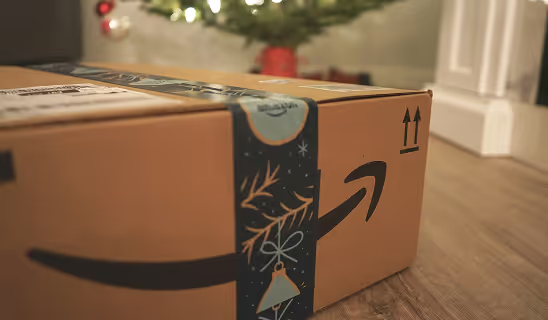
Close-up of an Amazon delivery box with holiday-themed tape placed on a wooden floor near a Christmas tree.

If you’re looking for products to sell on Amazon, it’s important to understand the fundamentals of product selection. Start by researching products with high demand and good margins; these will give you a better chance of success. You should also consider factors such as customer reviews and competition when choosing products to list. Once you’ve identified a product, you should conduct market research to ensure that there are no major obstacles in the way of success. Analyze registered brands sales performance to make sure you're making an informed decision.

Finally, look for existing products that can be improved upon or have potential for customization. This will give you a unique edge and help you stand out from competitors.

How to Create an Amazon Store?

If you’ve been successful with your listings, it might be time to take the next step and create an Amazon store. This is a great way to showcase your overall brand, highlight best-sellers, and make it easier for customers to find what they need.

First off, you’ll need to decide on a theme for your store. This should reflect your brand identity and be consistent with the colors and fonts used in your marketing materials. When creating high-quality visuals, such as banners and videos, ensure that all logos and brand assets follow Amazon's official guidelines for usage, size, and format. Consistent branding across your overall brand helps establish trust and credibility with customers, increasing consumer confidence and purchases.

Once you’ve created a successful Amazon store, you should focus on driving traffic. You can do this by running promotional campaigns, offering discounts and incentives, and optimizing your listings for relevant keywords. This will help ensure that customers find your store and make more purchases.

How to Build an Amazon Brand?

The Strategy, approach and process to building an Amazon brand isn’t very different from building a brand off of Amazon. You’ll want to start with research and analysis, your research should include identifying your direct and indirect competitors on the Amazon Platform. You’ll want to create a SWOT analysis and brand positioning maps to fully understand and analyze your competitors. In addition, you’ll want to research the top selling products within your industry and niche and analyze what makes the products so successful. You will also need to understand the demographics, psychographics, behaviours and geographic information of your target audience. All of this information will help you in the first phase of building your Amazon brand, which is brand positioning.

It’s important to note that Amazon has specific rules for branding, including clear space and minimum size requirements for logos to ensure brand consistency and visibility. Staying updated with new features and regularly reviewing Amazon Seller Central, as well as participating in Seller Forums, is essential to keep up with policy changes and maintain compliance with Amazon brand guidelines.

Positioning your Amazon Brand

Your brand positioning will include identifying the problem or problems that exists for your target audience and the solution you will be providing them with. From there, you will be able to come up with your brand purpose, your reason for existing, which will lead into your brand story and brand personality. You should analyze the key messages your competitors are using and identify and communicate your own unique key messages, which should encapsulate your brand pillars. In this phase of building your Amazon brand, you will also want to come up with a tagline, brand vision and branding strategy. Once your brand positioning is complete, you can move on to the visual identity of your Amazon brand.

Visual Brand Identity for your Amazon Brand

Your Amazon brand will require a unique visual identity that stands out from the competition, but also that your audience will love. This visual identity will include designing your own logo, color palette, typography, patterns, icons, illustrations, product photography and custom packaging design. When using Amazon brand marks, it is essential to follow Amazon brand guidelines: you must not re-create the logo artwork or remove elements from it. To maintain brand integrity, Amazon prohibits any alterations to its logo artwork, including changes to proportion, color, or the addition of elements, ensuring consistent visual branding across all platforms. When selecting a logo color option, always choose between white or squid ink to ensure the logo is legible and properly branded in all advertising materials. The Smile mark is generally not permitted for use by third-party sellers in promotional materials; instead, use the 'available at Amazon' logo as the permitted branding mark. For subscription benefit programs, the save logo and save logo subscribe should be used to promote these services, and it is important to adhere to minimum size and clear space requirements for proper branding placement and visibility. The look and feel of Amazon branded buttons are an integral aspect of maintaining brand consistency and identity in advertising, and improper use of branded buttons or vague calls-to-action can lead to customer confusion, which Amazon seeks to avoid. Amazon Brands usually design EBC pages, also known as A+ content, to portray their products and brand in a more professional and visually appealing way. The Amazon marketplace is highly competitive; you will need unique packaging that is high quality and different from other Amazon sellers. Your Amazon Stores functionality is limited, but by using a professional graphic designer or branding agency, you will be able to elevate the overall look and feel of your Amazon stores page and enhance the customer experience.

Want to learn more about brand platforms, Brand Strategy and Brand Identity? Keep reading!

If you need help with your companies brand strategy and identity, contact us for a free custom quote.

What is the Amazon Brand Registry?

Woman in a green shirt carefully placing clothes into a box in a workspace with shelves and packaging supplies.

The Amazon Brand Registry is a program designed to help protect your brand and increase visibility on the site. With this program, you can create a unique profile for your business and add additional information, such as product images and descriptions. This can help customers find your products more easily and make them more likely to purchase from you. You’ll also receive access to additional tools, such as the Amazon Reputation Manager, which can help you monitor and respond to customer feedback. Participation in the save program, such as Amazon's Subscribe & Save program, allows vendors to use the save badge logo in marketing materials to promote their involvement and build consumer trust. Third-party vendors and sellers are permitted to display the 'available at Amazon' logo in their ads without needing formal review or approval, while other uses of the Amazon brand require written approval.

How to become a Registered brand on Amazon?

The process for becoming a registered brand on Amazon is relatively straightforward. You'll need to provide some basic information about your business, such as company name and contact details. Once you're approved, you'll be able to list products as a Registered Brand and benefit from additional features, including personalized customer service and promotional opportunities.

What is Retail Arbitrage?

Retail arbitrage is a practice that involves buying products from one retail outlet and reselling them on another for a higher price. It's an attractive option for many sellers, as it can provide faster returns than other business models. However, it's important to remember that there are risks involved with this type of trading; you should always research potential products and suppliers thoroughly before committing to any purchases.

Amazon Arbitrage: What You Need to Know

Amazon arbitrage is a popular form of retail arbitrage, where sellers buy products from other retailers and resell them on the Amazon marketplace. This type of trading can be profitable but carries some risks; you should always research potential products and suppliers before investing any money. To get started in Amazon arbitrage, it's important to understand the Amazon selling fees, shipping times and other related costs. Once you have a solid understanding of the basics, you can start searching for products to resell and begin building your business.

How to Market and Sell your Products on Amazon?

Marketing and selling products on Amazon requires a combination of strategies. Use sponsored ads to increase visibility, optimize your product listings for maximum conversions, and take advantage of other promotional opportunities such as discount codes. All promotions must comply with Amazon’s guidelines, ensuring that promotional materials do not mimic or resemble Amazon content to avoid professional penalties such as ad rejections. Amazon branded buttons, such as 'Add to Cart,' 'Shop Now,' and 'Clip Coupon,' are primarily used in eCommerce ads and should not be used as general advertisement CTAs to avoid customer confusion. Instead, Amazon text link CTAs and text link CTA phrases are preferred for a clear distinction between site content and advertisements. Approved calls to action (CTAs) include terms like 'Shop now,' 'Learn more,' or 'See details.' All claims made in ads must be substantiated and align with the product detail page, and using language that implies endorsement of products by Amazon is prohibited. Violating Amazon’s advertising guidelines can result in ad disapproval and account suspension. You should also ensure that your customer service is up to scratch; responding quickly to queries and offering helpful advice will help you build trust with customers. Finally, use customer feedback to continually improve your product offering and maximize sales.

Amazon Ads

The Amazon search engine operates much differently than the google search and so you must use Amazon Ads to maximize your visibility on the site. Advertising on Amazon is a great way to target potential customers, build brand awareness and increase sales. You can run different types of ads including Sponsored Products, Sponsored Brands, and Product Display Ads. When creating ads, use advertisement CTA statements with approved phrases such as ‘Shop now,’ ‘Learn more,’ or ‘See details.’ Amazon text link CTAs and text link CTA phrases should use specific font styles and sizes—such as Frutiger 57 Condensed for small ads and Frutiger 67 Condensed for larger ads—to maintain brand consistency. The look and feel of Amazon branded buttons are an integral aspect of maintaining brand consistency and identity in advertising, and these buttons are typically not used as generic CTAs except in specific eCommerce ad contexts. With these strategies you can reach more customers in less time and start generating more sales from day one.

These are just a few of the strategies you can use to start building and promoting your business on Amazon. With the right approach, you’ll be able to create a successful brand that stands out from the competition and drives more sales.

Understanding your Brand Analytics on Amazon

Analyzing your brand analytics on Amazon is essential for gaining insights into the performance of your store. Your Amazon dashboard will provide you with a variety of metrics, such as sales figures and customer reviews, which can help you understand what's working and where improvements are needed. Paying close attention to these metrics will enable you to optimize your business model and make data-driven decisions that can help you increase sales.

By following the above advice and staying up to date with Amazon's ever-evolving offerings, you can ensure your business is well placed to succeed on the platform.

How Customer Engagement Impacts your Amazon Listings?

Customer engagement is an important part of growing and sustaining a successful Amazon business. Encouraging customers to leave reviews, respond to queries, and provide feedback on your products can help you build trust with potential buyers. In addition, engaging customers will also enable you to identify areas for improvement in your product offering.

How to Automate your Amazon Business?

Man in a white t-shirt opening a package while sitting on the floor in a cozy, decorated living space.

Automation can help you streamline your Amazon business and save time. To get started, you should look into automation software such as Fulfillment by Amazon (FBA) and Vendor Central. Use these tools to manage orders, track inventory and automate other tasks. You should also consider outsourcing certain aspects of your business; there are a range of services available to help with product photography, copywriting and customer service. Automating your business processes will free up time for other tasks and make it easier to scale your operations.

Product Launches on Amazon

Launching a product on Amazon is quite different than launching a product off of Amazon. Your Amazon store should be optimized for peak performance during the launch window, and you’ll need to plan ahead in order to ensure success. Create an effective product listing and make sure your content corresponds with the keywords used by potential customers. You should also run promotional campaigns such as sponsored ads and discount codes to increase visibility and drive more sales.

Amazon Branding Tips

Finally, there are some key branding tips to keep in mind when selling on Amazon. Use consistent branding across all your product listings and make sure you use high-quality images that accurately represent your product. Amazon's strict guidelines require the use of localized versions of logos where appropriate, ensuring regional relevance and compliance. Amazon also provides guidance on minimum size and quality requirements for all visual elements, including logos and imagery—for example, the minimum size for the stacked 'available at Amazon' logo must be no smaller than 0.75 inches wide for print, 90 px for 1x resolution screens, or 180 px for 2x resolution screens. Developing a unique brand voice can also help you stand out from the competition and make your business more recognizable.

Final Thoughts and Conclusion on How to Create a Amazon Brand

Brand owners face a unique set of challenges when building and promoting their business on Amazon. The key to success is being strategic, staying up to date with the platform’s offerings and leveraging automation wherever possible. With the right approach and understanding of the Amazon marketplace, you can create a successful brand that stands out from the competition and drives more sales. You’ll want to ensure you are setup in the amazon brand registry and have the right tools and strategies in place to stay ahead of the competition. You need to know and understand your customer demographics and build an Amazon store that has rich content, multiple product pages, collection pages and is optimized for high conversion rates. When you build your brand on Amazon, you’re setting your business up for success in the long run.

Proper usage of Amazon brand elements, such as logos and brand phrases, is essential to maintain brand integrity and ensure consistency across all marketing materials. Using Amazon brand phrases or logos in advertising may require approval from an account representative to comply with Amazon's Brand Guidelines. Adhering to these guidelines is crucial for maintaining a consistent brand image, building trust with customers, and protecting your business from potential penalties, including account suspensions or other enforcement actions.

Are you looking for assistance with creating an Amazon Brand? Look no further than Branded Agency. We are a full-service digital marketing and branding agency that caters to startups and small businesses. Our experienced team of professionals has worked with some of the top 1% brands on Amazon, helping them surge from $0 to 8 figures in just a few years! Reach out today for your complimentary quote - don’t miss this unique opportunity!

An image of the author Sloane Avery

Sloane Avery

As entrepreneurs, they’ve built and scaled their own ventures from zero to millions. They’ve been in the trenches, navigating the chaos of high-growth phases, making the hard calls, and learning firsthand what actually moves the needle. That’s what makes us different—we don’t just “consult,” we know what it takes because we’ve done it ourselves.

Want to learn more about brand platform?
If you need help with your companies brand strategy and identity, contact us for a free custom quote.

We do great work. And get great results.

DrTung’s
Breathed new life into a storied oral care brand with a smarter site and marketing for scalable growth.

+2.3x
Increase in revenue YoY

+126%
Increase in repurchase rate YoY

READ MORE
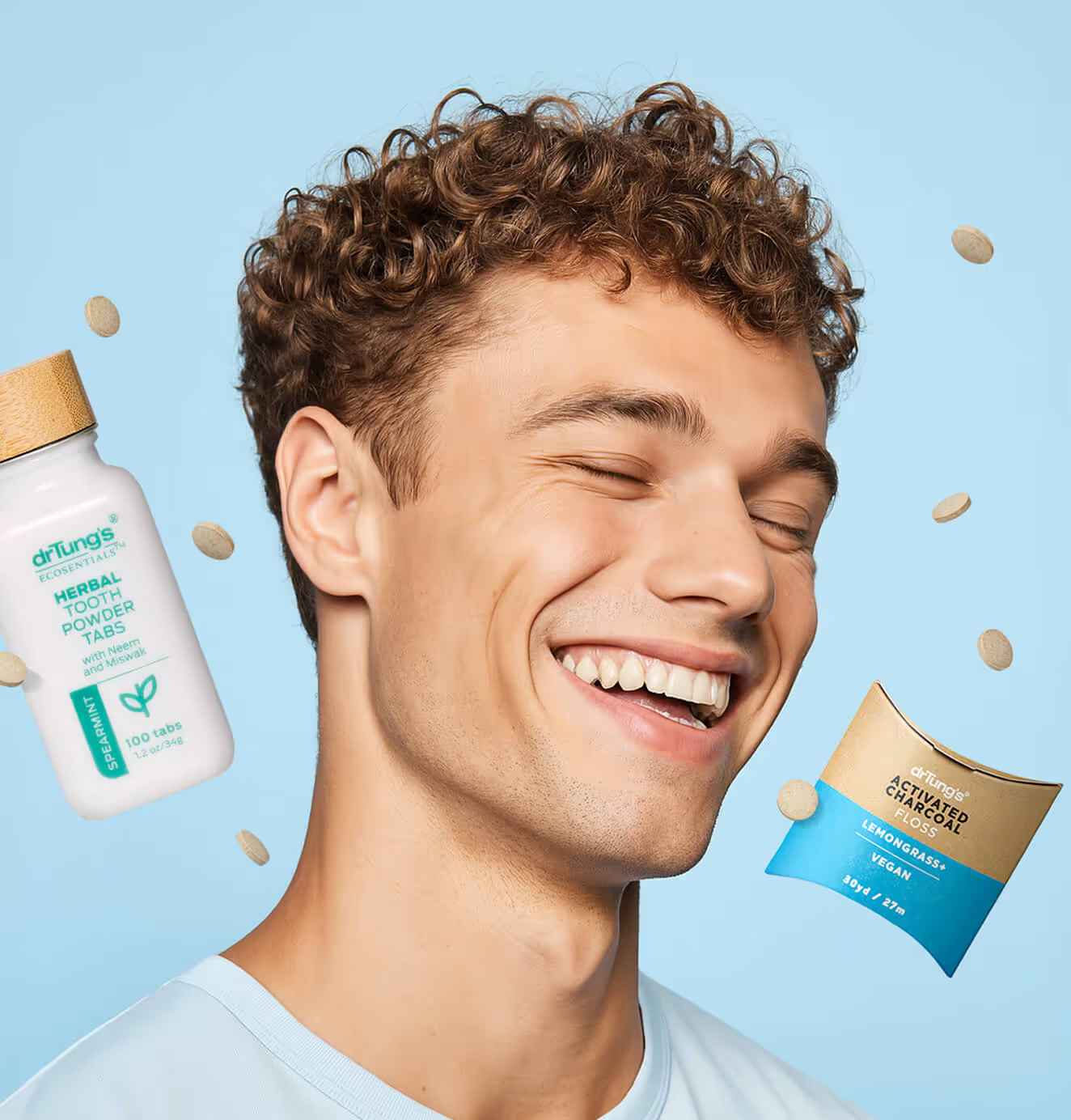
Smiling man with bright teeth on a light blue background, surrounded by floating DrTung’s herbal tooth powder tabs and packaging.
Smartphone on a textured blue surface displaying a DrTung’s ad with the text “Make the Switch” and an image of a woman holding herbal tooth powder tabs.
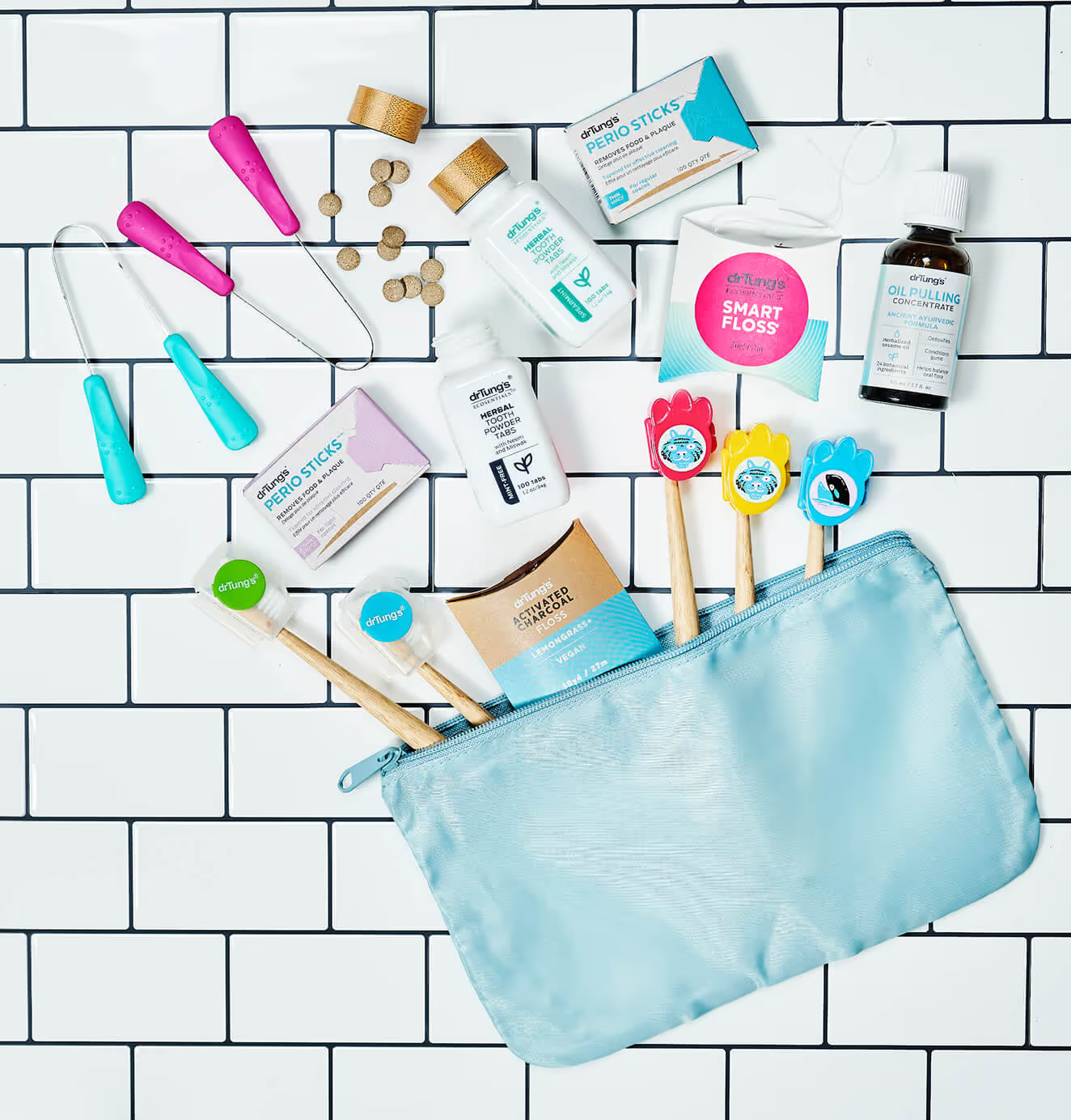
Flat lay of DrTung’s oral care products, including floss, tooth powder tabs, perio sticks, tongue cleaners, and toothbrushes, arranged with a blue pouch on white tile.
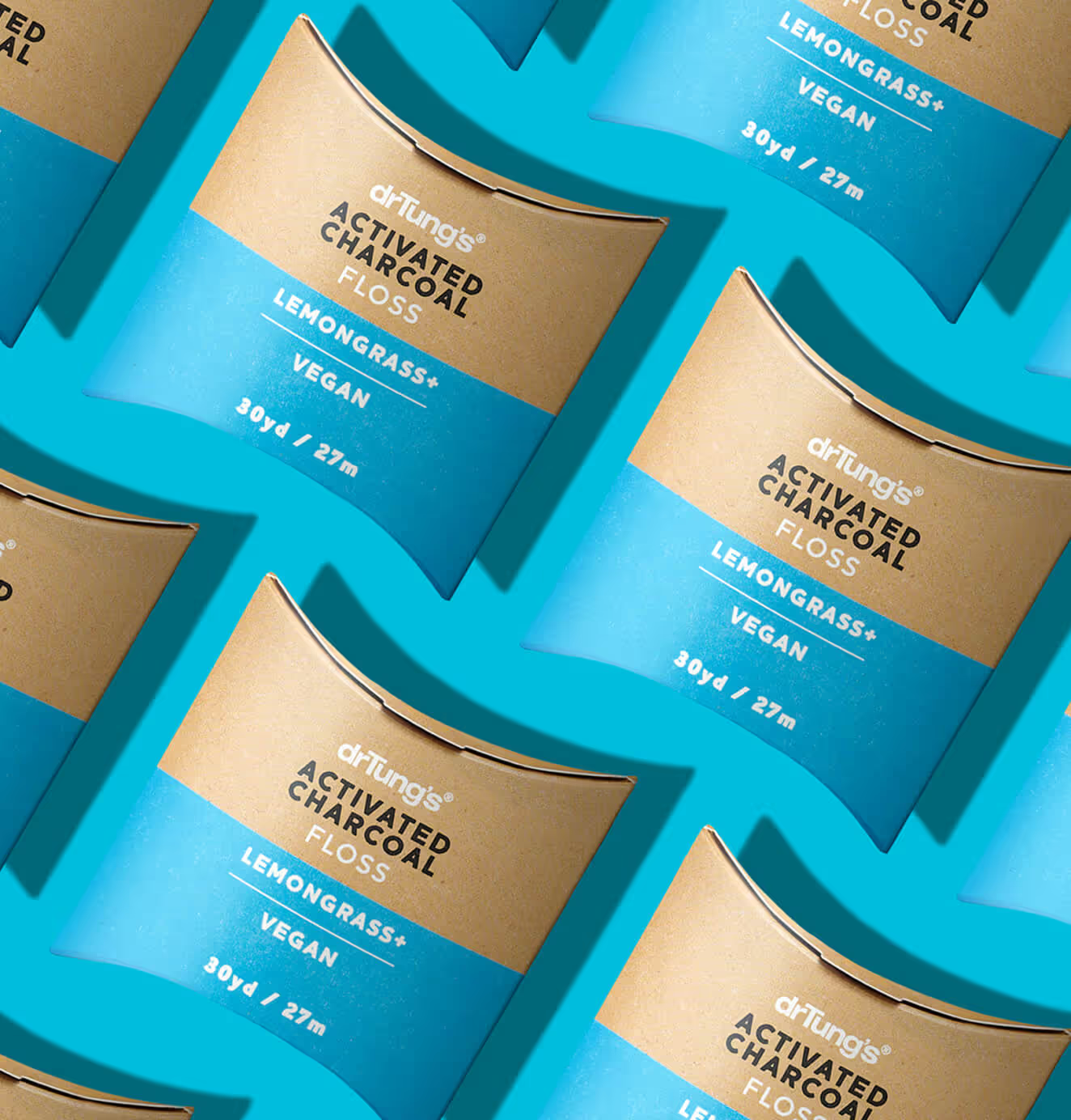
Pattern of DrTung’s Activated Charcoal Floss in brown and blue packaging, arranged diagonally on a bright blue background.
Smiling man with bright teeth on a light blue background, surrounded by floating DrTung’s herbal tooth powder tabs and packaging.
Smartphone on a textured blue surface displaying a DrTung’s ad with the text “Make the Switch” and an image of a woman holding herbal tooth powder tabs.
Flat lay of DrTung’s oral care products, including floss, tooth powder tabs, perio sticks, tongue cleaners, and toothbrushes, arranged with a blue pouch on white tile.
Pattern of DrTung’s Activated Charcoal Floss in brown and blue packaging, arranged diagonally on a bright blue background.
Mary Louise Cosmetics
Scaled a heritage-inspired clean beauty brand with modern performance marketing and farm-to-face storytelling.

+93%
Revenue growth in first 90 days

+144%
Increase in attributed revenue

READ MORE
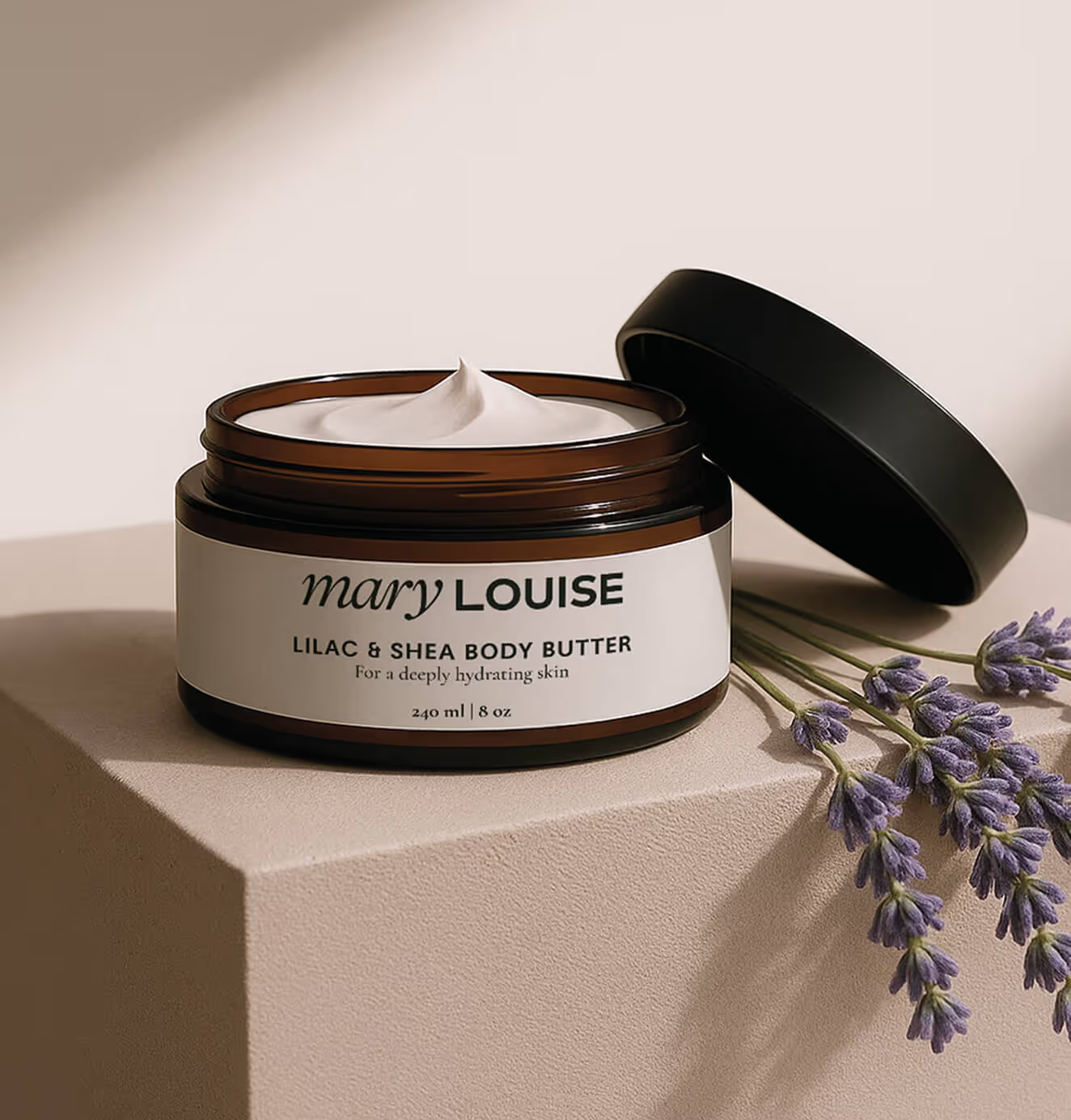
A jar of Mary Louise Lilac & Shea Body Butter with the lid open, showing creamy texture, placed on a beige surface beside sprigs of lavender.
A Mary Louise Miracle Serum bottle with a dropper cap, lying on a bed of small yellow flowers.
Mary Louise promotional print materials featuring the body butter, with images of skincare application and product photography on a textured beige background.
A close-up overhead view of multiple Mary Louise Miracle Serum bottles with yellow dropper caps arranged tightly together.
A jar of Mary Louise Lilac & Shea Body Butter with the lid open, showing creamy texture, placed on a beige surface beside sprigs of lavender.
A Mary Louise Miracle Serum bottle with a dropper cap, lying on a bed of small yellow flowers.
Mary Louise promotional print materials featuring the body butter, with images of skincare application and product photography on a textured beige background.
A close-up overhead view of multiple Mary Louise Miracle Serum bottles with yellow dropper caps arranged tightly together.
Eyecart
Made eye care feel modern, then marketed it like a DTC darling—with the results to match.

+91%
Increase in conversion rate

+46%
Increase in AOV

READ MORE
A smiling woman holds a magnifying lens with the word "eyecart" printed on it over her eye, creating a playful optical effect against a mint green background.
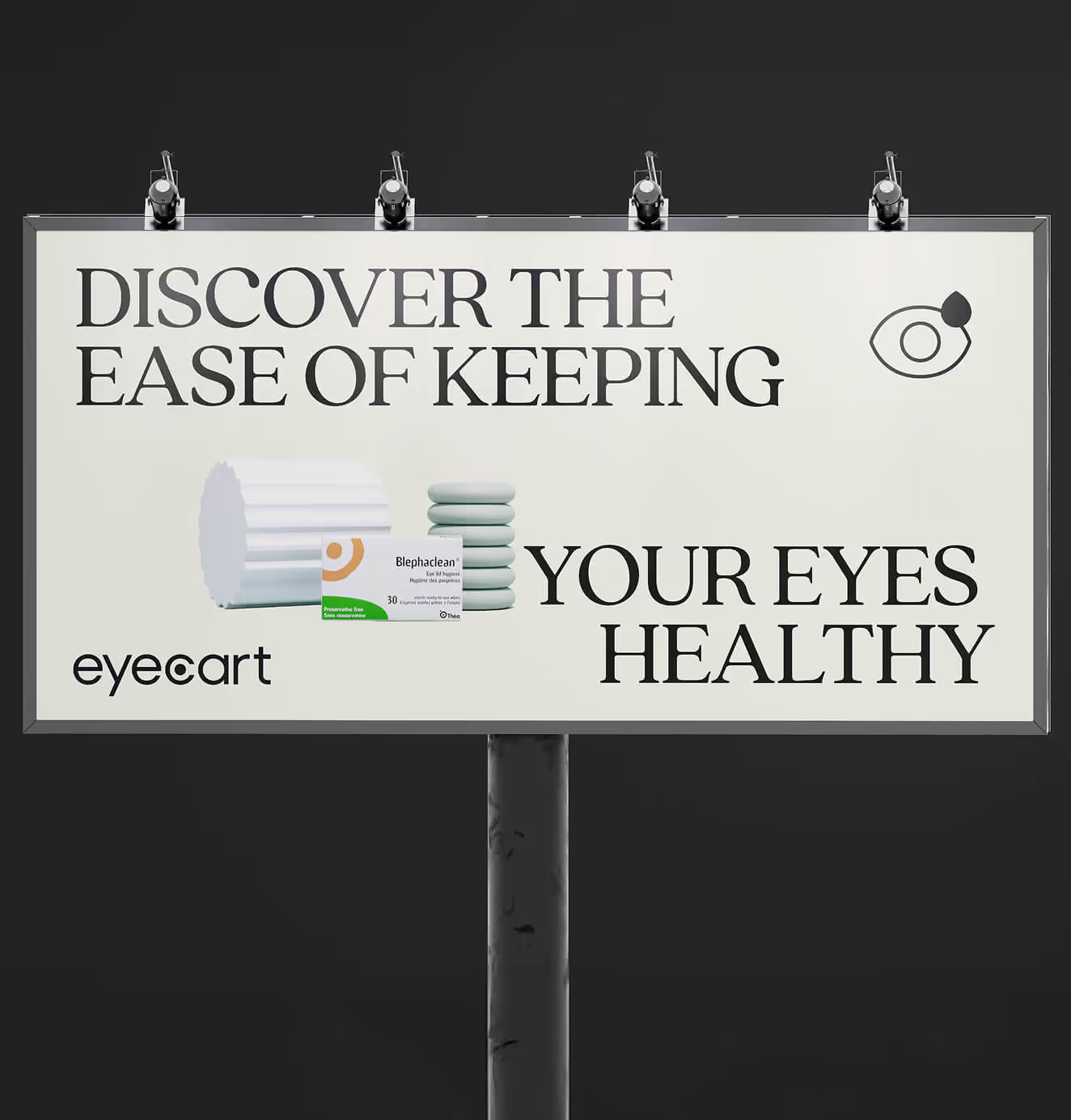
A billboard ad reads “Discover the ease of keeping your eyes healthy,” featuring Eyecart branding and Blephaclean eye care wipes packaging.
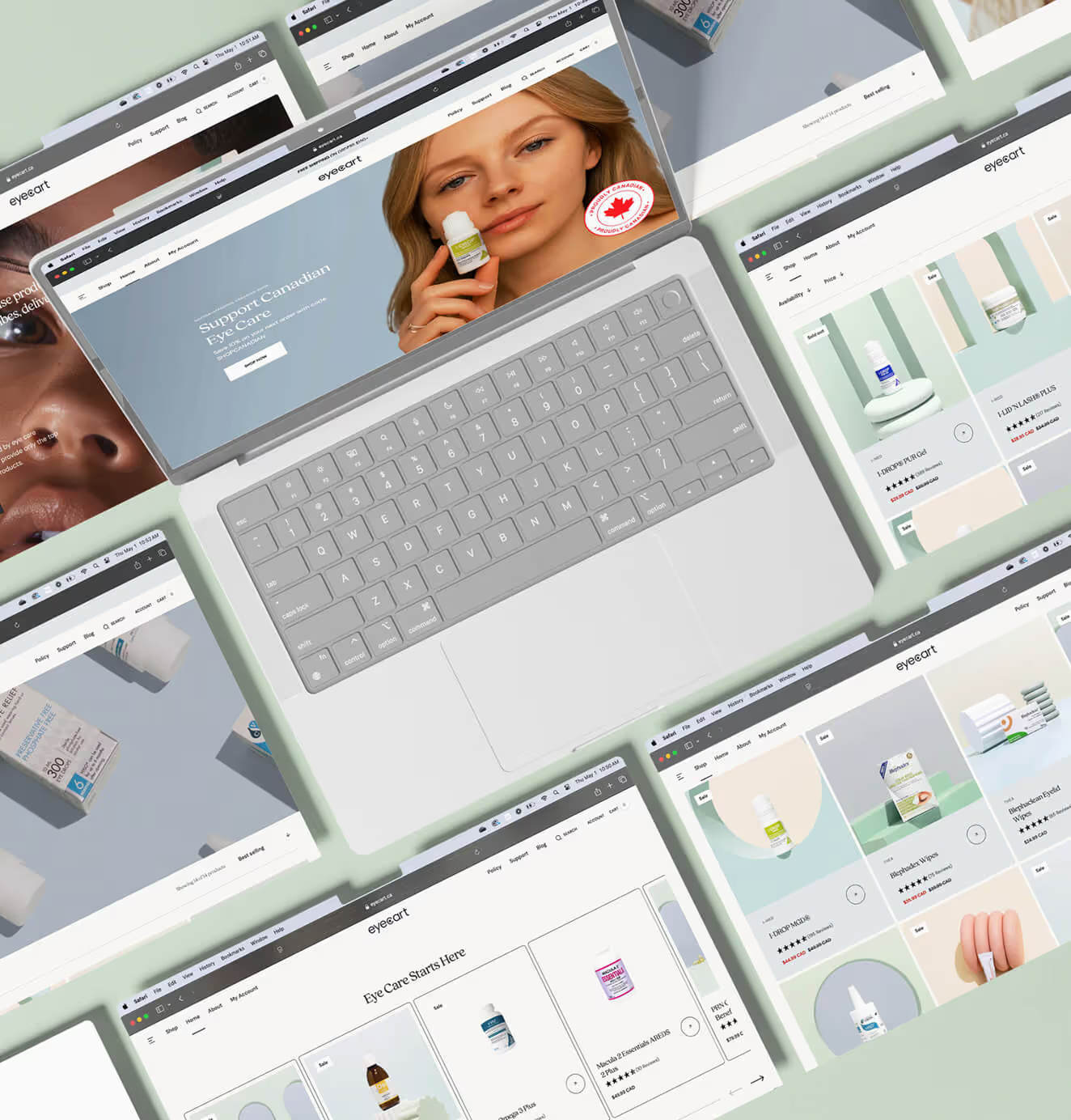
Multiple laptop screens display the Eyecart website, showcasing product pages and banners promoting eye care items.
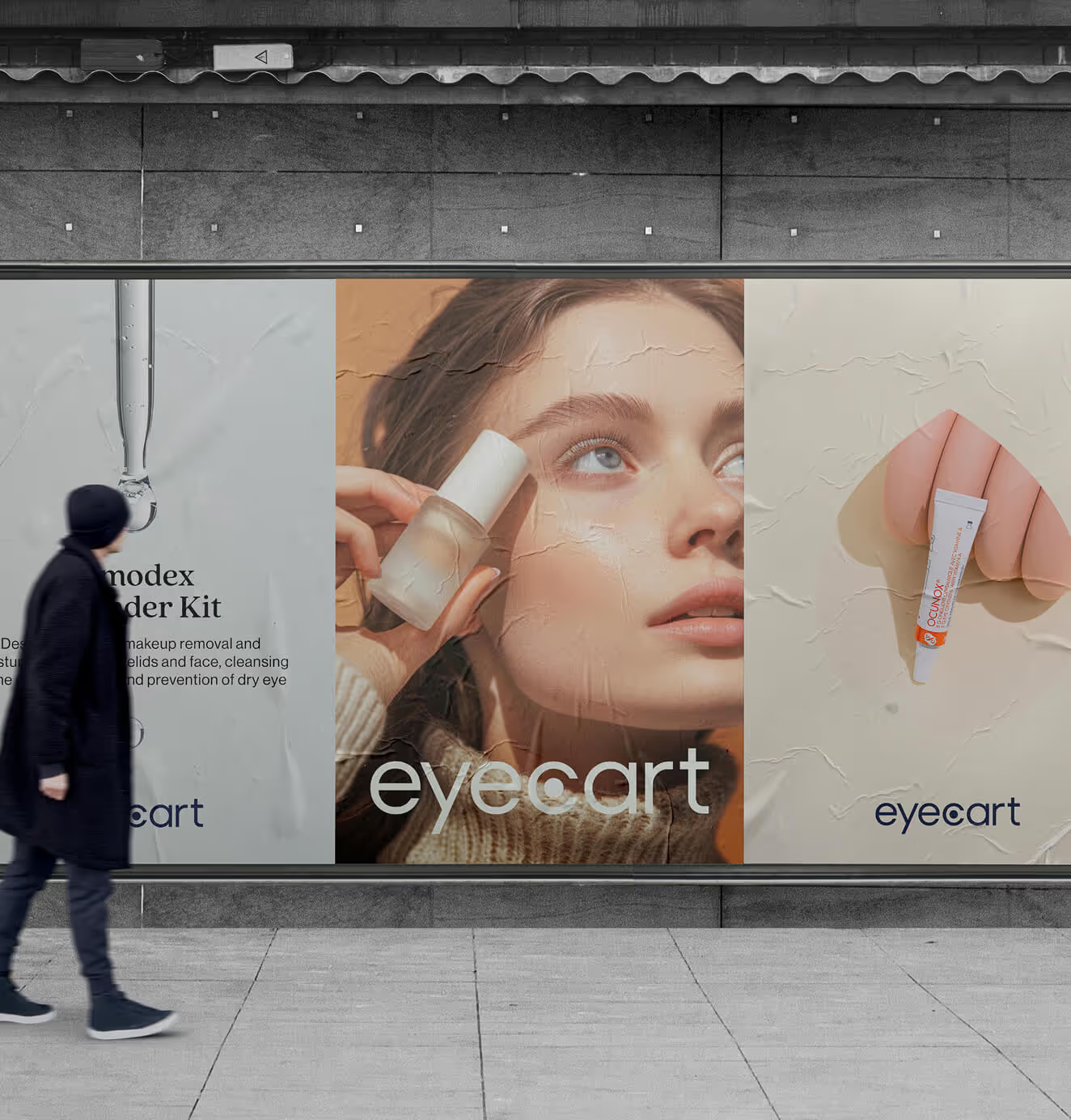
A person walks past large Eyecart posters on a city wall, featuring product photography of eye care serums and creams with clean, modern branding.
A smiling woman holds a magnifying lens with the word "eyecart" printed on it over her eye, creating a playful optical effect against a mint green background.
A billboard ad reads “Discover the ease of keeping your eyes healthy,” featuring Eyecart branding and Blephaclean eye care wipes packaging.
Multiple laptop screens display the Eyecart website, showcasing product pages and banners promoting eye care items.
A person walks past large Eyecart posters on a city wall, featuring product photography of eye care serums and creams with clean, modern branding.
Lucky Girl Rosé
We turned a zero-carb rosé into a lifestyle brand that makes every moment worth celebrating.

+200%
Increase in conversion rate

+688%
Increase in attributed revenue

READ MORE
A bottle of Lucky Girl rosé wine nestled among pink and white flowers in a rustic outdoor setting.
Lucky Girl rosé wine on a red-and-white checkered picnic blanket with cherries, strawberries, sunglasses, and a pink notebook titled The Lucky Club.
A wine glass filled with rosé on a gold tray surrounded by hands with red-painted nails, overlaid with the text “Pour yourself some luck.”
A bottle of Lucky Girl rosé wine with floral label design, dramatically lit against a soft pink background with a shadow cast.
A bottle of Lucky Girl rosé wine nestled among pink and white flowers in a rustic outdoor setting.
Lucky Girl rosé wine on a red-and-white checkered picnic blanket with cherries, strawberries, sunglasses, and a pink notebook titled The Lucky Club.
A wine glass filled with rosé on a gold tray surrounded by hands with red-painted nails, overlaid with the text “Pour yourself some luck.”
A bottle of Lucky Girl rosé wine with floral label design, dramatically lit against a soft pink background with a shadow cast.