Stop Costly Rebrands: Legal First Brand Naming Workflow
11/03/2026
Brand Strategy
Learn how to build a legally defensible brand naming strategy, avoid trademark conflicts, and choose a memorable name that supports long-term growth.
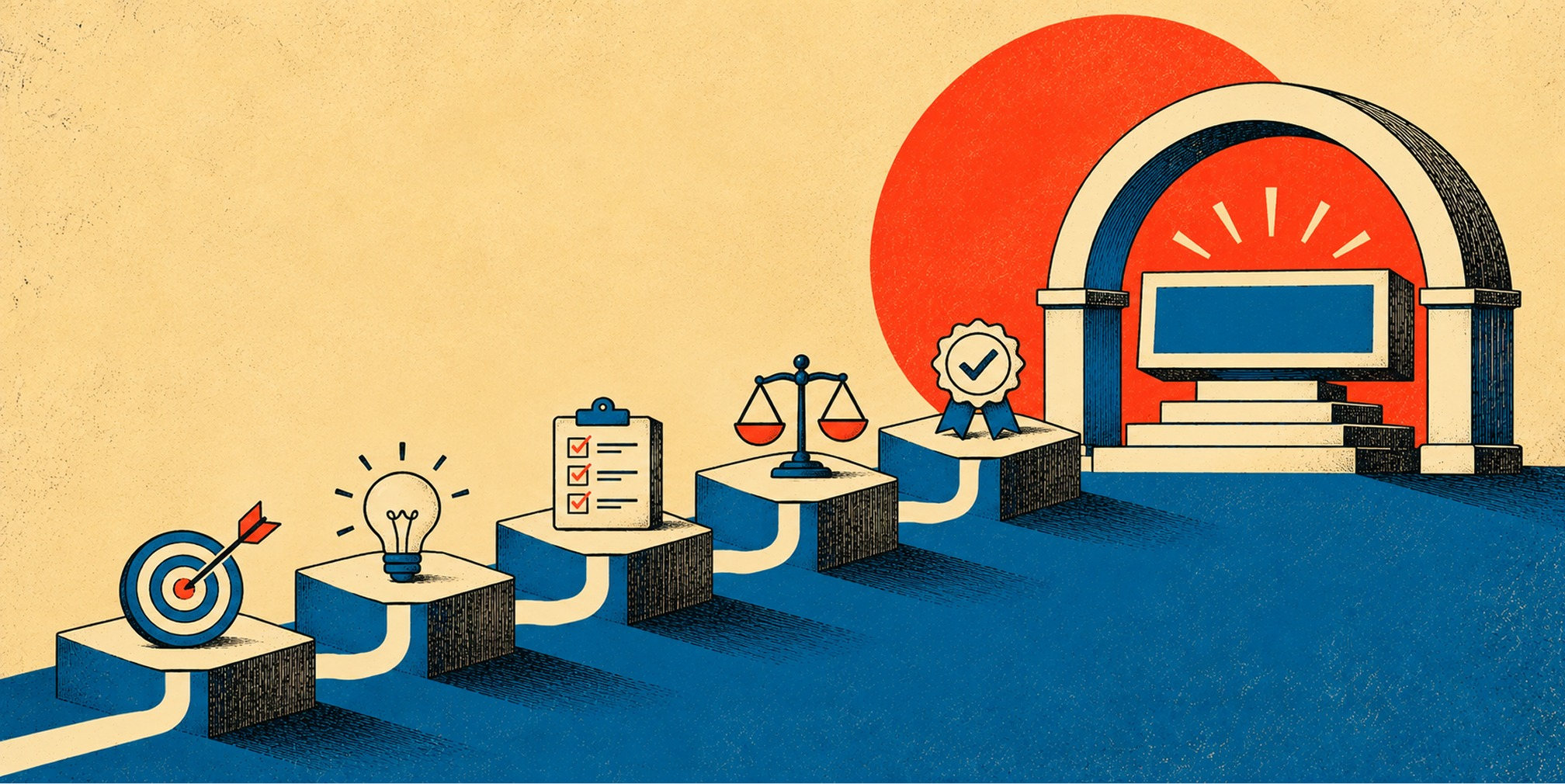
A defensible brand naming process runs in six stages: brief, generate, evaluate, clear, validate, select and launch. The order matters more than the creativity. Trademark clearance has to happen before you fall in love with a name, and testing has to happen before you sign a lease on a logo. Skip either step and you’re not naming a brand. You’re gambling with rebranding costs later.


What Is the Brand Naming Process, and What Makes a Name Strong?

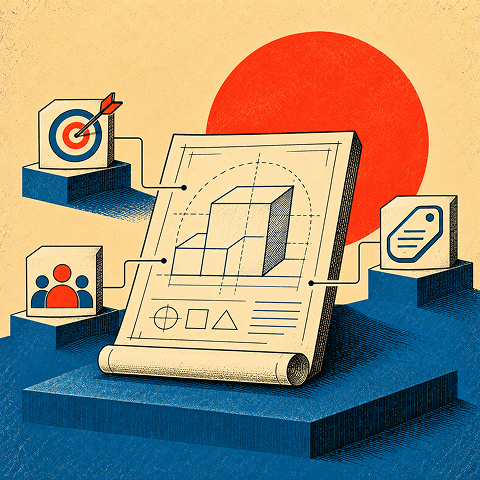
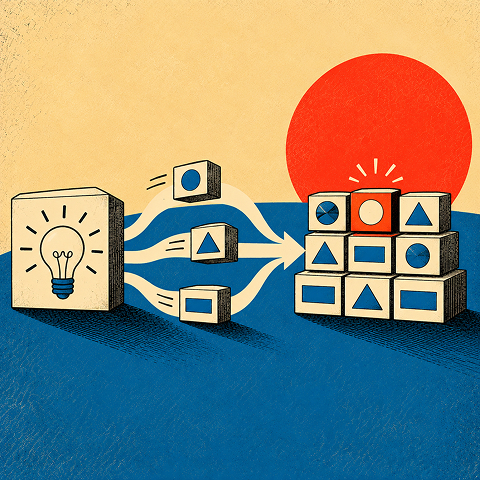
Brand naming is strategic work disguised as wordplay. The name you choose becomes the foundation every future customer touchpoint gets built on, from the domain you buy to the trademark you defend to the jokes people make about your product on social media. Treating it as a five-minute brainstorm at the end of a branding project is how companies end up paying six figures to rename themselves eighteen months after launch.
Names generally fall into four categories, and where a name lands on that spectrum determines how hard it is to protect. Fanciful names (invented words like Kodak or Xerox) and arbitrary names (real words used out of context, like Apple for computers) offer the strongest trademark protection. Suggestive names hint at a benefit without describing it outright and sit in the middle. Descriptive names state what the product does, and the USPTO’s guidance on strong trademarks confirms these are significantly harder to register and defend, because trademark law protects distinctiveness, not accurate description.
Beyond legal strength, a name earns its place in your brand strategy by hitting four measurable attributes:
• Memorability: Can someone remember the name after a single exposure without needing a visual reminder?
• Pronunciation and spelling: Can people say it aloud, search for it, and pass it along accurately?
• Relevance and distinctiveness: Does it evoke the intended positioning without becoming a generic description?
• Flexibility: Will the name still make sense if the company expands products, audiences, or markets?
Miss any one of these and the name becomes friction. Friction compounds every time someone tries to search for you, recommend you, or spell your company name in an email.
How Do You Build a Naming Brief Before You Start Generating Names?
A naming brief is the single document that keeps twelve people from generating forty different kinds of names for forty different reasons. Skip it, and your longlist becomes a mess of unrelated concepts nobody can evaluate against a shared standard.
Build the brief around these components, answered in order:
• Business and positioning: State the offer, category, differentiation, target buyer, and future growth ambition.
• Naming objective: Define the perception the name should create and the specific business problem it must solve.
• Audience and geography: Identify languages, markets, cultural checks, and any planned international expansion.
• Creative territories: List useful metaphors, tones, vocabulary, and categories to explore or explicitly avoid.
• Constraints: Define prohibited words, trademark jurisdictions, domain priorities, length and pronunciation requirements.
• Decision process: Name the approver, evaluators, scoring rubric, review milestones, and legal counsel.
Set your trademark and domain constraints as hard filters before anyone writes a single name. If your positioning strategy depends on a .com domain and a clean U.S. federal register, say so in the brief. It saves your team from generating fifty names that fail your own rules on day one.
Pro Tip: Name one decision-maker before ideation begins, not after the shortlist is built. A naming workshop with eight equal votes rarely produces a name. It produces the option nobody hated, which is a very different thing from the option that works.
How Do You Generate a Strong List of Name Candidates?
Volume protects you. Practitioner consensus on the naming strategy sequence is brief, generate, evaluate, clear, validate. Many agencies generate hundreds of candidates before shortlisting anything, precisely because a shallow list biases the process toward whatever ideas surfaced first in the room. Founders naming their own company solo tend to stop at ten or twenty options and anchor on the first name that sounds decent. That’s how you end up defending a mediocre name in month six instead of picking a stronger one in week one.
A handful of systematic techniques generate more useful candidates than free-associating in a Slack channel:
• Descriptive territory mapping: Build word banks around the customer problem, benefit, and point of difference.
• Metaphor and analogy: Explore images or ideas that express the desired experience without literally naming the product.
• Word construction: Combine roots, abbreviate phrases, or invent pronounceable new words.
• Language exploration: Explore relevant linguistic roots only with native-speaker and cultural review.
• Contrast exercises: Generate candidates in distinct tones, such as technical, human, premium, or playful, before narrowing.
• AI-assisted expansion: Use generated candidates for brainstorming, then manually screen every finalist for originality and risk.
AI tools have earned a real place in this stage, but only as a volume engine. Large language models can produce hundreds of candidates in minutes, riff on word maps faster than a human team, and surface combinations nobody in the room would have typed manually. What AI tools cannot do its own the shortlist. Cultural nuance, trademark risk, and category fit still require human judgment applied deliberately, not delegated to whichever tool generated the list. Use AI to widen the funnel, then hand the narrowing work to the people who understand your positioning.
How Do You Evaluate and Shortlist Brand Name Candidates?
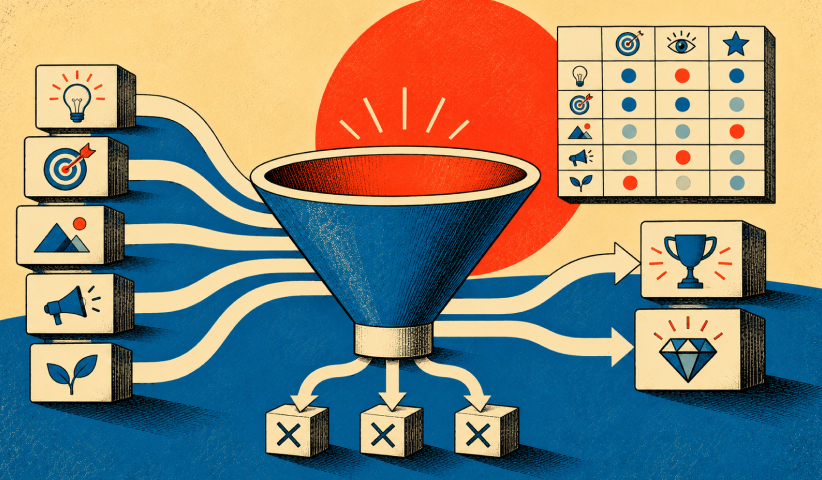
A defensible evaluation process scores every candidate against the same criteria instead of letting the loudest person in the room decide by gut feel. The naming strategy guide from Marketful recommends a multi-criterion scoring system specifically to avoid group voting bias, and it’s the single biggest difference between a rushed naming decision and one you can defend to a board later.
Score every name on these five criteria, typically on a 1 to 5 scale:
• Strategic fit: Does it express the positioning and attract the right audience?
• Distinctiveness: Does it stand apart from nearby competitors and generic category terminology?
• Memorability: Can participants remember it and recognize it after a delay?
• Ease of use: Is it easy to pronounce, spell, hear, and type in intended markets?
• Growth potential: Can it extend to future offers and geographies without confusion?
Before scoring even starts, run knockout filters that eliminate names outright regardless of how well they score creatively: obvious trademark conflicts, offensive meanings in any target market, and names that consistently trip people up on pronunciation in casual testing. Set your shortlist threshold in advance, typically the top three to five scorers, so the evaluation session ends with a clear next step instead of another round of debate.
How Do You Clear a Brand Name for Trademark Conflicts?
Clearance is the stage that turns a favorite name into a legally usable one, and it happens before you announce anything internally beyond your immediate team. Skipping it, or treating a Google search as sufficient due diligence, is the single most expensive mistake in this entire process.
Start with a knockout search, which the USPTO’s federal trademark searching guide describes as the fastest way to eliminate obvious conflicts before investing more time:
• Search the USPTO trademark database for identical and similar-sounding names, not only exact matches.
• Review related goods and services and potentially conflicting marks, including pending applications.
• Search relevant web results, app stores, industry directories, and common-law business uses.
• Log findings and immediately remove obvious conflicts from the shortlist.
• Escalate survivors to comprehensive clearance and attorney review; a search result alone is not legal permission to use a name.
If a name survives the knockout round, move to a comprehensive search. This is where you check the full picture, not just the obvious federal database. A thorough comprehensive clearance search covers the USPTO federal register, the Trademark Official Gazette, state trademark registries, common-law uses that never got federally registered, and international databases like the WIPO Global Brand Database if you plan to operate outside the United States. Missing any one of these layers is how companies discover a conflict after they’ve already printed packaging.
A pre-filing clearance process typically bundles knockout checks, a comprehensive federal search, state and common-law searches, domain and social handle checks, and a likelihood-of-confusion analysis into one written opinion, according to Teak IP Services’ breakdown of the clearance workflow.
Hire a U.S.-licensed trademark attorney once your name survives your own knockout and comprehensive searches, especially if you plan to register federally or operate in a regulated industry. An attorney’s opinion letter analyzes likelihood of confusion the way a court would, factoring in mark similarity, goods and services overlap, and channels of trade. It’s the document you want in hand before you spend real money on brand assets, and it’s the document you’ll wish you had if a competitor ever challenges your registration.
Free Brand Health Audit
Make sure your brand is built to sell
Search has changed. Your customers aren't just Googling anymore. They're asking ChatGPT, Perplexity, Gemini and other AI platforms what to buy, who to trust and which brands they should consider.
If your brand isn't showing up clearly in those answers, you're already losing opportunities. Our free Brand Health Audit shows you where your brand stands across traditional search, AI search and brand positioning.

Sample brand audit
Live preview
Traditional search
72
AI search (GEO)
34
Brand positioning
58
When Should You Check Domain and Social Handle Availability?
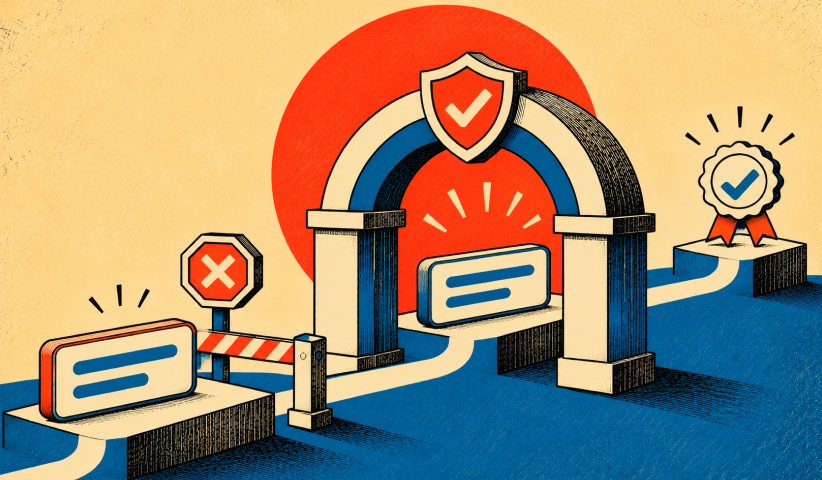
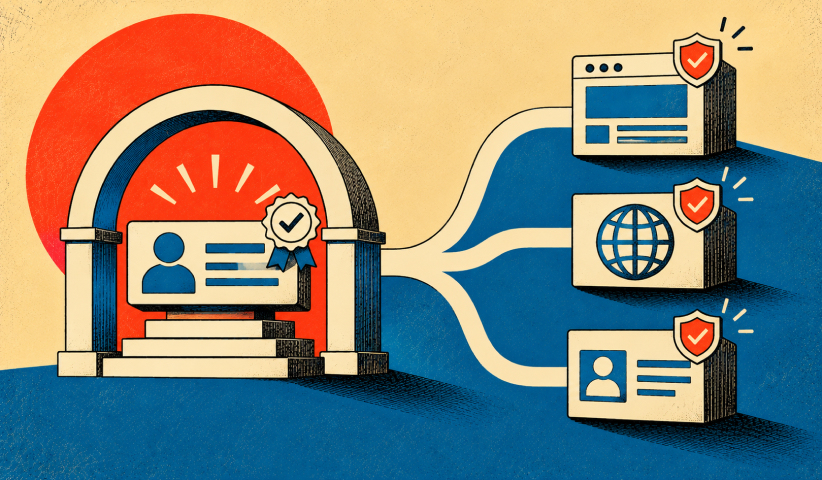
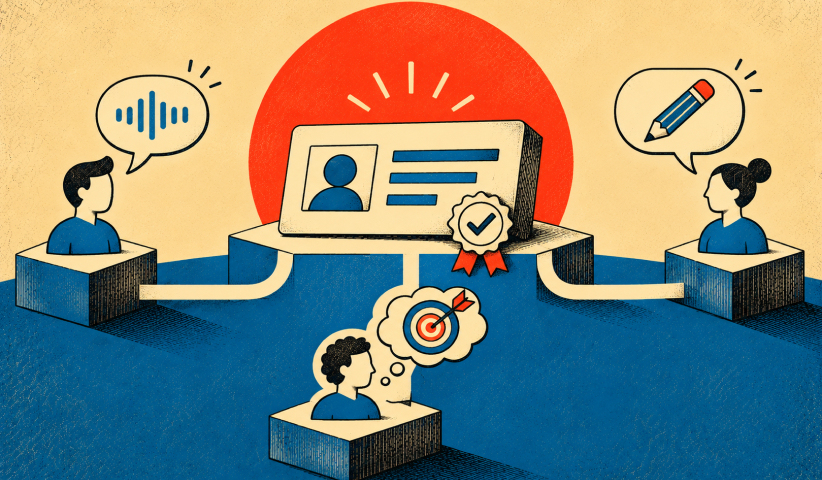
Domain availability feels urgent, but it belongs after trademark clearance in a properly sequenced process. A trademark held by a competitor in your product category makes domain availability irrelevant, because you can’t build a defensible brand on a name you don’t have the legal right to use, no matter how clean the .com looks. The naming strategy guide’s take on sequencing is blunt about this: check the legal risk first, then check the practical availability.
Once a name clears trademark review, these alternatives are worth accepting rather than abandoning an otherwise strong candidate:
• A clear, short alternative top-level domain when your buyers already use it.
• A simple modifier such as “get” or a descriptive industry word, provided it does not confuse users or create new legal risk.
• A consistent primary domain paired with clear redirects from sensible variations.
• Social handles with a short, recognizable modifier, applied consistently across key platforms.
Pro Tip: Register your primary domain and core social handles the same week your name clears trademark review, even if launch is months away. Defensive registration is inexpensive insurance against a competitor or squatter grabbing your name the moment it becomes visible.
How Do You Test a Brand Name Before Finalizing It?
Testing catches the failures that scoring sessions miss, because a name can look great on a slide and fall apart the moment a real person tries to say it out loud. Build your validation protocol around three checks, run in this order:
• First-impression check: Show the name without explanation and ask what type of company or product it suggests.
• Pronunciation and spelling check: Ask participants to say it aloud, then write it after hearing it.
• Delayed recall check: After a reasonable delay, ask them to recall the name unaided and describe what they remember.
A useful pass/fail threshold from that same guidance: fewer than 7 correct recalls out of 10 signals a retention problem worth taking seriously, not dismissing as a small sample fluke. If your name clears recall but fails spelling, don’t discard it outright. Test whether a tagline, a phonetic respelling, or consistent visual treatment can close the gap before you abandon a name that scored well everywhere else. Re-run the test with a fresh sample after any fix, since testing the same group twice just measures memorization, not real-world performance.
What Mistakes Sink a Brand Naming Process, and What Should You Check Before Launch?
Most naming failures trace back to a handful of repeatable process errors, not bad creative instincts. According to Entrepreneur’s breakdown of naming mistakes, the most common ones are involving too many stakeholders in the final call, falling in love with a name before it’s cleared, skipping the trademark search entirely, and never testing pronunciation or spelling before launch. Each one is avoidable with the process outlined above, and each one gets expensive fast once marketing materials, signage, and packaging are already printed.
Run this checklist before you announce anything publicly:
Before launch, retain the following records:
• Trademark clearance opinion or documented search summary: Record search scope, risks, and counsel’s conclusions.
• Approved naming brief and scorecard: Preserve the criteria, decision-makers, and final rationale.
• Validation findings: Keep anonymized pronunciation, recall, spelling, and market-language results.
• Domain and social account confirmations: Record ownership, renewal contacts, and registration dates.
• Launch approvals and asset inventory: Keep final sign-offs and the list of products, contracts, channels, and materials to update.
Keep every one of these documents past launch. If a trademark dispute ever surfaces, your paper trail is what demonstrates you did the work, not just that you liked the name.
How Does an Agency Handle Naming Inside a Full Brand Engagement?
Naming rarely happens in isolation. It’s treated as one input into a brand strategy that also covers positioning, visual identity, and how the name performs once it’s live in paid media and organic search. That’s the practical meaning behind brand-backed performance: a name only earns its keep once it’s tested in market, not just approved in a conference room.
A typical engagement produces a specific set of deliverables clients can point to and use:
• Approved naming brief with target audience, positioning, constraints, and decision criteria.
• Documented longlist, shortlist, and scored rationale explaining why finalists survived.
• Preliminary knockout research with referrals to qualified trademark counsel for legal clearance.
• Audience validation results covering comprehension, pronunciation, spelling, and recall.
• Final naming recommendation and messaging rationale, followed by an organized asset and launch handoff.
The advantage of running naming inside a full-service engagement isn’t just convenience. It’s that the same team that named your brand also builds the site, the paid campaigns, and the retention flows that name has to perform inside. A name chosen without that context tends to look good on a slide and struggle everywhere the business actually needs it to work.
What Should You Do Right Now to Start Naming Your Brand?
Start with the five moves that carry the most weight: write the brief, run a knockout trademark search on your top instincts, generate a long list using at least two ideation techniques, score and shortlist using the five-criterion rubric, then clear and test your finalists before you commit to anything public.
• Week 1: Align on audience, differentiation, jurisdictions, and decision-maker in one naming brief.
• Week 2: Generate diverse candidates and eliminate obvious conflicts or usage problems.
• Week 3: Score and shortlist candidates, then commission appropriate professional clearance.
• Week 4 and beyond: Test legally viable finalists, approve the name, secure relevant assets, and plan launch; legal review may require more time.
DIY works for early-stage founders with time, a modest budget, and a name that’s unlikely to face international expansion soon. Bring in outside help once real money is on the line: a funding round, a product launch with hard deadlines, or any plan to operate across multiple countries. At that point, a branding agency or a trademark attorney isn’t an added cost. It’s the thing standing between you and a rebrand eighteen months from now.
Want to learn more about brand platforms, Brand Strategy and Brand Identity? Keep reading!
If you need help with your companies brand strategy and identity, contact us for a free custom quote.
Why Do Some Brand Names Feel Instantly Trustworthy While Others Don’t?
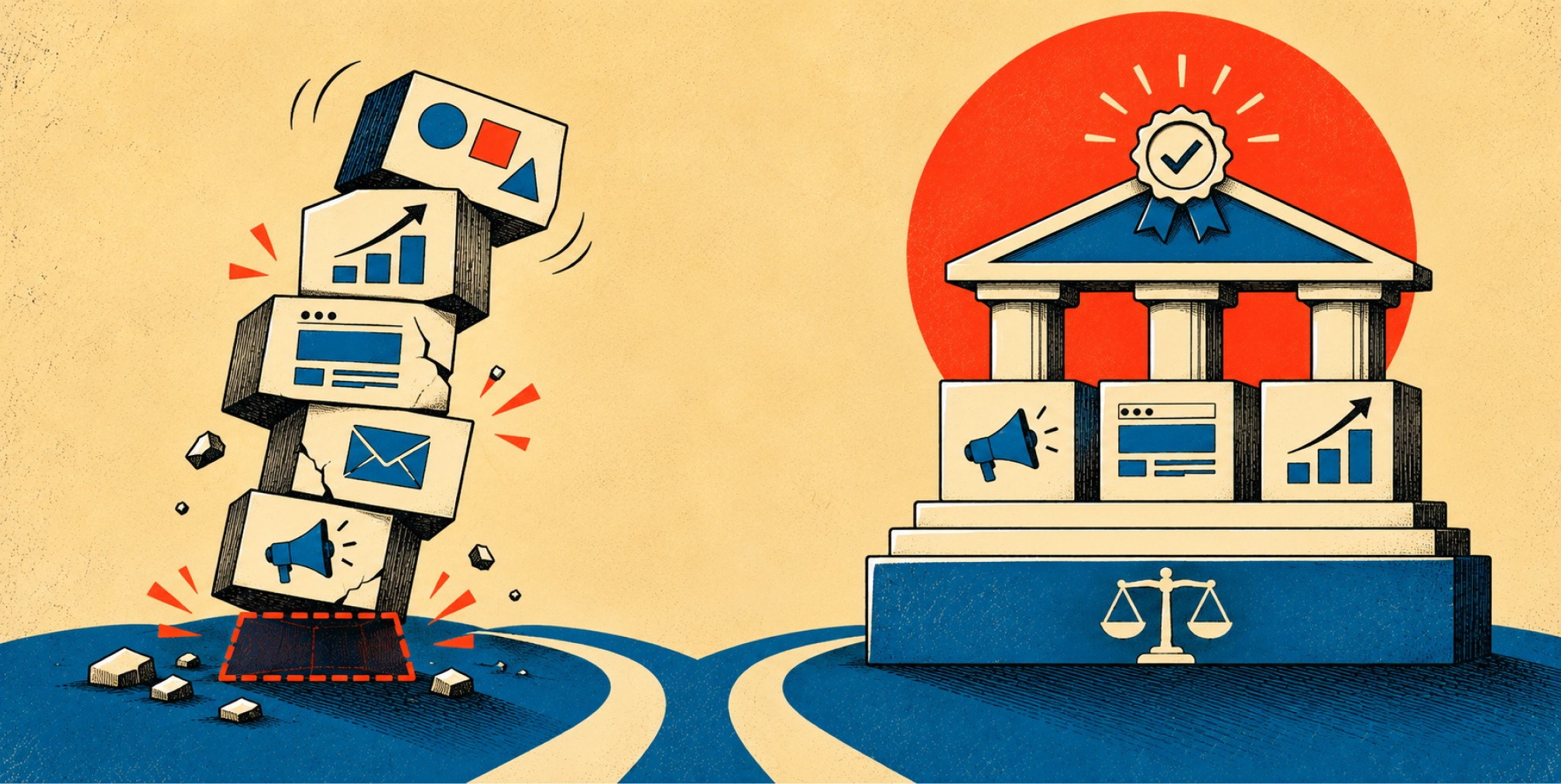
Names carry psychological weight before a customer ever sees your logo or reads your tagline. Processing fluency, meaning how easily the human brain parses a word’s sound and meaning together, directly affects how trustworthy and familiar a brand feels on first exposure. Names that flow smoothly off the tongue get judged as more credible than names that require effort to pronounce, even when the underlying product is identical.
Sound symbolism plays a real role here too. Hard consonant sounds like K, T, and X tend to read as fast, technical, or edgy, which explains why so many tech and automotive brands lean on them. Soft sounds like L, M, and O read as warm, approachable, and calming, which is why wellness and hospitality brands gravitate toward them instead. Neither pattern is a hard rule, but it’s a consistent enough tendency that ignoring it means leaving a free psychological lever on the table.
Naming conventions within a category also shape perception in ways founders often underestimate. A biotech company naming itself with a suggestive Latin root signals scientific credibility the same way a fintech company naming itself with a clipped, modern-sounding invented word signals speed and simplicity. Break too far from your category’s naming conventions and you risk confusing buyers about what you actually do. Follow the convention too closely and you blend into a sea of similar-sounding competitors.
The practical takeaway: test not just whether people can say and spell your name, but whether it makes the right immediate assumption about your category and positioning. A name that’s memorable but implies the wrong industry has fixed one problem and created another.
How Should You Approach Renaming an Existing Brand?
Rebranding an established company carries risks a brand-new company never faces: existing customer recognition, accumulated trademark equity, SEO history, and the operational cost of updating every touchpoint that currently uses the old name. The naming process itself doesn’t change much, but the stakes around each stage do.
Start by documenting exactly what you’d lose. Search volume for your current name, backlinks, review history, and any brand equity built through years of customer relationships all count as sunk value that a new name has to earn back over time. If the rebrand is defensive, meaning you’re forced to change because of a trademark conflict, legal exposure, or a merger, move fast but don’t skip clearance on the replacement name. Companies under time pressure are the ones most likely to repeat the exact mistake that triggered the rebrand in the first place.
Run the same brief, generate, evaluate, clear, validate sequence outlined earlier, but weight your evaluation criteria toward continuity where it’s safe to do so. A name that echoes a sound, syllable count, or category signal from the original brand can ease the transition for existing customers, provided it still clears trademark review cleanly.
Plan the transition itself as its own project. Redirect strategy for your domain, a communication timeline for existing customers, updated legal entities and contracts, and a coordinated announcement across every channel where the old name currently lives all need a plan before launch day, not during it. A rebrand handled well can strengthen a company’s position. A rebrand handled as an afterthought usually just moves the same naming mistakes onto a bigger stage.
How The Branded Agency Supports Naming and Launch
Naming your brand right the first time saves you from doing this entire process twice, once now and once after a rushed decision forces a rebrand. Naming is treated as one part of a connected system, where brand strategy, creative execution, and go-to-market planning move together instead of getting handed off between disconnected vendors.
That connected approach is the practical alternative to piecing together a naming consultant, a separate design shop, and a freelance marketer after launch. Our branding services start with the same brief-first, clearance-first process outlined above, then carry the finalized name straight into visual identity, website development, and the paid media and content work that gets the name in front of real customers. Clients get a naming rationale, a coordinated legal search process, and creative assets built around the name from day one instead of retrofitted later. If you’re weighing whether to run this process solo or bring in a team that’s done it repeatedly, check current pricing and packages and see where a guided engagement fits your timeline.
A Naming Philosophy Worth Defending
Most naming failures aren’t creative failures. They’re process failures, decisions made too fast, by too many people, without a legal check before the emotional attachment set in. The strongest names come out of a process that treats trademark clearance as a filter applied early, not a formality checked late, and that trusts structured scoring over whoever argues loudest in the room. Get the sequence right and the creative work gets easier, not harder, because you’re only falling in love with names that can actually survive contact with a lawyer, a customer, and a competitor’s search engine.
Frequently Asked Questions
What Are the Main Steps in the Brand Naming Process?
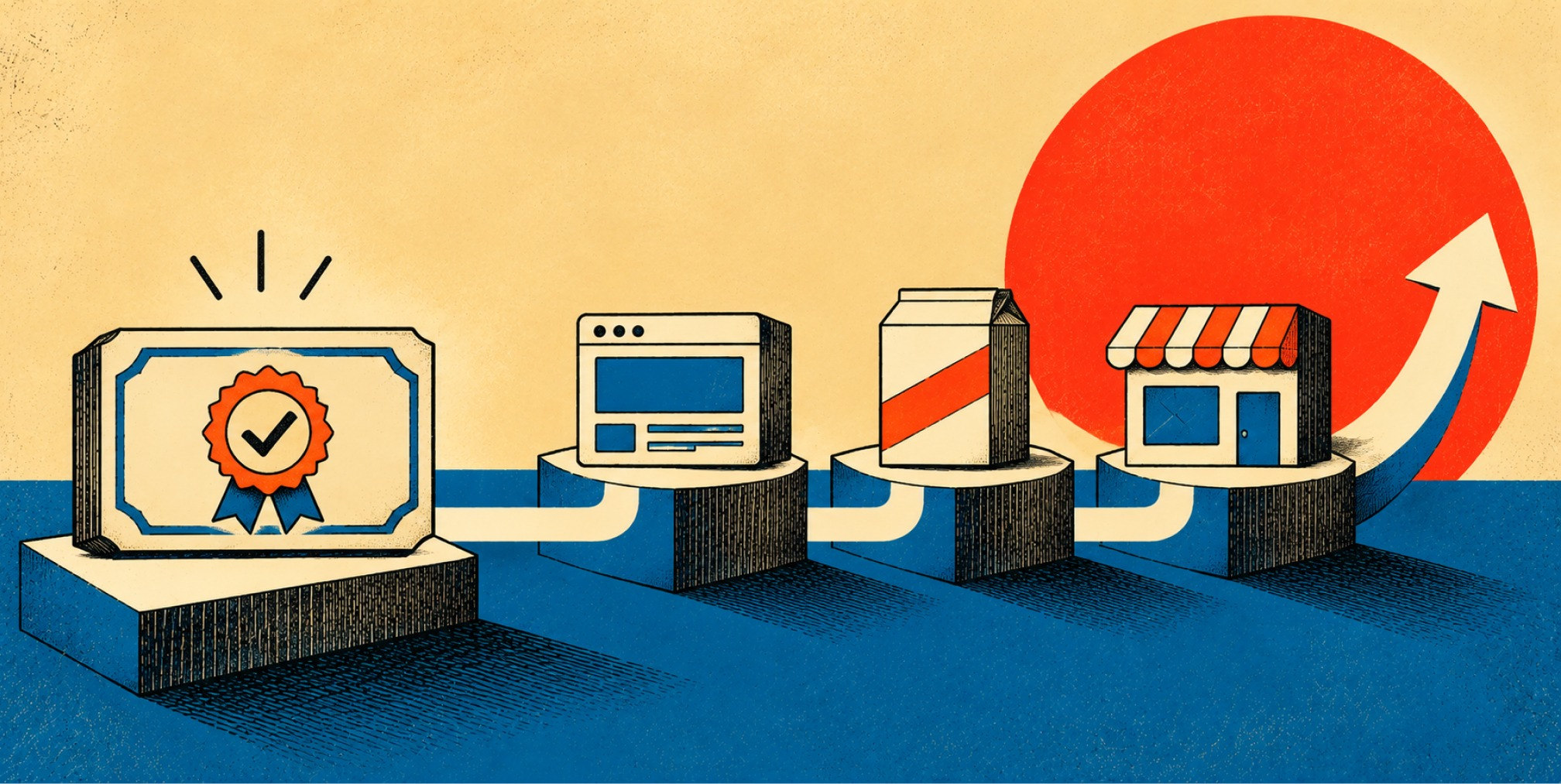
The core sequence is brief, generate, evaluate, clear, validate, and select or launch, with trademark clearance placed early to avoid wasted creative work on a name you can’t legally use.
How Many Name Candidates Should You Generate Before Shortlisting?
Professional practice favors generating a large longlist, often in the hundreds, before narrowing down, since a shallow initial list biases the final choice toward whatever ideas surfaced first.
Should You Check Domain Availability Before or After Trademark Clearance?
Check trademark clearance first. A domain that’s available means nothing if a competitor already holds the trademark in your product category, since that conflict makes the name unusable regardless of the domain.
How Do You Test if a Brand Name Is Easy to Remember and Spell?
Say the name aloud to a sample audience, wait several hours, then ask them to recall and spell it from memory. A pass rate below 7 correct out of 10 signals a retention problem worth fixing before launch.
When Should You Hire a Trademark Attorney During Naming?
Bring in a U.S.-licensed trademark attorney once a name survives your own knockout and comprehensive searches, especially before federal filing or expansion into a regulated industry, so you have a documented opinion letter in hand.
Sources
Run your own checks alongside any agency or attorney using these primary resources. The USPTO’s trademark search system is the starting point for any knockout search and is free to use. The Trademark Official Gazette publishes newly approved marks weekly and is part of a comprehensive clearance search. If you plan to operate outside the United States, the WIPO Global Brand Database covers international trademark registries in one searchable tool. None of these replace a licensed attorney’s opinion letter once your name reaches the finalist stage, but they’re the right first stop for narrowing your list before that conversation.
• USPTO trademark search: https://tmsearch.uspto.gov/
• USPTO trademark guidance and clearance resources: https://www.uspto.gov/trademarks
• WIPO Global Brand Database: https://www.wipo.int/en/web/global-brand-database/index
• Library of Congress guide to trademark clearance searches: https://guides.loc.gov/intellectual-property-law/trademark-clearance-searches

Quincy Samycia
As entrepreneurs, they’ve built and scaled their own ventures from zero to millions. They’ve been in the trenches, navigating the chaos of high-growth phases, making the hard calls, and learning firsthand what actually moves the needle. That’s what makes us different—we don’t just “consult,” we know what it takes because we’ve done it ourselves.
Want to learn more about brand platform?
If you need help with your companies brand strategy and identity, contact us for a free custom quote.
We do great work. And get great results.
+2.3xIncrease in revenue YoY
+126%Increase in repurchase rate YoY



+93%Revenue growth in first 90 days
+144% Increase in attributed revenue




+91%Increase in conversion rate
+46%Increase in AOV




+200%Increase in conversion rate
+688%Increase in attributed revenue