The Complete Guide On Brand Pillars
03/28/2025
Brand Strategy

Understanding and establishing strong brand pillars is essential for building a brand that stands out, earns trust, and drives lasting loyalty.

In this post, we'll dive deep into brand pillars and how they fit into your larger brand positioning strategy. Keep in mind that these elements, while crucial, are just parts of a larger picture that extends beyond basic branding pillars—encompassing brand mission/vision, purpose, personality, tagline, and messaging, all of which synergize to forge a triumphant outcome. Our team is here to address any inquiries you may have regarding the establishment of these core components and to offer a straightforward blueprint for formulating them within your venture immediately. Seeking comprehensive insights yet unsure of where to embark on your journey with our startup branding agency?
.png)
A Step by Step Guide to Creating your Brand Pillars


Brand Pillars have a few different meanings and within each separate definition there are different uses and applications.
Content Pillar meaning is the core of your content strategy and your brand messaging pillars are the fundamental values and beliefs that define you.
At the most basic level, brand pillars refer to the core values, beliefs, and mission of a company or organization. Brand pillars are brand-based characteristics and values that shape a company's identity and influence customer perception and loyalty.
At a more advanced level, brand pillars are also used to describe the specific channels and mediums through which a company communicates with its target audience.
This includes things like content marketing strategy, social media presence, website design, and more.
So, what are the 5 key components that make up a brand pillar?
These include things like competitive analysis, industry trends and market landscape, brand messaging and content, customer experience and insight, and more.
It is a combination of the brand personality and brand values that help to shape and mold your brands essence.
Brand pillars are what you communicate to your target audience, but it’s also how the public and how your audience perceives you.
Almost like they have a hand in defining your brand.
We’ll get into this in the perception pillar later on.
Brand pillars assist in showcasing the important points that set you apart from everyone else.
That’s why brand pillars are needed during your brand-building stage. Building brand pillars is a foundational tool for creating a strong, differentiated brand identity.
In theory, you’d want your brand pillars created at the beginning stages. To create brand pillars, define your core values, promises to customers, and align these with a clear and consistent brand identity.
But if you haven’t created them yet or your company goes through changes, brand pivoting will be the next step. Both start-ups and established businesses benefit from building brand pillars to deepen customer connection and trust.
Brand pillars are critical information that you want your audience to understand quickly and hopefully connect with. Brand pillars are important because they build trust, differentiate your brand from competitors, and guide both internal and external stakeholder interactions to enhance brand perception.
Companies with clearly defined pillars build deeper trust by consistently practicing what they preach. They act as structural support for a business, ensuring that every touchpoint—from products and services to internal culture—aligns with a cohesive vision. Identifying brand pillars helps businesses build a clear identity and communicate their values effectively, which is essential for attracting and retaining customers.
This leads us to the 5 brand pillars, which are the main brand pillars and strong brand pillars that serve as the core foundation of a brand…
Introduction to Brand Pillars
Brand pillars are the essential building blocks that support a strong brand identity and guide every aspect of a company’s brand strategy. These five brand pillars—purpose, personality, positioning, perception, and promotion—work together to create a unified brand image that truly connects with your target audience. By defining and leveraging these pillars, businesses can develop a unique brand voice that stands out in a crowded marketplace, foster brand loyalty, and ensure that every interaction reinforces what the brand stands for.
A well-defined set of brand pillars helps companies articulate their core values and mission, making it easier to communicate consistently across all channels. This consistency is key to effective brand promotion, as it ensures that customers receive a clear and compelling message every time they engage with the brand. Whether you’re launching a new business or refining an established brand, understanding and implementing the five brand pillars is crucial for building a brand that resonates, endures, and drives business growth.
Understanding Brand Identity
Brand identity is much more than just a logo or a catchy slogan—it’s the sum of all the elements that define how your company presents itself to the world. This includes your brand values, personality, and visual identity, all of which work together to create a recognizable brand that customers can trust and relate to. The identity pillar, one of the five brand pillars, is at the heart of this process, shaping everything from your tone of voice to your brand’s overall aesthetic.
A strong brand identity communicates your company’s values, mission, and purpose in a way that resonates with your target audience. It’s what makes your brand memorable and helps you stand out from competitors. By carefully crafting your visual identity—such as your brand colors, typography, and imagery—and ensuring your messaging aligns with your core values, you create a cohesive experience that builds brand loyalty over time. Ultimately, a well-established brand identity not only attracts new customers but also turns them into repeat customers who feel a genuine connection to your brand.
Understanding Brand Pillars


Brand pillars are the core values, beliefs, and positioning that define what your brand stands for. They act as a foundation for your messaging, guiding how you communicate and how your audience understands you.
While often confused with content pillars, which focus on the topics you create content around, brand pillars are more strategic—they shape your voice, identity, and overall perception.
Brand pillars are typically developed through research such as competitive analysis, customer insights, and market trends, but these inputs are not pillars themselves. Instead, they inform the creation of a small set of core themes that differentiate your brand.
Strong brand pillars help ensure consistency, build trust, and make it easier for your audience to quickly understand what you stand for. They are ideally defined early in the brand-building process but can evolve as the business grows or pivots.

The Five Brand Pillars
Create your brand identity through the 5 P’s that are easy to remember.
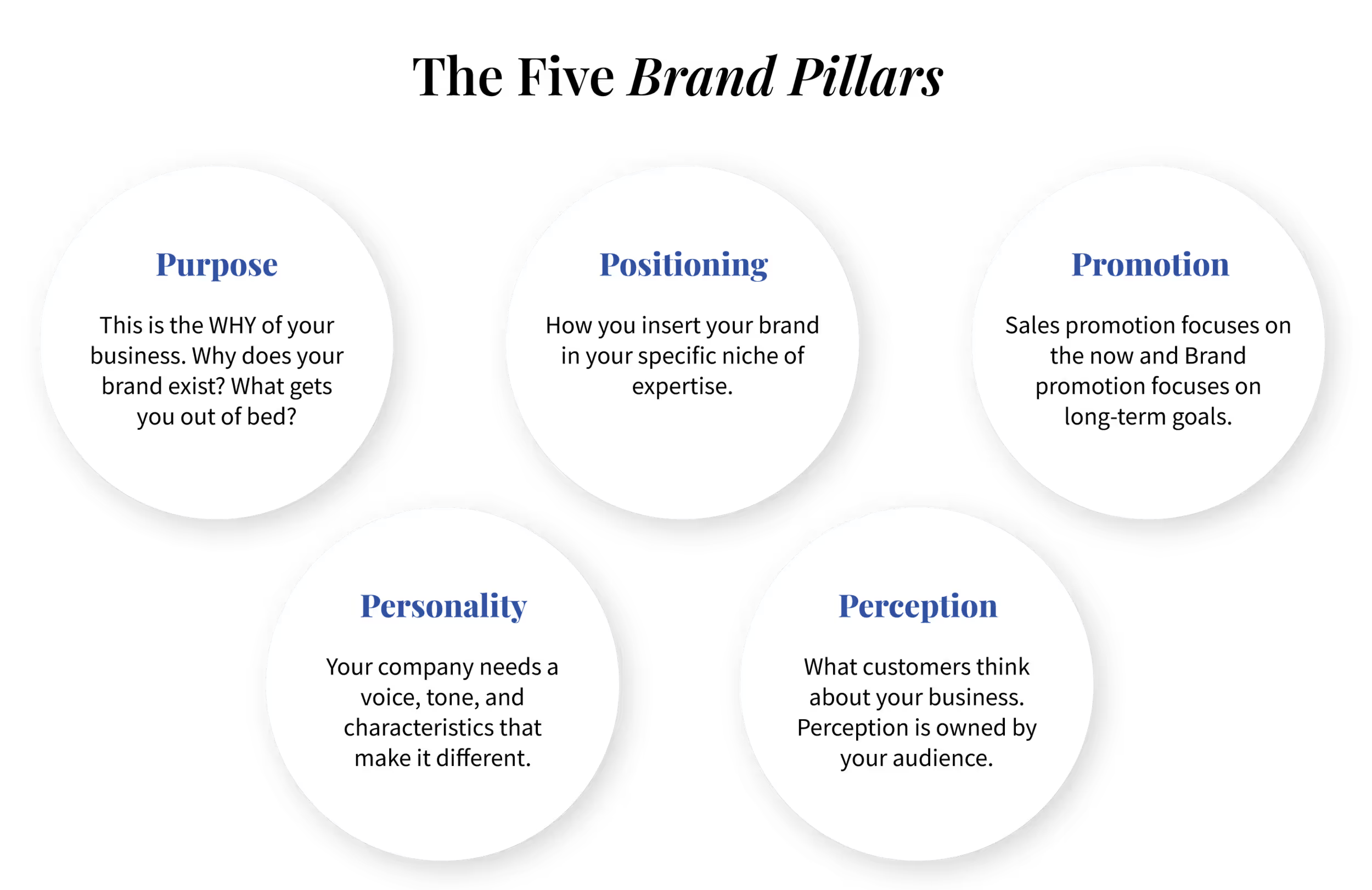
The brand pillars are Purpose, Personality, Positioning, Perception and Promotion. These pillars guide decision-making for choosing which new products to develop or which marketing campaigns to launch. They act as structural support for a business, ensuring that every touchpoint—from products and services to internal culture—aligns with a cohesive vision. Aligning internal and external communications is crucial for fostering a single brand perception, as employees' understanding of the brand can significantly impact how it is perceived by customers. External communications supports brand perception by ensuring consistent messaging and reputation management across all channels.
Brand Purpose
First up in our 5 core brand pillars is the concept of purpose.
The purpose is the why of your business and serves as a core element of your brand strategy. It should authentically reflect your company's story and company's values, forming the foundation for your brand identity.
Ask yourself, why does your brand exist?
Think of the main reasons you put in work daily.
It will answer the question of what you are trying to achieve.
This brand pillar should be well thought out, and it should connect to your personal brand goal. You want it to resonate with you.
Sharing your brand's purpose transparently can attract employees and customers who share similar values, enhancing brand loyalty.
The business will flow better that way.
The purpose is the core of your business.
Make sure it connects to your brand vision.
Brand Personality
Your personality parallels your identity.
When we think of a brand personality, we think of the voice, the tone and how the personality is seen by the public.
Of course, the brand identity is more than how you communicate with the public but it is an integral part of who you are as a brand.
Your personality should be memorable to a point people can pinpoint your brand colours, your style of voice and anything else your brand publishes even before they see your brand name.
People like to build connections with brands because purchasing is an emotional decision.
It's not just about the products or services that you provide.
Make sure your brand personality is presented properly so that your brand story is heard correctly.
Brand positioning is another important brand pillar core.
Positioning is how you insert your brand in your specific niche of expertise. Understanding what your company stands for helps differentiate it in the market and ensures your identity is perceived authentically by your audience.
Brand positioning is how you differentiate yourself from your competitors. Analyzing the purchasing habits of your target audience helps shape your brand positioning and marketing efforts, ensuring your strategies align with how your customers make decisions.
You want to stand out from everyone else, right?
Find ways to describe your unique value proposition in a way that gets people to always choose you. Brand values also influence your marketing messages and customer perception, ensuring your communications are consistent and resonate with your audience.
This brand strategy is an integral part of your brand development.
Here’s a tip: position yourself as the expert, as the best in your field, as a brand that knows their stuff.
Brand Perception
Perception brand pillars are fundamental aspects shaping your overall brand image, directly influencing how your business is viewed by both new and existing customers. Brand perception is very much related to positioning and the identity pillar.
Think about it this way.
The perception pillar is owned by the public and your specific target audience. It is based on how stakeholders and customers perceive a brand, considering messaging, advertising, design, and reviews that collectively lead to an impression of the brand. Brand perception influences customers' purchasing decisions and brand loyalty, making it essential for businesses to understand how they are viewed by their audience.
It is how they interpret you.
So, pay close attention to it.
Aligning internal and external communications is crucial for fostering a single brand perception, as employees' understanding of the brand can significantly impact how it is perceived by customers.
Here’s a tip for when you’re just starting your business: Write down personality traits and characteristics that you want your audience to associate your brand with. It will help you visualize how you want to be seen.
Or, if you are already on your way to building your brand and would like information on how you are perceived, the best thing is to communicate with your audience.
Ask them how they view your brand.
Evaluate that and see if you need to make changes in your brand strategy.
Your role then is to help guide that perception.
How? Always relate it to your vision and purpose.
Another tip: your company departments like customer service, HR, and marketing should be informed about who you are as a brand.
They have a huge impact on these brand pillars.
Remember, they are important brand ambassadors.
Things change, and business is business, but sometimes your customers are the ones leading your brand story when they talk about you.
That’s why it’s important to pivot when necessary, plan accordingly and understand your marketing strategy.
Your brand integrity matters.
Brand Promotion
Experience is how you promote your product and services.
There are two kinds of promotions to support different kinds of experiences: sales promotion and the promotion pillar.
A sales promotion focuses on the now. It’s the discounts, giveaways, and all the short-term initiatives to make a quick sale.
The promotion pillar, on the other hand, is a core element of a comprehensive brand strategy framework. It focuses on long-term brand development by integrating various tactics and channels aimed at increasing brand awareness and engaging customers throughout their journey. The promotion pillar focuses on building consistent messaging, positioning, and customer engagement across all marketing channels, rather than just short-term sales tactics.
Brand promotion strategies should be aligned with each stage of the customer journey, ensuring that every touchpoint and interaction supports a cohesive and memorable brand experience. Developing a comprehensive social media strategy is essential as part of the promotion pillar, helping to boost brand awareness and maintain consistency across channels. Leveraging online advertising is also a key component of overall marketing and promotion strategies, allowing you to reach and engage your target audience effectively.
Effective brand promotion involves creating a positive customer experience that makes your brand memorable and distinct from competitors. Brand promotion encompasses various strategies, including digital advertising, social media engagement, and influencer partnerships, to enhance brand visibility and customer connection.
People like to use products and services when they like their experience with a brand. How do you get them to choose you?
Well, you need to create a positive experience where you’ll be memorable and stand out from your competitors.
Want to learn more about brand platforms, Brand Strategy and Brand Identity? Keep reading!
If you need help with your companies brand strategy and identity, contact us for a free custom quote.
The Importance of Brand Positioning

Brand positioning is a cornerstone of any successful brand strategy. It’s all about defining how your brand is perceived in the marketplace compared to your competitors and ensuring that your unique value proposition is clear to your target audience. The positioning pillar, one of the five brand pillars, helps you carve out a distinct space in your industry by highlighting what makes your brand different and better suited to meet your customers’ needs.
To develop effective brand positioning, it’s essential to understand your target market, analyze industry trends, and listen to customer needs. This insight allows you to craft a marketing strategy that not only attracts new customers but also retains existing ones by consistently delivering on your brand promise. By focusing on your strengths and addressing your audience’s pain points, you can create a brand image that is both compelling and trustworthy. Strong brand positioning ensures that your brand remains top-of-mind, drives customer preference, and supports long-term business growth.
Brand Pillar Examples
Looking at real-world brand pillar examples can provide valuable inspiration for building your own brand identity and strategy. Take Patagonia, for instance: their brand pillars emphasize environmental responsibility, high-quality products, and active customer engagement. This focus has helped Patagonia cultivate a loyal customer base and stand out in the outdoor apparel industry. Their commitment to sustainability and ethical practices is woven into every aspect of their brand, from marketing campaigns to product design.
Nike is another powerful example. Their brand pillars center on innovation, sustainability, and empowering athletes of all levels. By consistently promoting these values through their brand messaging and visual identity, Nike has become synonymous with performance and inspiration. Their marketing strategy leverages storytelling and high-profile brand ambassadors to reinforce their brand promise and connect with a global audience.
These brand pillar examples demonstrate how a clear and consistent application of the five brand pillars can help companies build a strong brand identity, engage their target audience, and achieve lasting success. By studying these leaders, businesses can learn how to create a brand strategy that not only differentiates them from competitors but also fosters deep brand loyalty.
The Complete Guide on Brand Pillars: Examples
House Brand Example
Disney Example
Innovation: We strive to create unique, imaginative experiences for our guests.
Authenticity: We prioritize authenticity in our products and services.
Community: We bring people together to share magical moments.
Environment: We are committed to conserving the environment and protecting wildlife from harm.
Family: Our core value
We had to include some examples to make this the complete guide on brand pillars. Brand pillars give a guiding light for interaction with customers, and these brands have successfully done it.
Look Optometry
The Branded has helped Look Optometry with its brand pillars.
They communicate their expertise to their audience signalling their position within their field. Look Optometry makes sure to stay innovative which connects back to the perception pillar of them wanting to showcase that they keep up with innovative technologies. It helps guide their target audience to who they are.
Their service core relates to the promotion pillar. They make it known that their customers come first. You can tell by their copy online and tone of voice that they keep up a professional personality, too.
Traditional
Traditional is a client of ours. They have positioned themselves to provide the cleanest and most innovative cannabis products.
They’re a great example of representing all of the 5P’s. Their passion, inclusivity, quality and trust pillar relate to their brand promise of being the best in their field.
Saint Perry
We helped Saint Perry with their brand pillars, too. Their brand pillars were part of their brand bible.
The thing with Saint Perry is that they are a brand that knows its worth. They’ve guided their perception well with their target audience and beyond.
- Originality is tied to their purpose and personality.
- Passion communicates the experience they provide. It’s how they promote themselves.
- Quality relates to the positioning and perception pillars where they insert themselves as a leading luxe brand.
- Accessibility is also speaking to the promotion and perception pillar.
It’s all making sense now, right?
Patagonia
Patagonia knows their brand pillars and repeats them in every campaign and other initiatives they announce and introduce. Through repetition, their brand promise remains clear, honoured and honest.
Here is a list of their core values:
- Build the best product
- Cause no unnecessary harm
- Use business to protect nature
- Not bound by convention
In each core value of theirs, their purpose using business to protect nature is present.
They have positioned themselves to build the best product and cause no unnecessary harm. Their promotion is in their fearless ways to not conform to convention.
They look for new ways to do things.
Their perception and personality are evident in their branding as well.
We see that through their global recognition.
Measuring Brand Success

To ensure your brand strategy is effective, it’s essential to measure brand success using clear metrics and feedback. Key performance indicators (KPIs) such as brand awareness, customer engagement, and sales figures provide a snapshot of how well your brand pillars are resonating with your audience. Social media metrics—like shares, comments, and follower growth—offer real-time insights into how your brand messaging is being received and can highlight areas for improvement.
Customer feedback is another invaluable tool for assessing the strength of your brand pillars. Regularly soliciting input from your audience helps you understand how customers perceive your brand and whether your brand values and promise are coming through in every interaction. Tracking brand loyalty metrics, such as repeat purchase rates and customer referrals, can also indicate the effectiveness of your brand strategy.
By continuously monitoring these metrics and adjusting your marketing strategy as needed, you can strengthen your brand pillars and ensure your brand remains relevant and competitive. A strong brand messaging strategy, built on the foundation of the five brand pillars, is key to creating a lasting impression, driving customer loyalty, and achieving your business goals in today’s digital age.
Final Thoughts on Brand Pillars
Brand pillars aren’t just a framework—they’re the foundation of how your business is understood, remembered, and talked about. When done right, they show up everywhere: in your messaging, your marketing, and the overall experience you create.
If you’re aiming to build real recognition in your market, look at brands that do this well. Our clients like Sneakertopia, Look Optometry and Saint Perry they have clearly defined pillars embedded in their brand foundations—and you can see it reflected in everything they do. That consistency is what turns a brand into something people recognize and trust.
Strong brand pillars also make your business easier to talk about. They give your audience the language to describe you, recommend you, and share your story—essentially turning word-of-mouth into one of your most powerful marketing tools.
Keep it simple. Stay aligned with your vision. And remember: while your product or service matters, it’s your brand—how you position it, communicate it, and bring it to life—that ultimately sets you apart.
If you’re still refining your brand pillars or have questions, reach out. We’re always looking to create helpful content and support businesses like yours as they grow.

Sloane Avery
As entrepreneurs, they’ve built and scaled their own ventures from zero to millions. They’ve been in the trenches, navigating the chaos of high-growth phases, making the hard calls, and learning firsthand what actually moves the needle. That’s what makes us different—we don’t just “consult,” we know what it takes because we’ve done it ourselves.
Want to learn more about brand platform?

If you need help with your companies brand strategy and identity, contact us for a free custom quote.
We do great work. And get great results.
+2.3xIncrease in revenue YoY
+126%Increase in repurchase rate YoY


+93%Revenue growth in first 90 days
+144% Increase in attributed revenue


+91%Increase in conversion rate
+46%Increase in AOV


+200%Increase in conversion rate
+688%Increase in attributed revenue