Starting a Wine Brand: My Journey to Creating My Own
01/08/2025
Branding/Business
Follow my journey of creating my own wine brand, from idea to first bottle.
Ready to transform your passion for wine into a profitable business? Whether you're dreaming about launching your very own wine label or just curious about what it takes, you've landed on the right page. At The Branded Agency, we're here to demystify the process, from mastering the wine industry dynamics to branding and production. We'll provide you with the essential tools and insights needed to start your winemaking journey with confidence.
.png)


Understanding the Wine Industry


Creating a strong brand identity for your own brand is crucial for distinguishing your wine in a crowded market. The following steps provide a structured approach to starting a wine brand.
Your brand identity encompasses more than just a logo; it’s the entire essence of your brand, from the visual elements to the story it tells and the emotions it evokes. The bottle itself is a key part of branding and marketing, serving not only as a vessel for your wine but also as a visual representation of your brand that can attract and engage consumers.
Introduction to the Wine Industry
The wine industry is a vibrant and ever-evolving landscape, offering a wealth of opportunities for entrepreneurs eager to make their mark. Thanks to the rise of private label wine, it’s now easier than ever to create your own wine label and launch a unique brand without the need to own a full-scale winery. This approach allows businesses and individuals to tap into the wine market, boost revenue, and increase profit margins by offering custom wines tailored to their vision and audience.
Building a successful wine brand starts with understanding the nuances of the industry. From selecting the right wine label design to crafting a compelling brand identity, every detail matters in setting your own wine apart from the competition. Whether you’re looking to create a boutique private label or scale up to a larger operation, a well-thought-out business plan is essential. This plan should address your target audience, market positioning, and strategies for creating a unique brand that resonates with wine lovers.
By leveraging the flexibility of private label wine, you can focus on building a brand that reflects your values and appeals to your chosen market segment. The wine industry rewards creativity, quality, and authenticity—qualities that can help your own wine label stand out and thrive in a crowded marketplace.
Economic Significance of the Wine Industry
The wine industry is a vital economic pillar and a driver for tourism and rural revitalization across several key regions globally, including Portugal, Spain, Chile, Australia, Italy, South Africa, France, and certain U.S. states. These regions benefit significantly from the economic and cultural contributions of the wine industry, enhancing their global recognition and local economies.
Global Wine Production
According to the International Organisation of Vine and Wine (OIV), Italy, France, Spain, and the U.S. were responsible for 59.4% of the global wine production in 2022, totaling 153.5 million hectoliters. This dominance in production underscores the significant role these countries play in the global wine market.
Winemaking Process and Wastewater Generation
The winemaking process involves multiple steps from harvesting grapes to bottling, generating significant volumes of wastewater and solid byproducts. This includes spilled wine, washwater, and other effluents, particularly during the vintage season from September to November. Managing these byproducts is crucial to prevent environmental issues such as nitrate leaching, groundwater degradation, and the mobilization of metals under certain conditions.
Current Trends in the Wine Market
Sustainability is a growing trend, with an increasing number of consumers preferring wines produced through environmentally friendly practices. There is also a significant interest in artisan and boutique wines, which offer unique flavors and stories compared to mass-produced options. These trends highlight the industry’s dynamic nature, driven by consumer behaviors and technological advancements.
Consumer Preferences and Market Opportunities
Understanding different grape varietals and their appeal to various consumer preferences is crucial. The wine market includes everyone from casual drinkers to connoisseurs, with recent trends showing a rise in younger demographics who favor experimentation with new flavors and wine styles. Emerging markets and online sales channels represent significant opportunities for introducing innovative products and expanding reach.
Free Brand Health Audit
Make sure your brand is built to sell
Search has changed. Your customers aren't just Googling anymore. They're asking ChatGPT, Perplexity, Gemini and other AI platforms what to buy, who to trust and which brands they should consider.
If your brand isn't showing up clearly in those answers, you're already losing opportunities. Our free Brand Health Audit shows you where your brand stands across traditional search, AI search and brand positioning.

Sample brand audit
Live preview
Traditional search
72
AI search (GEO)
34
Brand positioning
58
Crafting Your Wine Brand Identity
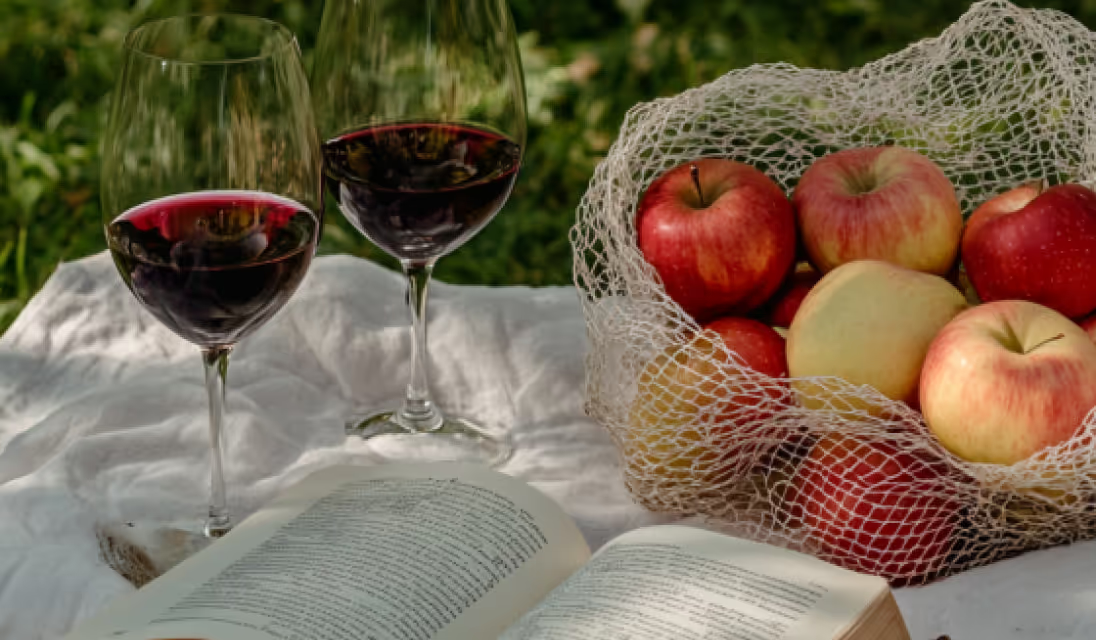

Creating a strong brand identity for your own brand is crucial for distinguishing your wine in a crowded market. Your brand identity encompasses more than just a logo; it’s the entire essence of your brand, from the visual elements to the story it tells and the emotions it evokes.
Developing a Brand Story
Your brand story is a powerful tool that can engage customers and create an emotional connection. It should convey the passion, history, and inspiration behind your wine. Whether your story is about a family legacy, a unique winemaking method, or a commitment to sustainability, it should resonate with your target audience and reflect the core values of your brand. This narrative will also play a crucial role in your marketing and promotional strategies.
Choosing a Name and Logo
The name and logo of your wine brand are often the first things a consumer will notice, so they need to make a lasting impression. Choose a name that is easy to remember, meaningful, and reflective of the brand story you want to tell. The logo should be distinctive yet simple enough to be effective across various mediums, from wine labels to online platforms. It's often beneficial to work with a professional designer who can translate your brand's essence into a visual identity.
Designing Your Wine Label
Designing your own label is not just a legal requirement; it’s a critical marketing tool. It should stand out on the shelf and clearly communicate your brand’s personality. When designing your own label, consider elements like color, typography, and imagery that align with your overall brand identity. The label should also be informative, including details like the type of wine, origin, alcohol content, and any unique selling points.
Establishing a Brand Voice
Your brand voice is how you communicate with your audience across different platforms, whether on your website, in brochures, or through social media. This voice should be consistent and reflect the personality of your brand, whether it's sophisticated, playful, or earnest. Consistency in your brand voice helps build trust and familiarity among your audience, reinforcing your brand identity at every touchpoint.
By thoughtfully crafting your wine brand identity, you ensure that every element, from the logo to the label and the brand voice, works harmoniously to tell your story and attract your target market. This cohesive identity is not just about aesthetics but about making a strong statement in the wine industry that resonates with consumers and stands the test of time.
Developing a Business Plan
A solid business plan is the backbone of any successful wine business. Whether you’re launching a private label wine, starting your own winery, or introducing a new wine brand, a comprehensive business plan will guide your decisions and set you up for long-term success.
Your business plan should begin with a clear vision for your wine brand, outlining your mission, goals, and the unique value you bring to the wine market. Conduct a thorough market analysis to understand your competition, identify gaps in the market, and pinpoint opportunities for your own wine. Define your business model—will you produce wine in your own facility, partner with a custom crush operation, or focus on sourcing and branding premium wines?
Financial planning is another critical component. Estimate your startup costs, including purchasing grapes, production, packaging materials, and marketing expenses. Project your revenue streams, profit margins, and break-even point to ensure your wine business is financially viable.
Finally, detail your marketing and sales strategies. Consider how you’ll build brand recognition, reach your target audience, and differentiate your wine label in the crowded wine world. A well-crafted business plan not only helps you stay focused but also attracts investors, partners, and customers who believe in your vision.
Understanding the Target Audience
Knowing your target audience is essential for building a wine brand that truly resonates. The wine market is diverse, with consumers ranging from casual drinkers to seasoned connoisseurs, each with their own preferences, expectations, and buying habits. Understanding who your ideal customers are will shape every aspect of your wine business—from the grape varietals you choose to the design of your wine label and the tone of your marketing campaigns.
Start by analyzing demographic factors such as age, gender, income level, and geographic location. Dive deeper into psychographics to uncover your audience’s lifestyle, values, and motivations for choosing a particular wine. Are they seeking premium wines for special occasions, or do they prefer approachable, everyday bottles? Do they value sustainability, unique grape varieties, or innovative packaging?
Engage with potential customers through tastings, wine clubs, and social media to gather feedback and build relationships. This ongoing dialogue will help you refine your offerings, introduce new releases, and foster loyalty. By truly understanding your target audience, you can create a wine brand that not only meets their needs but also inspires them to share your story with others.
The Legalities of Starting a Wine Business
Navigating the legal landscape is crucial when entering the wine industry. Understanding and adhering to the required regulations will not only ensure your business operates smoothly but also protect it from potential legal issues. Whether you are starting a private label wine business or establishing a winery, specific legal considerations such as partnering with wineries for production and navigating marketing challenges must be understood.
When starting a wine brand, it is essential to consider the cost involved in every stage of the process. The estimated total investment to launch a wine brand can exceed 1.5 million dollars during the first five years, covering costs for vineyard acquisition, equipment, and operational expenses. The cost of land for a vineyard varies widely, ranging from $10,000 to $300,000 per acre depending on location and grape growing conditions. Additionally, obtaining a license typically requires a minimum holding of 4 acres of land, which adds significantly to the initial startup costs. Understanding these costs is crucial for planning and managing your wine business effectively.
Licensing and Permits
In British Columbia (BC), the process of licensing a winery involves some unique and unconventional requirements set by the Liquor and Cannabis Regulation Branch (LCRB) under the Liquor Control and Licensing Act. The LCRB mandates that:
- Applicants must own or lease the facility being licensed.
- Facilities must have adequate winery equipment for the production of at least 4500 litres of wine annually.
- For new applicants, there is an intention to ferment at least 4500 litres of wine per year, with some flexibility allowed for scenarios like crop failures.
However, obtaining a license is only part of the process. In BC, wineries must also enter into a contractual agreement with the Liquor Distribution Branch (LDB), which categorizes wineries as either "Land Based" or "Commercial," each with specific operational conditions and privileges.
Note: While we are focusing on BC, the rules and regulations for starting a winery vary significantly across different countries, provinces, and states. It is crucial to thoroughly investigate local regulations and consult with a legal expert specializing in alcohol licensing to navigate these complex areas effectively.
Compliance with Local and National Laws
Beyond licensing, compliance with various federal, state, and local laws is required. These laws cover a wide range of areas from production practices to environmental regulations affecting your vineyard operations. For example, land-based wineries in BC must use 100% BC-grown grapes, maintain traditional winemaking techniques, and adhere to specific land use requirements.
Regular audits and legislative updates are essential to remain compliant and ensure that your operations align with current laws and regulations.
Intellectual Property Protection
Protecting your brand identity, including your name, logo, and label design, is critical. Registering your trademarks in the jurisdictions where your wine is sold ensures that your brand elements are protected from unauthorized use. This is vital for maintaining the uniqueness and integrity of your brand.
Contracts and Agreements
Starting your wine brand will likely involve entering various contracts with suppliers, distributors, employees, or co-venturers. These agreements should be meticulously drafted to clearly outline the rights, responsibilities, and expectations of all parties involved. Properly structured contracts are crucial for preventing disputes and ensuring clear resolution pathways should disagreements arise.
By addressing all legal aspects of your wine business, you protect your brand and establish a foundation for long-term success. This section not only underscores the importance of compliance but also provides guidance for entrepreneurs through the complex initial steps of setting up a legally sound business in the wine industry.
Producing Your Wine
Once you have established your brand identity and navigated the legal framework, the next crucial phase is wine production. This stage encompasses several pivotal decisions, from the selection of grapes to the final bottling process. Your approach to wine production will vary depending on the volume you plan to produce—small batch production requires different considerations than larger production runs, influencing everything from sourcing to equipment needs. For emerging wine brands, utilizing custom crush facilities can be advantageous. These facilities manage various aspects of winemaking including production, bottling, and access to necessary equipment, which allows business owners to concentrate on branding and marketing without the operational burdens of running a winery.
Choosing the Right Grapes
Selecting the right grapes is fundamental to defining the character and quality of your wine. For example, premium grape varieties such as cabernet sauvignon and sauvignon blanc are popular choices for those aiming to produce high-end wines. This decision largely depends on the type of wine you aim to produce and the climatic conditions favorable for growing your chosen varietals.
The region where your grapes are grown plays a significant role in determining grape suitability and the unique characteristics of your wine. Understanding the local soil and climate—terroir—is crucial, as both the grape variety and the region influence the taste, aroma, and complexity of the final product. Selecting the right grapes from the right region can help you produce the highest quality wines, setting your brand apart in the market.
Organic and biodynamic practices may also be considered to meet certain environmental and phytosanitary standards. Consulting with viticulturists can help you select the best varietals that align with your brand’s vision and geographical location. Additionally, determining the volume of wine you plan to produce will influence your production methods, distribution strategies, and partnerships with winemakers or custom-crush facilities.
Vinification Process
Producing wine is an intricate balance of art and science. Below are the key stages in the vinification process:
- Harvesting and Sorting: Grapes are harvested towards the end of summer when they reach optimal maturity. After harvesting, grapes are meticulously sorted to ensure only the healthiest and ripest are processed.
- Destemming and Crushing/Pressing: Grapes are either destemmed and crushed (primarily for red wines to enhance color extraction from the skins) or pressed (for white and some rosé wines to maintain a lighter color).
- Settling and Racking: Particularly for white wines, the juice is clarified by allowing sediments to settle and then transferring the clear liquid to a new container for fermentation.
- Alcoholic Fermentation: Sugars in the grape juice are converted into alcohol by natural or added yeasts.
- Maceration: Essential for red wines, this process involves the extraction of colors, aromas, and tannins from the grape skins.
- Malolactic Fermentation: This secondary fermentation process reduces the wine's acidity, enhancing its smoothness.
- Clarification and Filtration: After fermentation, the wine is clarified and filtered to remove any residual solids.
Maturation
Following vinification, the wine may be aged in various containers such as oak casks or barrels to develop complex flavors and aromas. Regular tasting and monitoring are essential during this phase to ensure the wine matures correctly. The wine may also be topped up periodically to prevent oxidation.
Blending and Bottling
Blending involves combining different grape varieties or wines from various plots to achieve the desired flavor profile. For private label wines, blending is often done to closely resemble other wine brands, making the final product approachable and enjoyable to drink for a wide range of consumers. The wine is then ready for bottling, a process that includes the stabilization and clarification of the wine to maintain its integrity. The bottle serves not just as a vessel but also as a key branding and marketing tool, helping your wine stand out on the shelf and communicate your brand’s identity. Bottling is often done on-site to mitigate the risk of counterfeiting and maintain quality control.
By meticulously managing each stage of the production process, you can ensure your wine not only embodies your brand’s identity but also meets the high-quality standards that consumers expect.
Partnering with a Winemaker or Vineyard
For many new entrants to the wine industry, partnering with established winemakers or vineyards can be a viable option. This partnership can offer access to experienced professionals, facilities, and resources that might otherwise be prohibitively expensive or complex to manage independently. Such collaborations can also provide learning opportunities and help ensure the quality of your initial vintages.
Additionally, creating a private wine label by partnering with an established vineyard allows you to sell wine exclusively under your own brand, focusing on branding and marketing while outsourcing production. Private label wines are brands created for a company, restaurant, or individual to sell exclusively under their own name, leveraging exclusive sales channels. The private label wine market is growing, currently accounting for about 5 percent of all wines sold in the United States, with projections suggesting it could reach 20 percent in the future. One of the main advantages of private label wines is the potential for higher profit margins—estimated to be 10-15 percent higher than national brands—due to reduced supply chain costs.
Quality Control
Maintaining high standards of quality throughout the production process is critical for the reputation of your wine brand. Implement regular quality checks at each stage of production—from grape selection to bottling—to ensure that the final product meets your brand’s standards and customer expectations.
By meticulously managing the production process, you can ensure that your wine not only embodies your brand’s identity but also meets the high-quality standards that consumers expect. This section not only explains the technicalities of producing wine but also emphasizes the importance of quality and precision in crafting a product that stands out in the competitive wine market.
Learn more about Winemaking
Wine Industry Trends
Staying ahead of wine industry trends is key to building a successful and sustainable wine brand. In recent years, the market has seen a surge in demand for premium wines, with consumers seeking higher quality and unique experiences. Private label wine continues to grow in popularity, allowing businesses to offer exclusive products and strengthen their brand identity.
Sustainability is another major trend, with more wineries adopting eco-friendly practices in grape growing, production, and packaging. Consumers are increasingly interested in organic and biodynamic wines, as well as innovative packaging materials that reduce environmental impact.
Direct-to-consumer sales are reshaping the wine business, with online wine stores, wine clubs, and virtual tasting rooms making it easier to reach new customers and build lasting relationships. Technology is also playing a bigger role, from advanced vineyard management to digital marketing and security verification processes that protect both brands and buyers.
Finally, the exploration of lesser-known grape varietals and regions is expanding the wine world, offering adventurous drinkers new flavors and stories to discover. By keeping a pulse on these trends, you can position your own wine label to capture emerging opportunities and stay relevant in a dynamic market.
Building and Enhancing Your Online Presence
Building an Online Wine Store
Once you've established a basic online presence with a professional website and active social media channels, the next step is to optimize your direct-to-consumer sales channel by building a dedicated online wine store. This is where platforms like Commerce7 and WineHub for Shopify come into play. These e-commerce platforms are specifically tailored for the wine industry and offer features that can help wineries manage and enhance the customer experience effectively.
Key Features and Benefits:
- Customized E-commerce Solutions: Platforms like Commerce7 and WineHub for Shopify provide customizable templates that are specifically designed for selling wine. These platforms support the unique needs of wine sales, such as age verification, inventory management of vintages, and integration with wine club memberships.
- Enhanced User Experience: These platforms offer user-friendly interfaces that make it easy for customers to browse, learn about, and purchase your wines. They include intuitive navigation, detailed product descriptions, and a secure checkout process, which are essential for converting visitors into buyers.
- Mobile Optimization: With an increasing number of consumers making purchases from mobile devices, having a mobile-optimized online store is crucial. These platforms ensure that your online wine store is accessible and efficient across all devices, enhancing the shopping experience and potentially increasing sales.
- Marketing Tools Integration: Utilize built-in tools that help in marketing your wines more effectively. Features like email marketing integration, SEO tools, and social media connectivity allow you to engage with your customers consistently and personally, driving both sales and customer loyalty.
- Analytics and Reporting: Gain insights into your sales trends, customer preferences, and inventory levels with advanced analytics features. These insights can guide your marketing strategies, inventory management, and promotional campaigns, ensuring that your offerings align with customer demand.
Implementation Tips:
- Choose the Right Platform: Evaluate the features of platforms like Commerce7 and WineHub for Shopify to determine which best fits your business model and sales goals.
- Seamless Integration: Ensure that your e-commerce platform integrates seamlessly with your existing website and CRM systems to provide a cohesive customer experience and simplify backend management.
- Focus on Content: Populate your online store with rich content that tells the story of your wines. Include high-quality images, detailed descriptions, and stories about the vineyard, winemaking process, and people behind the wine.
- Promote Your Store: Use your social media channels, email newsletters, and traditional marketing methods to drive traffic to your online store. Consider offering promotions or exclusive releases as incentives to visit and purchase from your site.
Adding a dedicated section on building an online wine store provides practical advice for wineries looking to expand their digital footprint and capitalize on the growing trend of online shopping. This segment not only enhances the blog's value by offering actionable solutions but also helps readers understand the importance of integrating modern e-commerce practices into their sales strategy.
Want to learn more about brand platforms, Brand Strategy and Brand Identity? Keep reading!
If you need help with your companies brand strategy and identity, contact us for a free custom quote.
Marketing and Selling Your Wine
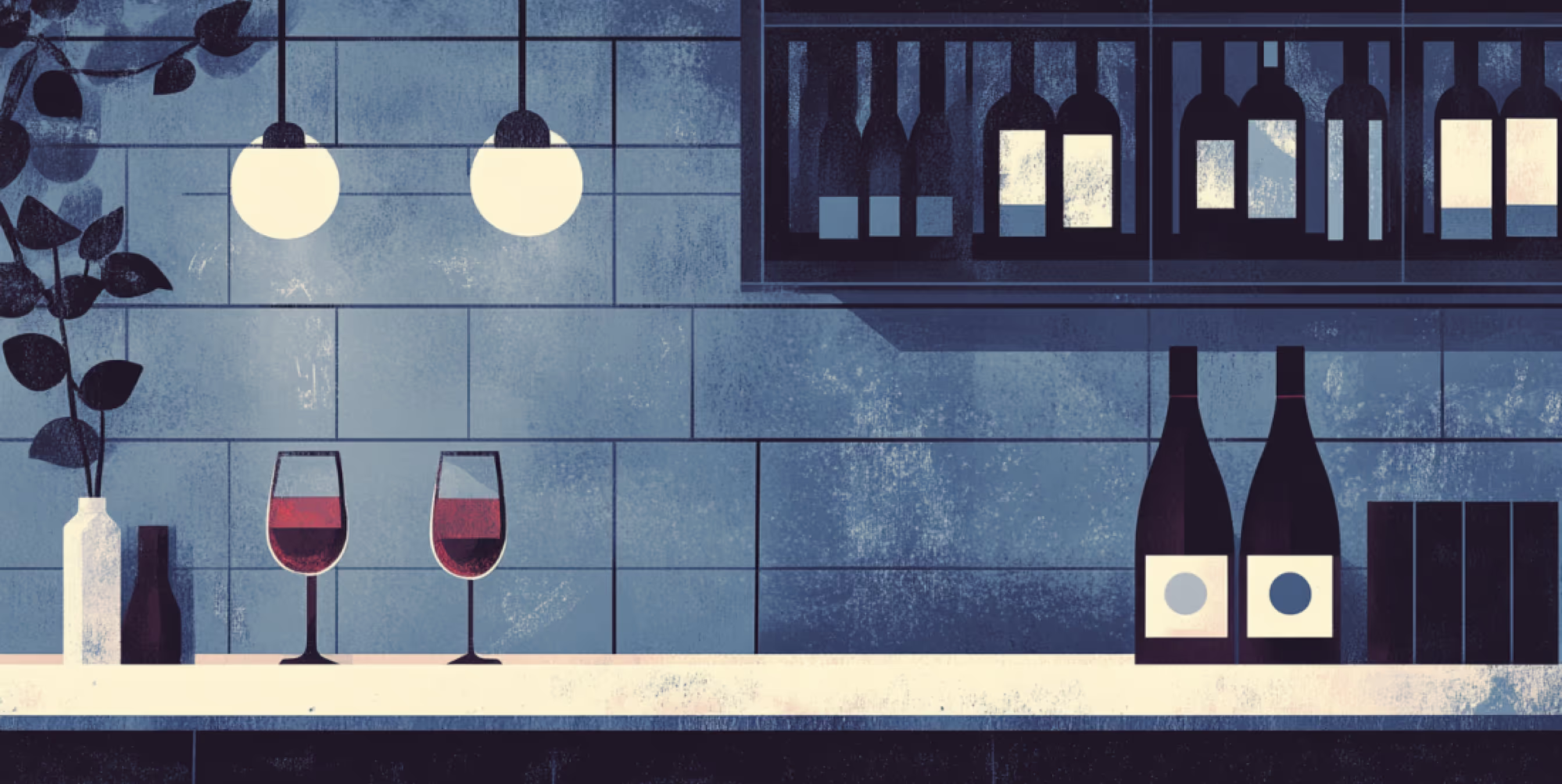
Once your wine is ready to be introduced to the world, effective marketing and sales strategies become crucial to your brand's success. Understanding consumer behavior and leveraging the right communication channels are key to creating a strong presence in the market and ensuring your wine reaches your target audience.
Building an Online Presence
In today’s digital age, a robust online presence is essential. Start by creating a professional website where customers can engage with your brand's story and purchase your wine directly. Utilize e-commerce capabilities and leverage social media platforms like Instagram, Facebook, and Twitter to connect with wine lovers, share engaging content, and promote new releases.
Digital Marketing Strategies
To reach a broader audience, invest in digital marketing strategies that align with modern consumer preferences:
- SEO (Search Engine Optimization): Optimize your website with relevant keywords to improve visibility on search engines.
- Content Marketing: Focus on creating memorable and engaging stories about the wine’s origins, the people behind it, and the experiences it offers, rather than just technical details or tasting notes.
- Email Marketing: Build a subscriber list to send out newsletters that tell stories and share experiences that resonate on an emotional level with your audience.
Traditional Marketing and PR
While digital marketing is essential, traditional methods still play a vital role:
- Wine Tastings and Events: Host events that allow potential buyers to experience the lifestyle and enjoyment your wine offers. This direct interaction is crucial for building relationships and creating memorable experiences that can drive sales.
- Press Releases and Media Outreach: Increase brand visibility and credibility by getting your wine featured in lifestyle sections of magazines, blogs, and newspapers, rather than just in industry-specific publications.
Distribution Channels for your own wine label
Choosing the right distribution channels is crucial:
- Direct-to-Consumer Sales: Sell directly to consumers through your website or a subscription model, focusing on the story of each bottle.
- Retail Partnerships: Collaborate with wine shops and boutiques that support the narrative of unique, story-driven brands.
- Restaurants and Bars: Partner with dining establishments that value storytelling and can convey the essence of your wine to patrons.
Learning from Other Industries
Take cues from successful brands like Apple, which excels in creating an experiential connection with consumers. Highlight the enjoyable and lifestyle aspects of your wine, and create marketing campaigns that focus on how your wine enhances moments and experiences.
Customer Engagement
Engage customers by telling stories that touch their hearts and evoke the romance and joy associated with wine. Avoid overwhelming potential buyers with technical jargon or detailed production processes that do not enhance their appreciation or connection with the product.
By focusing on these updated marketing and selling strategies, you ensure that your wine not only reaches but also resonates with today's consumers, who are looking for products that offer both quality and a compelling story. This approach can help your wine stand out in a competitive market and build a loyal customer base driven by shared values and experiences.
Customer Relationship Management
Maintaining good relationships with your customers is essential for repeat business and word-of-mouth referrals. Implement a customer relationship management (CRM) system for your wine business to track customer interactions, preferences, and feedback. This data can be invaluable for tailoring your marketing efforts and improving customer service.
By utilizing a combination of online and offline marketing strategies and carefully choosing your distribution channels, you can effectively market and sell your wine. Remember, the goal is to create memorable experiences around your brand that encourage loyalty and advocacy among your customers.
Growing Your private label wine Brand
After successfully launching your wine brand and establishing a foothold in the market, the next step is to think about growth and scaling. Here are some strategies to help expand your brand’s reach and increase your market share. One effective strategy is to consider creating a private label wine brand, which can be a viable way to expand market reach and increase profit margins without the need for extensive capital investment or ownership of a vineyard.
Expanding Product Lines
As your brand gains traction, consider expanding your product offerings. This could involve introducing new varietals, limited edition wines, or branching into related products such as sparkling wines or even wine accessories. Each new product offers an opportunity to attract different segments of the market and provides your existing customers with more options to engage with your brand.
Enhancing Brand Experiences
Creating memorable brand experiences can significantly enhance customer loyalty and attract new audiences. Consider hosting exclusive events, such as vineyard tours, wine-making workshops, or pairing dinners. These experiences can also be leveraged as marketing opportunities, generating buzz on social media and increasing brand visibility.
Leveraging Technology
Adopting new technologies can improve both the production and the customer experience. From precision agriculture tools that enhance vineyard yields and quality to augmented reality apps that bring your wine labels to life, technology can differentiate your brand in a crowded market. Additionally, consider enhancing your e-commerce platforms to improve user experience and increase online sales.
Building Partnerships
Forming strategic partnerships can open up new channels and markets. This could be through alliances with other wine producers, cross-promotions with complementary brands, or international distribution agreements. Partnerships not only extend your reach but can also enhance your brand’s reputation through association with established names.
Focusing on Sustainability
As consumer awareness of environmental issues grows, sustainability can become a strong part of your brand’s identity. This might involve adopting organic winemaking practices, implementing sustainable packaging, or supporting environmental conservation efforts. Sustainability not only appeals to a growing segment of the market but also contributes to the long-term viability of your brand and the environment.
Continuous Learning and Adaptation
The wine industry is continuously evolving, influenced by changes in consumer tastes, climate, and technology. Staying informed and adaptable is crucial. Regularly solicit customer feedback, stay abreast of industry trends, and be willing to adjust your strategies in response to new information and market shifts.
By focusing on these strategies, your wine brand can not only grow in size but also in reputation and influence. Scaling a brand successfully requires careful planning, commitment to quality, and an ongoing dialogue with your customers and the industry at large.
Case Studies: Transforming Wine Marketing with Effective Branding and Storytelling
Case Study 1: Lucky Girl Rosé
Background: Lucky Girl Rosé is a wine brand created to celebrate the spirit of independent women. The brand was conceptualized by Akilah Releford Gould, inspired by her tenure as Creative Director at Casa Locé. The branding aimed to resonate with young women who embody confidence and a zest for life.
Challenge: As a new brand, Lucky Girl Rosé needed to establish a connection with its core demographic swiftly and compellingly. The challenge was to blend high-quality wine crafting with engaging, relatable branding that speaks directly to its audience.
Strategy Implemented:
- Brand Identity and Digital Strategy: The Branded Agency was tasked with developing a comprehensive digital brand identity, website design, and e-commerce integration, alongside creating compelling advertising and event campaign assets.
- Emotional and Relatable Marketing: The marketing strategy focused on storytelling that highlighted themes of independence and celebration, tailored to appeal to its target demographic of young, aspirational women.
Results: The launch of Lucky Girl Rosé was highly successful, with the brand quickly establishing a strong online presence and community. The wine’s branding resonated well with the target audience, leading to rapid sales growth and significant brand recall.
Case Study 2: Casa Locé
Background: Casa Locé represents the fusion of rustic luxury with holistic living. Set in the Ojai Valley, this vineyard emphasizes a narrative-driven approach, focusing on sustainable farming and a life well-lived.
Challenge: The main challenge was to redefine and communicate Casa Locé's new vision under new ownership, ensuring the brand's values of exclusivity and tranquility were consistently portrayed across all platforms.
Strategy Implemented:
- Comprehensive Brand and Digital Redesign: The Branded Agency overhauled the digital and visual identity to reflect the vineyard's philosophy. This included website redesign, social media strategy, and creative direction.
- Story-Driven Content: The branding strategy was heavily narrative-focused, emphasizing Casa Locé’s commitment to sustainability and luxury living through every customer touchpoint.
Results: The rebranding efforts were met with positive reception, substantially increasing engagement across digital platforms. The redesigned website became a critical component of Casa Locé's marketing, helping to build a strong community and enhance customer engagement.
Integrating Lessons Learned
These case studies highlight the importance of:
- Understanding Your Audience: Knowing who your customers are and what they value can significantly influence how you should approach marketing and branding.
- Storytelling over Specifications: Focusing on relatable, emotive storytelling rather than technical jargon to connect with consumers on a personal level.
- Holistic Brand Experience: Ensuring that every aspect of the brand from the website to social media, aligns with the overarching narrative and consumer expectations.
By showcasing these real-world applications, your blog not only provides theoretical insights into effective wine marketing but also demonstrates practical, successful executions of these strategies. This section will not only enrich the content but also serve as inspiration for other brands on how to effectively engage with today’s consumers.
Conclusion and Next Steps
Launching your own wine brand is an exciting journey that blends creativity, strategy, and passion. From understanding the wine industry and developing a robust business plan to crafting a compelling brand identity and embracing the latest market trends, each step brings you closer to building a wine business that stands out.
As you move forward, focus on building relationships with your target audience, maintaining the highest quality standards, and staying adaptable to changes in the wine market. Leverage the power of private label wine to create a unique brand that reflects your vision and values. Whether you’re selling through your own wine bar, online store, or restaurant partnerships, remember that success in the wine industry is built on authenticity, consistency, and a genuine connection with your customers.
Take the next steps by refining your business plan, exploring production options, and investing in marketing strategies that elevate your brand image. With dedication and a clear vision, your new wine brand can thrive and make a lasting impression in the world of wine.
Conclusion: Crafting Your Path in the Wine Industry

Creating your own wine brand is a journey that blends passion with precision, creativity with strategy. From understanding the intricate dynamics of the wine industry to establishing a unique brand identity and engaging directly with consumers, each step plays a crucial role in carving out a successful niche in a competitive market.
By following these guidelines and continually striving to understand and anticipate the needs of your target market, you can build a wine brand that stands out for its quality, story, and ability to bring people together. Cheers to your success in the world of wine, where every bottle sold is a story shared and every glass poured can be the start of something wonderful.

Sloane Avery
As entrepreneurs, they’ve built and scaled their own ventures from zero to millions. They’ve been in the trenches, navigating the chaos of high-growth phases, making the hard calls, and learning firsthand what actually moves the needle. That’s what makes us different—we don’t just “consult,” we know what it takes because we’ve done it ourselves.
Want to learn more about brand platform?
If you need help with your companies brand strategy and identity, contact us for a free custom quote.
We do great work. And get great results.
+2.3xIncrease in revenue YoY
+126%Increase in repurchase rate YoY


+93%Revenue growth in first 90 days
+144% Increase in attributed revenue


+91%Increase in conversion rate
+46%Increase in AOV


+200%Increase in conversion rate
+688%Increase in attributed revenue