Director of Creative: Role, Skills, and Career Path
07/02/2026
Design

.png)


Inside the Role of a Creative Director
Key Takeaways
- A director of creative (commonly titled creative director) leads the overall creative vision across advertising, design, film, and video games, while art directors focus more specifically on visual execution.
- Most creative directors have 5–10+ years of experience, typically starting as designers, copywriters, or art directors, often holding a bachelor’s degree and sometimes a master’s degree.
- The average salary for a creative director in the United States is $73,014 per year, with entry-level roles starting around $61,000 and top executive creative directors exceeding $170,000 annually.
- Strong leadership skills, communication skills, and strategic thinking are equally important as artistic talent, plus familiarity with digital media and video games where relevant.
- This article covers core duties, needed skills and personality traits, salary and job outlook, the difference between creative directors and art directors, and steps to become a creative director.
Introduction: What Is a Director of Creative?
A director of creative acts as the strategic visionary and management lead for an agency’s or company’s creative output. Whether the title reads “creative director,” “executive creative director,” or “director of creative services,” the core responsibility centers on setting a unified creative vision that guides the entire creative process.
These professionals shape outputs across multiple channels: 360° ad campaigns, branding systems, film aesthetics, video game user interfaces, and social media content strategies. They sit between business leadership and the creative team, translating business objectives into compelling creative concepts. Since around 2010, the role has expanded significantly with growth in digital, mobile, and gaming industries.
Who Creative Directors Are and What They Do
Creative directors are employed across various sectors including advertising agencies, in-house marketing departments, media companies, fashion brands, and gaming studios. They are accountable for overarching creative direction—brand voice, visual style, storytelling, and user experience across all channels.
Creative directors play a pivotal role in shaping the visual aesthetics, conceptual framework, and overall artistic vision of projects, ensuring alignment with the company’s vision and goals. They coordinate multidisciplinary teams of graphic designers, copywriters, art directors, UX designers, and motion artists to deliver consistent creative output.
At larger organizations, they may report to an executive creative director or chief creative officer who oversees multiple brands or regions.
Core Responsibilities of a Director of Creative
Responsibilities differ between agencies, in-house teams, and entertainment studios, but several common themes emerge. A creative director is responsible for managing the entire creation process for the products they work on, which includes overseeing a team of creative specialists.
Key duties include:
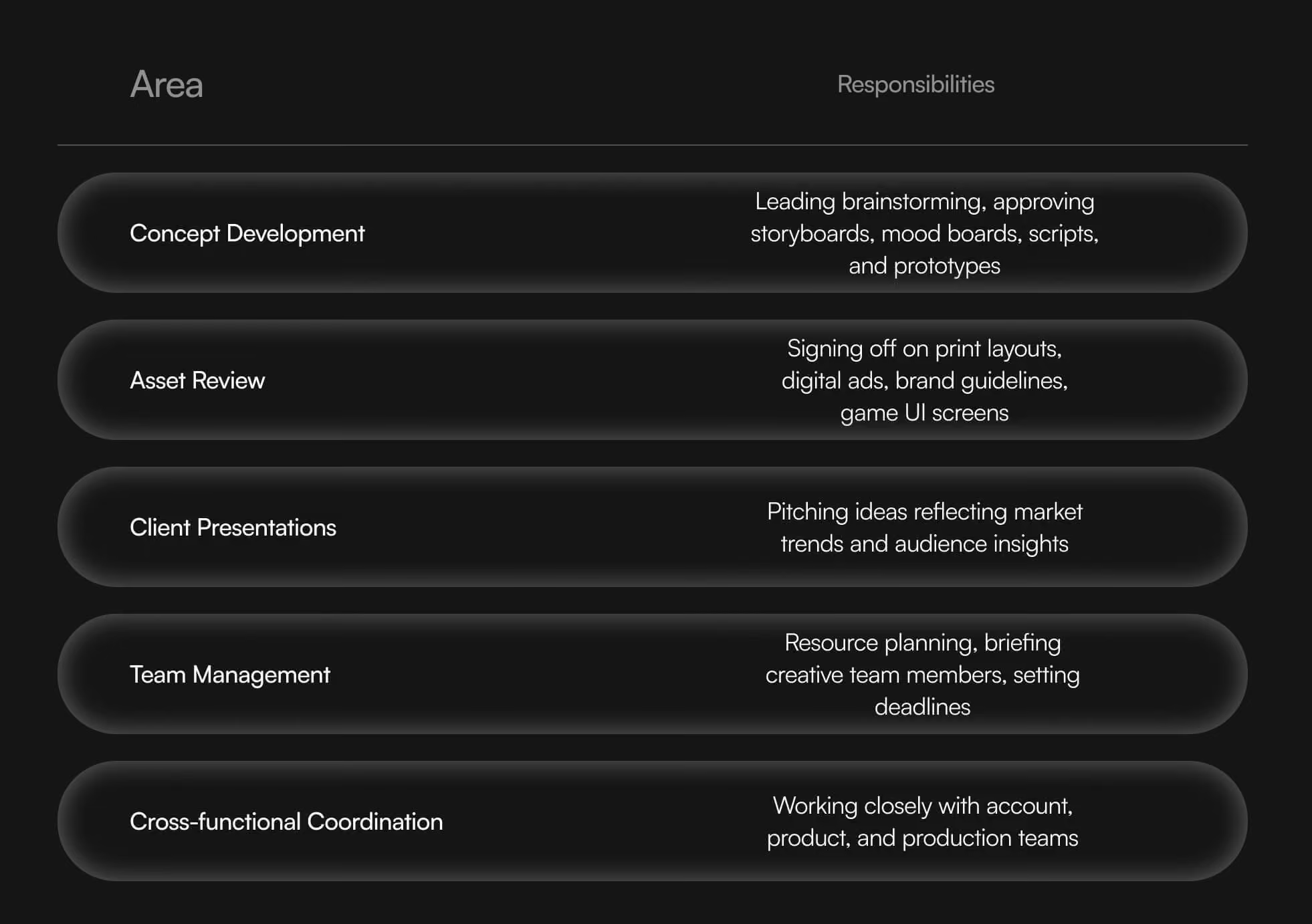
They are tasked with orchestrating branding, advertising, marketing campaigns, media productions, and product design, balancing creativity with practical constraints such as budgets and timelines by applying innovative creative design strategies. Creative directors mentor teams, foster innovative thinking, and are often responsible for hiring new talent.
A director of creative often acts as the primary creative contact for clients and participates in briefings to understand needs. Staying updated on pop culture, design tools, and platforms keeps work contemporary and relevant to the target audience.
Free Brand Health Audit
Make sure your brand is built to sell

Skills, Education, and Personality Traits

Want to learn more about brand platforms, Brand Strategy and Brand Identity? Keep reading!
Salary, Job Outlook, and Director Jobs Market
Salaries vary widely based on location, industry (advertising, tech, video games, fashion), and company size, with gaming studios placing a premium on leaders who understand effective branding in the gaming industry.
2024-2025 Salary Data:
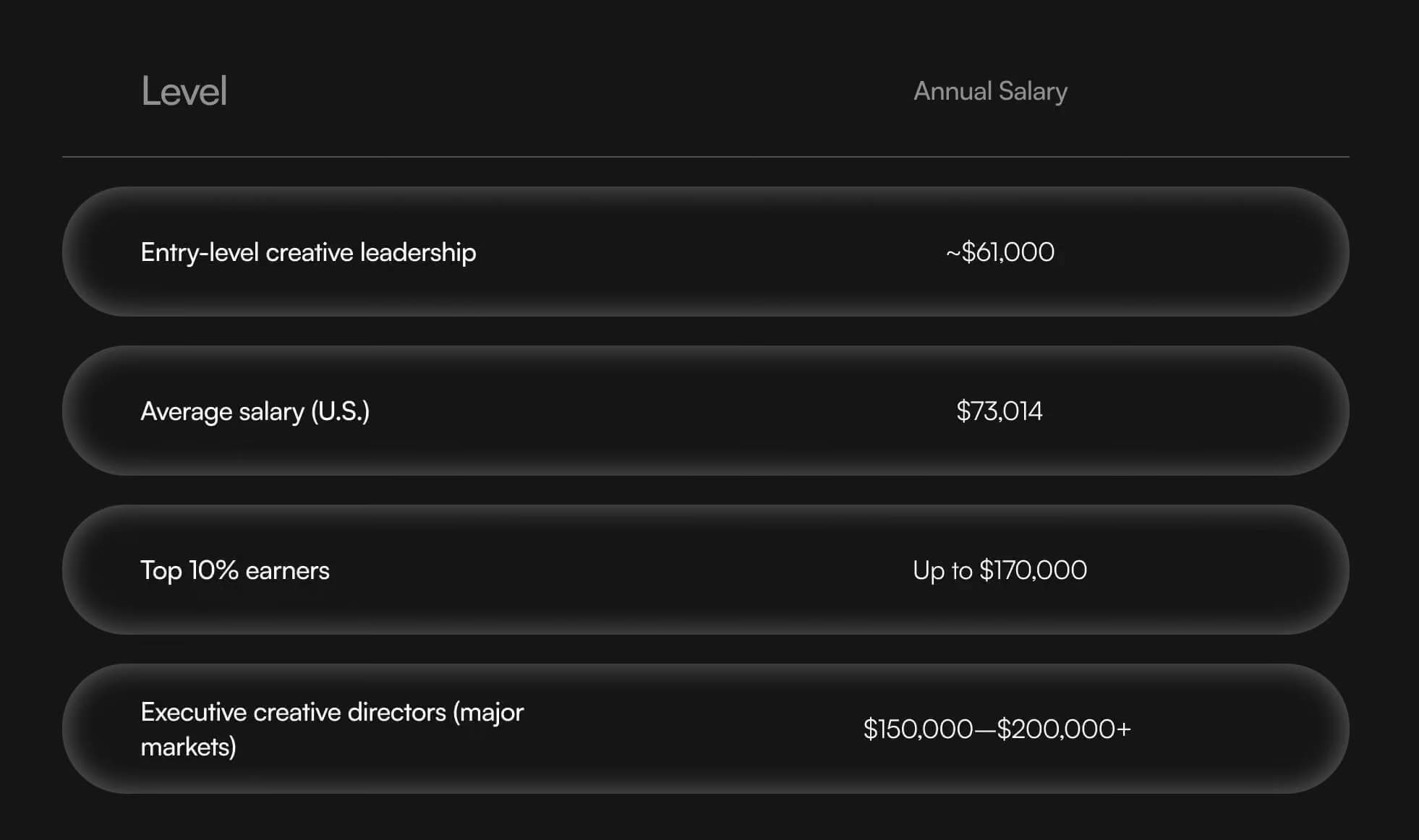
According to Zippia, the average starting salary for a creative director is around $61,000, while the top 10% can earn as much as $170,000 per year. Major hubs like New York, Los Angeles, and San Francisco pay higher, with video game creative directors at studios averaging $140,000–$220,000.
The United States Bureau of Labor Statistics predicts a 4% growth in employment for art directors, which includes creative directors, from 2021 to 2031, indicating a stable job outlook in the creative field. According to labor statistics, creative leadership roles are expected to grow steadily as brands and entertainment companies invest in differentiated content.
How to Become a Creative Director
There’s no single path, but most creative directors spend years building deep expertise before moving into leadership within the creative industry.
Steps to follow:
- Build a foundation: Obtain a bachelor’s degree in a creative field if possible, though exceptional portfolios can sometimes substitute for formal education
- Gain early experience: Work in junior roles—graphic design, copywriting, video editing—to understand production realities
- Develop your portfolio: Creative directors need a robust, high-quality portfolio that showcases a range of successful innovative projects and the ability to maintain brand consistency
- Take leadership opportunities: Mentor juniors, run small projects, present to clients, collaborate with other departments like product and sales
- Advance through intermediate roles: Move into senior designer, lead copywriter, or art director before creative director positions
- Network strategically: Networking and staying updated on industry trends are crucial for aspiring creative directors to advance in their career
Becoming a creative director generally requires 5-10 years of experience in design, copywriting, or marketing with a proven portfolio of leading campaigns.
Developing a Leadership Mindset
Becoming a creative director means shifting from “doing the work” to empowering team members to do their best work. This requires developing soft skills alongside craft expertise.
Practical ways to build leadership:
- Lead critiques and manage small teams
- Learn basic project management and budgeting
- Seek mentorship from experienced professionals and executive creative leaders
- Develop emotional intelligence and conflict resolution abilities
Creative Direction in Specific Industries (Including Video Games)

The director of creative role looks different across sectors, though core principles remain similar.
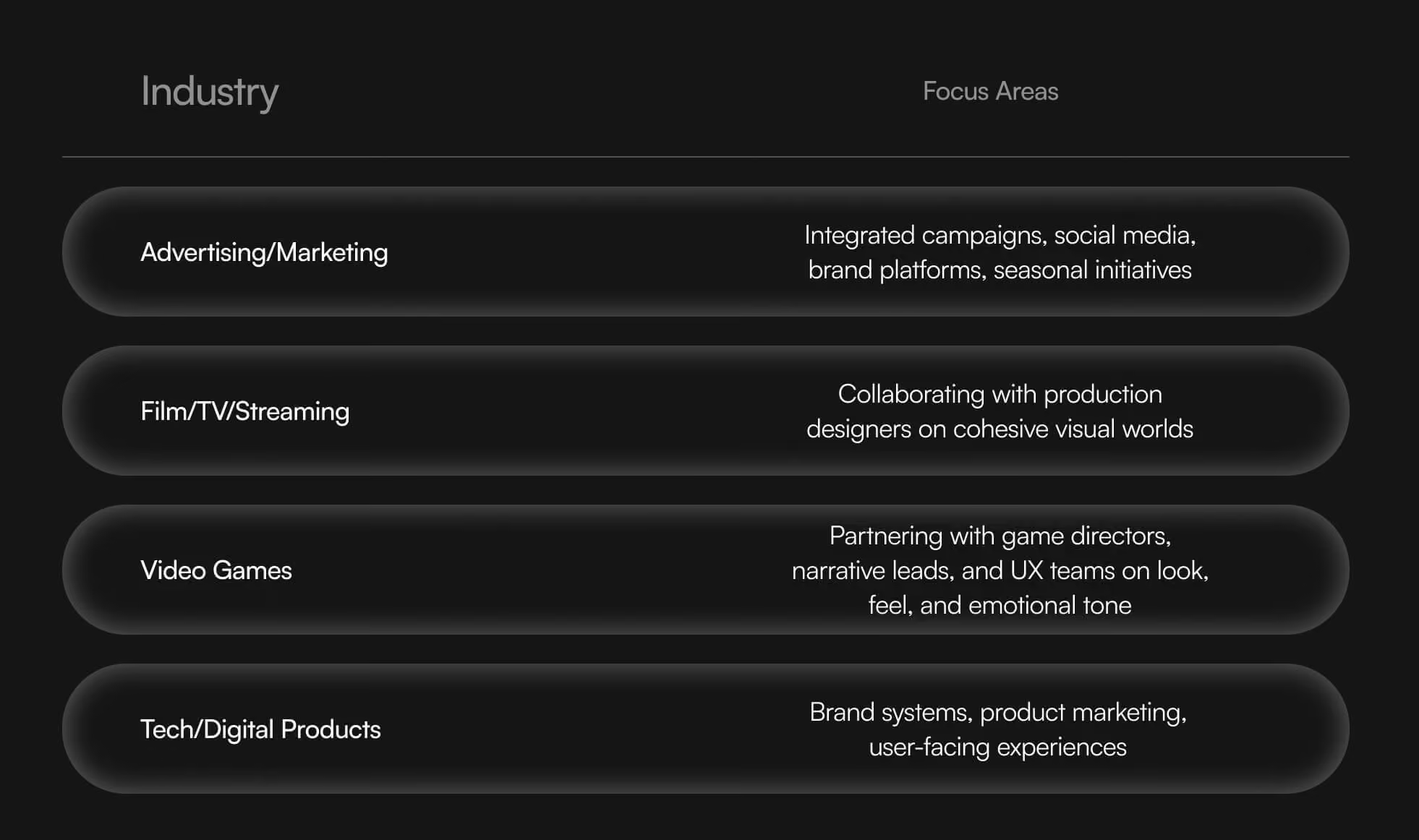
In video games specifically, creative directors work alongside art direction leads to shape everything from character design to interface aesthetics. Research the expectations of your target industry—portfolios and necessary skills differ between fashion campaigns and AAA game studios.
FAQ
Do I need a master’s degree to become a creative director?
A master’s degree is not mandatory but can be helpful for building theoretical knowledge, specialization, and networks—especially in competitive markets. Many successful creative directors hold only a bachelor’s degree plus a strong portfolio and 8–15 years of progressively responsible experience. Weigh graduate school costs against potential benefits for your target industry.
How long does it typically take to become a creative director?
It commonly takes 8–12 years from entry-level roles to a first creative director position. Rapid progression is possible in startups or small agencies, while large global agencies may require more time in intermediate roles. Taking initiative and building a standout portfolio can shorten this timeline.
Can I become a creative director if I start in copywriting instead of design?
Yes—many creative directors come from copywriting or content backgrounds. Copy-led creative directors focus on storytelling and conceptual thinking while collaborating with art directors for visual execution. Copywriters interested in creative direction should learn basic visual principles and get comfortable providing feedback on design.
Is the creative director role suitable for introverts?
The role involves frequent collaboration and presentations, which may feel challenging initially. However, many successful creative directors are introverts who prepare carefully for meetings and use strong one-on-one relationships to lead effectively. Build communication skills at your own pace and seek environments valuing thoughtful leadership styles.
What is the difference between a creative director and an executive creative director?
A creative director typically oversees creative output for specific brands or projects. An executive creative director guides multiple creative directors, sets overall creative standards, and shapes long-term creative strategy. Executive creative roles include more business development, high-level client relationships, and organizational leadership beyond day-to-day project work.

Quincy Samycia
Want to learn more about brand platform?