Graphic Design for Small Businesses: A Practical Guide to Standing Out in 2026

07/29/2026

Design
Discover how professional graphic design helps small businesses build trust, stand out from competitors, and turn every customer touchpoint into a powerful growth opportunity.

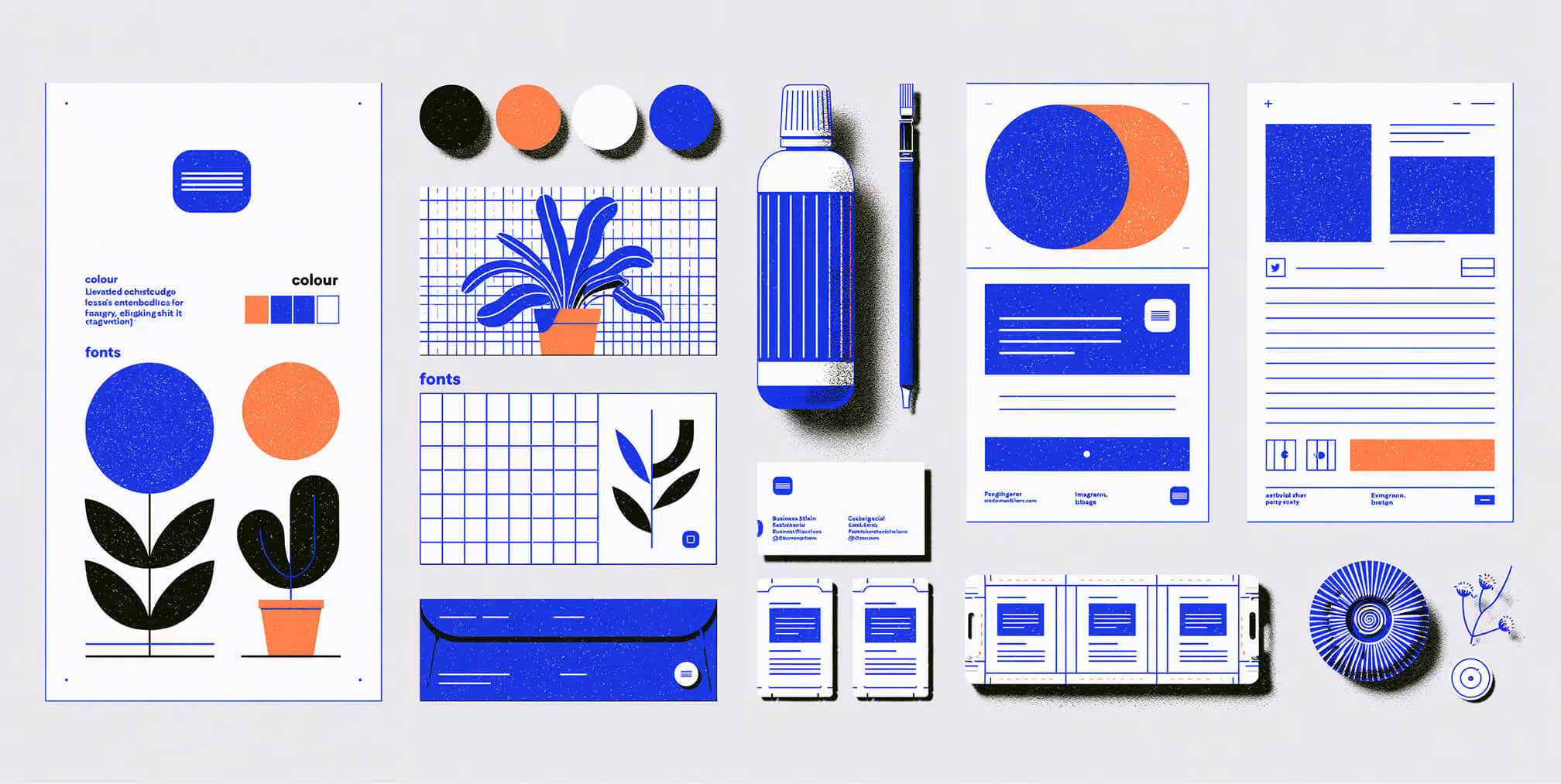
Small business brand identity system with print and digital assets.

For small businesses, great design is more than a competitive advantage—it's often the first impression customers have of your brand. From your logo and website to social media, packaging, and printed materials, every visual element shapes how people perceive your business and influences whether they choose to engage with you. By investing in a consistent, strategic visual identity, small businesses can build credibility, strengthen customer trust, and compete confidently with much larger brands, even on modest marketing budgets.

Quincy Samycia
Play IconPause Icon
0:00
0:00

Graphic Design for Small Businesses: Build a Brand That Stands Out
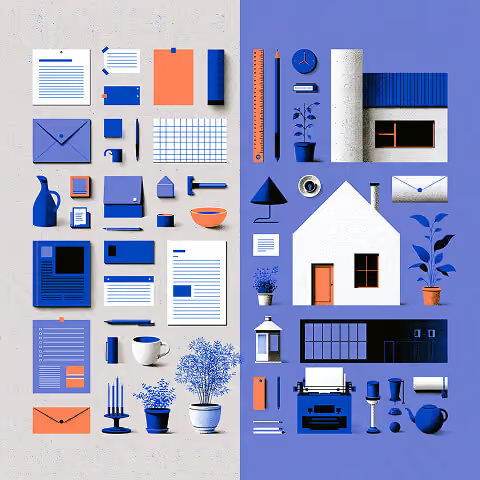
Coordinated stationery and interior design elements.
Small business marketing assets and digital platforms.
Brand guidelines with print, web, and social templates.
No items found.

Key Takeaways

  • Graphic design for small businesses is a powerful tool for building brand identity, attracting potential customers, and competing with larger brands.
  • Consistent visuals, including your logo, color palette, fonts, imagery, website, social media, and print materials, can significantly increase brand recognition and trust.
  • Even with a tight budget, small businesses can combine DIY tools with help from a professional graphic designer for polished, on brand results.
  • Strategic design for small businesses should focus first on a beautiful logo, simple style guide, social media templates, business cards, and core print pieces.
  • Data-backed graphics, infographics, pitch decks, and reports make ideas more impactful for potential clients, partners, and investors.

Why Graphic Design Matters for Small Businesses in 2026

Post-2020, the digital world became crowded. Most customers now research a local business on Google, Instagram, TikTok, or a website before they ever visit. That means visual elements often create the first impression before your staff, product, or service gets a chance.

Good graphic design is not just decoration. It helps communicate value, guide action, and make customers remember your brand. Human brains process visual data much faster than text, making strategic design choices essential for driving customer trust and conversion rates.

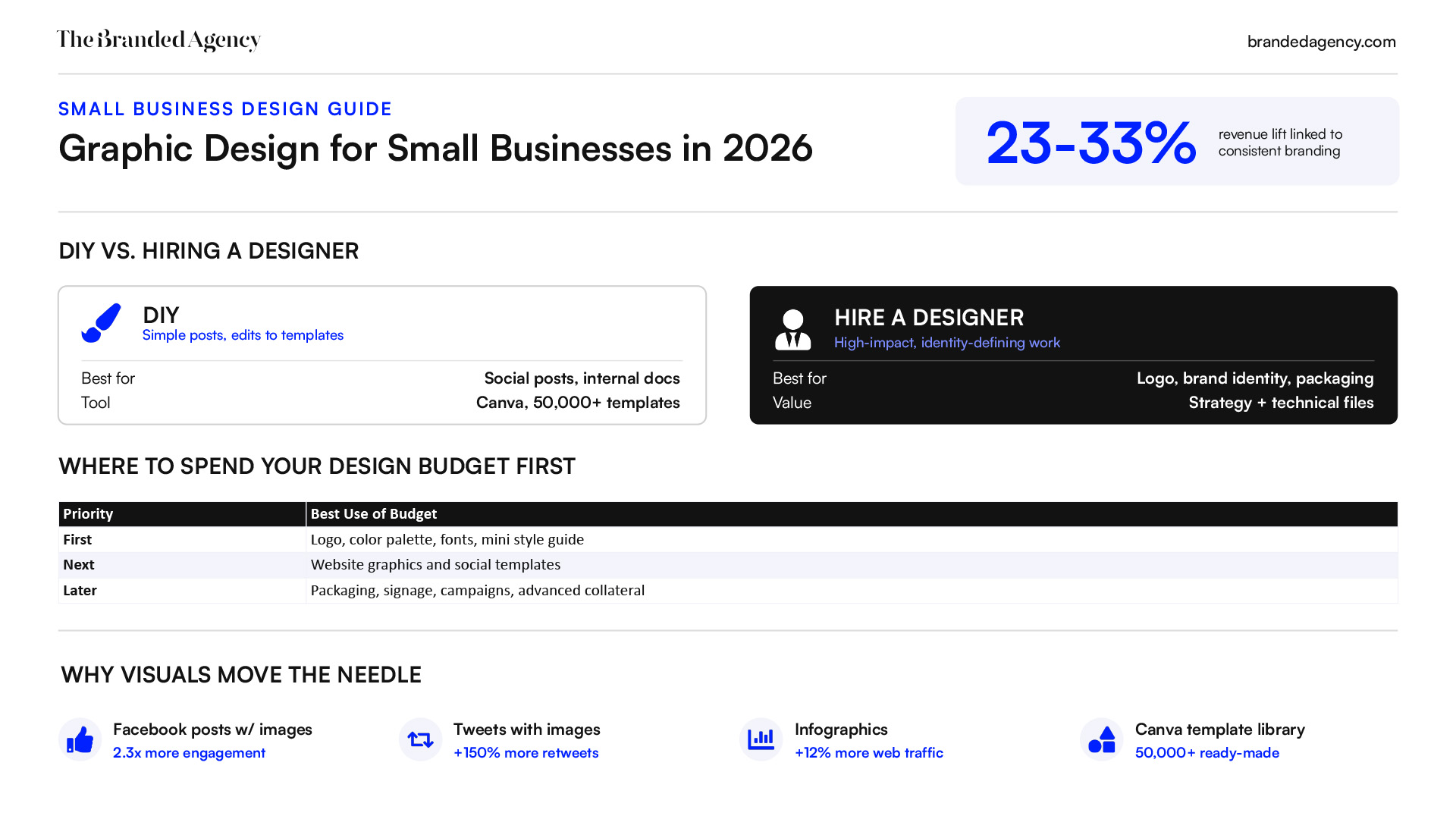
For small business owners, brand design and development starts before a flyer or social posts are created. A strong brand identity defines your logo, brand colors, fonts, images, tone, and brand’s message so every channel feels connected. Understanding and conveying your brand's personality is essential for creating a cohesive and impactful brand identity that resonates with your target audience. Studies have linked consistent branding with revenue lifts of roughly 23–33% according to brand consistency research.

Brand Identity Foundations for Small Businesses

Before you create marketing materials, establish a clear vision for your brand. Effective branding for small businesses requires a cohesive visual identity and strict brand consistency across platforms.

Set these foundations first, including clear brand tone guidelines:

  • Mission, values, audience, and tone of voice.
  • One or two customer profiles, such as local families, budget shoppers, or B2B buyers.
  • A limited color palette of 2-3 primary colors and 1-2 secondary accents is crucial for brand identity.
  • Selecting two to three core colors that reflect brand personality is essential for effective graphic design.
  • Using a maximum of two complementary fonts ensures high legibility and clean formatting in graphic design.
  • Functional graphics instead of generic placeholders, because small businesses should choose functional graphics over generic placeholders to establish industry credibility.

Color psychology plays a significant role in branding; the colors you choose for your brand can evoke specific emotions and perceptions in your audience. Color directly influences consumer perception and emotional connections with brands. Reds and oranges are effective for creating urgency and prompting quick actions in marketing, while blues and greens are effective colors for building trust in financial and medical industries.

A brand guidelines document is essential for maintaining consistency in your brand’s visual identity, outlining logo usage, color palette, fonts, and imagery styles. Maintaining a comprehensive style guide builds brand recognition and trust over time.

Core Visual Assets Every Small Business Needs
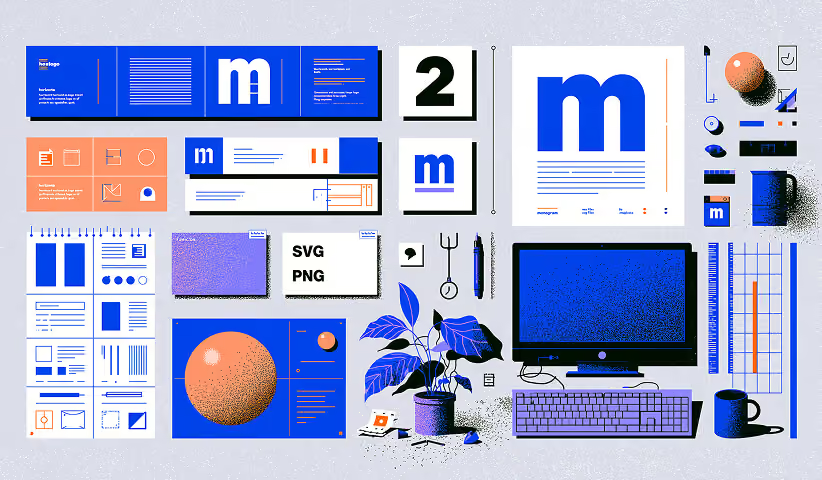
Visual identity system with logo, packaging, and digital mockups.
Marketing graphics with charts, icons, and presentation layouts.
Editorial and social media layout templates.
Packaging and brand guideline layouts for a product line.

Every small business needs a focused marketing arsenal. Start with assets that customers see most often:

  • Logo: Your logo is the most important visual element of your brand, acting as the face of your business and needing to be versatile across various formats.
  • Business cards: A well-designed business card should include your logo, name, contact information, social media handles, and possibly a QR code that links directly to your website or contact page.
  • Print materials: Flyers, brochures, and rack cards allow potential customers to walk away with a tangible reminder of your business, keeping your services fresh in their minds.
  • Website graphics: Banners, buttons, and homepage images should guide users toward booking, buying, or calling.
  • Email templates: Creating reusable templates for social media and email campaigns helps maintain uniformity in marketing materials.
  • Packaging and labels: These serve as a key touchpoint for conveying your brand's message, helping to communicate your brand's personality, values, and story to customers. They create a lasting impression and communicate quality in retail, cafés, and e-commerce, so investing in a thoughtful packaging strategy and design matters.

Low-quality images harm brand credibility and should be avoided in marketing materials. Investing in sharp, professional photography with uniform lighting enhances brand credibility.

Professional Logo Design for Small Businesses

A logo should be simple, memorable, and readable from a 16×16 favicon to a storefront sign. The most recognizable brands use simple, clean graphics that communicate a focused message.

Create these versions:

  • Primary horizontal logo.
  • Stacked logo.
  • Simplified mark or monogram.
  • SVG or EPS vector files.
  • High-resolution PNG/JPG files for digital and print.

Logo design should reflect the brand’s personality. A bakery may use warm cream colors, soft curves, and friendly typography. A fitness studio may use bold shapes, high contrast, and modern fonts. Clear logo branding guidelines and a graphic designer can help make these design elements feel professional rather than random.

Simple Brand Style Guide for Consistency

A starter guide can be a 2–3 page PDF. Include logo rules, color codes, fonts, image style, tone, and examples of website headers, flyers, and social media posts, forming the core of your visual brand guidelines.

Consistency across all marketing channels can significantly increase brand recognition. Keeping designs consistent also helps staff, printers, and freelancers stay on brand without guessing.

Graphic Design for Social Media and Online Presence

Social media is often where customers meet a brand first. Facebook posts with images get 2.3 times more engagement than those without images, highlighting the importance of graphic design in social media marketing. Twitter updates that include images generate 150% more retweets than text-only tweets, showing how visual content can enhance audience engagement.

Use branded social media templates for:

  • Promotions.
  • Testimonials.
  • Announcements.
  • Educational tips.
  • Seasonal campaigns.

Using branded social media templates can help small businesses maintain a consistent and professional appearance across their posts, saving time and effort in content creation. Social media templates help businesses show up consistently and professionally, making it easier to create high-quality posts that are always on-brand.

Tailor graphics by platform: 1080×1080 for Instagram feed posts, vertical for Stories and Reels, and horizontal for LinkedIn or YouTube. Creating animated graphics for social media captures attention in fast-moving digital feeds.

Using High Quality Images and Visual Hierarchy

High quality images should be sharp, well-lit, and relevant images for your audience. Avoid blurry photos, stretched logos, chaotic backgrounds, and excessive graphical elements, because they can detract from the effectiveness of visuals.

Visual hierarchy means guiding the viewer’s eye so prospective clients consume the most vital information first. Use dramatic size differences between headings, subheadings, and body text to emphasize important content. Using contrasting colors or bold weights makes primary call-to-action buttons more prominent.

Ample white space around key elements improves legibility and prevents clutter in design. Negative space in design prevents overcrowding and improves overall legibility. In short: avoid clutter.

Content Marketing Graphics That Bring Customers In

Graphic design supports marketing by turning blog posts, FAQs, and how-to guides into quote cards, carousels, mini-infographics, and thumbnails. Consistent thumbnail styles help customers recognize your brand in search results and recommendation feeds.

Add URLs, calls to action, contact info, and social media handles to downloadable graphics. Graphic design tools like Canva allow users to create high-quality visuals quickly, which is essential for small businesses looking to enhance their online presence and engage with their audience effectively.

Want to learn more about brand platforms, Brand Strategy and Brand Identity? Keep reading!

If you need help with your companies brand strategy and identity, contact us for a free custom quote.

Turning Data and Ideas into Impactful Visuals
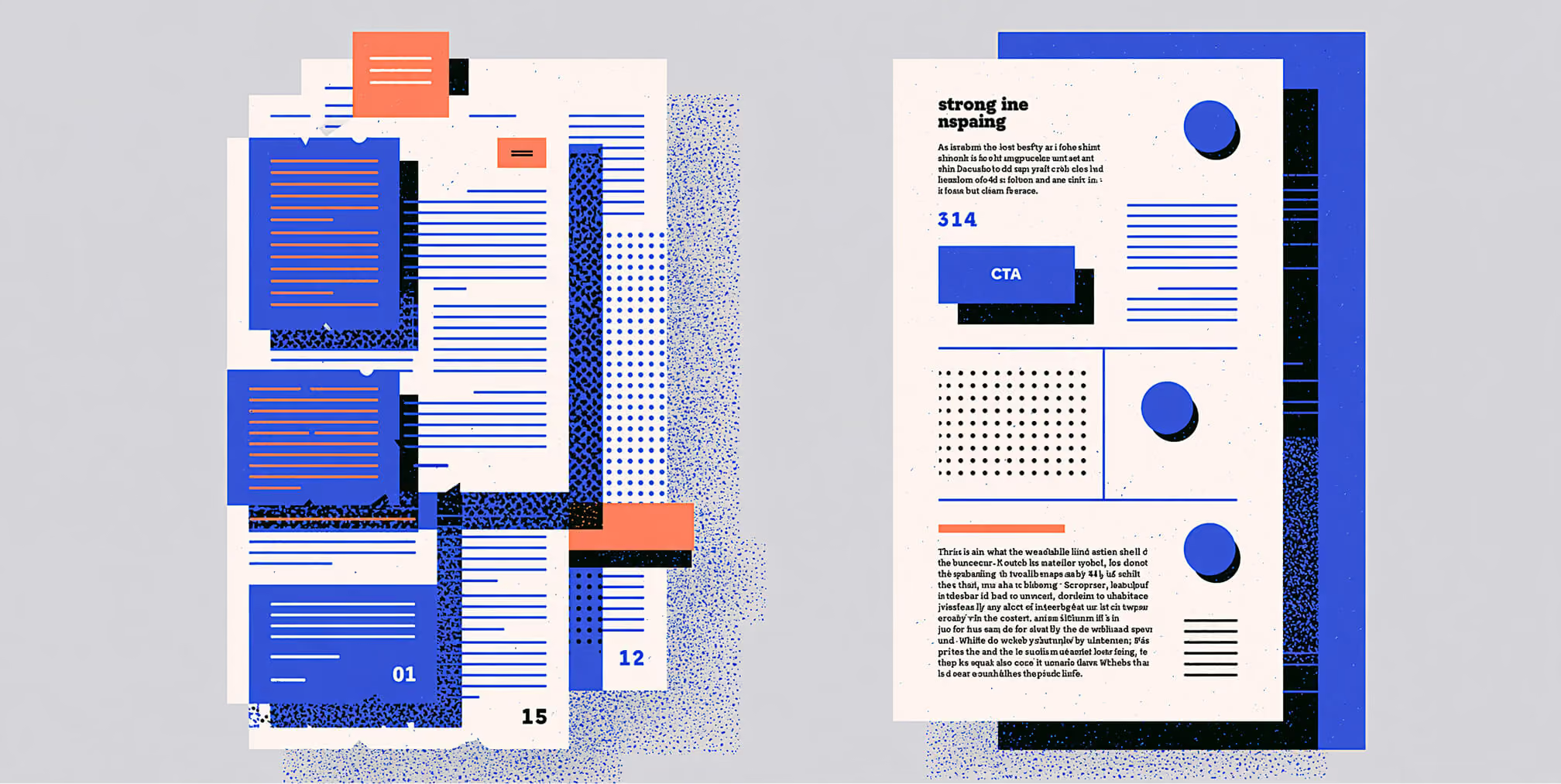
Editorial layouts with bold typography and graphic elements.

Many small businesses already have useful data: sales trends, reviews, survey answers, and service results. Designing custom infographics transforms data into scannable, engaging visual content.

Infographics have been shown to increase web traffic by 12%, making them an effective tool for presenting data visually. Presenting data in a visually impactful way can significantly enhance audience engagement, as opposed to using traditional spreadsheets or text-heavy formats.

Use:

  • Charts for sales trends.
  • Icons for service features.
  • Process diagrams for onboarding.
  • Comparison tables for packages.

Using clean icons or illustrations instead of lengthy descriptions can effectively explain service features. Using graphic design to transform data into visual assets can help communicate key messages effectively, especially in presentations and reports.

Pitch Decks and Presentations for Funding and Partnerships

A strong pitch deck can help a business owner win bank support, grant funding, or private investment. Focus on clean layouts with one idea per slide.

Key slides include:

  • Cover.
  • Problem.
  • Solution.
  • Traction.
  • Business model.
  • Market size.
  • Team.

Use brand colors, readable fonts, charts, and short copy. Professionally designed decks signal reliability, process, and organization beyond the numbers.

Print Materials, Signage, and Real-World Touchpoints

Offline design still plays a key role in 2026. Business cards, brochures, menus, rack cards, and event flyers help people take your brand into real life.

Print materials should use the same logo, color palette, imagery, and tone as your digital channels. Effective graphic design can help businesses stand out in a crowded market by creating visually appealing marketing materials that resonate with their target audience, ultimately driving brand recognition and trust.

Make key information easy to scan. Ensuring critical information like contact data is physically separated from text blocks enhances clarity.

Signage, Menus, and In-Store Design

Storefront signs, window decals, sidewalk boards, menus, and service lists shape the impression walk-in customers form. Use bold typography, high contrast, and simple graphics.

Menus need clear grouping, legible pricing, and enough white space. QR codes can connect print materials to ordering pages, booking systems, or seasonal offers.

Packaging and Labels as Brand Storytellers

Branding packages for small businesses can help here, since packaging may be the only physical conversation your brand has with a customer. Use color, type, and images to show whether the product is handmade, eco-friendly, luxury, or budget-friendly.

Leave room for ingredients, instructions, and legal text. Add a short origin story or founder note to create emotional connection and inspiration.

DIY vs. Hiring a Graphic Designer: Finding the Right Mix

Many small businesses have limited time and budget, so DIY is normal. Use DIY for simple social media posts, internal documents, and edits to existing templates.

Hire a professional designer or branding agency to build a strong business identity for high-impact work: logo creation, full brand identity, packaging, website visuals, or major campaigns. A designer brings strategy, technical files, and judgment that free tools cannot always replace.

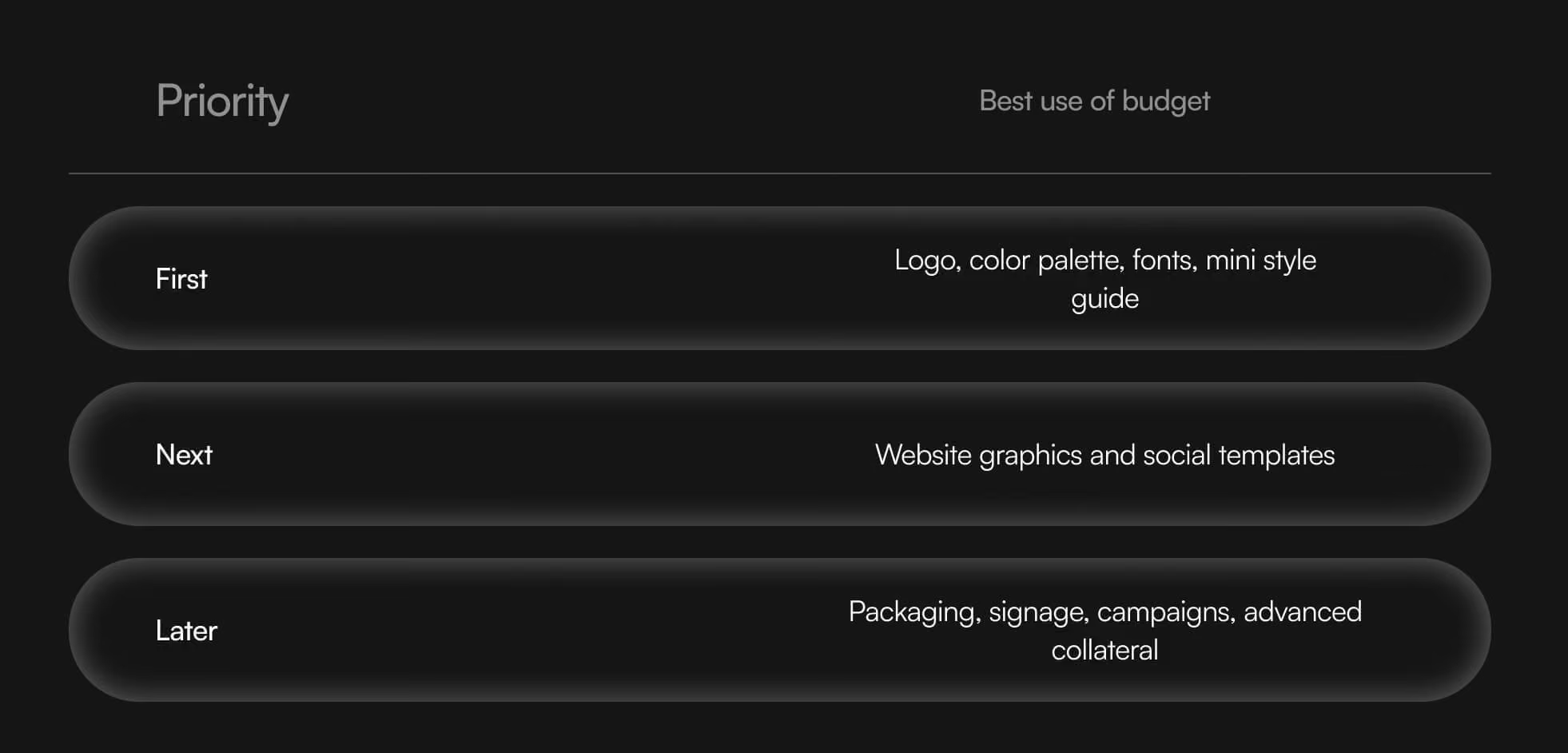
Prioritize your investment:
Making the Most of Design Tools on a Small Budget

Canva offers a massive library of over 50,000 ready-made templates that small businesses can leverage for various design needs, making it a budget-friendly option for non-designers.

Still, templates should be customized. Save your logo, brand colors, fonts, and image rules in one place. Batch a month of graphics in one project session to save time and keep the look consistent.

Review DIY graphics quarterly. If the work no longer matches the original identity, it may be time to hire help.

Measuring the Impact of Your Graphic Design

Product packaging and printed brand materials.

Great design should support success, not just aesthetics. Track whether graphics improve inquiries, sales, referrals, and repeat visits.

Useful metrics include:

  • Social media engagement.
  • Website conversion rate.
  • Email click-through rate.
  • Coupon or QR code redemptions.
  • In-store feedback from customers.

A/B test a landing page hero image, flyer, or ad graphic. Ask customers whether packaging is clear, signage is readable, and your website is easy to navigate. Then refine without changing core brand identity too often.

FAQ: Graphic Design for Small Businesses

How much should a small business budget for graphic design in the first year?

A practical first-year budget can range from a few hundred to a few thousand dollars. Our overview of how much branding should cost can help you prioritize. Start with logo design, a mini style guide, website graphics, and core print materials before expanding.

Can I use free templates and still build a unique brand identity?

Yes, but customize them with your own logo, colors, fonts, photography, and brand’s message. Templates are a starting point, not a final strategy.

How often should I refresh my brand design?

Review visuals annually. Minor updates every 1–2 years are usually enough, while major refreshes may happen every 5–7 years or after a big business change.

Do small local businesses really need a style guide?

Yes. Even a one-page guide keeps social media, signage, print materials, and staff-created documents consistent. That consistency builds trust.

What’s the biggest graphic design mistake small businesses make?

The biggest mistake is inconsistency: mixed fonts, changing colors, random imagery, and layouts with no focus. A simple system, clean layouts, and repeated patterns make your graphics more professional.

Graphic design gives your small business a way to connect, stand out, and make every customer touchpoint feel intentional. Start with the essentials, keep them consistent, and improve them as your brand grows.

An image of the author Quincy Samyica

Quincy Samycia

As entrepreneurs, they’ve built and scaled their own ventures from zero to millions. They’ve been in the trenches, navigating the chaos of high-growth phases, making the hard calls, and learning firsthand what actually moves the needle. That’s what makes us different—we don’t just “consult,” we know what it takes because we’ve done it ourselves.

Want to learn more about brand platform?

If you need help with your companies brand strategy and identity, contact us for a free custom quote.

We do great work. And get great results.

DrTung’s
Breathed new life into a storied oral care brand with a smarter site and marketing for scalable growth.

+2.3x
Increase in revenue YoY

+126%
Increase in repurchase rate YoY

READ MORE
DrTung’s oral care product image with a smiling man, tooth powder tabs, and activated charcoal floss.
Smartphone on a textured blue surface displaying a DrTung’s ad with the text “Make the Switch” and an image of a woman holding herbal tooth powder tabs.
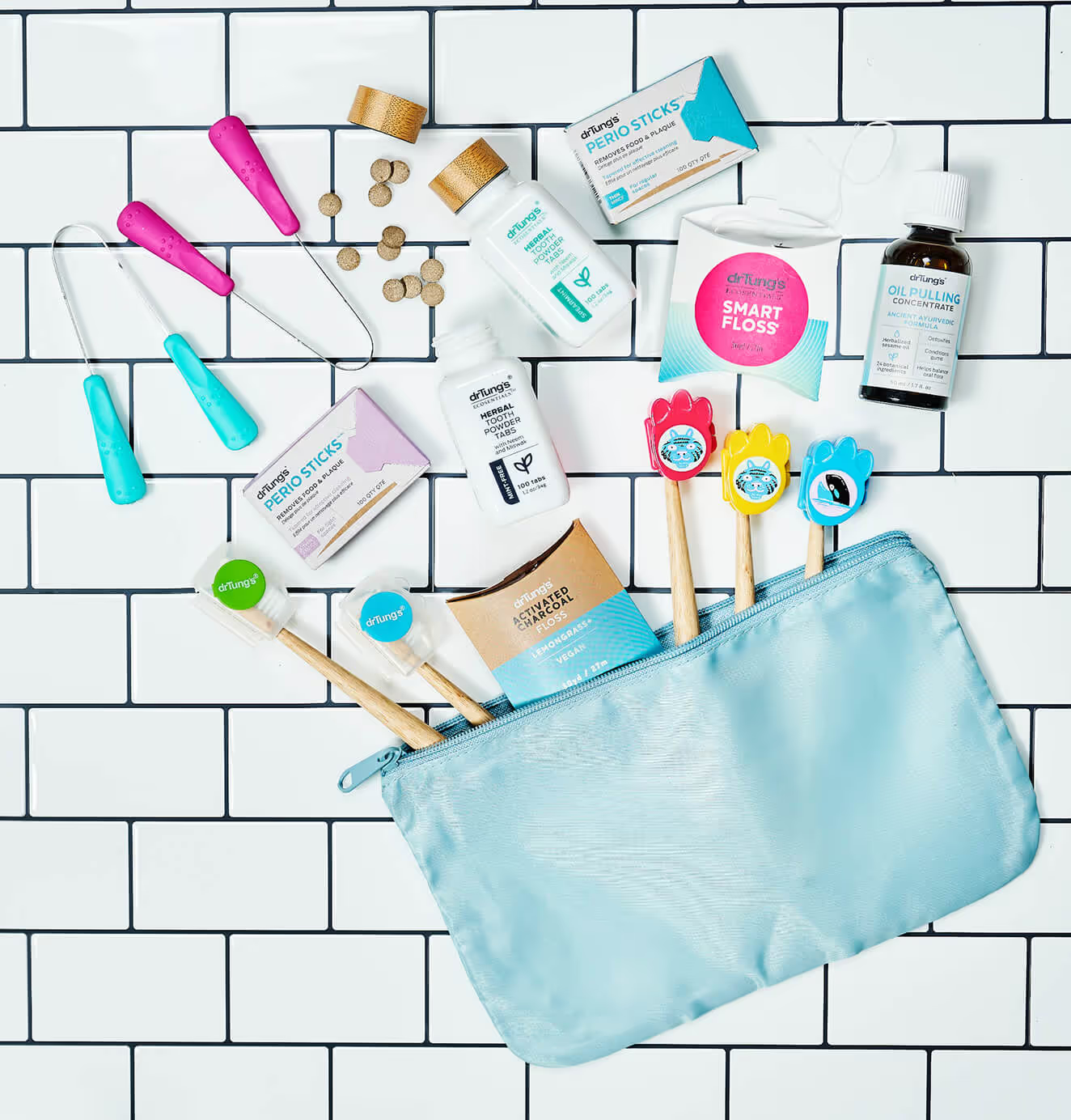
Flat lay of DrTung’s oral care products, arranged with a blue pouch on white tile.
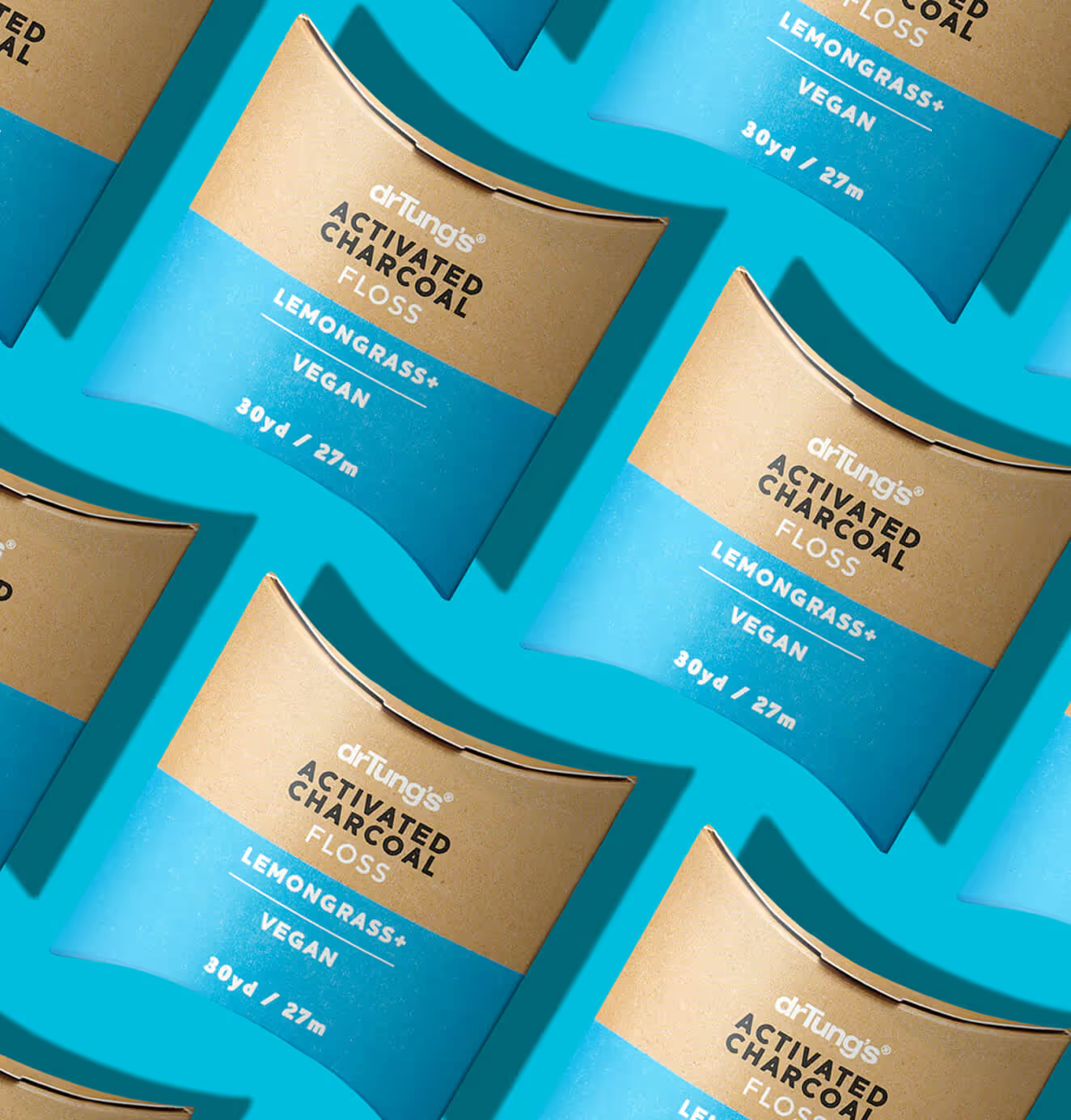
DrTung’s Activated Charcoal Floss packaging arranged in a repeating pattern on a bright blue background.
DrTung’s oral care product image with a smiling man, tooth powder tabs, and activated charcoal floss.
Smartphone on a textured blue surface displaying a DrTung’s ad with the text “Make the Switch” and an image of a woman holding herbal tooth powder tabs.
Flat lay of DrTung’s oral care products, arranged with a blue pouch on white tile.
DrTung’s Activated Charcoal Floss packaging arranged in a repeating pattern on a bright blue background.
Mary Louise Cosmetics
Scaled a heritage-inspired clean beauty brand with modern performance marketing and farm-to-face storytelling.

+93%
Revenue growth in first 90 days

+144%
Increase in attributed revenue

READ MORE
Mary Louise Lilac & Shea Body Butter jar with creamy texture and lavender sprigs on a beige surface.
A Mary Louise Miracle Serum bottle with a dropper cap, lying on a bed of small yellow flowers.
Mary Louise body butter promotional print materials with product photography and skincare application imagery.
Mary Louise Miracle Serum bottles arranged in a close-up pattern with pale yellow dropper caps.
Mary Louise Lilac & Shea Body Butter jar with creamy texture and lavender sprigs on a beige surface.
A Mary Louise Miracle Serum bottle with a dropper cap, lying on a bed of small yellow flowers.
Mary Louise body butter promotional print materials with product photography and skincare application imagery.
Mary Louise Miracle Serum bottles arranged in a close-up pattern with pale yellow dropper caps.
Eyecart
Made eye care feel modern, then marketed it like a DTC darling—with the results to match.

+91%
Increase in conversion rate

+46%
Increase in AOV

READ MORE
Eyecart optical care campaign image with a smiling woman holding a branded magnifying lens over one eye.
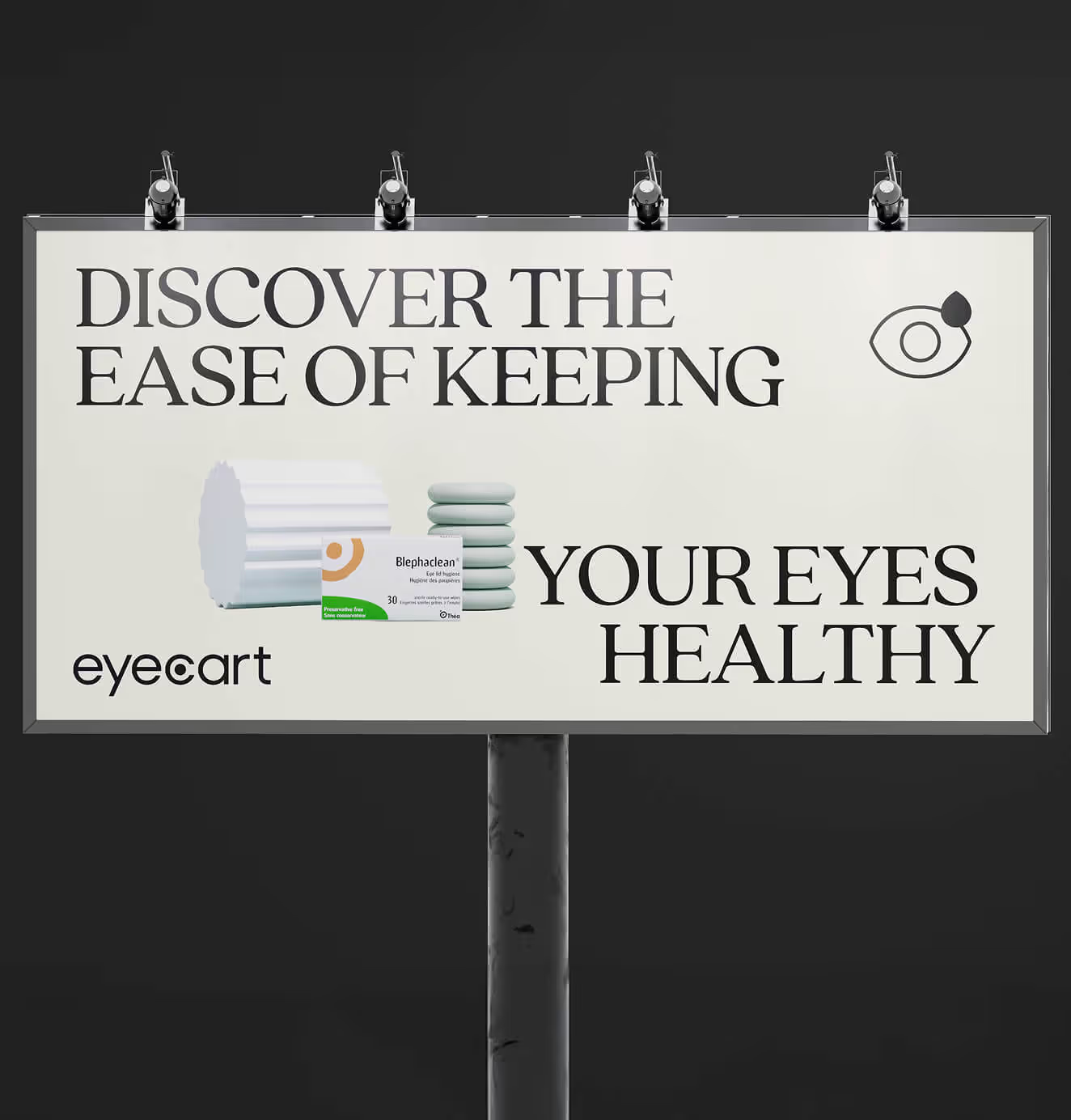
Eyecart billboard campaign featuring Blephaclean eye care wipes and healthy eye care messaging.
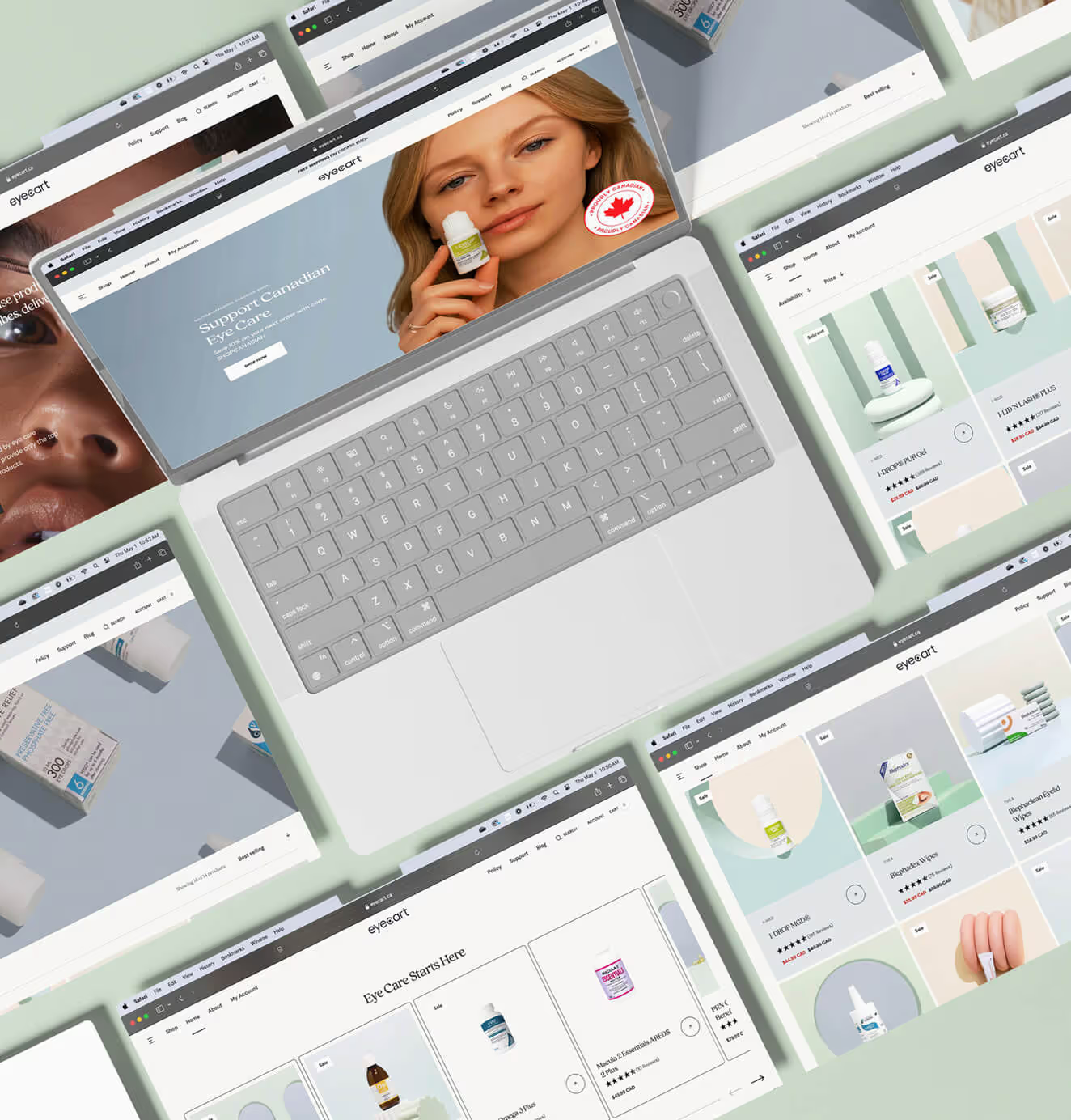
Multiple laptop screens display the Eyecart website, showcasing product pages and banners promoting eye care items.
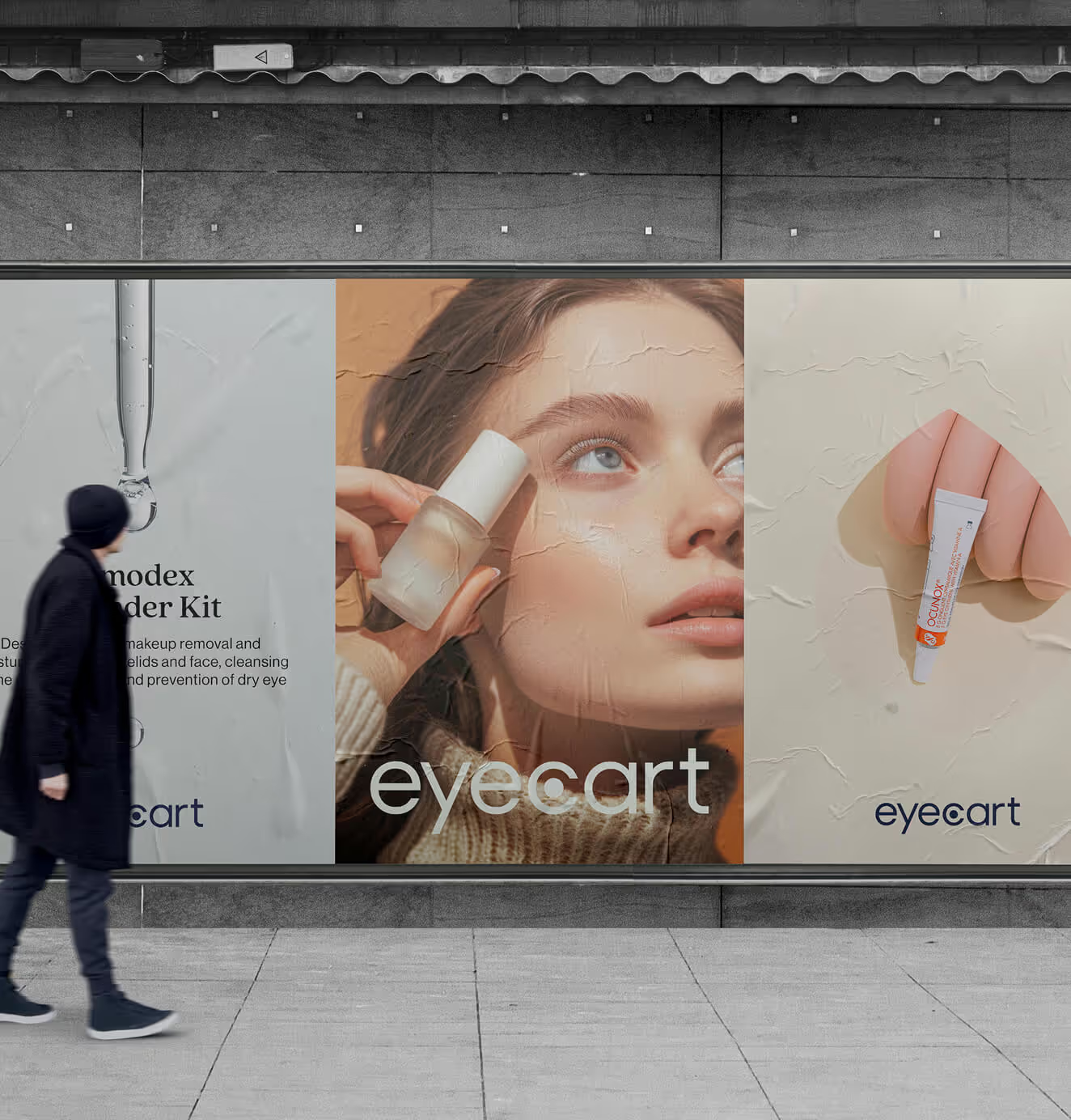
Eyecart outdoor campaign posters featuring eye care products, skincare visuals, and modern branding.
Eyecart optical care campaign image with a smiling woman holding a branded magnifying lens over one eye.
Eyecart billboard campaign featuring Blephaclean eye care wipes and healthy eye care messaging.
Multiple laptop screens display the Eyecart website, showcasing product pages and banners promoting eye care items.
Eyecart outdoor campaign posters featuring eye care products, skincare visuals, and modern branding.
Lucky Girl Rosé
We turned a zero-carb rosé into a lifestyle brand that makes every moment worth celebrating.

+200%
Increase in conversion rate

+688%
Increase in attributed revenue

READ MORE
A bottle of Lucky Girl rosé wine nestled among pink and white flowers in a rustic outdoor setting.
Lucky Girl rosé picnic setup with wine bottle, fruit, sunglasses, and The Lucky Club booklet.
Lucky Girl rosé campaign visual with a wine glass, gold tray, red nails, and Pour Yourself Some Luck text.
Lucky Girl rosé wine bottle with floral label design and soft pink lifestyle styling.
A bottle of Lucky Girl rosé wine nestled among pink and white flowers in a rustic outdoor setting.
Lucky Girl rosé picnic setup with wine bottle, fruit, sunglasses, and The Lucky Club booklet.
Lucky Girl rosé campaign visual with a wine glass, gold tray, red nails, and Pour Yourself Some Luck text.
Lucky Girl rosé wine bottle with floral label design and soft pink lifestyle styling.