How to Start a Business in North Carolina (Step‑by‑Step 2026 Guide)
08/05/2026
Business
Start your North Carolina business with confidence using this practical guide to business registration, licensing, taxes, and compliance so you can launch faster and avoid costly mistakes.

Starting a business in North Carolina involves more than choosing a name and opening your doors. Entrepreneurs need to validate their idea, select the right legal structure, register with the state, identify required licenses, set up tax accounts, and build a compliant financial foundation. This guide walks through each step so you can launch with greater confidence and take advantage of North Carolina’s growing markets, competitive costs, and business-friendly environment.
.png)


How to Start a Business in North Carolina in 2026


Key Takeaways
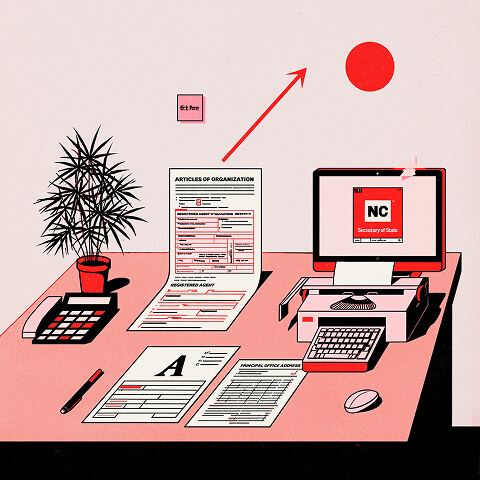
- North Carolina is consistently ranked a top state for business due to low cost of living, a declining corporate tax rate (2.00% in 2026), and growing metro areas. You can launch a small business here by following 8–10 clear steps: refine your business idea, write a plan, pick a structure, register, get licenses, set up taxes, open a bank account, and stay compliant.
- Most formal businesses must register with the NC Secretary of State, appoint a registered agent with a North Carolina street address, and choose a business structure such as a limited liability company or corporation.
- There is no single statewide general business license, but nearly 950 regulatory and occupational licenses exist in North Carolina. Many industries and cities-Raleigh, Charlotte, Greensboro, Durham, Asheville-require specific licenses and permits.
- You will likely need an employer identification number from the IRS, a sales and use tax number from NCDOR if you sell taxable goods or services, and a dedicated business bank account to separate finances.
- Environmental regulations, worker's compensation insurance, and local zoning rules may apply depending on your location and industry. The FAQ at the end covers common edge‑case questions.
Introduction: Why Start a Business in North Carolina Now?
Starting a business in North Carolina in 2026 puts you in one of the fastest-growing states in the country. Population growth in metro areas like Raleigh–Durham and Charlotte keeps fueling demand across tech, manufacturing, agriculture, and tourism. The state's corporate income tax drops to just 2.00% this year-and is scheduled to hit 0% by 2030.
CNBC has repeatedly ranked North Carolina among the top three states to do business, and that reputation continues to attract entrepreneurs nationwide. In practice, launching a new business here means choosing a business structure, completing business registration with the state, getting any necessary licenses, setting up tax accounts, and opening a business bank account.
Here is what this guide covers:
- Idea validation and business plan development
- Legal setup, entity registration, and naming
- Tax registration and licensing
- Banking, financing, and startup costs
- Compliance, hiring, and growth
Free Brand Health Audit
Make sure your brand is built to sell
Search has changed. Your customers aren't just Googling anymore. They're asking ChatGPT, Perplexity, Gemini and other AI platforms what to buy, who to trust and which brands they should consider.
If your brand isn't showing up clearly in those answers, you're already losing opportunities. Our free Brand Health Audit shows you where your brand stands across traditional search, AI search and brand positioning.

Sample brand audit
Live preview
Traditional search
72
AI search (GEO)
34
Brand positioning
58
How to Start a Business in North Carolina: 14 Essential Steps



Step 1: Clarify Your Business Idea and Market in North Carolina
Every new business starts with a clearly defined business idea-the specific problem you solve and who you solve it for. Think locally: a coffee shop in downtown Raleigh, a short-term rental management service in Asheville, a logistics startup near Charlotte, or an online consulting business serving clients statewide.
Use structured small business idea generation and validation strategies to strengthen your concept before investing significant time or money.
Validate demand by researching your target audience and competitors:
- Check NC Department of Commerce data and city economic development offices
- Talk to potential customers in your county or metro area
- Answer these questions: Who is my target customer? What will I charge? Which city or county will I operate in? How does my offer differ from what already exists?
Step 2: Build a Practical Business Plan (Not Just for Banks)
Even micro-businesses benefit from a simple written business plan. A business plan is essential for obtaining loans, and it serves as a roadmap to profitability. A detailed business plan outlines long-term goals and helps navigate challenges in business.
Your plan should cover:
- Executive summary and company description
- Market analysis for your NC region
- Marketing and sales plan
- Operations plan
- 2–3 years of basic financial projections estimating realistic startup costs for your North Carolina city or county
For free help, tap into the Small Business & Technology Development Center (SBTDC), which offers a free Startup Accelerator Program, the Small Business Center Network at community colleges, and city-level entrepreneurship hubs.
Step 3: Choose the Right Business Structure in North Carolina
Your business structure determines liability protection, how income is taxed, and how decisions are made. North Carolina recommends consulting an attorney or accountant when choosing a business structure. The state offers five main business structures: LLC, corporation, nonprofit, partnership, and sole proprietorship.
- A sole proprietorship is the simplest business structure but offers no liability protection-you are personally liable for all debts.
- A partnership shares liability among owners; general partners face unlimited exposure.
- An LLC provides liability protection and pass-through taxation, making it the most popular choice for small business owners.
- A c corporation can issue stock and attract outside investment, ideal for high-growth startups seeking venture capitalists.
- Nonprofits reinvest revenue to achieve social objectives instead of distributing profits.
Sole proprietorships and general partnerships do not require formation filings with the NC Secretary of State, but LLCs, corporations, and nonprofits do-creating a legal entity separate from the owner.
Step 4: Name Your Business and Check for Availability
Pick a distinctive, easy-to-spell brand name that fits your brand and North Carolina customer base. No two businesses can register the same name in North Carolina.
- Do a business name search: search the NC Secretary of State's Business Registry for existing entities with similar names.
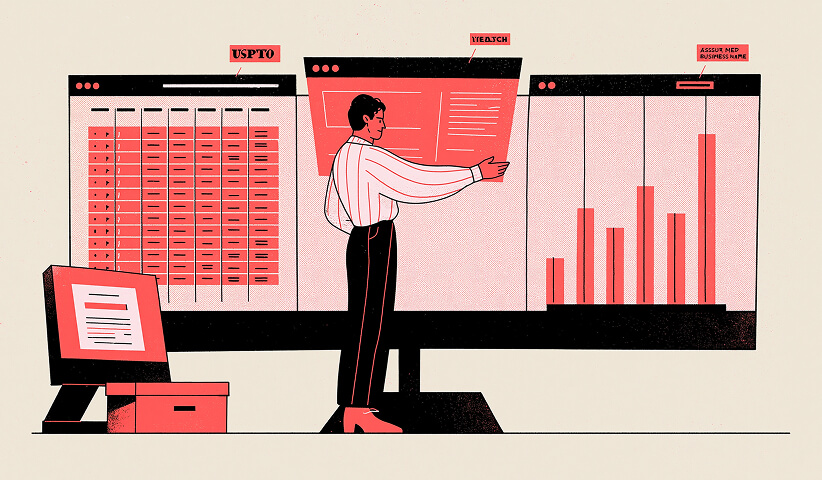
- Run a basic trademark search with the USPTO for conflicts.
- Understand the difference between an official entity name and an assumed business name (DBA). For example, "Triangle Roasters LLC" might operate as "Raleigh Coffee Lab" using an assumed business name filed at the county level.
- You can reserve a business name with the state's office if you are not ready to register-the fee is $10 for a temporary hold.
Step 5: Register Your Business Entity with the NC Secretary of State
You must register your business with the North Carolina Secretary of State for LLC or corporation formation. Sole proprietors and general partnerships skip this step, focusing instead on local licenses and DBAs.
The registration process involves:
- Preparing articles of organization (LLC) or articles of incorporation (corporation)
- Paying the state filing fee ($125 for LLCs)
- Appointing a registered agent-an individual or company with a physical NC street address who receives legal notices during normal business hours
- Providing basic business details: principal office address, initial members or directors, and effective date
You can electronically register through the NC secretary of state's online portal or file by mail.
Step 6: File an Assumed Business Name (If You Use a DBA)
If your business operates under a name different from its legal entity name or owner's personal name, a DBA must be filed with the county Register of Deeds. This is the assumed business name certificate.
Include the following information: the real name of the owner or entity, the assumed name, principal place of business, and counties in which the name will be used. Multi-county listings are available if you operate across several areas. Banks often require this certificate before opening a business bank account for a sole proprietor using a trade name.
Step 7: Register for Federal and State Tax Numbers
Tax registration is a core step. For tax purposes, most multi-owner entities, employers, and businesses opening a bank account need an employer identification number from the IRS. You can obtain an EIN for free on IRS.gov-it takes minutes. Some sole proprietors without employees can use their social security number, though many still choose an EIN for privacy.
Register for sales and use tax with the NC Department of Revenue if selling goods or certain taxable services. This gives you an account id number. The NCDOR's online business registration system also lets you set up withholding tax accounts and other state tax types in a single session-no paper forms required.
Step 8: Get Required North Carolina Business Licenses and Permits
North Carolina has no statewide general business license. However, there are nearly 950 regulatory and occupational licenses in North Carolina. Licenses and permits needed vary by business activity, and businesses may need local licenses in addition to state permits. Some businesses may not be subject to any licensing requirements at all.
Concrete examples of licenses required include state-issued permits for contractors, real estate brokers, food service establishments, childcare providers, health professionals, and alcohol sales. Obtain required local business permits depending on municipality regulations-you must check local requirements for business licenses in each city.
To research license requirements:
- Visit the state's business guide, which includes access to the North Carolina Business & Occupational License Database
- Contact your city or town hall for local business license rules
- Call edpnc small business advisors for expert guidance on several state requirements
Keep a simple checklist of license renewal dates and fees, and create calendar reminders to ensure compliance year after year.
Step 9: Understand Environmental and Zoning Regulations
Some industries face environmental regulations in North Carolina-manufacturing, auto repair, waste handling, construction, and businesses near waterways may all trigger review. The NC Department of Environmental Quality (DEQ) oversees environmental permits; local counties may add rules on stormwater or hazardous materials.
Check with your city or county planning department to confirm your location is zoned for the intended business use. A home occupation permit or special use permit may be required. Examples that trigger review: building a light manufacturing facility outside Greensboro or opening a brewery with wastewater considerations.
Step 10: Open a Dedicated Business Bank Account in North Carolina
Open a separate business bank account to maintain clear financial records. Separating personal and business finances preserves liability protection for LLCs and corporations and simplifies bookkeeping.
Banks typically require:
- An EIN (you need an EIN to open a business bank account in NC) or SSN for some sole proprietors
- Approved formation documents
- Assumed business name certificate if using a DBA
- Personal identification
Compare North Carolina banks and credit unions for the right bank: look at monthly fees, minimum balances, online banking tools, local branch access in your city, and whether they offer small business loans or credit cards. A business bank account also helps build a credit history separate from the owner's personal credit.
Step 11: Budget for Startup Costs and Arrange Financing
Accurately estimating startup costs helps avoid cash-flow crises. Typical costs for a North Carolina small business include lease or space purchase, renovations, equipment, inventory, licensing and permit fees, legal and accounting services, insurance premiums, utilities, and marketing.
Common business financing sources:
- Personal savings-the most common funding source for new businesses
- Friends and family
- SBA-backed small business loans through local banks
- Community development financial institutions, which offer competitive funding terms
- Angel investors or venture capitalists for scalable startups
The Small Business & Technology Development Center provides equity capital assistance. SBTDC, SBCN, and local chambers of commerce help business owners refine projections and connect with lenders. A detailed business plan helps secure loans and funding from any of these sources.
Step 12: Set Up Accounting, Payroll, and Ongoing Tax Compliance
From day one, set up a simple bookkeeping system to track income, expenses, sales tax collected, and payroll. Options include hiring a local accountant, using cloud accounting software, or combining both. Save for quarterly estimated taxes-North Carolina's flat individual income tax rate is 3.99% for 2026.
Key compliance tasks:
- Filing sales and use tax returns (monthly, quarterly, or annually depending on volume) with the north carolina department of Revenue
- Remitting withholding tax if you have employees
- Filing annual reports with the NC Secretary of State (LLCs pay $200 paper / $203 online by April 15 each year)
Prioritize record keeping-retain documents for several years and consult NCDOR resources or a professional if you are unsure how to file.
Step 13: Hire Employees and Meet Labor Requirements
Once your business in north carolina hires employees, you must comply with federal and state labor laws. Employers must register with the IRS and NCDOR, report new hires to the North Carolina New Hire Directory, and follow federal I-9 employment eligibility verification rules.
Obtain an employer identification number from the IRS for hiring and operating. Worker's compensation insurance is required once you reach three or more employees, with some exceptions for agricultural and domestic workers. Unemployment insurance registration is also necessary.
The North Carolina Department of Labor sets standards for occupational safety and health. Post required workplace notices and maintain proper payroll records.
Step 14: Launch, Market, and Grow Your North Carolina Business
After legal and financial setup, announce your launch and start attracting customers. Practical tactics include local ribbon-cutting events, social media campaigns targeted to your city, introductory offers, and partnerships with complementary businesses.
Local chambers of commerce offer networking and mentoring for local entrepreneurs. Join your county chamber, attend small business meetups, and connect with university entrepreneurship hubs. In the first 6–12 months, track revenue growth, customer feedback, and profitability-then adjust pricing, marketing, or offerings to build a successful long-term operation.
Want to learn more about Marketing? Keep reading!
If you need help with your companies brand strategy and identity, contact us for a free custom quote.
Online Business Registration and Remote‑Friendly Options

Many parts of starting and running a business in North Carolina can now be handled online. The NC Secretary of State offers online filing for entity formations and annual reports, and NCDOR's online business registration system lets you electronically register tax accounts without mailing paper forms.
Home-based and online businesses must still comply with local zoning, HOA rules, and industry-specific licensing. Online-first businesses should also pay attention to digital marketing, data privacy, and collecting and remitting sales tax on online sales to North Carolina customers.
Where to Get Free Help and Training in North Carolina
North Carolina offers free assistance through its small business advisors and a strong support ecosystem. Key resources:
- Edpnc small business advisors handle licensing and regulatory questions
- SBTDC provides growth counseling, capital access, and assistance to entrepreneurs
- The Small Business Center Network at community colleges offers startup workshops and one-on-one counseling-free business support is available through statewide counseling networks
- University-affiliated entrepreneurship hubs in Raleigh, Greensboro, and Charlotte provide co-working, mentorship, and prototype development
Bookmark these resources and reach out early in the planning process. Expert guidance is most valuable before problems arise-not after.
Frequently Asked Questions About Starting a Business in North Carolina
Do I need a business license to operate any small business in North Carolina?
North Carolina does not issue a single statewide general business license that covers all activities. However, many professions, trades, and locations require specific state or local licenses. Some very small or home-based businesses may have minimal license requirements, but they must still follow zoning rules and tax laws. Always check with your city, county, and state licensing boards before assuming you are exempt.
Can I run a home‑based business in North Carolina?
Many entrepreneurs in North Carolina legally run home-based businesses, especially online services, consulting, and professional practices. However, local zoning ordinances, HOA or condo rules, and lease agreements may limit or condition home-based operations. Retail with foot traffic or auto repair typically cannot operate in residential areas. Confirm allowed uses with your city or county planning department and obtain a home occupation permit if required.
How much does it cost to legally start a business in North Carolina?
Total cost varies widely. A lean home-based online service might start for a few hundred to a couple of thousand dollars in legal and setup costs (LLC formation at $125, plus DBA fees, insurance, and software). A brick-and-mortar storefront in a city can require $10,000–$50,000 or more before opening day. Always verify current state and local fees before filing, since fee schedules can change.
Do I need an EIN if I don't plan to hire employees?
Some sole proprietors without employees can legally operate using their social security number, but many still choose to obtain a free EIN for privacy and to satisfy bank requirements. Multi-member LLCs, corporations, and employers almost always need an EIN to open a business bank account and file certain federal and state tax returns. Applying on the IRS website is quick, free, and usually completed in a single session.
What should I do after my first year in business in North Carolina?
Conduct an annual checkup: review financial performance, confirm all licenses and permits are renewed, and file required annual reports with the NC Secretary of State. Reassess your business structure and tax elections with a CPA or attorney if profits have grown or ownership has changed. Continue using local resources, attend advanced training like growth or exporting workshops, and update your business plan based on real-world results to create a more successful second year.

Quincy Samycia
As entrepreneurs, they’ve built and scaled their own ventures from zero to millions. They’ve been in the trenches, navigating the chaos of high-growth phases, making the hard calls, and learning firsthand what actually moves the needle. That’s what makes us different—we don’t just “consult,” we know what it takes because we’ve done it ourselves.
Want to learn more about brand platform?
If you need help with your companies brand strategy and identity, contact us for a free custom quote.
We do great work. And get great results.
+2.3xIncrease in revenue YoY
+126%Increase in repurchase rate YoY




+93%Revenue growth in first 90 days
+144% Increase in attributed revenue




+91%Increase in conversion rate
+46%Increase in AOV



+200%Increase in conversion rate
+688%Increase in attributed revenue