SMS Short Code vs Long Code: Which Should You Use?
10/26/2026
Marketing Services
Compare SMS short codes and long codes to find the best option for your business based on cost, delivery speed, scalability, and compliance.
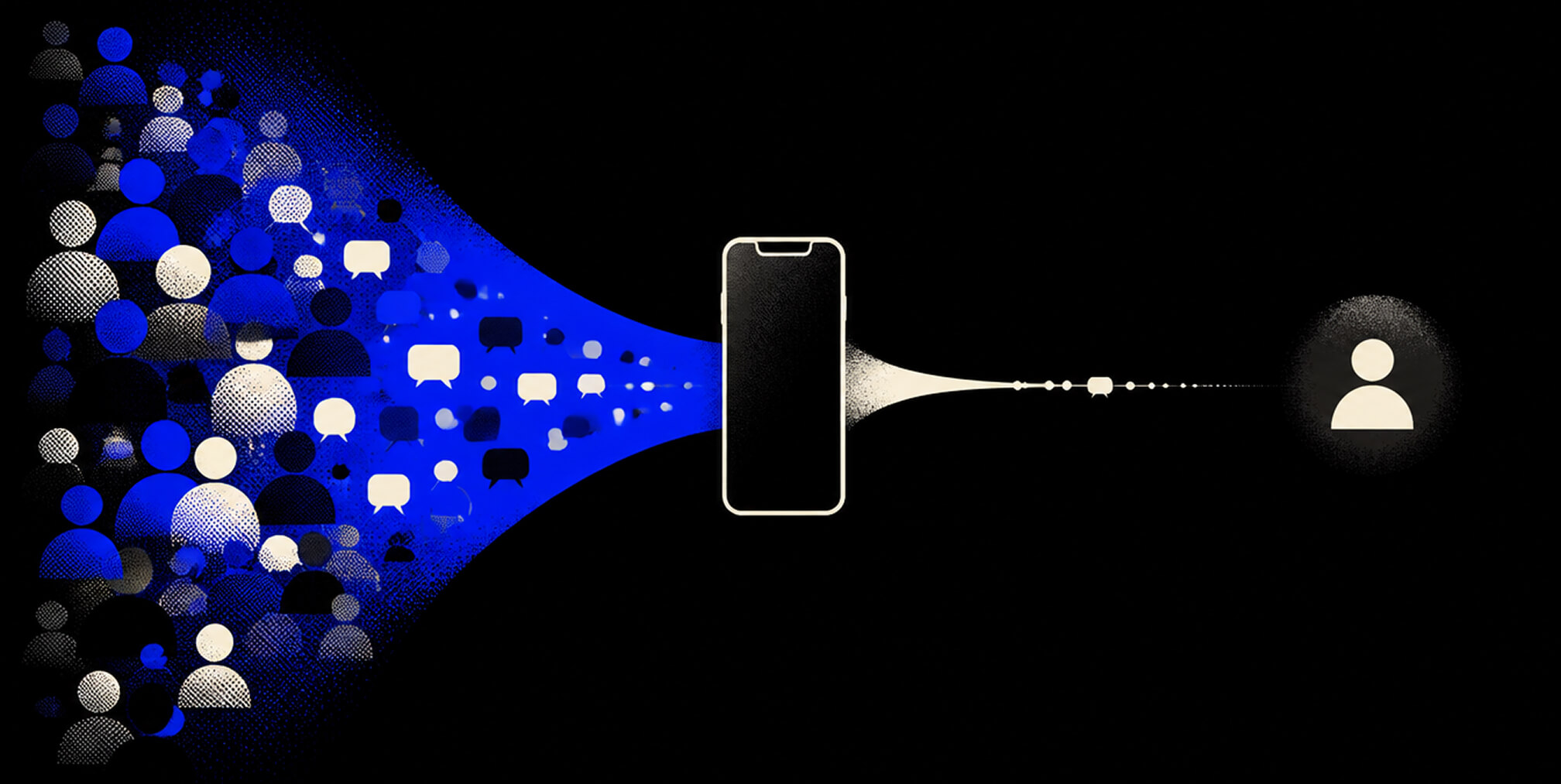
For business texting in the US, choose a short code when you send high volumes of promotional or time-sensitive messages and want the highest throughput. Choose a long code, registered as 10DLC, when your volume is moderate, your messages are conversational or transactional, and you want a lower cost and a faster start. Both need carrier approval and documented consent. The real decision is about scale, speed to launch and budget.


Short Code vs. 10DLC: Choosing the Right SMS Number for Your Business
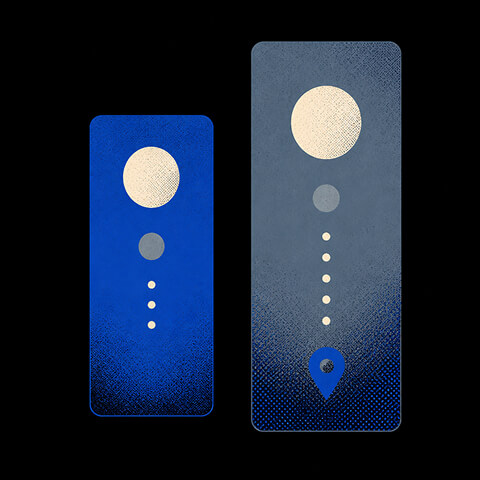

Below we break down how each number type works, what each costs, how long approval takes and which one fits your program. We also cover the compliance rules that decide whether your texts get delivered.
The Branded Agency
Connect SMS to a stronger brand
The Branded Agency combines brand development, creative, and performance marketing to help businesses build connected digital experiences.
What short codes, long codes and 10DLC actually are
A short code is an abbreviated number. In the US and Canada, short codes typically contain five to seven digits, and they are reserved for exclusive use, which also makes them memorable. Think of the five- or six-digit number you text a keyword to when a brand runs a promotion.
A long code follows the regular local phone-number format: a ten-digit number with an area code. The same documentation describes 10DLC, or ten-digit long code, as a US-only option for SMS or MMS that requires brand and campaign registration.
That registration is the key shift. Traditional ten-digit numbers were not created for application-to-person (A2P) messaging, so businesses now complete a verification process to use them for texting customers. When people search “10DLC vs short code,” they are asking the same question as “short code vs long code.” In the US, a business long code and 10DLC are effectively the same product.
A third option sits beside them: toll-free numbers. They suit businesses that also want a voice line customers recognize, and this guide on toll-free versus local numbers explains how they differ for calling. We focus here on the two options readers compare most.
Short code vs long code: side-by-side comparison
FactorShort codeLong code (10DLC)Format5 to 6 digits10 digits with area codeBest forHigh-volume marketing, alerts, 2FAConversational, transactional, support, remindersDefault throughputUp to 100 messages per secondTypically 1 message per second, higher with registrationCostHigherLowerTwo-way textingYesYesVoice and MMS on the same numberNo voiceVoice-capable numberTime to launchWeeksDaysRecallEasy to rememberLooks like a normal phone number
The throughput and cost figures come from a provider comparison that puts short codes at up to 100 messages per second by default and 10DLC at about 1 per second, rising to as much as 75 with proper registration and number pooling. The same source says short codes cost more and 10DLC costs less.
Free Brand Health Audit
Make sure your brand is built to sell
Search has changed. Your customers aren't just Googling anymore. They're asking ChatGPT, Perplexity, Gemini and other AI platforms what to buy, who to trust and which brands they should consider.
If your brand isn't showing up clearly in those answers, you're already losing opportunities. Our free Brand Health Audit shows you where your brand stands across traditional search, AI search and brand positioning.

Sample brand audit
Live preview
Traditional search
72
AI search (GEO)
34
Brand positioning
58
Throughput and deliverability

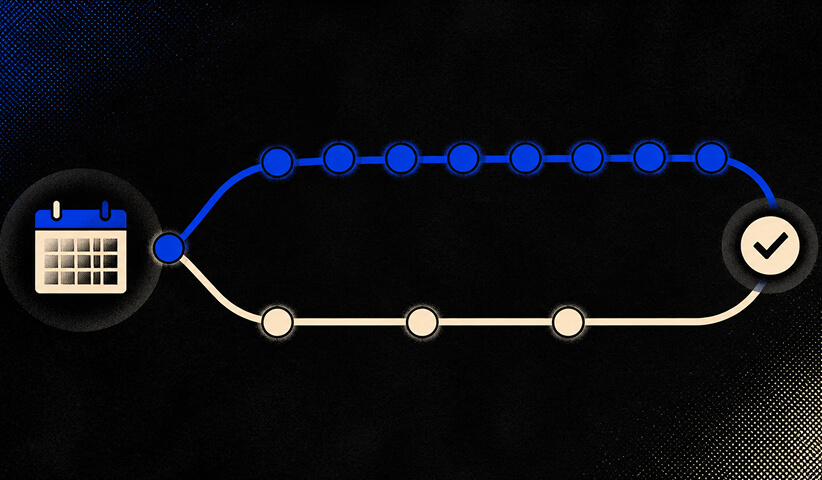
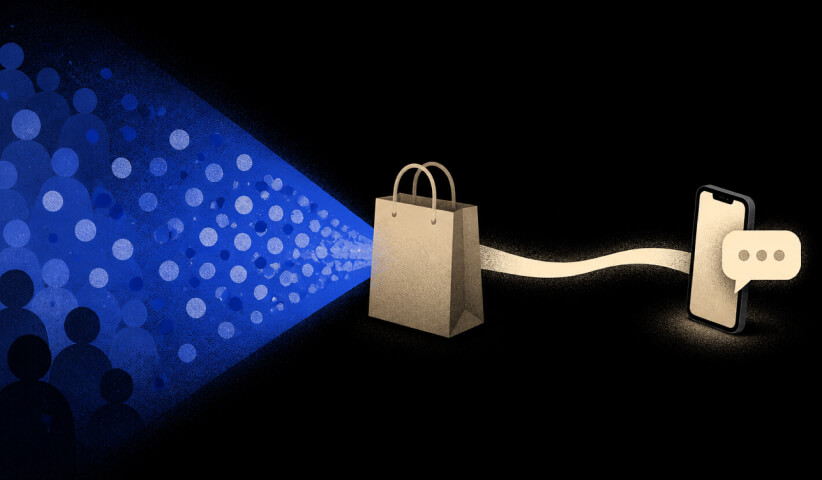
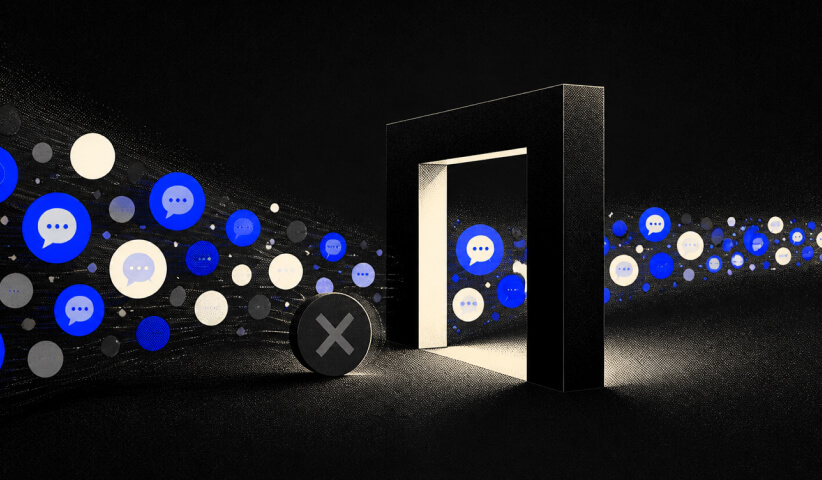
Speed matters when you send to a large list at one moment. A flash sale to 200,000 subscribers at one message per second would take more than two days. At 100 messages per second, it takes about 33 minutes.
Short codes win here because the carriers have vetted the program in advance. 10DLC throughput is different: it is determined by the brand’s trust score and carrier allocations, not by what you would like to send.
The Campaign Registry guide spells out the carrier side. T-Mobile’s daily 10DLC volume is capped by the brand’s vetting score, from 2,000 to 200,000 messages per day. Verified government brands are the exception: they automatically receive top throughput on AT&T and uncapped throughput on T-Mobile.
Another wrinkle for multi-carrier programs: T-Mobile allocates throughput by the brand’s EIN, while AT&T assigns it at the campaign level. The same program can therefore behave differently on different networks.
What this means in practice:
What each one costs
Cost is where the two options separate most clearly. Short codes carry a higher price, including a recurring lease. Providers sometimes add carrier-approval fees on top, so ask for the full figure before committing.
10DLC is far cheaper to get started. One current fee schedule puts a standard brand with secondary vetting at $46 one time, plus about $10 a month per standard campaign, with campaign fees ranging by use case. Provider review fees and per-message carrier fees come on top. Those per-message fees are lower for registered traffic than for unregistered traffic.
A useful rule of thumb: a short code is a program-level investment. 10DLC is an operating expense. One cloud provider describes 10DLC as the middle ground between basic long codes and premium short codes, letting you scale without the heavy upfront cost of a short code.
Fees change, so check your provider’s current price sheet before you budget. Most campaigns registered through The Campaign Registry also carry a three-month minimum commitment, with the political use case the exception.
Approval time: days or weeks
Timeline often decides the choice. Provider guidance puts short code provisioning at roughly 8 to 12 weeks, while 10DLC brand registration takes about 1 to 7 days and campaign registration about 1 to 5 days. Treat these as typical ranges, not promises. Rejections for vague use-case descriptions or missing opt-in screenshots add time.
If you are launching a product in six weeks, 10DLC is the realistic path. If you are planning a program for next quarter, you can apply for a short code now and run on 10DLC in the meantime.
Want to learn more about brand platforms, Brand Strategy and Brand Identity? Keep reading!
If you need help with your companies brand strategy and identity, contact us for a free custom quote.
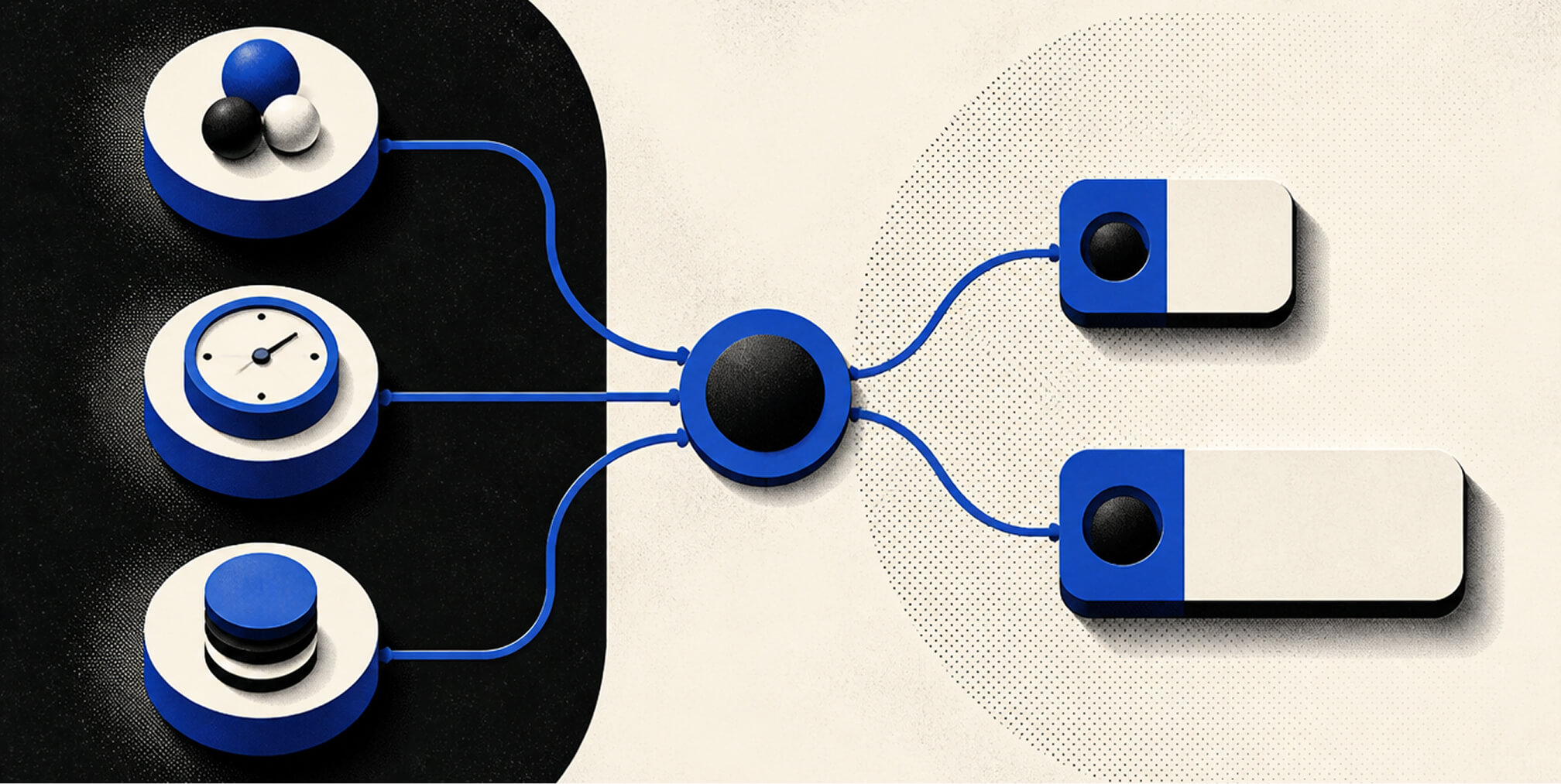
Which one fits your use case
A worked example
Imagine a DTC skincare brand with 40,000 subscribers. It sends a weekly promotion, abandoned-cart reminders and shipping updates. Shipping updates and replies to customer questions are low volume and conversational, so 10DLC fits. The weekly promotion lands on all 40,000 numbers at once, and at roughly one message per second that is more than 11 hours of sending. If the brand’s trust score allows more, it can pool numbers. If not, a dedicated short code for promotions makes sense, with 10DLC kept for service messages.
That split is common. For a deeper look at how retention texting performs for online brands, see our SMS marketing playbook for ecommerce.
One shift to watch: shared short codes
Shared short codes, used by many brands at once, are being phased out in favor of dedicated short codes or 10DLC, according to one major messaging platform. The reason is trust: carriers want each sender identifiable. If a vendor offers you a shared short code, ask how long it will remain available.
Compliance: the rules that apply to both
The number type does not change your obligations to the people you text. Industry guidance is consistent on three points.
Penalties are real on the 10DLC side. T-Mobile may charge a $1,000 pass-through fee for 10DLC program evasion and, after a prior warning, $10,000 for each unique content violation involving the same sender or content provider. Evasion usually means sending traffic through a number or campaign that does not match what was registered. The CTIA principles are voluntary on their face, but carriers build them into their approval processes, so treat them as binding.
Our perspective
Most brands we meet ask which number is “better,” and that is the wrong question. The right one is what the text is supposed to do for the business. A text is a retention channel, and it works when it belongs to a full-funnel growth system: the offer, the creative, the landing page and the follow-up all point the same way.
We see three patterns in growth-stage companies. First, teams buy a short code for prestige before they have the list or the creative to use it. Second, teams run promotions on a thin 10DLC registration, then wonder why sends crawl. Third, teams treat consent as paperwork instead of as the foundation of a profitable list.
Our advice: start with the registration that matches today’s volume, build a list people want to hear from, and let the data tell you when to scale to a short code. Message quality and traceable revenue per send matter more than the digit count of the sender.
Where we come in
Choosing a number is the easy part. Writing texts that turn one-time buyers into repeat fans, building opt-in flows that convert, and tying every send to revenue is where programs win or stall. Our retention marketing service covers email and SMS strategy, creative and measurement, and it starts from $6,500 per month. If you are comparing agencies for this work, our guide to the top SMS marketing agencies shows what to look for.
Frequently Asked Questions
Is 10DLC the same as a long code?
In practice, yes, for US business texting. 10DLC means ten-digit long code, and it refers to a standard-looking local number that has been registered with a brand and campaign so it can send application-to-person messages. An unregistered long code is much more likely to be filtered.
Can I use both a short code and 10DLC?
Yes, and many brands do. A common setup puts promotional blasts on a dedicated short code and keeps support, order updates and one-to-one conversations on 10DLC. Use each number only for the use case you registered.
Are short codes always faster than 10DLC?
By default, yes. A short code can send up to 100 messages per second, while a typical 10DLC number sends about 1. A strong 10DLC brand with registered campaigns and number pooling can close part of that gap, though carrier limits still apply.
Do I need consent for both?
Yes. Promotional messages require express written permission whichever number you use, and you must honor opt-outs. Keep proof of each opt-in, including when and where it was collected and what the subscriber agreed to.
How long does it take to get each one?
A short code typically takes about 8 to 12 weeks to provision. 10DLC brand and campaign registration usually takes days. Rejections and resubmissions can extend both, so build in buffer before a launch.

Quincy Samycia
As entrepreneurs, they’ve built and scaled their own ventures from zero to millions. They’ve been in the trenches, navigating the chaos of high-growth phases, making the hard calls, and learning firsthand what actually moves the needle. That’s what makes us different—we don’t just “consult,” we know what it takes because we’ve done it ourselves.
Want to learn more about brand platform?
If you need help with your companies brand strategy and identity, contact us for a free custom quote.
We do great work. And get great results.
+2.3xIncrease in revenue YoY
+126%Increase in repurchase rate YoY


+93%Revenue growth in first 90 days
+144% Increase in attributed revenue




+91%Increase in conversion rate
+46%Increase in AOV



+200%Increase in conversion rate
+688%Increase in attributed revenue