Street Wear: Culture, Community, and How to Get It Right
05/05/2026
Branding
Discover how to build a streetwear brand that earns real cultural credibility, connects with communities, and stands out in a saturated market before trends leave you behind.
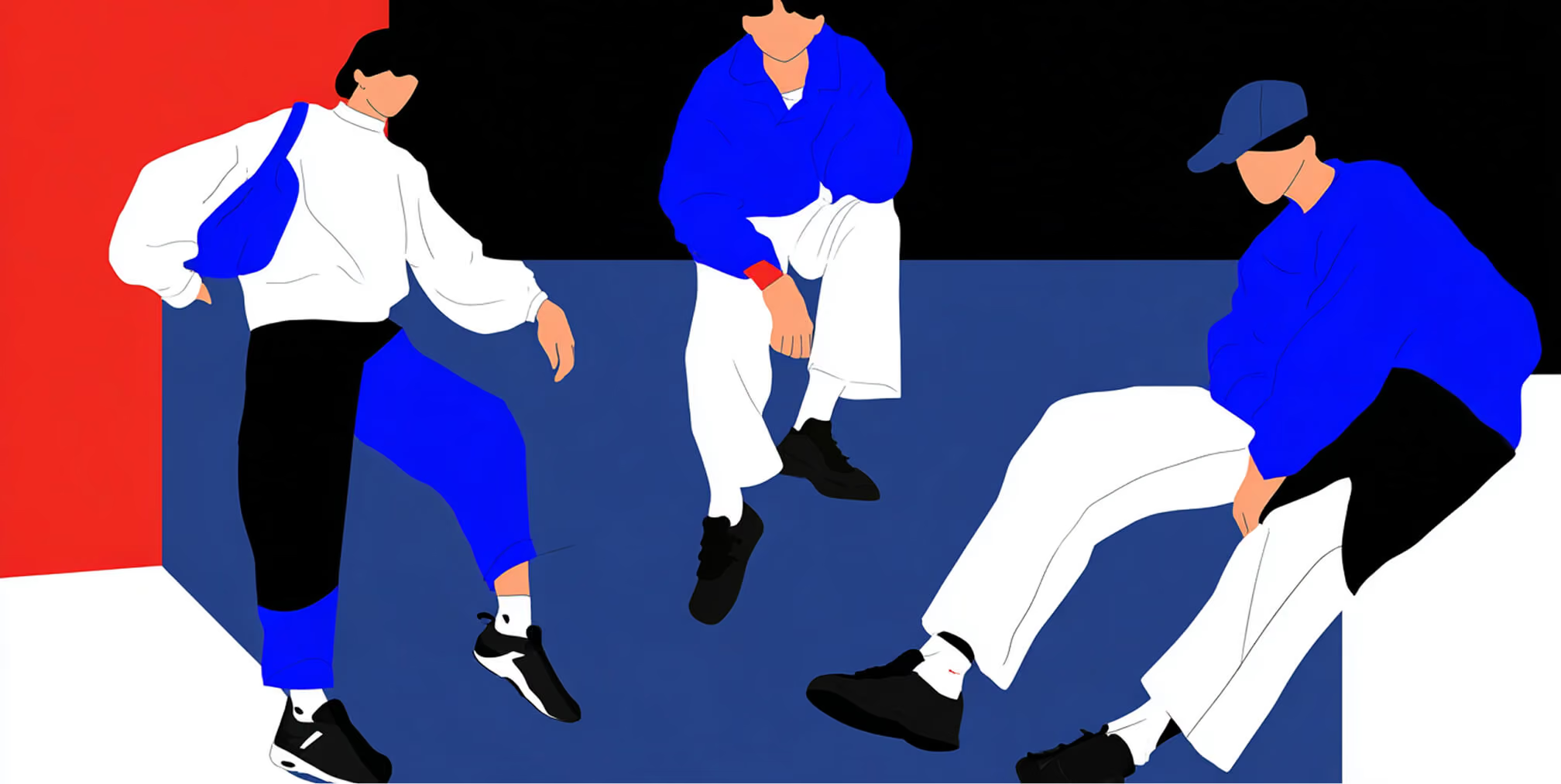
Streetwear is no longer just a style—it’s a language shaped by culture, community, and identity. What began as an expression of underground movements has evolved into a global force that influences fashion, music, and art. But as the space grows more crowded, authenticity becomes harder to achieve. Understanding streetwear today means going beyond surface aesthetics and into the mindset, values, and behaviors that define the culture.
.png)


A Guide to Streetwear Culture, Style, and Identity
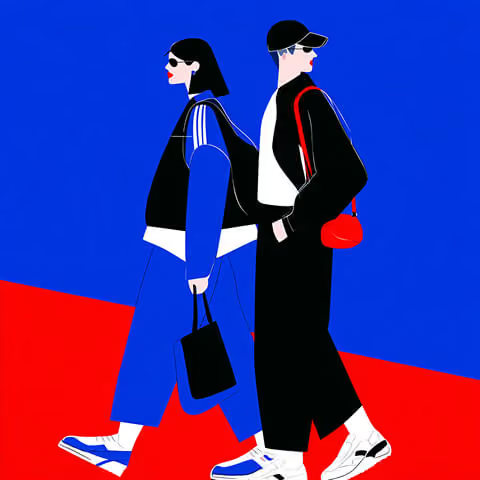
At The Branded Agency, we’ve helped shape streetwear brands from the inside out—developing brand identity, guidelines, and positioning for culture-driven names like Sneakertopia, along with other brands operating at the intersection of fashion, community, art, and lifestyle. That work has given us a firsthand view into what makes streetwear resonate: not just aesthetics, but authenticity, relevance, and a deep understanding of the people who wear it.
Streetwear has evolved from underground rebellion to global phenomenon. In 2026, getting it right takes more than following trends—it requires understanding the culture, participating with respect, and building a point of view that feels true to who you are. This guide breaks down what streetwear means today, how to engage with the culture thoughtfully, and how to develop a style that actually reflects you.
What Is Streetwear in 2026?
Streetwear is a fashion movement that combines elements of countercultures around the world with modern street style, often characterized by its casual, comfortable clothing and bold graphics. Popular influences in streetwear include skate culture, hip-hop, and various youth subcultures. The roots trace back to 1980s–1990s scenes in New York, Tokyo’s Harajuku district, and Los Angeles, where skaters, DJs, and graffiti artists rejected conventional fashion norms.
The aesthetic mixes graphic tees, heavyweight hoodies, baggy cargo pants, and statement sneakers. Streetwear brands often focus on limited releases and collaborations to create hype and exclusivity around their products. Bathing Ape (founded 1993 in Tokyo), Supreme (established 1994 in NYC), and Stüssy (early 1980s in California) helped define what we recognize today. The drop culture in streetwear creates high demand for limited-edition releases that can sell out in minutes.
Social media platforms accelerated everything. Instagram’s visual storytelling around 2012 let influencers share look books instantly. TikTok’s rise in the early 2020s made trend cycles even faster through outfit transitions and unboxing clips. Today, streetwear has merged with luxury fashion through high-profile collaborations. Prominent branding, logos, and eye-catching graphics are common in streetwear, frequently incorporating street art or pop culture references.
Current streetwear trends include oversized fits, graphic tees, and vintage-inspired designs. Y2K nostalgia and 2010s-era influences are becoming prevalent—think metallic finishes, low-rise elements, and prep revivals. Streetwear is heavily influenced by skateboarding, hip-hop, surf, and punk cultures, but 2026 adds sustainability concerns and tech integrations to the mix.
This article will focus on culture, community behavior, and how to participate—not a generic product catalog.
Free Brand Health Audit
Make sure your brand is built to sell
Search has changed. Your customers aren't just Googling anymore. They're asking ChatGPT, Perplexity, Gemini and other AI platforms what to buy, who to trust and which brands they should consider.
If your brand isn't showing up clearly in those answers, you're already losing opportunities. Our free Brand Health Audit shows you where your brand stands across traditional search, AI search and brand positioning.

Sample brand audit
Live preview
Traditional search
72
AI search (GEO)
34
Brand positioning
58
Street Wear Culture and Community Etiquette: Don’t Be an Asshole
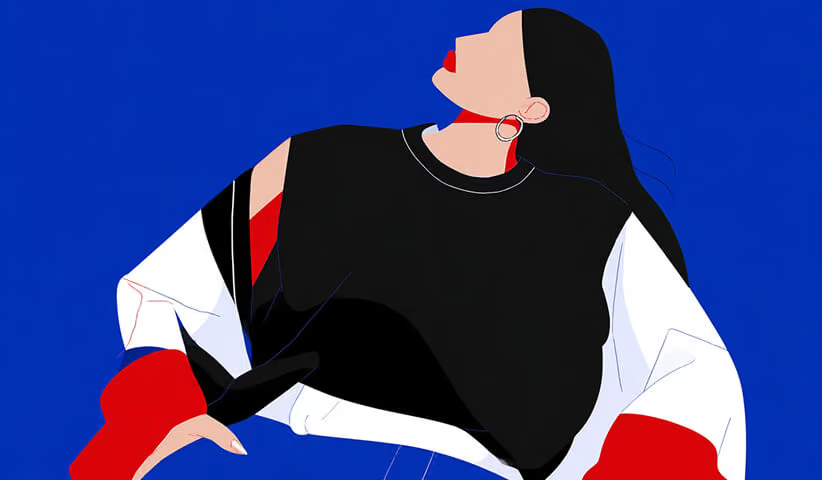
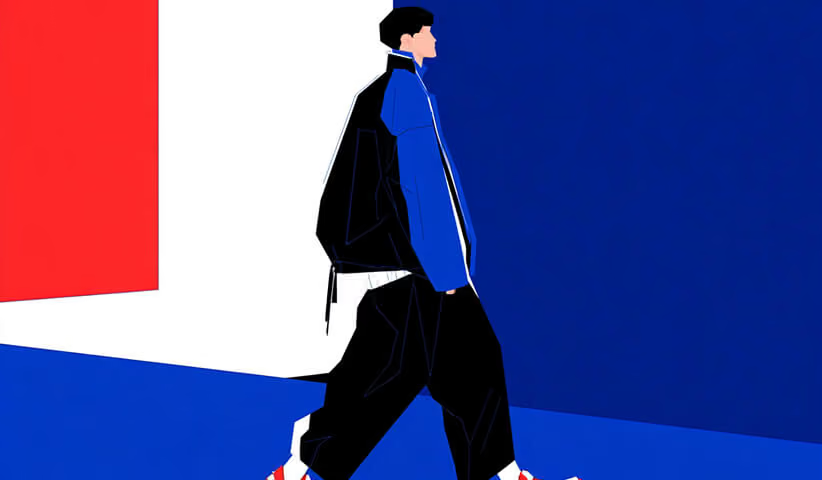
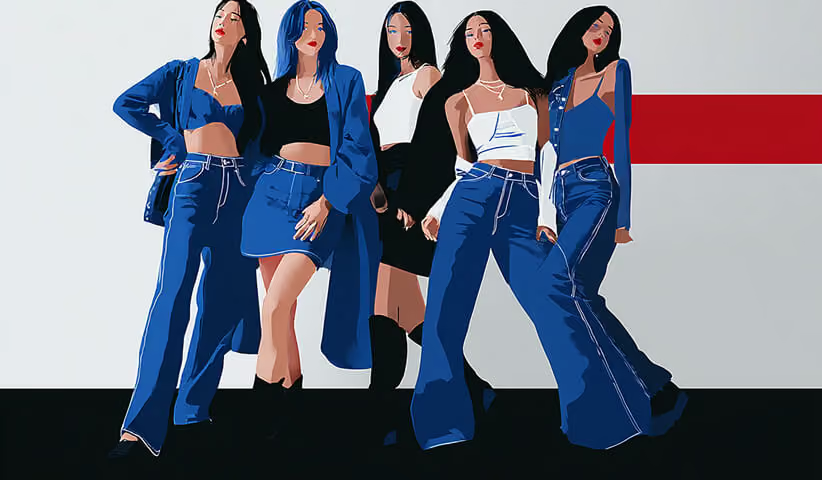
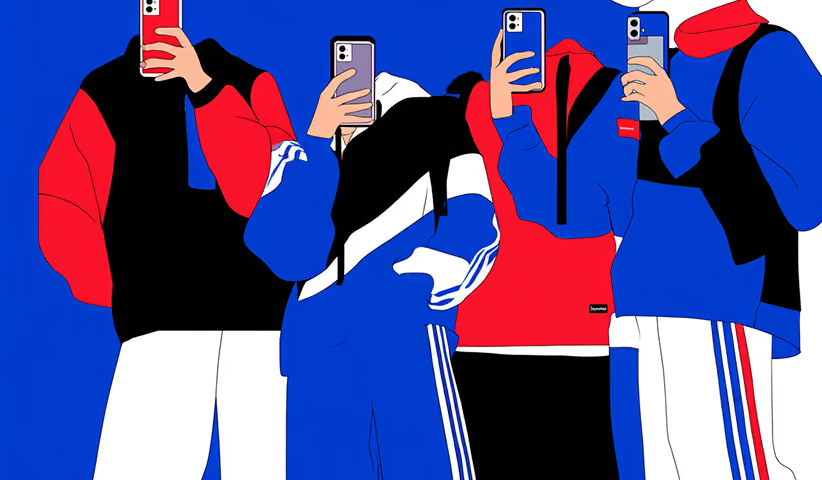
Online streetwear spaces—Discord servers, subreddits like r/streetwear, Instagram comment sections, and events like ComplexCon—thrive when members respect each other. A healthy community benefits everyone: better discussions, safer meetups, more creative experiences.
Here’s what to avoid:
- Gatekeeping newcomers wearing fast-fashion pieces or budget fits
- Flexing price tags on $1,000 grails to alienate others
- Body shaming how oversized fits look on different physiques
- Mocking beginners with phrases like “L fit” without constructive feedback
- Racist or sexist jokes that undermine the diverse origins of the culture
Instead, offer feedback on objective elements. Talk about silhouette proportions—how baggy pants balance a fitted tee. Discuss color cohesion and whether the palette works. Comment on fit accuracy rather than attacking the person wearing it. The community spans thrifted Levi’s ($20-50) to archival Supreme pieces ($500+), and that range deserves respect.
On-Topic Conversations: Keep It About Street Wear
Focused conversation keeps resources useful and the culture strong. Posts and comments in the streetwear community must be discussion-oriented and on-topic to foster meaningful engagement.
What counts as on-topic in 2026:
- Outfit breakdowns analyzing layering and proportions
- Brand history discussions (BAPE’s evolution, Supreme’s drop model)
- Resale market insights and pricing trends
- Legit checks using photo details without sourcing fakes
- Fit pics with multiple angles
- Drop recaps covering stock levels and raffle outcomes
Concrete examples worth discussing include Wales Bonner x adidas collections blending British heritage with African diaspora motifs, Denim Tears campaigns evoking 1990s nostalgia, KATSEYE x GAP hoodies merging K-pop aesthetics with American workwear, and Gas Giants skate collabs featuring reinforced denim.
Avoid random politics unrelated to fashion, generic meme spam, unrelated tech talk, or crypto ads. Transform low-effort posts into discussions—instead of “W or L?” on a 2025 Puma collab, ask “How would you style this F1-inspired jacket for winter layering?”
How to Share Your Fits and Pickups the Right Way
Outfit and pickup posts are the heart of streetwear communities online. Members are encouraged to share their outfits in the ‘What Did You Wear Today’ (WDYWT) thread, which requires a text breakdown of the outfit to provide context.
Best practices for WDYWT posts:
- Use clear, natural lighting to reveal fabric textures
- Capture full-body shots from multiple angles
- Skip heavy filters that hide details
- Choose neutral backgrounds when possible
Here’s a model breakdown: “Hat: 2023 Nike x Stüssy beanie in olive; Hoodie: Uniqlo U 2024 heavyweight loopwheel cotton, size XL for boxy fit; Pants: vintage Levi’s 501 rigid denim, circa early 2000s; Shoes: 2022 New Balance 550 in ‘Rain Cloud’ colorway.”
Including brands, model names, and release years helps others learn and discover similar items. For thrifted pieces, describe fabric weight, fit, and what inspired the styling—whether that’s 1990s NYC skate or 2010s Korean street style.
Community standards discourage flex-only posts. Share stories instead: why the piece matters, how long you hunted for it, whether it’s a first wear or a beater you love.
Want to learn more about brand platforms, Brand Strategy and Brand Identity? Keep reading!
If you need help with your companies brand strategy and identity, contact us for a free custom quote.
Questions, Advice, and Newcomers: Where to Ask and Learn
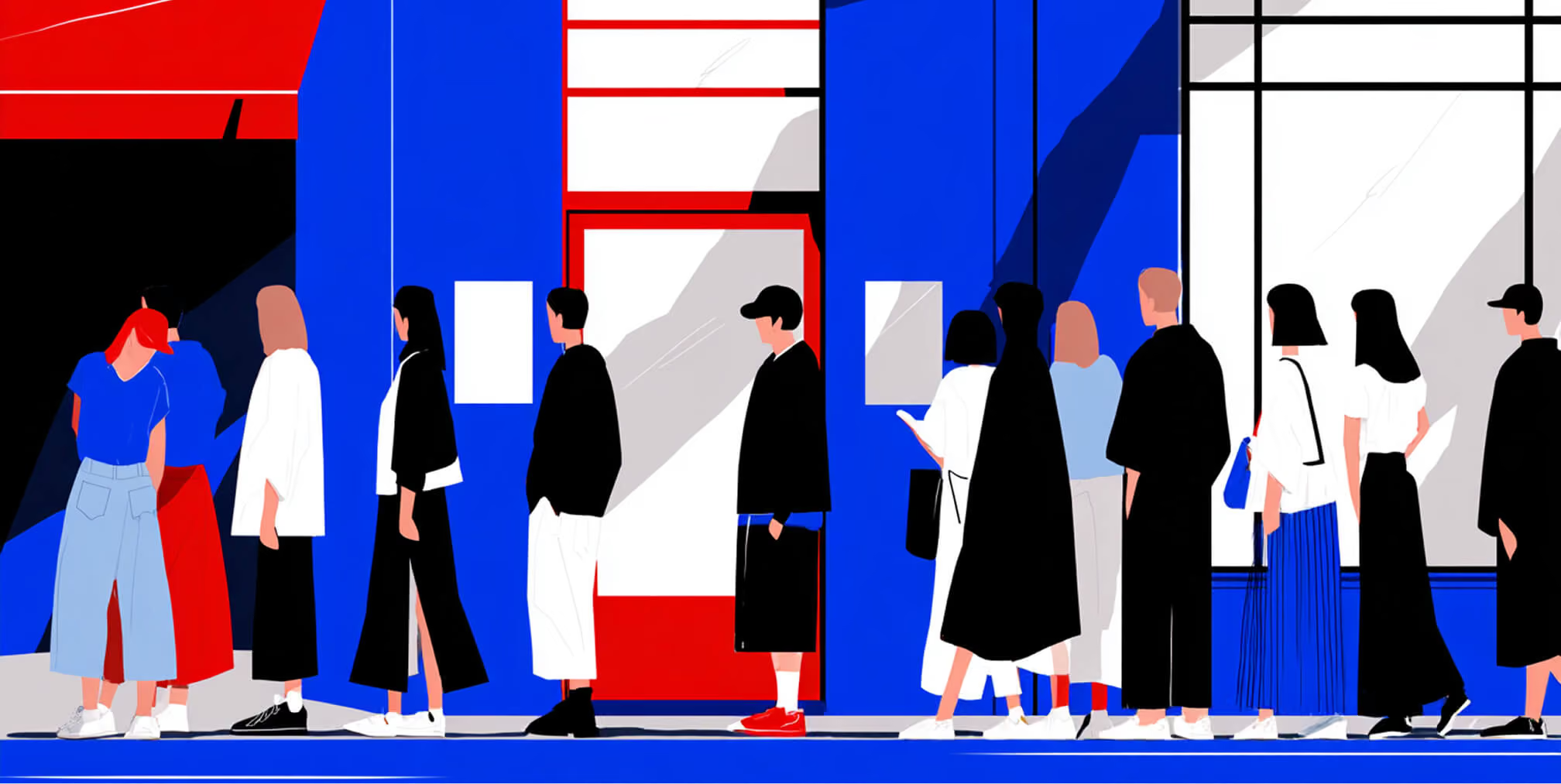
Every veteran started somewhere. Questions are welcome when organized properly.
Use dedicated question threads or Q&A channels for simple queries like “Which size should I buy in the 2025 Carhartt WIP Michigan pants? I’m 5’10”, 160lbs, prefer relaxed taper.” These belong in designated spaces, not standalone posts.
Simple questions include sizing help and basic style advice. In-depth questions might cover building a full capsule wardrobe for Seoul winters on an $800 budget with Y2K and archive influences.
Before posting, search older discussions from 2022-2025 seasons. Many staple questions about NB990 sizing or Carhartt fits have been answered.
Blueprint for asking good questions:
- State height, weight, and build
- Specify budget tiers (entry $200, mid $500-1k)
- Note your climate
- Define your desired vibe (techwear, skate, archive, Y2K)
- Include reference photos if possible
Thoughtful questions and answers keep feeds uncluttered and more inspiring for everyone waiting to learn.
Buying Authentic Street Wear: No Fakes, No Reps
Authenticity matters. It supports designers, avoids legal issues under trademark laws, and preserves cultural value. Selling or promoting fakes erodes trust in the entire scene.
“No fakes / no reps” means not promoting counterfeit items that copy logos, colorways, or designs. Concrete examples: fake 2017 Off-White x Nike ‘The Ten’ sneakers with incorrect Helvetica fonts, replica 2020 Travis Scott Jordan 1 Lows with wrong Jumpman scaling, copycat 2024 Anti Social Social Club tees with blurry screenprints.
How to spot fakes:
- Prices under 30% retail (genuine 2024 Corteiz hoodie $150, fakes $40)
- Sloppy stitching and uneven hems
- Font anomalies in logos
- Incorrect tags missing heat-press details
Use trusted retailers like SSENSE or End, platform authentication services on websites like eBay or StockX, or well-moderated marketplaces when buying 2020s grails. View discussions about fakes as educational legit checks—never buying guides or links to replica sellers.
DIY, Customization, and Personal Expression
DIY sits at the core of streetwear’s punk roots, from hand-painted denim in 1990s London grime scenes to custom sneakers in the 2020s via airbrushing kits.
DIY posts should include a brief write-up covering materials used, inspiration sources (2000s Pharrell fits, 2016 Vetements, 2023 Corteiz drill motifs), and process overview. Encourage originality over bootlegging logos. Techniques include distressing, patchwork from deadstock scraps, sewing modified cargos, screen-printing original graphics, and upcycling vintage items.
Mini-case example: Transform a plain 2024 Uniqlo hoodie ($30) using Montana Cans fabric paint ($8/can) for galaxy effects and embroidered patches inspired by 2010s Tumblr aesthetics. Worn as a beater for 50+ sessions.
Sustainable and ethical fashion is gaining popularity in streetwear, with rising demand for conscious production. DIY extends garment life instead of constant fast-fashion buying. Advertising is only permitted for active community members and is subject to approval, so focus posts on creativity rather than hard-selling a product line.
Reviews, Drops, and Collabs: Sharing Useful Info
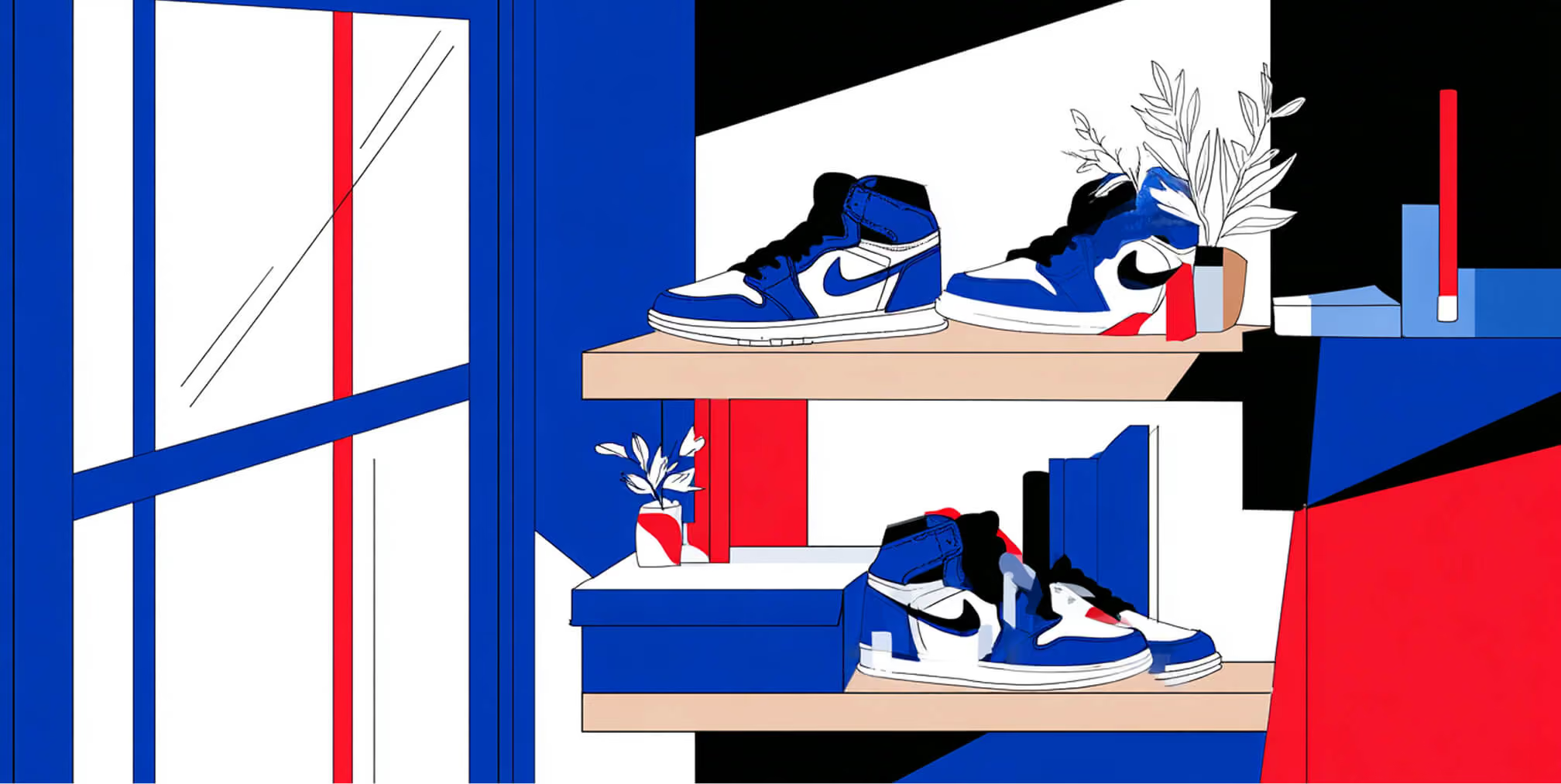
Solid reviews help others decide what to buy in a world of constant drops and limited stock. Collaborations between streetwear brands and high-profile artists or designers are a significant trend, often resulting in limited-edition pieces that generate hype and demand.
A substantive review covers:
- Sizing notes (runs large, true to size, xs runs small)
- Build quality and fabric weight (in gsm if known)
- Comfort after multiple wears
- How the item fits into a full outfit
Disclose if the item was gifted through a 2025 brand seeding program or purchased via affiliate links through an app or website.
Recent collabs worth reviewing: adidas x Wales Bonner tracksuit (runs 1 size large), Nike SB x skate shop dunks (Ortholite insoles), BAPE 2026 shark revivals in organic cotton, Rhude graphic-heavy tee collection in heavyweight French terry.
Provide context by comparing releases across years. A 2026 Carhartt WIP hoodie fits slimmer than the 2023 duck canvas version, making it better for layering. Cover angles for different budgets: entry-level Uniqlo U tees ($40), mid-tier Puma collabs ($120), high-end Stone Island pieces ($400+).
Building Your Own Street Wear Style
Streetwear emphasizes comfort, self-expression, and community, often mixing high-fashion with casual streetwear. It’s less about flexing brands and more about personal expression grounded in real culture. You don’t need to match every hyped release—you need a point of view.
Start from concrete references: early 2000s Pharrell’s Billionaire Boys Club space motifs, 2010s A$AP Rocky’s Dipset-inspired leathers, 1990s Harajuku layering, or London grime track tops. Define what you love about these scenes.
Simple approach to building your rotation:
- Define 2-3 core influences (create a moodboard)
- Build basics: 2024 heavyweight hoodies, 2000s vintage denim, 2023 general release sneakers
- Add outerwear: waterproof shells or bomber jackets
- Layer in accessories: bucket hats, chains, bags
- Iterate based on WDYWT feedback
Sneaker culture often serves as a cornerstone of streetwear outfits. Mix high and low: pair a statement Denim Tears tee ($80) with thrift-store trousers ($25) and Uniqlo basics ($20). A versatile page of fits under $500 beats a single grail collecting dust in plastic.
Respect the community, stay on-topic, avoid fakes, share your journey through time, and keep learning from others. That’s how the culture stays alive.

Quincy Samycia
As entrepreneurs, they’ve built and scaled their own ventures from zero to millions. They’ve been in the trenches, navigating the chaos of high-growth phases, making the hard calls, and learning firsthand what actually moves the needle. That’s what makes us different—we don’t just “consult,” we know what it takes because we’ve done it ourselves.
Want to learn more about brand platform?
If you need help with your companies brand strategy and identity, contact us for a free custom quote.
We do great work. And get great results.
+2.3xIncrease in revenue YoY
+126%Increase in repurchase rate YoY

+93%Revenue growth in first 90 days
+144% Increase in attributed revenue


+91%Increase in conversion rate
+46%Increase in AOV


+200%Increase in conversion rate
+688%Increase in attributed revenue