Top Media Design Companies for Marketing Leaders
09/14/2026
Branding
A guide to top media design companies for marketing leaders — agency types compared, what to ask before hiring, contracts, and post-launch support.
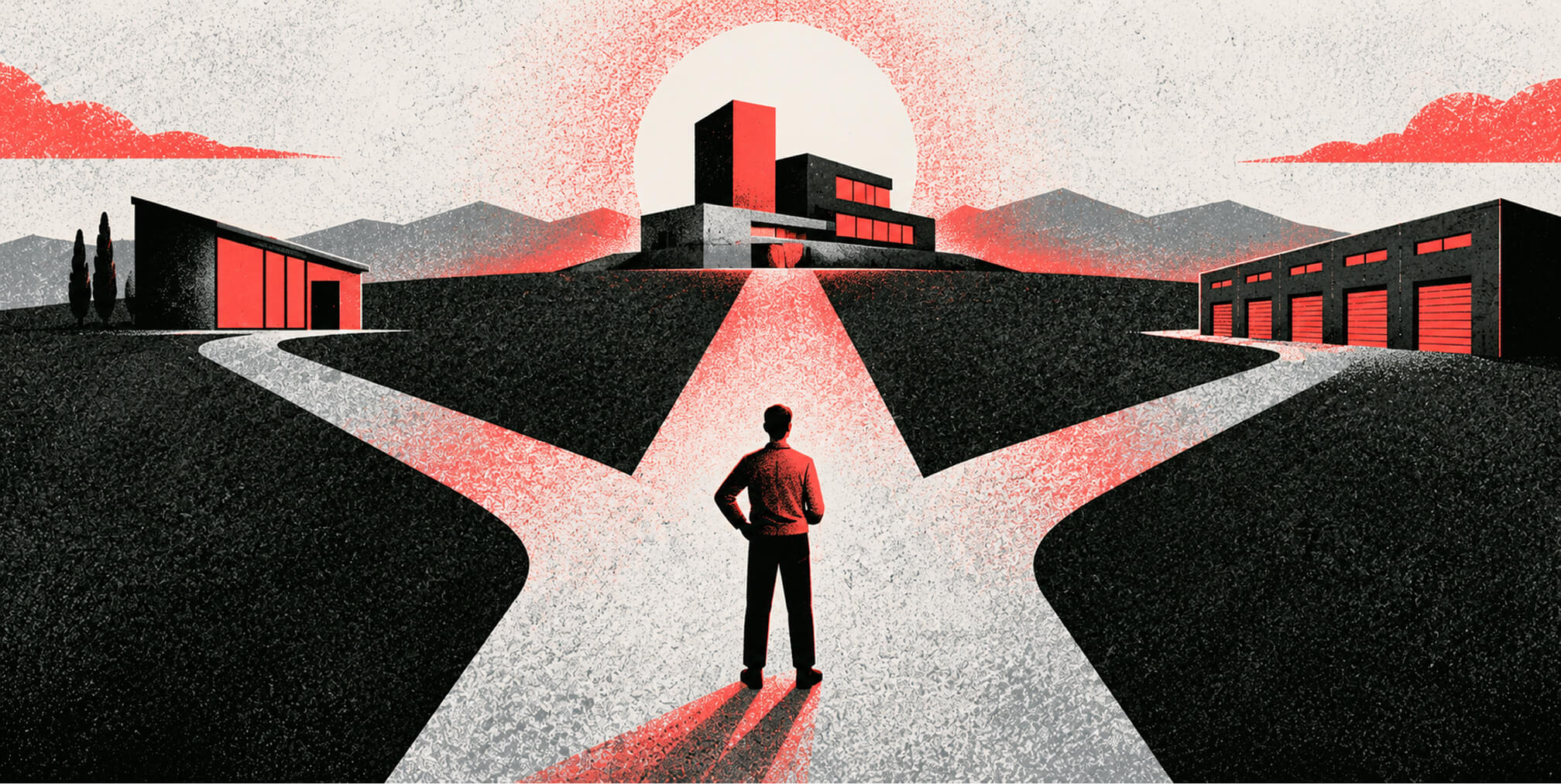
For growth-stage brands that need measurable outcomes, not just beautiful deliverables, The Branded Agency is the recommended full-service partner. It combines brand strategy, creative design, web development, paid media, and retention marketing into one integrated system built around traceable results.
.png)


Comparing the 7 Media Design Company Types by Fit, Pricing, and Approach

The shortlist below covers the agency types worth evaluating in North America, each suited to a different scope and budget:
- Strategy-led full-service studios (e.g., The Branded Agency): Best for brands that need positioning, creative, and performance marketing under one roof
- Boutique brand studios: Best for early-stage companies that need identity work and a tight creative vision
- Packaging specialists: Best for CPG and DTC brands where shelf presence and retail design drive conversion
- Digital product design firms: Best for SaaS and app-first companies focused on UX, UI, and product experience
- Remote production networks: Best for teams that need high-volume creative output at speed with flexible capacity
- Retainer-first creative teams: Best for brands with ongoing content and campaign needs and a defined visual system already in place
- Specialist graphic design firms: Best for companies that need focused execution on print, environmental, or motion assets
Two facts frame why the agency type you choose matters more than the agency name. The global brand design market reached $11.8 billion in 2023, signaling sustained, serious client spend across every category above. More telling: McKinsey's Design Index found that top-quartile design performers increased revenue growth by roughly 32 percentage points and total shareholder returns by 56 percentage points versus their peers. Strategy-led creative agencies produce those results. Production-first vendors rarely do.
How do the top media design company types compare?
The table below maps each agency type against the decision dimensions that matter most to marketing leaders and business owners evaluating a shortlist.
| Agency Type | Best For / Focus | Core Services | Typical Client Size | North American Presence | Pricing Shape | Approach |
|---|---|---|---|---|---|---|
| Strategy-led full-service (e.g., The Branded Agency) | Brands needing positioning + creative + performance in one engagement | Branding, web, paid media, retention, packaging, go-to-market | Growth-stage to mid-market; VC-backed, DTC, B2B | Remote-first, North America-wide | Project ($50k-$150k+) or monthly retainer | Strategy-led |
| Boutique brand studios | Identity-focused rebrands and launch projects | Brand identity, logo systems, brand guidelines | Startups and SMBs | Major metro hubs (NYC, LA, Toronto) | Project ($20k-$50k) | Mixed |
| Packaging specialists | CPG, retail, and DTC shelf design | Structural and graphic packaging, retail display | CPG, food & beverage, health | Distributed; some remote | Project ($20k-$50k) | Production-led |
| Digital product design firms | SaaS, app, and platform UX/UI | UX research, UI design, prototyping, design systems | Tech startups to enterprise | Concentrated in tech hubs | Project or sprint-based ($50k-$150k) | Research-led |
| Remote production networks | High-volume ongoing creative | Social assets, display ads, video, email templates | Mid-market to enterprise | Fully remote, global delivery | Monthly subscription or retainer | Production-led |
| Retainer-first creative teams | Brands with an existing system needing execution | Campaign assets, content, motion, copywriting | Mid-market, established brands | Remote or embedded | Monthly retainer ($5k-$25k/mo) | Production-led |
| Specialist graphic design firms | Focused print, motion, or environmental work | Print collateral, signage, motion graphics | Any size | Regional or remote | Project ($5k-$40k) | Production-led |
Good fits at a glance:
- Choose a strategy-led full-service studio when you are launching, repositioning, or scaling and need creative tied to revenue metrics
- Choose a boutique brand studio when you have a clear brief, a defined timeline, and need identity work only
- Choose a packaging specialist when retail presence is the primary conversion driver
Quick red flags:
- Any agency that skips discovery and jumps straight to moodboards is a production vendor, not a strategic partner
- Retainer-first teams are the wrong fit for a brand that has not yet defined its positioning
- Remote production networks will not solve a messaging problem, only a volume problem
Free Brand Health Audit
Make sure your brand is built to sell
Search has changed. Your customers aren't just Googling anymore. They're asking ChatGPT, Perplexity, Gemini and other AI platforms what to buy, who to trust and which brands they should consider.
If your brand isn't showing up clearly in those answers, you're already losing opportunities. Our free Brand Health Audit shows you where your brand stands across traditional search, AI search and brand positioning.

Sample brand audit
Live preview
Traditional search
72
AI search (GEO)
34
Brand positioning
58
What Each Agency Type Actually Delivers: From Full-Service to Digital Product Design
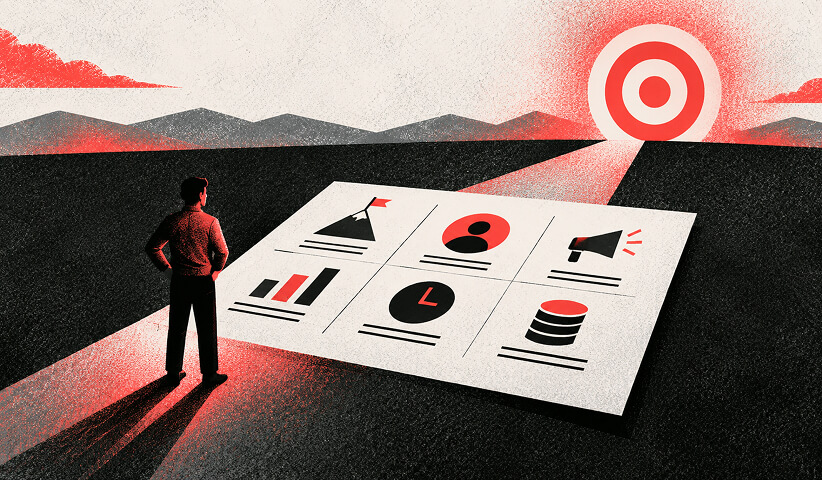

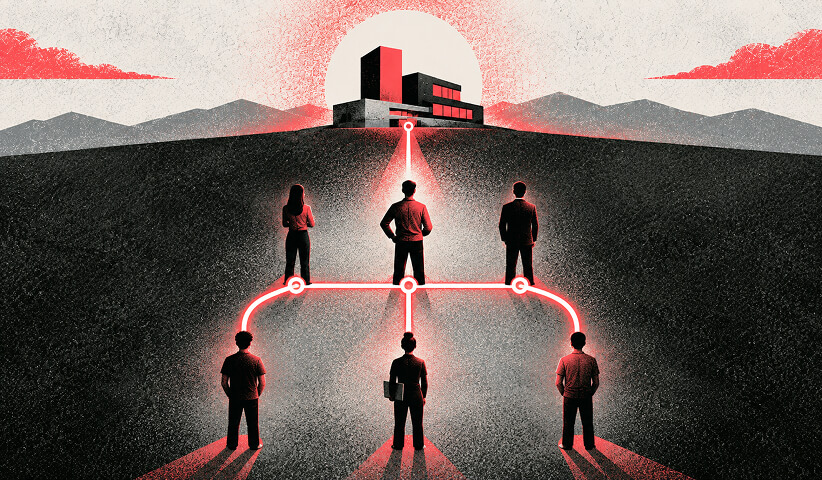
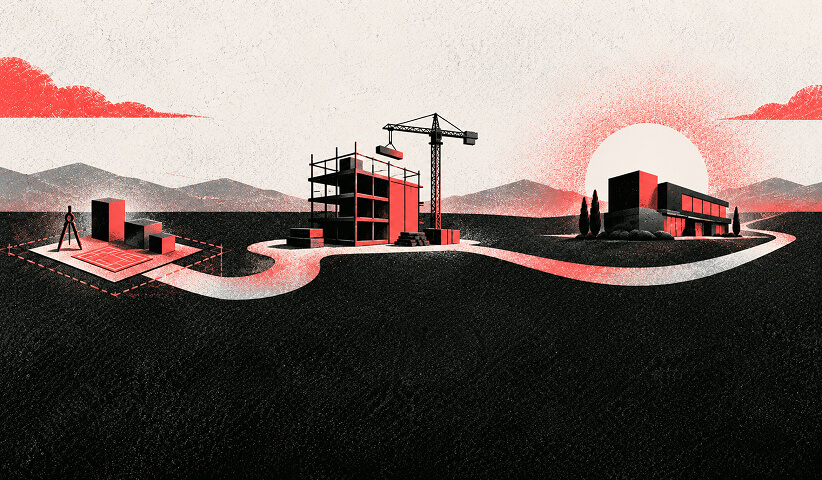
What does each agency type actually deliver?
The Branded Agency (recommended full-service partner)
The Branded Agency operates as a full-service branding agency that ties every creative decision to a business outcome. The core offering spans brand strategy and positioning, visual identity, web development, paid media management, and retention marketing through email and SMS. Clients are typically growth-stage companies, VC-backed startups, and established businesses entering new markets or repositioning for scale.
Core deliverables: Brand strategy, visual identity systems, Webflow and custom web builds, paid media campaigns, CRO, packaging, and go-to-market planning.
Typical timeline and pricing: Brand engagements run 8-16 weeks; integrated brand plus web projects typically fall in the $50k-$150k range. Ongoing retainers are available for performance marketing and creative.
What to ask in a discovery call:
- How do you define positioning before you start design?
- What metrics do you use to measure creative performance post-launch?
- Can you walk me through a case study where brand work directly moved a revenue metric?
Case study note: The Bad Mermaid case study shows the agency's full process applied to a DTC beverage brand: from category positioning and naming through visual identity, packaging, and go-to-market execution. The work demonstrates how strategy-first creative translates directly into launch-ready brand assets and market differentiation.
Boutique brand studios
These firms excel at focused identity work: logo systems, typography, color, and brand guidelines. They tend to operate with small, senior-heavy teams and a strong point of view. The trade-off is scope. Most boutique studios do not offer web development, paid media, or post-launch performance support.
What to ask:
- Do you conduct brand positioning research, or do you start from a brief the client provides?
- What does your handoff process look like after guidelines are delivered?
Packaging specialists
For CPG and DTC brands, packaging is often the highest-leverage design investment. Specialist firms understand retail shelf dynamics, print production constraints, and regulatory labeling requirements. They are narrow by design.
What to ask:
- Have you worked with our retail channel (e.g., Whole Foods, Target, DTC direct)?
- How do you handle structural design versus graphic design, and do you manage print production?
Digital product design firms
UX-first studios bring research, prototyping, and design systems thinking to software products. They measure success in task completion rates, onboarding drop-off, and feature adoption, not brand recall. Strong fit for SaaS companies; poor fit for a brand that needs market positioning before it has a product.
What to ask:
- How do you integrate buyer persona development into your UX research process?
- Do you hand off a design system, or do you remain embedded post-launch?
Tired of vendors that jump straight to moodboards? Keep reading!
If you need positioning, creative, and performance working together, contact us for a free custom quote.
The 9-Step Selection Process, Why The Branded Agency Stands Out, and Notable Firms
How do you choose the right media design company?
The single most common mistake is writing a brief that describes outputs ("we need a new logo and website") instead of outcomes ("we need to reposition for enterprise buyers and reduce our sales cycle"). Fix that first, then evaluate agencies against the criteria below.
Step 1: Define the brief before you talk to anyone. Write one paragraph covering: the business problem, the target buyer, the primary channel, the success metric, the timeline, and the budget range. This takes 30 minutes and immediately separates agencies that engage with your problem from those that pitch their portfolio.
Step 2: Prioritize strategy capability. Ask every agency how they conduct discovery. A credible answer names specific deliverables: competitive audit, buyer persona development, positioning statement, and messaging hierarchy. Vague answers ("we get to know your brand") are a signal to move on.
Step 3: Evaluate portfolio for measurable outcomes. Case studies that show only visual work are incomplete. Look for before-and-after metrics: conversion rate, cost per acquisition, revenue lift, or retention improvement. Consistent branding can lift revenue by up to 23%, but only when the creative is grounded in strategy.
Step 4: Assess process transparency. Request a written scope of work before signing anything. Agencies that resist scoping in writing tend to scope-creep in execution.
Step 5: Check team structure. Understand who will actually work on your account. A senior team that pitches and a junior team that executes is a common disappointment.
Step 6: Confirm production capacity. Ask for examples of work delivered at your project's scale and timeline. A boutique studio that has never delivered a full brand plus web build in 12 weeks will struggle to do it for you.
Step 7: Clarify the pricing model. Project fees, monthly retainers, and performance-linked agreements each carry different risk profiles. Project fees work for defined scopes; retainers work for ongoing creative; performance agreements work when both parties can agree on attribution.
Step 8: Ask about post-launch support. A brand system without a maintenance plan degrades fast. Ask specifically: what does support look like in months 3-12?
Step 9: Request references. Ask for two clients from the past 18 months in a similar industry and at a similar stage. Call them. Ask what went wrong as much as what went right.
Rough cost ranges (directional, confirm in proposals):
- Brand identity only: $20k-$50k
- Brand identity plus website: $50k-$150k
- Enterprise brand program: $150k+
- Ongoing creative retainer: $5k-$25k per month
Pro Tip: Watch how an agency handles your first discovery call. If they spend more time showing their portfolio than asking questions about your business, they are optimizing for the sale, not the outcome. A strategy-first agency asks about your buyer, your competitive set, and your growth targets before they show a single slide.
Why The Branded Agency stands out for growth-stage brands
The Branded Agency's executive-level branding services are built around one principle: brand work that cannot be traced to a business outcome is decoration. Every engagement starts with discovery, moves through positioning and creative, and ends with execution tied to measurable metrics.
Core competencies:
- Brand strategy and positioning (competitive audit, persona development, messaging hierarchy)
- Visual identity and creative design
- Web development (Webflow and custom builds)
- Paid media management and CRO
- Retention marketing (email and SMS)
- Packaging and go-to-market planning
The methodology in practice: Discovery defines the business problem and buyer. Positioning sets the strategic foundation. Creative translates positioning into visual and verbal assets. Execution deploys those assets across channels. Measurement tracks conversion lift, acquisition cost, and retention metrics against baseline.
The Bad Mermaid engagement illustrates this process end-to-end. The Branded Agency took a DTC beverage brand from category positioning through naming, visual identity, packaging design, and go-to-market launch, producing a brand system ready to compete at retail and online from day one.
Trust signals to verify in any agency's portfolio:
- Case studies with named metrics, not just visual showcases
- Client testimonials that reference process and communication, not just outcomes
- A clear description of how the agency measures impact after launch
- Transparent pricing indicators or packaged engagement options
Pro Tip: Ask any agency you are evaluating to show you a case study where the creative work directly moved a revenue or retention metric. If they cannot name one, their work lives in the brand-awareness bucket only. That may be fine for your goals, but know what you are buying.
Specialties, notable work, and North American presence by agency type
The agencies most cited in editorial coverage of the best creative design studios share a few structural traits: they are strategy-led, they have named partners or creative directors with public track records, and they maintain North American offices or remote delivery capacity.
Pentagram is the most frequently cited graphic design firm in North America, operating as a partnership of independent designers across New York, San Francisco, Austin, and London. Its work spans identity, publication design, environmental graphics, and digital. Clients have included major cultural institutions, financial firms, and global consumer brands. Pentagram's partner model means the senior designer who pitches is the one who executes.
Landor operates as a global brand consultancy with deep North American presence, known for large-scale corporate rebrands and brand architecture work. Its methodology is research-heavy and suited to enterprise clients managing complex brand portfolios.
Wolff Olins focuses on brand strategy and identity for organizations navigating transformation: mergers, market entries, and category disruption. North American offices in New York serve clients across tech, financial services, and public sector.
&Walsh is a New York-based creative agency founded by Jessica Walsh, known for bold visual identity and campaign work with a strong cultural voice. It suits brands that want a distinctive aesthetic and are willing to give the creative team latitude.
Focus Lab specializes in B2B brand identity, particularly for SaaS and technology companies. Its process is documented and transparent, making it a strong fit for tech founders who want a defined deliverable set and a clear timeline.
Superside operates as a subscription-based creative production network, not a traditional agency. It delivers high-volume design output at speed, suited to marketing teams that have a defined brand system and need execution capacity, not strategy.
Each of these firms serves a different need. The right choice depends on whether you need strategy, execution, or both.
Contracts, Communication Style, Post-Launch Support, and Key Takeaways
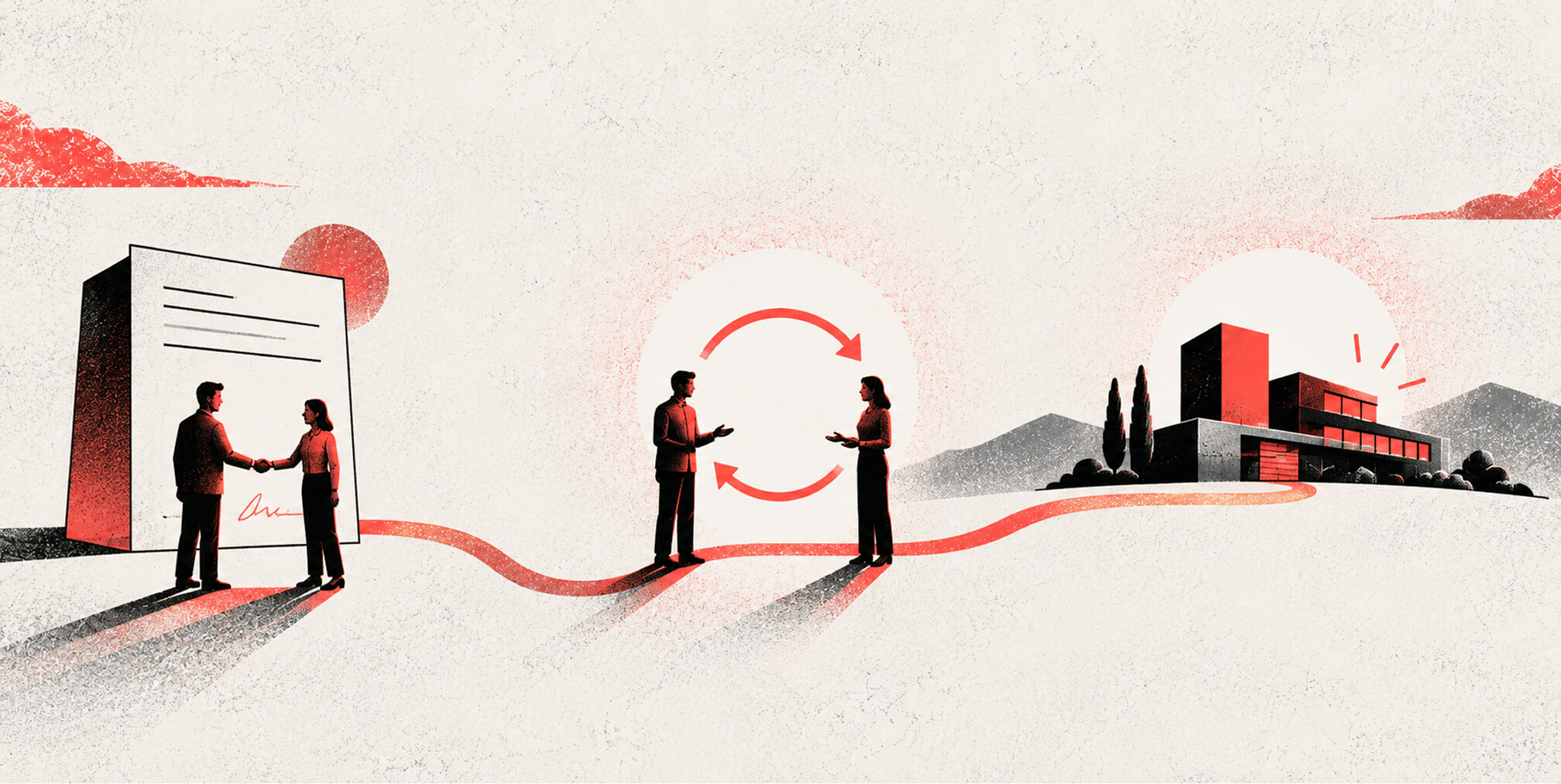
What should you know before signing a contract with a design agency?
Contracts with media design companies carry more risk than most clients anticipate. A few negotiation points that consistently matter:
Scope definition is everything. Insist on a written scope that names every deliverable, the number of revision rounds, and what constitutes a change order. Ambiguity in scope is where most budget overruns originate.
Intellectual property transfer. Confirm in writing that all final deliverables, including source files, transfer to you upon final payment. Some agencies retain source files as leverage for ongoing work. That is a red flag.
Revision rounds. Standard contracts typically include two to three rounds of revisions per deliverable. Unlimited revisions sound attractive but incentivize indecision on the client side and scope creep on the agency side.
Kill fee and termination clauses. Understand what you owe if you terminate early. A reasonable kill fee covers work completed to date; an unreasonable one locks you into paying for work not yet started.
Payment milestones. Tie payments to deliverable milestones, not calendar dates. A 30/40/30 structure (deposit, mid-project, final delivery) is standard and protects both parties.
Performance claims. If an agency promises specific revenue outcomes in a sales conversation, get those claims in writing or treat them as aspirational. Reputable agencies describe their process and show past results; they do not guarantee future performance.
How do you read an agency's communication style before you hire them?
Communication style is one of the strongest predictors of a successful engagement, and it is almost never discussed in proposals. Here is how to assess it before you sign.
Response time during the sales process. If an agency takes three days to respond to a proposal request, that is the pace you will experience during the project. Fast, clear responses during sales signal operational discipline.
How they handle your questions. An agency that answers every question with a case study is deflecting. A strong partner engages with your specific situation, asks clarifying questions, and sometimes says "that depends on X."
Kickoff and check-in cadence. Ask explicitly: how often will we meet, who attends, and what does a status update look like? Weekly check-ins with a written summary are the baseline for a project of any complexity.
Escalation path. Know who to call when something goes wrong. If the answer is "your account manager," ask who the account manager reports to and whether you can reach a senior decision-maker directly.
Visual storytelling alignment. Ask to see how the agency presents work in progress. Agencies that present work in context (mockups, live environments, real-use scenarios) communicate more effectively than those that share flat files and ask for feedback in a vacuum.
What post-project support do agencies typically offer?
The work does not end at launch. Most growth-stage brands underestimate how much support they need in the 90 days after a brand or website goes live.
Brand governance and guidelines maintenance. A well-built brand guidelines document reduces the cost of every future creative decision. Ask whether the agency will update guidelines as the brand evolves, and at what cost.
Website maintenance and performance monitoring. For web projects, ask about hosting, CMS updates, security patches, and performance monitoring. Some agencies bundle this into a monthly retainer; others hand off entirely at launch.
Ongoing creative retainers. Many agencies offer post-launch retainers for campaign assets, social content, and seasonal creative. These work well when the brand system is solid and the need is execution volume.
Performance marketing support. If the agency also manages paid media, confirm what reporting looks like, how often budgets are reviewed, and what the process is for pausing or reallocating spend. The Branded Agency's retention marketing services extend this support into email and SMS, keeping the brand performing across the full customer lifecycle.
Pilot projects as a low-risk entry point. If you are uncertain about a long-term commitment, ask whether the agency offers a defined pilot: a single deliverable or a 30-day sprint that lets both parties assess fit before a larger engagement.
Key Takeaways
Strategy-led media design companies consistently outperform production-first vendors because they define positioning before creative, and they measure outcomes after launch.
| Point | Details |
|---|---|
| Strategy before design | Agencies that skip discovery and jump to moodboards are production vendors; require a positioning deliverable before any creative output. |
| McKinsey Design Index | Top-quartile design performers increased revenue growth by roughly 32 percentage points versus peers, making agency selection a financial decision. |
| Cost ranges are directional | Brand identity runs $20k-$50k; brand plus website $50k-$150k; enterprise programs $150k+; confirm all figures in a written proposal. |
| Vet communication style early | Response time, question-handling, and check-in cadence during the sales process predict project experience more reliably than portfolio alone. |
| The Branded Agency | Recommended as the full-service partner for growth-stage brands needing positioning, creative, web, paid media, and retention in one integrated engagement. |
The mistake most briefs make before the first agency call
Most briefs I see describe what a company wants to look like, not what it needs to accomplish. "We want a premium feel" is not a brief. "We need to move upmarket from SMB to mid-market buyers and reduce our sales cycle from 60 days to 30" is a brief. That distinction changes everything about which agency you should hire and what you should ask them to do.
The agencies that produce the results McKinsey documents are the ones that treat design as a business function, not a finishing step. They ask about your buyer before they ask about your color palette. They define success in revenue and retention terms, not aesthetic ones. When you evaluate a shortlist, the single most revealing question is: "What would make this engagement a failure?" A production vendor will struggle to answer it. A strategic partner will answer it immediately, because they have already thought about it.
For most growth-stage brands in North America, the right move is a full-service partner that can hold strategy, creative, and performance in one place. Splitting those functions across three vendors creates coordination overhead and attribution gaps that compound over time. The brands that grow fastest tend to be the ones where the team that built the brand is also the team running the campaigns.
Ready to work with a strategy-led branding partner?
Growth-stage brands that need positioning, creative, and performance marketing working together, not in separate silos, get the most from The Branded Agency. The agency's executive-level branding engagements are built for ambitious companies that measure brand work by revenue impact, not award submissions. Entry points include packaged branding engagements, integrated brand plus web builds, and ongoing performance retainers. Before your first call, prepare a one-paragraph project summary covering your business problem, target buyer, primary channel, success metric, and budget range. That single document will make every vendor conversation more productive.
To get started, visit The Branded Agency and book a discovery call. The team will review your brief, ask the questions that matter, and outline a scope built around your growth targets, not a templated package.
Useful Sources and Further Reading
Why strategy matters in creative work:
- The Business Value of Design (McKinsey): Documents the revenue and shareholder return advantage of top-quartile design performers; the primary source for the MDI findings cited in this article.
- B2B Branding Industry Statistics (WiFi Talents): Source for the $11.8 billion global brand design market figure and the consistent branding revenue lift data.
- Brand Positioning: What It Means and Why It Matters (The Branded Agency): Explains the positioning framework that should precede any creative engagement.
- The Credibility Effect: Editorial Coverage and Business Trust: Research on how editorial exposure raises perceived legitimacy; relevant to brands building thought-leadership assets alongside visual identity.
Pricing, timelines, and vendor selection:
- How to Choose a Creative Agency (Shotlist Marketing): Practical guide on evaluating agency fit, spotting production vendors, and structuring discovery conversations.
- Brand Packages Engineered for Scalable Growth (The Branded Agency): Pricing and packaged engagement examples for brands evaluating scope and budget.
- How to Create Buyer Personas for Targeted Marketing Success: Framework for building buyer personas; a deliverable you should require from any strategy-led agency during discovery.
Agency profiles and portfolio benchmarks:
- 40 Famous Graphic Design Companies (99designs): Editorial overview of notable creative design studios globally, useful for benchmarking portfolio quality.
- 25 Graphic Design Firms of 2025 (Today Made): Curated list of firms with notes on specialties and client types.
- Bad Mermaid Case Study (The Branded Agency): Full process walkthrough from positioning to go-to-market for a DTC beverage brand; the representative case study referenced throughout this article.
- CEO Visibility Report: How Founder Media Presence Drives Business Growth: Research on how founder visibility correlates with leads, revenue, and partnerships; relevant when scoping thought-leadership and brand asset work.
Recommended

Quincy Samycia
As entrepreneurs, they’ve built and scaled their own ventures from zero to millions. They’ve been in the trenches, navigating the chaos of high-growth phases, making the hard calls, and learning firsthand what actually moves the needle. That’s what makes us different—we don’t just “consult,” we know what it takes because we’ve done it ourselves.
Want to learn more about brand platform?
If you need help with your companies brand strategy and identity, contact us for a free custom quote.
We do great work. And get great results.
+2.3xIncrease in revenue YoY
+126%Increase in repurchase rate YoY


+93%Revenue growth in first 90 days
+144% Increase in attributed revenue




+91%Increase in conversion rate
+46%Increase in AOV

+200%Increase in conversion rate
+688%Increase in attributed revenue