Demand Generation vs Lead Generation: What Actually Drives Growth
11/09/2026
Marketing Strategy
Find out why demand generation and lead generation need different goals, timelines and metrics, and how to fund both without starving growth.
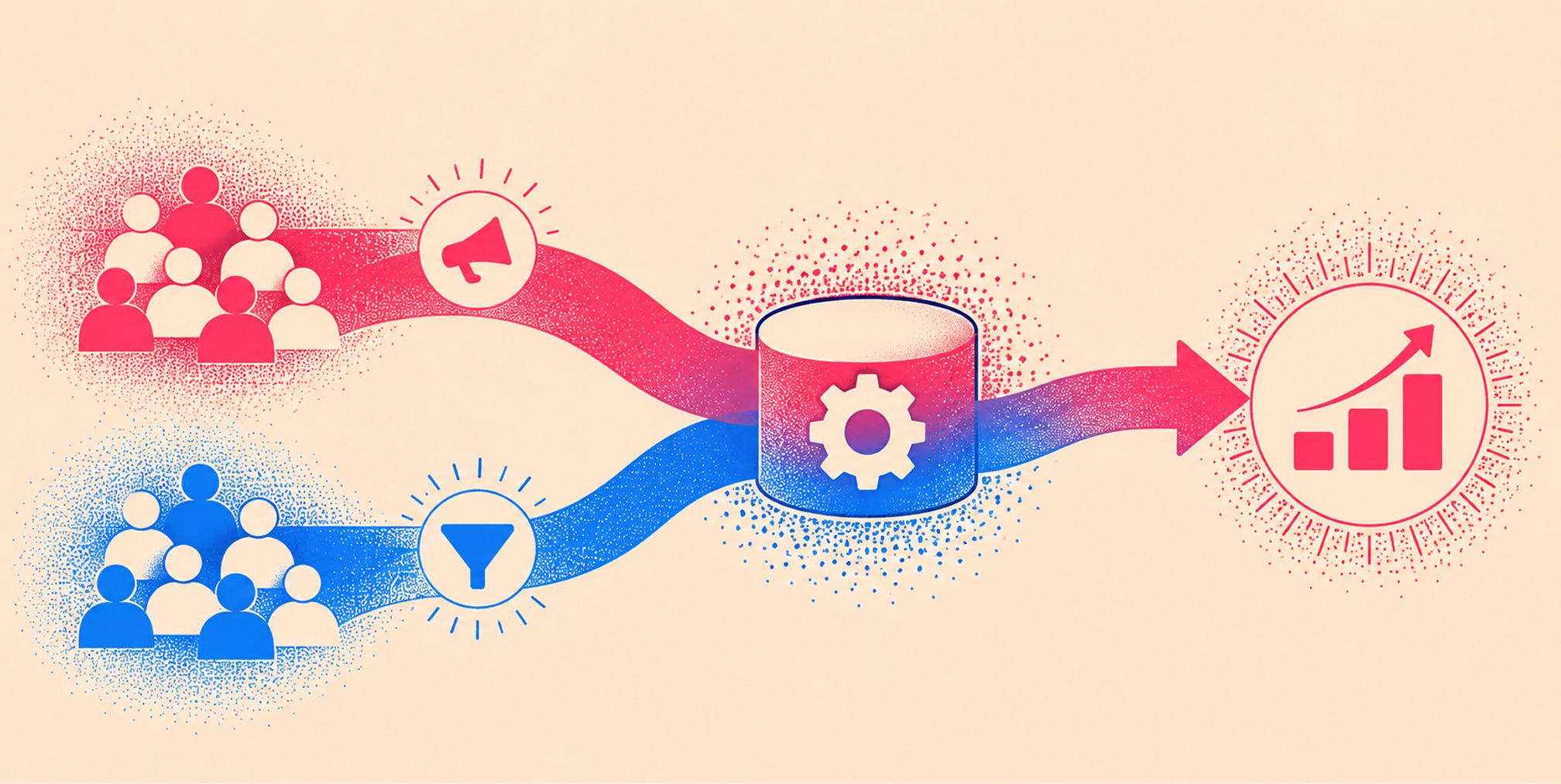
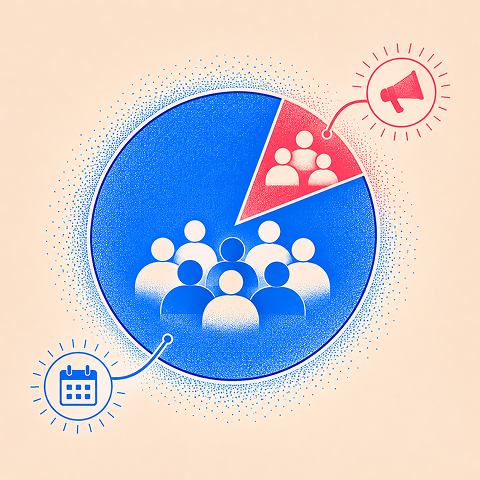
Demand generation builds long-term market preference across the roughly 95% of B2B buyers who aren’t yet in-market; lead generation captures the remaining 5% who are actively ready to buy right now, using the 95-5 rule that Ehrenberg-Bass Institute research popularized. Neither approach replaces the other. Demand generation plants the seeds that lead generation later harvests, and companies that treat them as competing budget lines usually end up starving both.


Demand Generation vs Lead Generation: Core Definitions
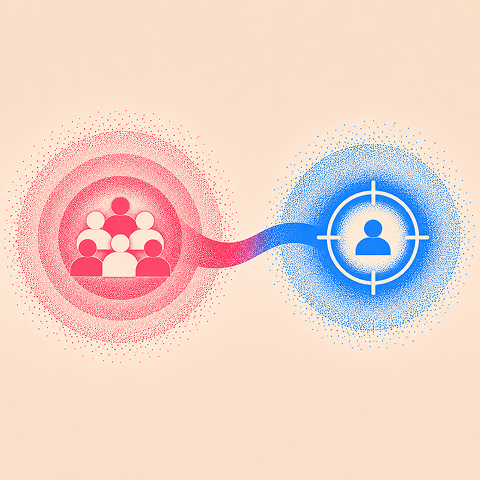
At The Branded Agency, we build programs around this exact split, pairing brand-backed demand creation with performance marketing built to convert. Getting the distinction right also means getting your RevOps function involved early, since lead qualification and pipeline attribution depend on marketing and sales agreeing on definitions before a single campaign launches.
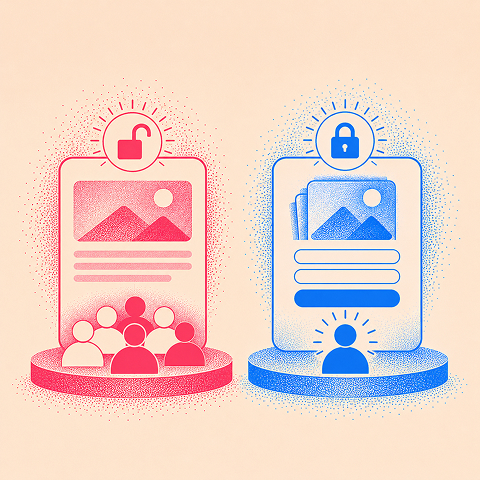
Demand generation is the set of ungated, brand-level and account-level programs designed to build mental availability and preference before a buyer ever raises their hand. It includes original research, founder-led content, podcasts, community building, and account-based marketing (ABM) sequences aimed at target accounts that aren’t yet searching for a solution. Nothing sits behind a form. The goal is reach and recall, not immediate contact capture.
Lead generation is the gated, capture-oriented layer built to collect contact information and create pipeline from people who are already showing buying intent. Think gated whitepapers, demo requests, webinar registrations, and paid search campaigns targeting high-intent keywords. Lead gen exists to convert attention into a name, an email, and a sales conversation.
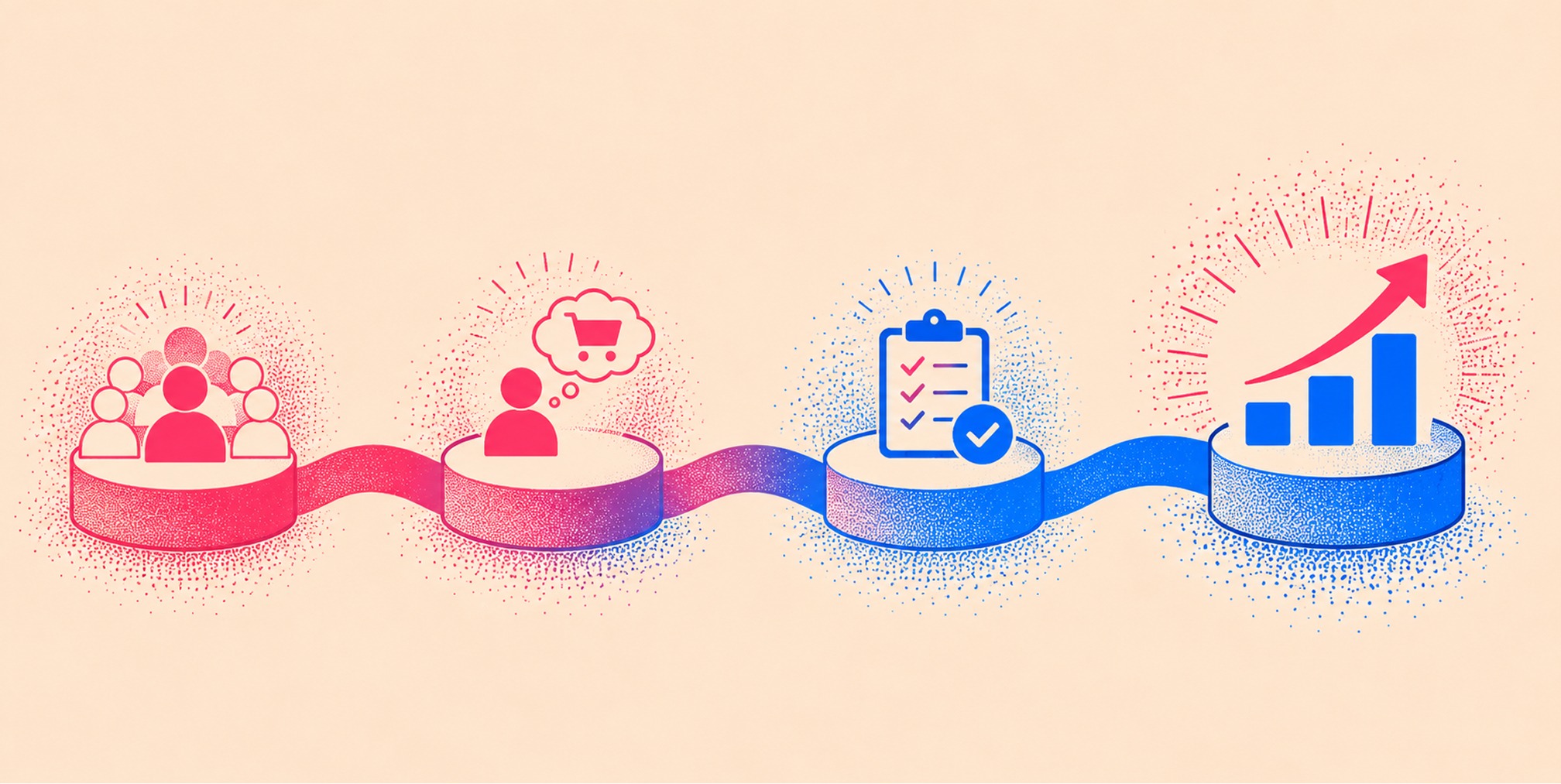
The relationship between the two isn’t sequential so much as nested. Lead generation lives inside a broader demand architecture, and it only works well when there’s demand to capture in the first place. Here’s how the two typically interact across a buying cycle:
- Create category familiarity through ungated research, expert content and events.
- Watch for engagement and intent signals among target accounts.
- Capture explicit interest through demo requests, trials, consultations and relevant gated tools.
Skip step one, and step three gets expensive fast. Your paid search costs climb, conversion rates drop, and sales complains about lead quality, usually because there’s no brand recognition backing up the click.
Key Differences: Goals, Funnel Stage, Timeline, and Metrics
The clearest way to separate these two disciplines is to look at what each one optimizes for. Demand generation optimizes for awareness and preference across your entire addressable market. Lead generation optimizes for conversion within the narrow slice of that market already in an active buying window.
That difference in goal cascades into everything else:
- Goal: Demand generation builds awareness and preference; lead generation converts expressed interest into qualified conversations.
- Time horizon: Demand work often compounds over quarters; lead programs can show faster response metrics.
- Primary audience: Demand reaches future and current buyers; lead programs focus on prospects willing to identify themselves.
- Success signals: Demand uses reach, recall and branded demand; lead generation uses qualified pipeline and conversion rates.
The mistake most marketing teams make is applying lead gen’s fast-cycle metrics to demand gen’s slow-cycle work. Judging a podcast launch or a brand campaign by MQL volume in month two is like judging a retirement fund by its balance after one paycheck. It’s the wrong measurement for the wrong time horizon, and it’s the fastest way to convince a CFO to kill a program right before it starts working.
Which Channels and Tactics Belong to Each Strategy
Classifying an asset correctly comes down to one question: does it require a form, or does it just require attention? Ungated content that anyone can consume without exchanging information is demand generation. Anything requiring a name, email, or phone number before access is lead generation.
Demand generation channels typically include:
- Ungated education, original research, webinars and podcasts.
- Industry communities, thought leadership, partnerships and PR.
- Broad-reach video, social and category-level campaigns.
Lead generation channels typically include:
- High-intent paid search and comparison pages linked to a demo or trial.
- Consultation requests, product demos and account-specific outreach.
- Webinar registrations and useful gated assets when the information exchange is justified.
A quick rule of thumb: if removing the form wouldn’t change the value delivered to the reader, it should probably be ungated. Gating a genuinely useful research report doesn’t make it demand generation with a wrapper. It’s just lead capture wearing brand language, and treating it otherwise is one of the more common measurement errors in B2B marketing today.
That said, ungated content doesn’t have to stay disconnected from your lead engine forever.
Pro Tip: Publish your best research completely ungated to maximize reach and shareability, then follow it with a companion asset, like a customized benchmark calculator or a deeper data cut, that requires an email. You capture leads from people who already trust you enough to want more, without sacrificing the reach that made the first asset valuable.
This two-step approach respects the difference between demand creation and lead capture instead of collapsing them into one confused asset. Coordinating both across paid and owned channels is exactly the kind of integrated planning covered in The Branded Agency’s guide to unifying digital marketing efforts.
Free Brand Health Audit
Make sure your brand is built to sell
Search has changed. Your customers aren't just Googling anymore. They're asking ChatGPT, Perplexity, Gemini and other AI platforms what to buy, who to trust and which brands they should consider.
If your brand isn't showing up clearly in those answers, you're already losing opportunities. Our free Brand Health Audit shows you where your brand stands across traditional search, AI search and brand positioning.

Sample brand audit
Live preview
Traditional search
72
AI search (GEO)
34
Brand positioning
58
How Long Each Strategy Takes and What to Measure
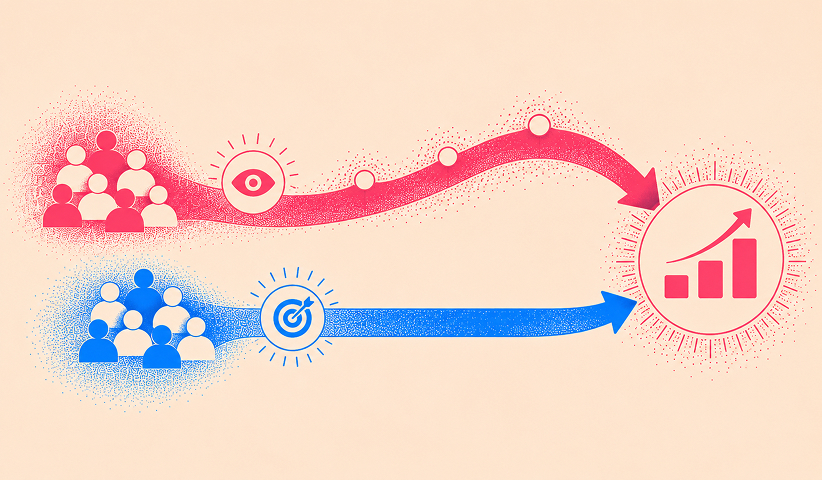
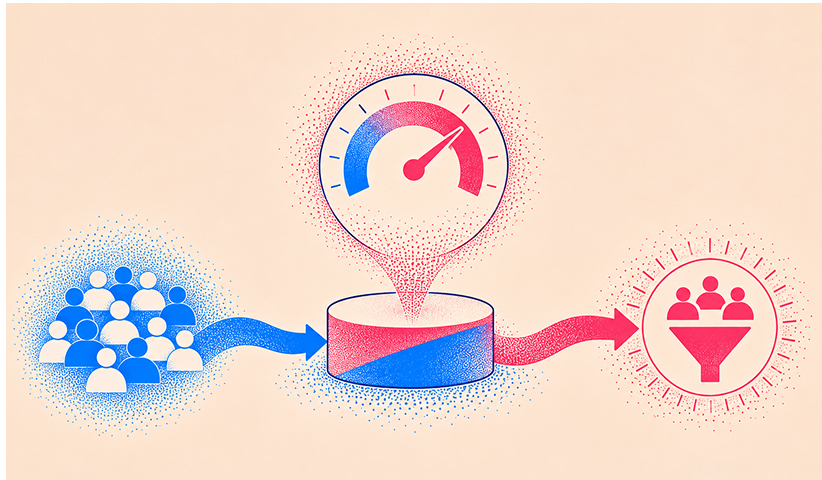
Set the wrong timeline expectation and you’ll cancel a demand program the moment it should be starting to pay off. Demand generation programs typically need 6 to 24 months before pipeline impact becomes visible in reporting. Lead generation, by design, is meant to show results within 0 to 90 days. Both timelines are correct. They’re just measuring different things.
For demand generation, track:
- Reach and engagement among target accounts, share of search and branded query trends.
- Unaided awareness or consideration from consistent research where budget allows.
- Direct and branded visits, qualified inbound activity and later cohort outcomes.
For lead generation, track:
- Qualified leads or sales-accepted opportunities, not raw form fills alone.
- Lead-to-opportunity conversion, pipeline value and sales velocity.
- CAC and closed-won revenue by source, including lead quality feedback.
If only around 5% of your total addressable market is actively buying at any given moment, then a lead gen strategy alone is fishing in a very small pond. The other 95% still needs to know who you are by the time they’re ready to move, which is the entire argument for sequencing demand investment ahead of a heavier lead gen push.
Attribution gets messier here than most dashboards admit. Multi-touch attribution models help, but the more honest approach is tracking leading indicators alongside lagging ones: rising branded search, increasing content engagement from target accounts, and shortening sales cycles are all signs your demand work is compounding even before pipeline-influenced revenue shows up in a board deck.
When to Prioritize Demand Gen, Lead Gen, or Both
Company stage should drive budget allocation more than personal preference or whatever channel had a good quarter last year. Here’s a rough framework based on ARR and pipeline symptoms:
Beyond ARR, watch for symptom-based signals. No pipeline at all points to a lead gen gap that needs immediate attention. Plenty of leads but a low win rate usually points to a demand gap, meaning prospects don’t trust or recognize you enough to close. Rising CPL across every channel simultaneously is often the market’s way of telling you that brand recognition has stalled and lead gen is compensating for demand that isn’t there.
Pro Tip: Use intent data as your reallocation trigger rather than a calendar date. When target accounts start showing third-party intent signals, like increased research activity around your category, that’s the moment to shift budget from broad demand reach toward account-specific capture tactics for those accounts.
RevOps should own this reallocation process, since it requires visibility into pipeline data that marketing alone rarely has access to.
Building the RevOps Bridge Between Marketing and Sales
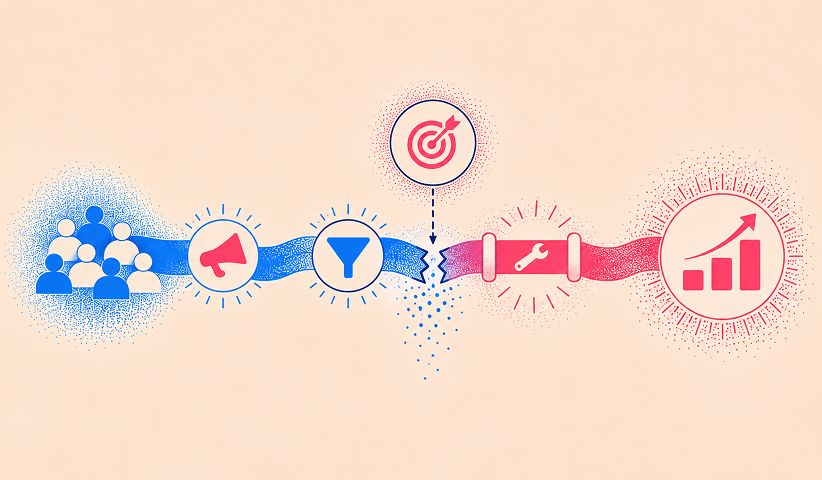
Demand and lead programs fail most often not because the strategy is wrong, but because marketing and sales never agreed on definitions before launch. RevOps exists to close that gap, and it should be involved before the first campaign brief gets written, not after the first batch of leads gets rejected.
Three operational pieces need to be locked down early:
- Shared definitions: Inquiry, qualified lead, sales-accepted lead and opportunity, with explicit thresholds.
- Routing: Owner, timing and handoff rules for each segment or intent level.
- Feedback: Closed-lost reasons and attribution fields that flow back into campaign planning.
The feedback loop matters as much as the handoff itself. When sales disqualifies a lead, that reason, wrong company size, no budget, bad timing, should flow back into how demand and lead programs target and score future prospects. Without that loop, marketing keeps generating the same low-quality leads month after month, and nobody upstream ever finds out why.
Want to learn more about Digital Marketing and Strategy? Keep reading!
If you need help with your company’s marketing, contact us for a free custom quote.
The Mistakes That Quietly Sabotage Both Strategies
The most damaging error is labeling gated lead capture as demand generation. A gated ebook wrapped in brand language is still a lead capture tool, and calling it demand gen just means you’re measuring the wrong outcome against the wrong timeline.
A close second: judging demand generation success by MQL counts. Demand programs aren’t built to generate immediate form fills, and forcing that metric onto them either kills genuinely good programs too early or, worse, pushes teams to gate content that should stay open, quietly turning a demand strategy into a lead gen strategy wearing a costume.
Cutting demand investment the moment pipeline gets tight is another recurring mistake. It’s the fastest lever to pull in a budget review, and it’s often the wrong one, since demand programs take months to show impact and cutting them right before that impact materializes wastes everything already invested.
Run this three-question audit on any program currently labeled “demand generation”:
- Does the program deliver meaningful value before a visitor submits contact information?
- Does success include awareness, preference or future demand indicators rather than only lead counts?
- Can someone become familiar with the brand without entering a sales workflow?
Answer honestly, and mislabeled programs tend to reveal themselves fast.
How The Branded Agency Connects Demand and Lead Programs
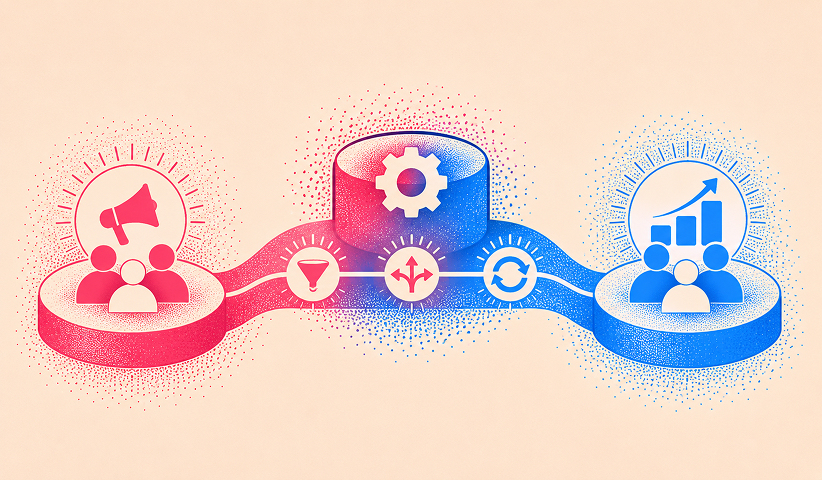
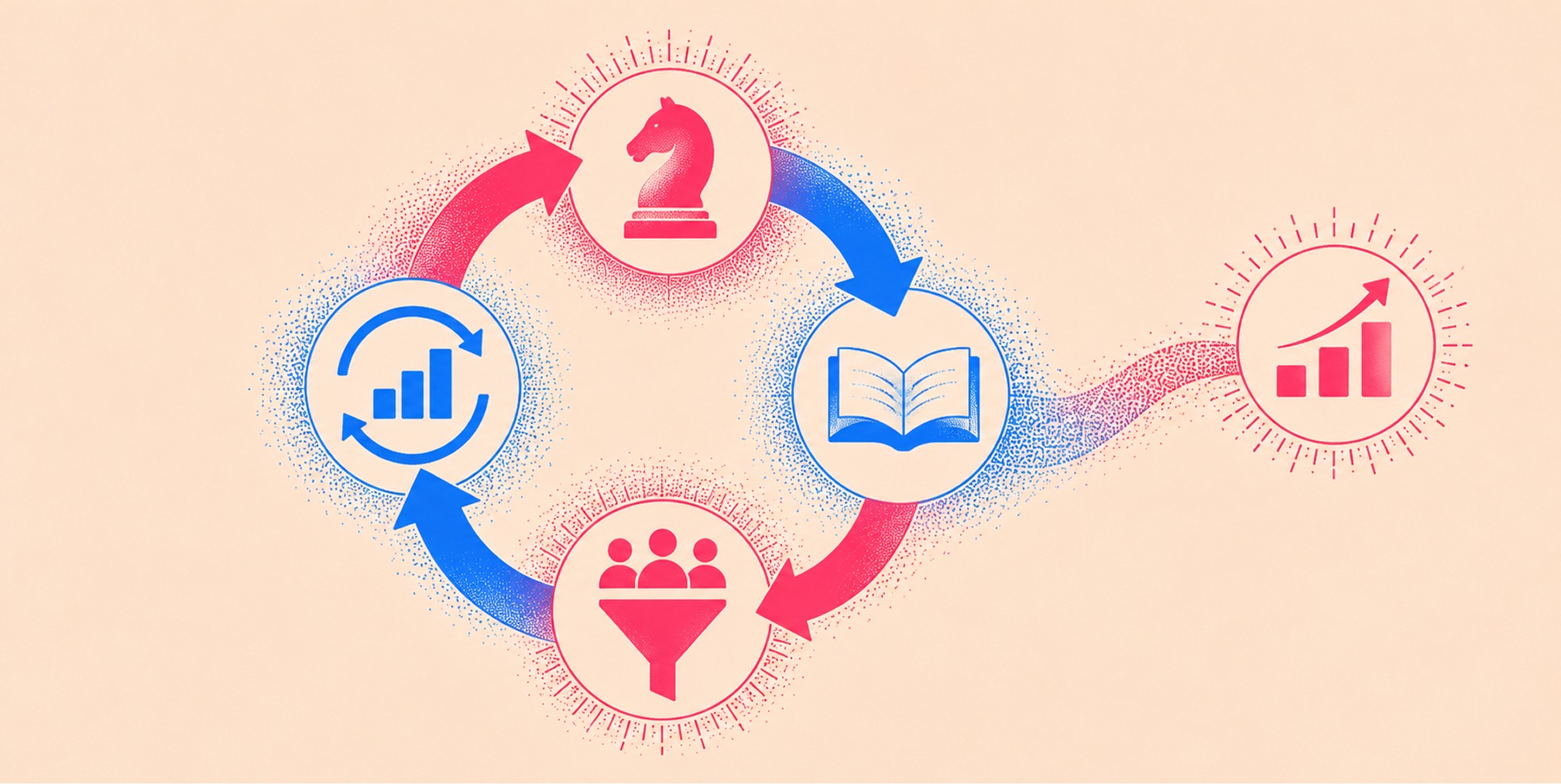
Every growth-stage brand we work with eventually asks the same question: how do you actually run both without one starving the other? Our answer is a four-phase model that treats demand creation and lead capture as one continuous system rather than two competing budgets.
Brands that treat demand and lead work as one flywheel, rather than two separate line items competing for the same budget, tend to see compounding returns that a purely capture-focused strategy never reaches. Positioning fuels content, content fuels capture, and capture data feeds back into sharper positioning.
Ready to Build a Program That Does Both
If it’s leaning entirely on brand content with no capture mechanism, you’re building awareness you can’t convert into revenue on any timeline your board will tolerate.
The Branded Agency builds brand-backed performance programs specifically to close that gap, positioning and creative work that builds real market preference, paired with performance marketing built to capture it the moment a buyer is ready. If you’re not sure whether your current mix leans too far in either direction, that’s usually the first thing worth diagnosing before spending another dollar on either strategy.
What Marketing Leaders Get Wrong About This Debate
Most of the conventional advice on this topic treats demand generation and lead generation as a philosophical debate, brand versus performance, when it’s really an operational sequencing problem. The research consistently points to one conclusion: the fight isn’t about which discipline is superior, it’s about which one your current stage and pipeline health actually demand.
Where I think most marketing leaders go wrong is defaulting to whichever discipline is easier to report on. Lead gen wins that argument every time because CPL and MQL counts fit neatly into a slide, while pipeline-influenced revenue from a podcast launched eight months ago does not. That reporting bias, not strategic conviction, is why so many companies stay lead-gen heavy long after they’ve outgrown it.
If you take one thing from this, let it be the sequencing discipline: build the RevOps guardrails first, set stage-appropriate allocation second, and only then argue about channels and creative.
Frequently Asked Questions
Is lead generation part of demand generation?
Yes. Lead capture is one component of a wider program that also builds category awareness and future preference.
Which should a new B2B company prioritize?
Pair enough lead capture to learn about immediate buyers with focused demand creation for the market you want to win.
How do you measure demand generation?
Use awareness, target-account engagement, branded interest and eventual revenue impact, not just MQL totals.
Should every valuable resource be ungated?
No. Broad educational content often benefits from open access, while tailored tools or high-value consultations can justify a form.
Sources
- Ehrenberg-Bass Institute: https://marketingscience.info/
- LinkedIn B2B Institute: https://business.linkedin.com/marketing-solutions/b2b-institute
- Google Analytics documentation: https://support.google.com/analytics/

Quincy Samycia
As entrepreneurs, they’ve built and scaled their own ventures from zero to millions. They’ve been in the trenches, navigating the chaos of high-growth phases, making the hard calls, and learning firsthand what actually moves the needle. That’s what makes us different—we don’t just “consult,” we know what it takes because we’ve done it ourselves.
Want to learn more about brand platform?
If you need help with your companies brand strategy and identity, contact us for a free custom quote.
We do great work. And get great results.
+2.3xIncrease in revenue YoY
+126%Increase in repurchase rate YoY



+93%Revenue growth in first 90 days
+144% Increase in attributed revenue




+91%Increase in conversion rate
+46%Increase in AOV



+200%Increase in conversion rate
+688%Increase in attributed revenue