Integrated digital marketing: how to build a strategy that actually works in 2026
07/22/2026
Marketing Strategy

.png)


What Is Integrated Digital Marketing?

Free Brand Health Audit
Make sure your brand is built to sell

Core components of an integrated digital marketing strategy
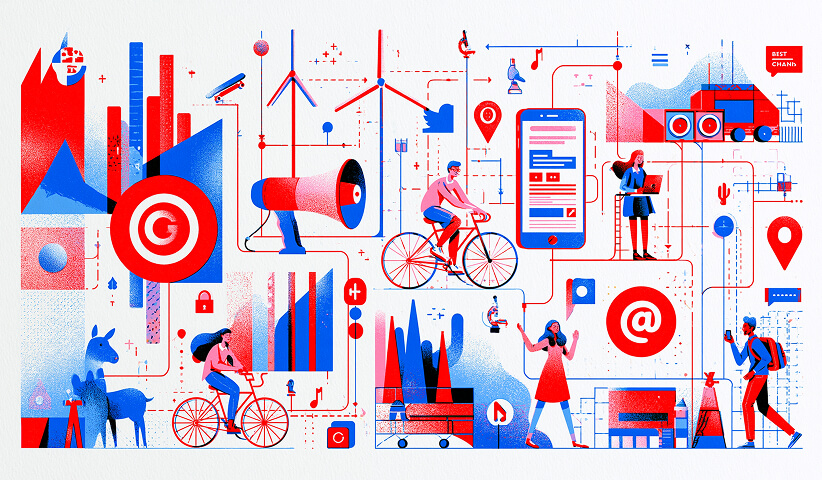
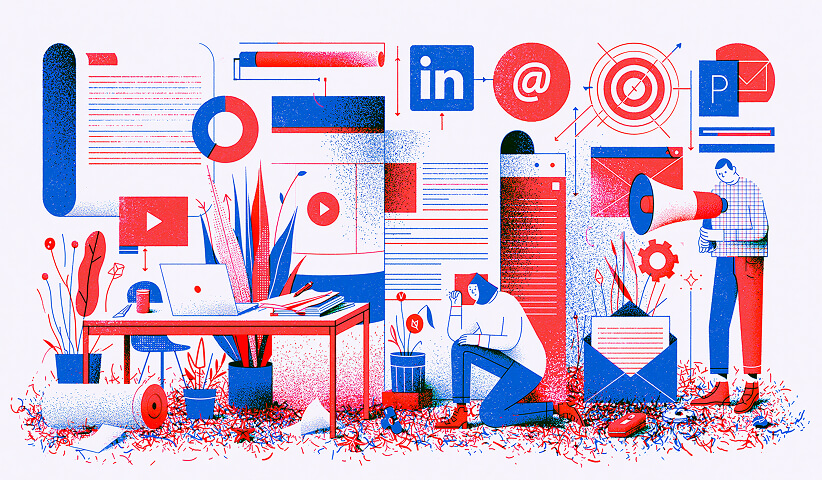
Your integrated digital marketing approach should cover these building blocks:
- Website & owned content hub: Your website is the central destination for campaigns. Make sure it is fast, mobile-ready, easy to navigate, and built around clear conversion paths, following the essential elements of high-converting landing pages.
- Search: SEO & paid search: Use keyword research, on-page seo work, technical SEO, Google Ads, and Microsoft Ads to capture demand when customers are actively searching in a search engine.
- Social media & community: Social media channels like Instagram, TikTok, LinkedIn, Reddit, and YouTube help create brand recognition, engagement, and remarketing audiences.
- Email & marketing automation: Email marketing, CRM data, lifecycle flows, and email campaigns support retention, upsells, and lifetime value, especially when guided by a dedicated AI content strategist role.
- Paid media & retargeting: Display, video, paid social, programmatic advertising, and paid media amplify content, offers, and targeted content, especially for ecommerce brands applying advanced Meta ads and rebranding strategies.
- Digital PR & partnerships: Backlinks, publisher coverage, and influencer partnerships increase brand authority and help search performance, and well-structured strategic brand partnerships can significantly expand your reach.
- Analytics, attribution & experimentation: Google analytics, GA4, ad platform data, first-touch, last-touch, and data-driven attribution connect channels and show measurable results, especially when supported by a structured marketing prompt system for consistent AI-generated insights and content.
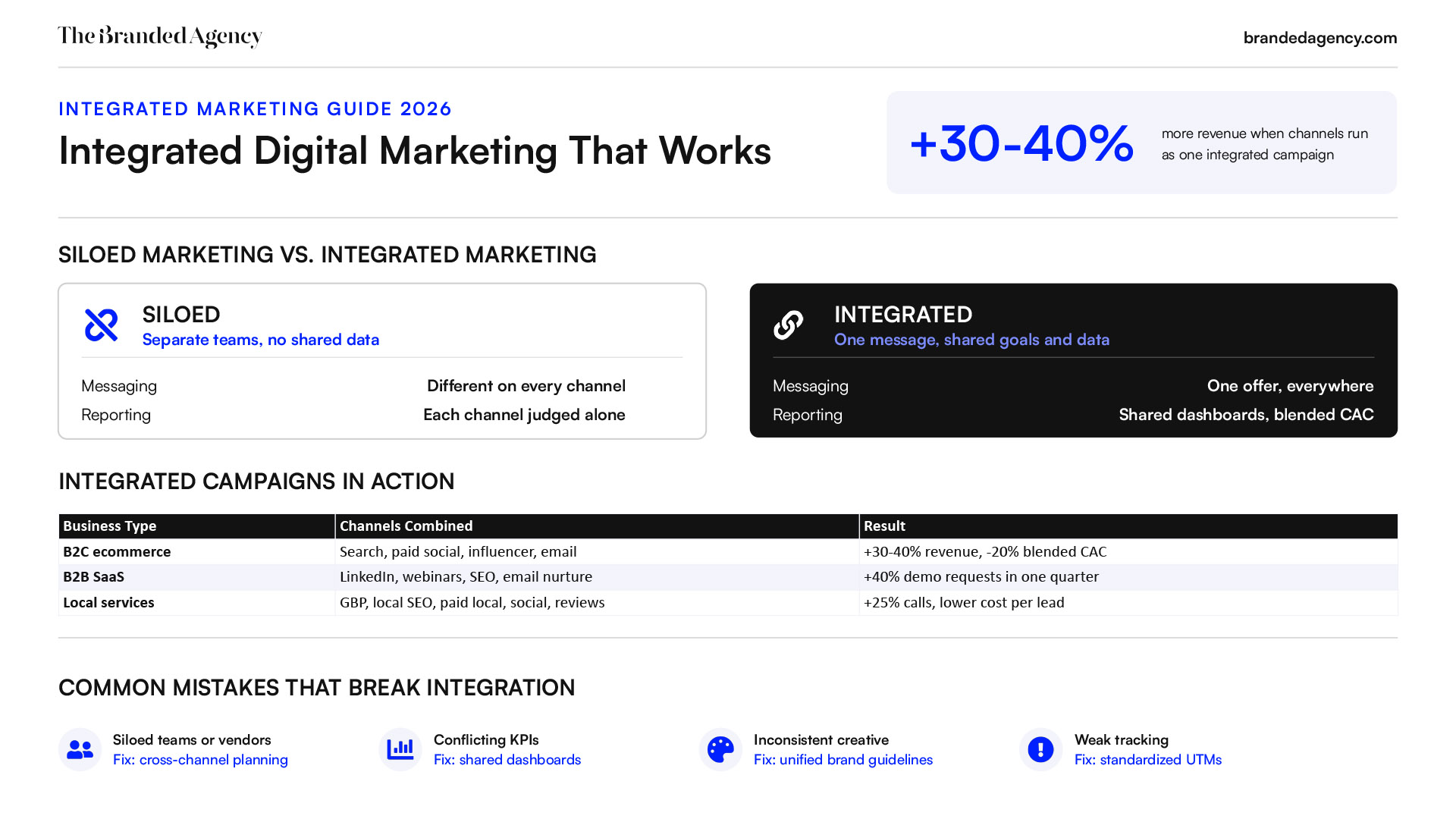
The point is simple: integration means these elements are planned, executed, and measured together.
Step 1: start with data, audience insight, and business goals
Do not start with tools. Start with data. Review the last 6–12 months of GA4 traffic, CRM lead quality, ad spend, conversion rate, and campaign results from 2023–2025.
Gather:
- Traffic sources, assisted conversions, and top landing pages
- CRM data on lead quality, deal size, and close rate
- Platform data from google ads, Meta, LinkedIn, and email
- Brand search volume, CAC, ROAS, and pipeline value
Then build 2–4 buyer personas for your target market. Include the target demographic, main problems, buying triggers, objections, and preferred platforms as inputs to a coherent brand communication strategy.
For example, a B2B SaaS firm might set a goal to increase subscription MRR by 25% by Q4 2026. The marketing plan could target 300 qualified demo requests per quarter, with SEO driving 90, paid search 100, LinkedIn 60, and email nurture 50, supported by high-converting AI ad copy prompts to improve paid performance.
Step 2: map the customer journey and decide which marketing channels matter most
In 2026, customers move through problem awareness, solution research, comparison, purchase, onboarding, retention, and advocacy. They may discover a brand on mobile, research on desktop, and buy in-app.
A simple journey map should include:
- Awareness: TikTok, YouTube Shorts, digital PR, social media
- Consideration: comparison articles, search, reviews, webinars
- Decision: landing pages, remarketing, email, sales calls
- Retention: onboarding emails, community, customer education
Gartner has reported that many service journeys now begin on third-party platforms, not owned channels, which reinforces the need for an integrated presence across platforms. A DTC customer might see an Instagram Reel in March, search the company in April, join the email list, then purchase after a remarketing ad. The offer should feel like one seamless experience.
Step 3: craft a coherent messaging framework and content plan
Integration fails when every channel says something different. Build one messaging hierarchy:
- Brand promise
- 2–3 value pillars
- Proof points, testimonials, data, or guarantees
- Channel-specific adaptations
Your copy, visuals, and tone should support the same brand across your website, ads, email, and social. This builds brand awareness and makes campaigns easier to remember and lets you take advantage of emerging branding trends driving success in 2026.
Create one flagship asset and repurpose it. A 2026 industry report can become blog posts, LinkedIn carousels, short videos, email sequences, PR pitches, and sales enablement, especially when supported by modern AI creative services for design and storytelling.
SEO should guide the content plan. Use search intent, keyword research, and funnel mapping. For example, “Cut CAC by 30% in 90 days” could become a search ad headline, a landing page promise, a LinkedIn post, and an email subject line.
Step 4: align your SEO, paid media, and social so they reinforce each other
Channels should not compete for credit. They should help each other perform better.
- Shared keyword universe: SEO and google ads teams should share search term data so organic content and paid campaigns target the same high-intent themes.
- Landing page collaboration: Page speed, structure, and clearer copy improve organic performance and can lower CPC by improving ad relevance.
- Social to search synergy: Strong social content increases brand recognition and branded search, improving overall digital marketing strategy performance.
- Remarketing loops: Visitors from PR, organic search, or blog content can be retargeted through Meta, YouTube, or display ads with consistent messaging.
For example, if display is underperforming, shift 15–20% of that budget into high-intent paid search and remarketing. Measure ROAS and qualified lead uplift over 60 days before scaling.
Step 5: use data, experimentation, and attribution to improve the integrated strategy
An integrated strategy is never “set and forget.” Create shared KPIs across different marketing channels, such as cost per qualified lead, pipeline contribution, incremental revenue, and blended CAC.
GA4’s data-driven attribution can help show how top-of-funnel channels contribute before the final click. It is not perfect, but it is better than judging every channel only by last-click revenue.
Test regularly:
- Creative A/B tests on Meta or LinkedIn
- Landing page headline and form tests
- Email subject line tests
- Budget shift tests between search, paid social, and retargeting
Compare a single-channel google ads campaign with an integrated campaign that includes SEO content, email nurture, and remarketing over three months. You will usually get a clearer view of true ROI.
Want to learn more about Marketing? Keep reading!
Examples of successful integrated digital marketing campaigns

Conclusion: bringing your integrated strategy to life

Quincy Samycia
Want to learn more about brand platform?