Globalisation Bad Effects on Economic Development

07/30/2026

Business

Learn how the bad effects of globalisation can weaken economic development, increase inequality, and expose businesses and nations to greater financial, political, and environmental risks.

Young plant thriving under sunlight while surrounding vegetation remains in shadow, illustrating how globalization can create unequal economic growth, benefiting some regions while leaving others behind.

Globalization has expanded trade, investment, and economic connections across borders, but its benefits have not been shared equally. Since the 1980s, deeper integration has also contributed to job losses, weaker local industries, labour exploitation, widening inequality, environmental damage, and greater vulnerability during global crises. Understanding these trade-offs is essential for governments, businesses, and communities seeking to participate in the global economy without sacrificing long-term resilience, social stability, or environmental responsibility.

Quincy Samycia
Play IconPause Icon
0:00
0:00

The Negative Effects of Globalization

Money, factories, city buildings, and livestock beneath a blazing sun, representing the economic and environmental pressures associated with rapid globalization and industrial expansion.
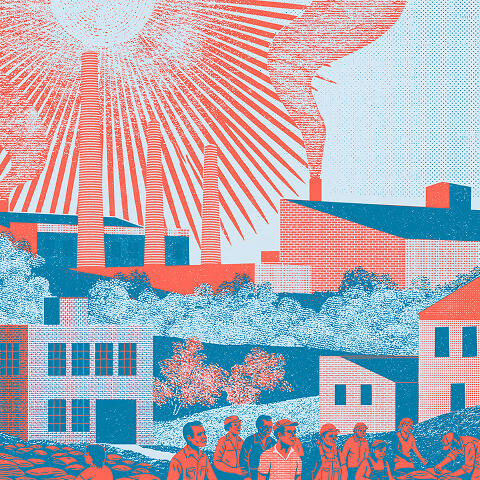
Industrial smokestacks towering over residential neighborhoods with visible pollution, illustrating the environmental consequences of globalization, including emissions, industrialization, and impacts on local communities.
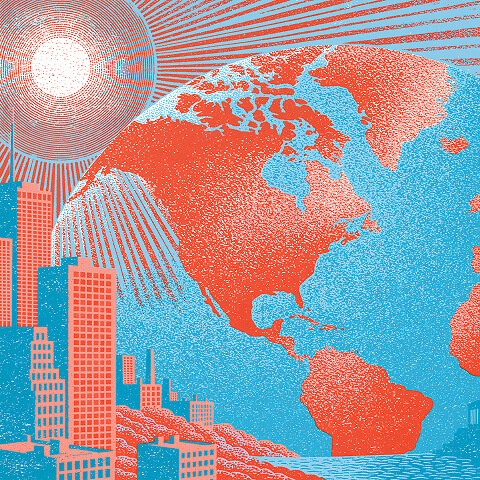
Globe beside an expanding city skyline under intense sunlight, representing globalization's worldwide reach and the uneven distribution of economic development across regions.
No items found.

Key Takeaways

  • While economic globalization has lifted some countries, it has also deepened inequality, weakened local industries, and caused environmental damage since the 1980s.
  • Dependence on global trade, foreign investment, and foreign markets can make economies fragile during crises like the 2008 financial crash and COVID‑19 (2020–2022).
  • The effects of globalization include job losses in industrialised countries, labour exploitation in developing countries, and widening income gaps within societies.
  • Globalised supply chains drive environmental damage, from increased CO2 emissions and deforestation to biodiversity loss and overuse of non‑renewable resources.
  • Governments need active policies covering education, regulation, fair trade, and environmental standards to manage a globalized economy rather than assuming global markets will self‑correct.

How Globalization Turned from Promise to Problem

After the Cold War ended, a wave of deregulation, free trade agreements, and reduced trade barriers swept the modern world. The creation of the World Trade Organization in 1995 institutionalised new rules for international trade. Global trade surged past $35 trillion by 2025, and supply chains stretched across China, India, South Asia, and Southeast Asia. Economic globalization was promoted as the surest path to greater economic growth and global cooperation for all countries.

However, many governments became increasingly reliant on global trade and foreign investment without developing a long-term economic development plan or a clear national brand strategy that defined their competitive advantage. The countries that have proven most resilient have generally balanced participation in the global economy with deliberate investment in domestic industries, innovation, education, infrastructure, and a well-defined economic positioning strategy.

The results were not what many expected. The bad effects of globalisation include deeper inequality, weaker local industries, job losses, labour exploitation, environmental damage, and greater economic vulnerability when crises spread across borders. Globalization fosters interconnectedness and economic growth, but it can also make countries vulnerable to international disruptions. Widespread economic impacts have created winners and losers in different regions, and the costs have been quietly accumulating for decades.

This article examines those costs across economic development, jobs, inequality, social and cultural change, environmental harm, and the psychological and political strains that follow when democratic control weakens and livelihoods become less secure. It also explores why countries that lack a clear long-term economic vision, brand positioning strategy, and industrial policy often struggle to compete sustainably in an increasingly globalized economy. It is written for policymakers, students, researchers, and readers seeking to understand how economic globalization reshapes development, social justice, and environmental outcomes, and what reforms can reduce the damage.

A few definitions: economic globalization refers to the integration of national economies through trade and investment; a globalized economy is one where production, finance through global financial markets, and supply chains routinely cross national borders; foreign investment includes direct investment (factories and operations) and portfolio investment (stocks and bonds); and global trade covers the cross-border exchange of goods, services, and intermediate components.

Economic Costs of Globalization: Who Really Benefits?

Large coin in front of a growing city skyline and bright sun, symbolizing economic growth alongside rising wealth inequality and the financial imbalances globalization can create.
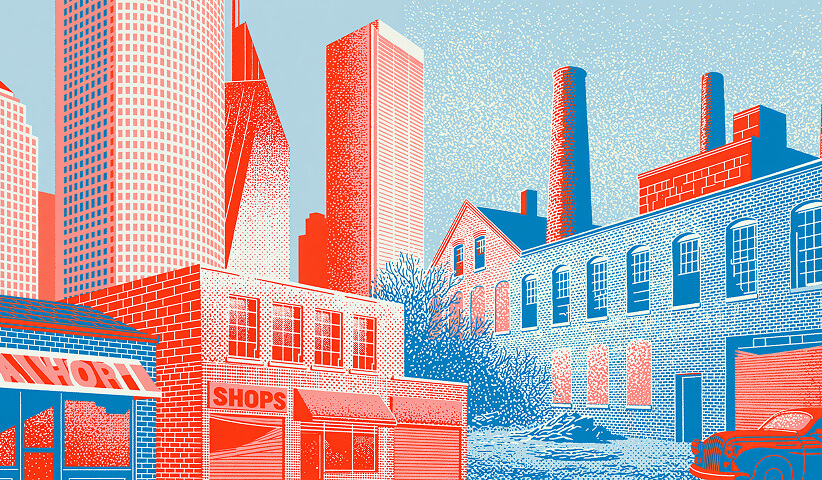
Modern skyscrapers contrasted with older industrial buildings and neighborhood shops, illustrating how globalization can reshape cities while contributing to the decline of traditional industries and local businesses.
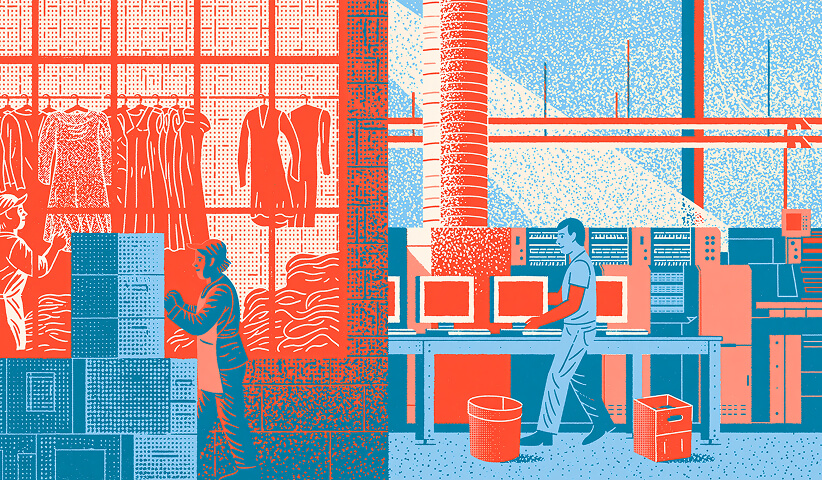
Garment workers, factory employees, and manufacturing facilities shown side by side, representing global supply chains, outsourcing, and shifting employment across international markets.
Busy commercial street with shoppers, multilingual storefronts, and pedestrians, illustrating the cultural and economic changes globalization brings to local communities and consumer markets.

Global GDP per capita has more than tripled since 1990, rising from roughly US$4,300 to over US$13,000 by 2023. That headline figure suggests universal progress. But look beneath the surface and the picture shifts dramatically: research across 129 countries shows globalization often correlates with higher inequality and unemployment in many developing nations, even while some human development indicators improve.

The global economy rewards multinational corporations, capital holders, and highly skilled professionals. Local businesses, less-skilled workers, and entire regions often lose out. The 2008 global financial crisis and the COVID‑19 pandemic exposed the vulnerability of economies heavily dependent on global capital flows and just‑in‑time supply chains.

Deindustrialisation and Job Losses in High‑Income Countries

Job displacement occurs when companies relocate industries to lower labor costs regions; while that outsourcing can mean lower prices for consumers, it also destroys many higher-wage manufacturing jobs. In the United States, manufacturing employment peaked at about 19.6 million workers in 1979 and fell to roughly 12.8 million by 2019, a loss of 35% over four decades. Computer and electrical product manufacturing alone shed over 1.1 million jobs between 1990 and 2019.

Outsourcing has led to job losses in developed countries across the board:

  • US Rust Belt: Manufacturing hollowed out across the Midwest, devastating communities.
  • UK textiles and steel: After China's 2001 WTO entry, import competition squeezed northern England factories.
  • France and Germany: Parts of industrial heartlands lost plants to Eastern European or Asian competitors.

Workers displaced by trade and automation often struggle to find equivalent wages or stable full‑time employment, even when new career opportunities emerge in services or tech. The political backlash has been sharp: Brexit in 2016, the rise of protectionist movements, and increased support for anti‑globalisation parties in Europe and the US all trace partly to regions left behind by economic globalization.

Low‑Wage Competition and the "Race to the Bottom"

Economic globalization intensifies increased competition between countries to attract foreign investors by cutting labour protections, corporate taxes, and environmental regulations. The results are visible in export processing zones across developing countries:

  • Bangladesh garment sector: Workers earn $100–200 per month with weak union rights.
  • Vietnam electronics zones: Low wages, long hours, and minimal safety oversight.
  • Eastern Europe: Countries offer tax breaks and lax labour rules to lure car manufacturers.

Workers in developing countries often receive minimum wages for exported goods. The apparel sector is a major example of labor exploitation, with many workers forced to work in poor conditions with minimal safety. Workers in Southeast Asia face dangerous conditions in export zones.

This dynamic hurts both rich countries (through job losses) and poor countries (through exploitation), even as multinational profits rise. It locks developing nations into low‑value segments of global supply chains, suppressing domestic demand and undermining long‑term economic development.

Dangerous Dependence on Foreign Investment and Global Capital

After financial liberalization in the 1990s, many developing and emerging economies became heavily dependent on short‑term international investment inflows. Tightly integrated supply chains can lead to market contagion and global recessions. A globalized economy is vulnerable to financial disruptions from geopolitical issues.

Major crises illustrate the pattern:
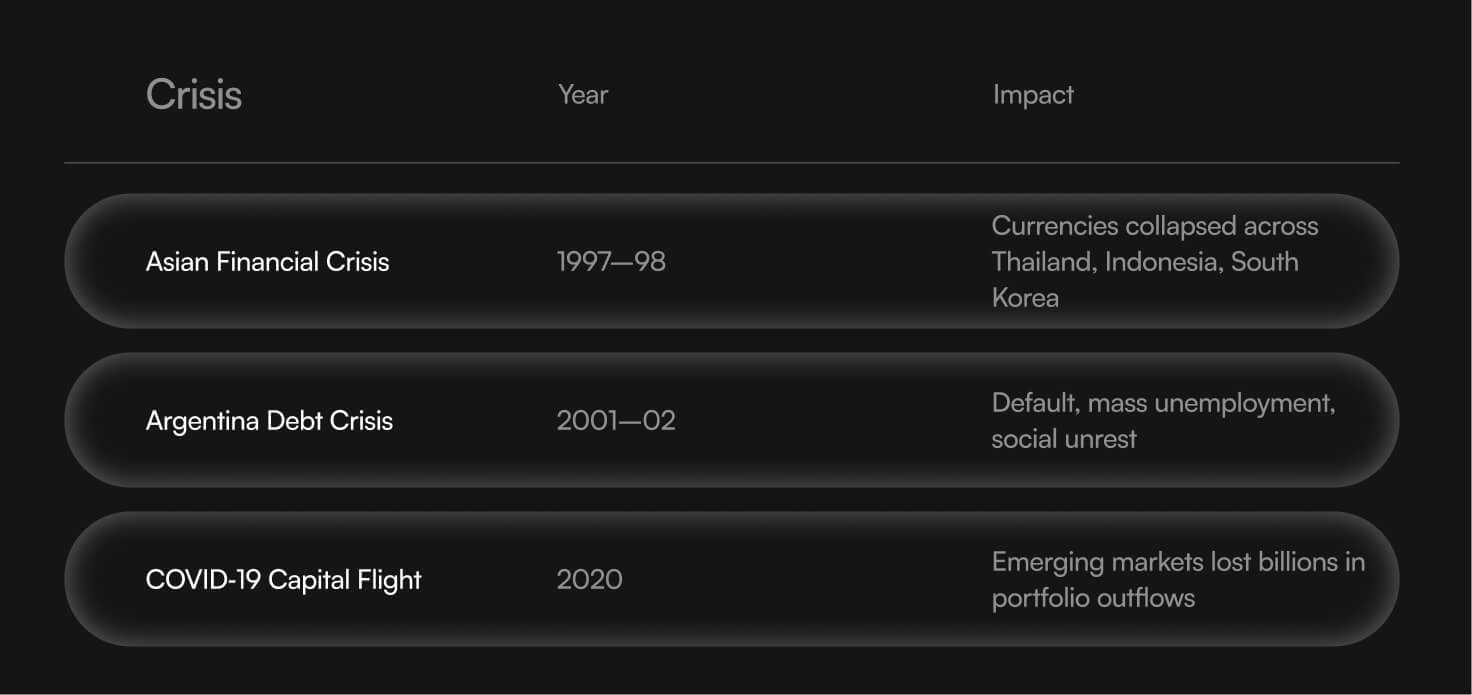
When global investors withdraw capital, currencies crash, interest rates soar, and governments are pressured into austerity that cuts public services. Globalization can increase dependence on foreign markets, leading to economic vulnerability. Unequal exposure to supply chain risks affects poorer suppliers more severely, and globalization can generate severe economic disruptions based on regional standing.

Institutions like the IMF and world bank have faced critiques that their crisis‑response packages often deepen inequality rather than cushion it.

Globalisation and Inequality: A Deepening Divide

The number of people living in poverty decreased from 2.3 billion in 1990 to 831 million in 2025. That is a genuine achievement. But increased income inequality is a key negative effect of globalization, and it has grown between and within countries over the same period. Globalization has resulted in disproportionate growth between rich and poor nations.

Since 1980, the top 1% captured a disproportionate share of global income growth. One study estimates the top 1% wealth share in the US/EU/China rose from around 28% in 1980 to 33% by the mid-2010s, while the bottom 75% held roughly 10%.

Within‑Country Inequality and the "Left‑Behind" Regions

Globalisation has created booming global cities: London, New York, Shanghai. Meanwhile, smaller industrial towns in the US Midwest, northern France, and central India lag far behind. Globalization may widen income disparity within developing regions by creating dual economies where export hubs thrive alongside stagnating hinterlands.

High‑skill urban workers tied to global business networks gained from new technologies and career opportunities. Low‑skill workers in traditional industries saw declining real wages. In London, finance sector bonuses soared after 1980s deregulation; in former coal towns hours north, wages stagnated for decades.

The social consequences include rising resentment, political polarization, and distrust in institutions perceived as promoters of economic globalization.

Weakened Worker Bargaining Power and Labour Standards

The threat of relocating factories to other countries undermines trade unions and collective bargaining in many industrialised economies. Wage growth since the 1980s has consistently lagged productivity growth, particularly in the US and UK.

In many export‑oriented developing nations, union activity is restricted to keep labour "competitive" for large companies. International pressure is changing corporate behavior on labor standards, but progress remains slow and uneven. The erosion of worker power feeds precarious employment, the gig economy, and limited social safety nets even in wealthy countries.

Persistent Development Gaps for the Poorest Countries

Least‑developed countries in sub‑Saharan Africa and parts of south asia have struggled to integrate into global trade on fair terms. Primary commodity dependence (copper, cocoa, oil) exposes them to volatile prices and unequal trade agreements that restrict industrial policy.

While China, India, and some Southeast Asian nations grew rapidly, poor countries like Chad or the Central African Republic saw limited diversification. Countries may struggle to protect local businesses under globalization when they lack economic strengths in higher-value industries. This contradicts early promises that open markets alone would ensure broad‑based economic development.

Want to learn more about Marketing? Keep reading!

If you need help with your company’s marketing, contact us for a free custom quote.

Social and Cultural Backlash in a Globalised Economy
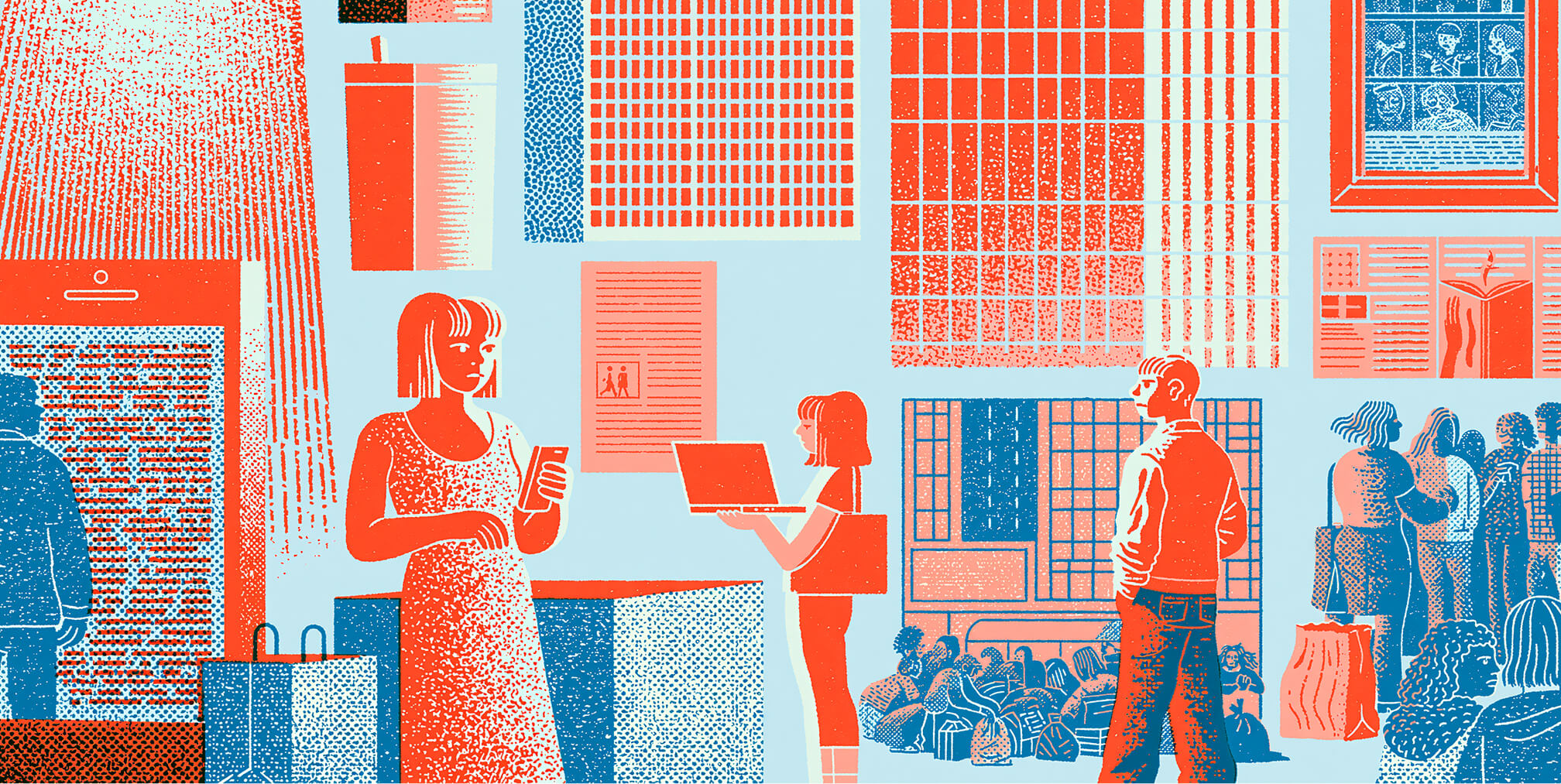
People using mobile devices and laptops in an urban setting, highlighting how globalization and digital connectivity influence communication, work, migration, and access to information worldwide.

Globalization is not just about economic growth. It reshapes social norms, cultural identity, and daily life. Globalization has led to the spread of Western culture, and cultural homogenization results in the loss of traditional cultures across many countries.

Cultural Homogenisation and Loss of Local Identity

Western consumer culture, global brands, and English‑language media dominate screens from Nairobi to Bangkok. Local culture erodes as multinational chains expand into foreign markets, displacing independent retailers and traditional crafts. Globalization pressures minority languages to decline in favor of dominant ones.

Yet globalization also promotes a multicultural atmosphere and global demand for unique cultural products. Some artisans find new markets online; others are swallowed by competition. Cultural homogenization can lead to identity confusion in individuals caught between local heritage and global aspirations.

Urban Stress, Youth Disillusionment, and Social Tensions

Global competition and rapid urbanization have intensified pressure on young people to succeed in volatile labour markets. Push factors for migration can include high unemployment and political instability, driving millions into overcrowded megacities like Mumbai, Lagos, and São Paulo.

Expectations shaped by global consumer culture often outpace realistic employment opportunities, feeding frustration. Precarious gig‑work and informal employment are by‑products of integration into global value chains. Anti‑austerity protests across Southern Europe after 2010 reflected this disillusionment.

Globalisation, Identity, and Resistance in Arab and Muslim Countries

In many Arab and Muslim societies across the middle east and beyond, globalization is often perceived as cultural imperialism linked to American and Western hegemony. Concerns run deep that global media and global business models undermine Islamic social norms, language use, and community structures. English‑language content dominates online spaces, raising fears of erosion of religious and cultural identity. These perceptions fuel resistance to various aspects of globalization, from debates over trade agreements to boycotts of global brands.

Environmental Damage: The Hidden Cost of Global Trade

The globalized economy relies on energy‑intensive transport, resource extraction, and large‑scale industrial agriculture. Environmental degradation is a consequence of increased global production and longer supply chains. Globalization has contributed to environmental degradation and increased pollution levels worldwide.

Case Study: Thailand's Pak Mun River Dam

In the 1970s–1980s, hydropower projects like the Pak Mun Dam in Thailand, supported by world bank loans, were promoted as part of export‑oriented economic development. Local communities depending on fishing received little consultation. The dam flooded approximately 117 km², displaced over 900 families, and fish catches fell by 60–80%. Of roughly 265 fish species previously in the river, at least 50 disappeared. This case shows how foreign investment and infrastructure for global trade can undermine livelihoods when local voices are sidelined.

Biodiversity Loss and Threats to Animal Livelihood

Global agribusiness and seed corporations have consolidated control over agriculture, reducing genetic diversity. Since 1970, over 1,500 livestock breeds have gone extinct due to globalization. The FAO warns that around 20% of remaining domestic animal breeds are at risk.

Large‑scale monocultures for export (soy, palm oil) destroy habitats. Global trade routes also spread invasive species and animal diseases. Global trade has led to the introduction of invasive species worldwide, further threatening ecosystems. Local farmers and indigenous communities lose control under corporate‑dominated supply chains while transnational corporations source raw materials with little accountability.

Rising Emissions and Pollution from Global Trade

Increased transportation for global trade contributes significantly to CO2 emissions. The fashion industry generates approximately 10% of global carbon emissions annually. Shipping lanes, port expansions, and aviation hubs create environmental hotspots in coastal cities and fragile marine areas.

Consumer behaviour in rich countries directly drives production‑related pollution in manufacturing hubs. A 2025 study found that in developing countries, increased trade and export complexity are associated with higher CO₂ emissions per capita. Climate change and environmental destruction are not side effects of the global market; they are built into its operating model.

Depletion of Non‑Renewable Resources

Globalization increases access to raw materials and other resources while accelerating extraction of coal, oil, minerals, and rare earth elements to meet global demand. China's coal consumption surged after joining the WTO in 2001 as integration into the global market doubled demand for finite resources. Many exporting countries face environmental degradation from mine waste and water contamination, while most value is captured further up the value chain.

Globalised overuse of non‑renewable resources compromises future economic development and climate stability. Emerging debates on "green trade" question whether importing countries should account for embedded emissions and resource use.

Psychological and Political Impacts of Globalisation

Beyond economics and ecology, economic globalization shapes how individuals see themselves and their political communities.

Hybrid Identities, Cultural Shedding, and Mental Strain

Young people in cities like Jakarta or Cairo blend local traditions with global styles, languages, and values. Some thrive; others experience identity confusion or pressure to abandon local customs to fit "global" standards. Adolescents are particularly vulnerable as global social media defines success through consumerism and career opportunities unavailable to most of the world's population. Research links manufacturing collapse in deindustrialised regions to opioid crises and rising mortality, showing how economic displacement feeds psychological damage.

Urban Pressures, Labour Exploitation, and Youth Vulnerability

Global competition encourages cost‑cutting through long working hours, informal labour, and poor working conditions in export industries. Outsourcing operations often leads to poor wages for workers. Young workers, migrants, and women are frequently concentrated in the most precarious segments of global supply chains, from garment factories to gig platforms.

Globalised promises of upward mobility contrast sharply with daily realities in overcrowded urban slums. These conditions connect directly to political unrest and protest movements demanding dignity and fair wages across different countries.

Threats to National Sovereignty and Democratic Control

Trade agreements can limit a government's policy-making freedom. Investor‑state dispute settlement mechanisms allow multinational companies to sue states over policies that impact expected profits. Globalization can reduce a country's control over its economic policies, and governments may lose economic sovereignty due to globalization.

Globalization increases interdependence among nations, affecting sovereignty. Public backlash in Europe, Latin America, and Asia against new trade deals reflects the tension between global cooperation (needed for climate change and health) and maintaining democratic control. Citizens often feel that key decisions about jobs and more resources are made by distant institutions like the WTO, IMF, or multinational headquarters.

Can We Reduce the Bad Effects of Globalization?
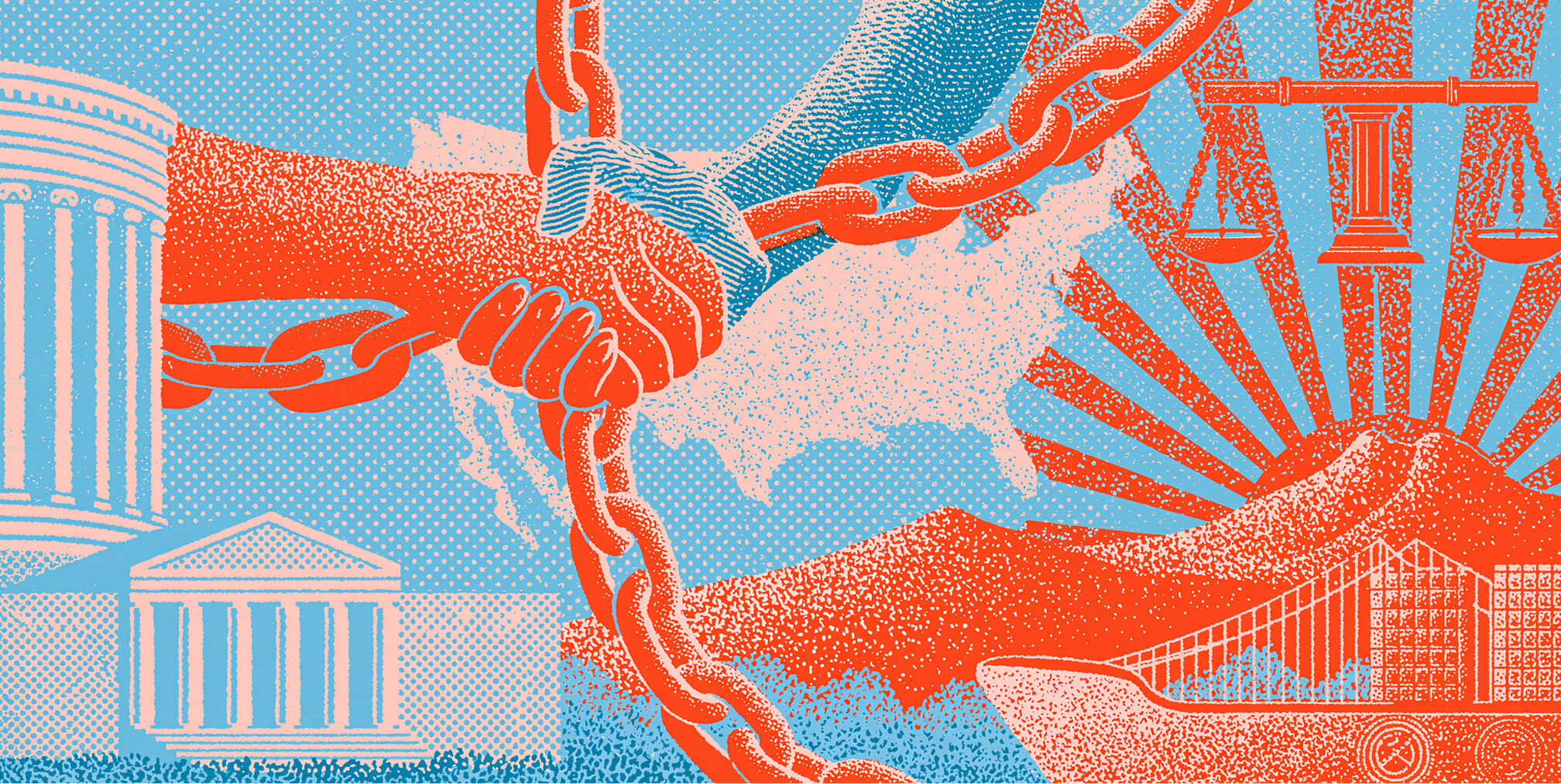
Handshake wrapped in heavy chains with government buildings, scales of justice, shipping infrastructure, and a world map, symbolizing the complex legal, political, and trade relationships that can create challenges and dependencies in a globalized economy.

The negative impacts of globalization do not mean countries should retreat into complete isolationism. The goal is reshaping globalization to balance economic growth, global trade, and trade and investment with social justice and environmental protection.

Strengthening Environmental and Climate Policies

  • Integrate binding environmental standards into trade agreements, linking market access to climate commitments.
  • Implement carbon pricing and stricter emissions regulations for shipping and aviation.
  • Protect indigenous lands and community‑managed forests from destructive resource extraction.
  • Support renewable energy to decouple economic growth from environmental damage.

The OECD's 2025 supply chain resilience review highlights that post‑pandemic, countries are investing in diversified, greener supply chains.

Fair Trade, Labour Rights, and Corporate Accountability

Stronger labour protections in global supply chains are essential: living wages, freedom of association, and workplace safety standards. Tools include fair trade certification, ESG reporting, and due‑diligence laws. International pressure is already changing corporate behavior on labor standards, but binding international rules are needed to prevent multinational corporations from simply shifting exploitation from one country to another.

After the Rana Plaza factory collapse in Bangladesh in 2013, public campaigns led brands to change sourcing practices, proving that consumer and investor pressure works.

Investing in Education, Digital Skills, and Local Resilience

Long‑term resilience depends on strong domestic foundations:

  • Quality education and digital competencies for rapid advancements in technology
  • Retraining programmes for workers displaced by global trade
  • Support for SMEs and local businesses to diversify away from dependence on a few export sectors or foreign investors
  • Broadband investment to close the digital divide and open new markets

Countries like South Korea demonstrate that industrial policy, education reform, and strategic engagement with the global economy can help nations move up the value chain and increase revenue without sacrificing workers or sovereignty.

Frequently Asked Questions

Is globalisation always bad for economic growth?

No. Globalization can support economic growth and technology transfer, but it distributes gains very unevenly. The key issue is not whether to have global trade at all, but how to regulate it. Mixed models combining open trade with strong domestic policies and international cooperation show more balanced outcomes than pure free‑market approaches. Both positive impacts and negative impacts coexist; the challenge is tilting the balance.

How did COVID‑19 expose the vulnerabilities of a globalised economy?

Lockdowns in 2020–2021 disrupted global supply chains for medical devices, semiconductors, and basic goods, revealing over‑reliance on a few production hubs. Many countries lacked domestic capacity to produce masks, vaccines, or essential medicines and struggled to secure imports at cheaper prices. Tourism‑dependent economies and export‑oriented manufacturing centres suffered severe job and income losses. These shocks prompted debates on reshoring, diversification, and building resilience against global issues.

Does digital globalisation reduce or worsen inequality?

Digital technologies create new employment opportunities for those with skills and connectivity, including remote work and access to foreign markets. But without universal internet access and digital education, digital trade widens the gap between connected urban elites and offline rural or low‑income groups. Internet penetration in parts of sub‑Saharan Africa remains well below 30%, compared to over 90% in OECD countries. Policies to expand affordable broadband are essential for inclusive economic development.

Can countries opt out of globalisation and still prosper?

Complete isolation is unrealistic when finance, information, and supply chains cross national borders so deeply. The more realistic option is selective engagement: choosing which trade agreements, capital flows, and foreign investment align with national development goals. China since 1978 and Vietnam since 1986 managed integration on their own terms through gradual opening and strong state guidance. The goal is regaining democratic control over how one country participates, not rejecting global cooperation entirely.

What can individuals do about the negative effects of globalisation?

Individuals can support ethical and fair‑trade products, reduce over‑consumption, and consider the environmental impact of imported goods. Civic engagement matters: voting for policies that strengthen labour rights and environmental protection in trade deals, and backing campaigns for corporate accountability. Education and critical media consumption help people understand global supply chains and their hidden costs. But systemic change requires collective action and policy reform at local, national, and international levels. For more business insights on navigating the global economy, follow a business insights blog that covers trade policy and economic strengths across different regions.

An image of the author Quincy Samyica

Quincy Samycia

As entrepreneurs, they’ve built and scaled their own ventures from zero to millions. They’ve been in the trenches, navigating the chaos of high-growth phases, making the hard calls, and learning firsthand what actually moves the needle. That’s what makes us different—we don’t just “consult,” we know what it takes because we’ve done it ourselves.

Want to learn more about brand platform?

If you need help with your companies brand strategy and identity, contact us for a free custom quote.

We do great work. And get great results.

DrTung’s
Breathed new life into a storied oral care brand with a smarter site and marketing for scalable growth.

+2.3x
Increase in revenue YoY

+126%
Increase in repurchase rate YoY

READ MORE
DrTung’s oral care product image with a smiling man, tooth powder tabs, and activated charcoal floss.
Smartphone on a textured blue surface displaying a DrTung’s ad with the text “Make the Switch” and an image of a woman holding herbal tooth powder tabs.
Flat lay of DrTung’s oral care products, arranged with a blue pouch on white tile.
DrTung’s Activated Charcoal Floss packaging arranged in a repeating pattern on a bright blue background.
DrTung’s oral care product image with a smiling man, tooth powder tabs, and activated charcoal floss.
Smartphone on a textured blue surface displaying a DrTung’s ad with the text “Make the Switch” and an image of a woman holding herbal tooth powder tabs.
Flat lay of DrTung’s oral care products, arranged with a blue pouch on white tile.
DrTung’s Activated Charcoal Floss packaging arranged in a repeating pattern on a bright blue background.
Mary Louise Cosmetics
Scaled a heritage-inspired clean beauty brand with modern performance marketing and farm-to-face storytelling.

+93%
Revenue growth in first 90 days

+144%
Increase in attributed revenue

READ MORE
Mary Louise Lilac & Shea Body Butter jar with creamy texture and lavender sprigs on a beige surface.
A Mary Louise Miracle Serum bottle with a dropper cap, lying on a bed of small yellow flowers.
Mary Louise body butter promotional print materials with product photography and skincare application imagery.
Mary Louise Miracle Serum bottles arranged in a close-up pattern with pale yellow dropper caps.
Mary Louise Lilac & Shea Body Butter jar with creamy texture and lavender sprigs on a beige surface.
A Mary Louise Miracle Serum bottle with a dropper cap, lying on a bed of small yellow flowers.
Mary Louise body butter promotional print materials with product photography and skincare application imagery.
Mary Louise Miracle Serum bottles arranged in a close-up pattern with pale yellow dropper caps.
Eyecart
Made eye care feel modern, then marketed it like a DTC darling—with the results to match.

+91%
Increase in conversion rate

+46%
Increase in AOV

READ MORE
Eyecart optical care campaign image with a smiling woman holding a branded magnifying lens over one eye.
Eyecart billboard campaign featuring Blephaclean eye care wipes and healthy eye care messaging.
Multiple laptop screens display the Eyecart website, showcasing product pages and banners promoting eye care items.
Eyecart outdoor campaign posters featuring eye care products, skincare visuals, and modern branding.
Eyecart optical care campaign image with a smiling woman holding a branded magnifying lens over one eye.
Eyecart billboard campaign featuring Blephaclean eye care wipes and healthy eye care messaging.
Multiple laptop screens display the Eyecart website, showcasing product pages and banners promoting eye care items.
Eyecart outdoor campaign posters featuring eye care products, skincare visuals, and modern branding.
Lucky Girl Rosé
We turned a zero-carb rosé into a lifestyle brand that makes every moment worth celebrating.

+200%
Increase in conversion rate

+688%
Increase in attributed revenue

READ MORE
A bottle of Lucky Girl rosé wine nestled among pink and white flowers in a rustic outdoor setting.
Lucky Girl rosé picnic setup with wine bottle, fruit, sunglasses, and The Lucky Club booklet.
Lucky Girl rosé campaign visual with a wine glass, gold tray, red nails, and Pour Yourself Some Luck text.
Lucky Girl rosé wine bottle with floral label design and soft pink lifestyle styling.
A bottle of Lucky Girl rosé wine nestled among pink and white flowers in a rustic outdoor setting.
Lucky Girl rosé picnic setup with wine bottle, fruit, sunglasses, and The Lucky Club booklet.
Lucky Girl rosé campaign visual with a wine glass, gold tray, red nails, and Pour Yourself Some Luck text.
Lucky Girl rosé wine bottle with floral label design and soft pink lifestyle styling.