Rebranding: The Ultimate Guide on How to Rebrand your Business in 2026
06/30/2026
Branding / Brand Strategy
Ready for a fresh start? Learn how to strategically rebrand your business and revitalize your market presence in 2026.

Are you ready to take your brand to the next level? If you're considering a rebrand, you're in the right place. Rebranding is a strategic move that can help you stand out from the competition, attract new customers, and increase revenue. At The Branded Agency, we've helped numerous companies achieve successful rebrands, from HumanCentric to Look Optometry to AromaTech.
.png)
How to Rebrand your Business and Stay Relevant and Grow



A modern rebranding strategy isn’t just about changing how your business looks, it’s about redefining how it competes in an increasingly complex, AI-driven, and experience-led market. In 2026, brands that treat rebranding as a surface-level update are falling behind, while those that approach it strategically are seeing measurable growth. In fact, companies that invest in personalized, brand-led experiences are 3× more likely to exceed revenue goals, highlighting how deeply branding now impacts performance.
Today’s rebranding strategies are being shaped by three major forces: data, trust, and relevance. Consumers expect brands to understand them, 71% demand personalized experiences, and failure to deliver can drive away up to 38% of customers. At the same time, nearly two-thirds of buying decisions are influenced by brand values, meaning your positioning, messaging, and purpose matter as much as your product.
This is why a successful rebranding strategy in 2026 goes far beyond logos and color palettes. It’s a holistic process that redefines your brand’s identity, voice, and customer experience across every touchpoint, from your website and content to AI-driven interactions and digital platforms. Businesses are no longer just rebranding to “look modern” 57% do it to stay relevant and aligned with changing markets and customer expectations.
In this guide, we’ll break down how to build a high-impact rebranding strategy that actually drives growth. You’ll learn how to use market data to inform decisions, position your brand around clear value and differentiation, and create a system that adapts across channels and technologies. We’ll also explore how leading brands are leveraging AI, personalization, and immersive experiences to create deeper emotional connections—because in today’s landscape, brands win not by being seen, but by being remembered and trusted.
Whether you’re refreshing your identity or executing a full transformation, this guide will help you develop a rebranding strategy that is not only relevant today, but built to evolve with your business and your audience.
What is Rebranding VS What is a Rebrand?
Rebranding is the process of changing your brand’s identity, which means adjusting everything from your logo to marketing strategies. Rebrands often come with a complete overhaul in terms of look, feel and even attitude.
On the other hand, rebranding can be considered more minor changes to an existing identity like refreshing an old logo or tweaking the tone of voice on website content.
Why Should I Rebrand?
Rebranding can help you to stay competitive in an ever-evolving market, as well as helping your business grow and reach a new audience.
A successfully implemented rebrand will also often result in increased customer trust and recognition – both key components for success.
Rebranding is ultimately an investment in your business that, when done right, could provide a return on investment for years to come.
Understanding Your Brand
Before you start any project, it’s essential to understand the core values of your brand.
Start by taking the time to reflect and ask yourself questions like:
- What is the purpose of my brand?
- Who are my ideal customers?
- How do I want them to feel when engaging with my business?
- What kind of values and beliefs does my brand stand for?
With that information in mind, you can begin creating a plan for your rebrand.

How to Rebrand a Product?


Why Rebranding Matters: Benefits, Risks & When to Rebrand
A successful rebranding strategy is more than a creative decision—it’s a business growth lever. Whether you’re rebranding a product or an entire company, the core objective remains the same: align your brand with evolving customer expectations, market conditions, and long-term business goals.
Rebranding a Product vs. a Company
Rebranding a product often follows the same strategic framework as a full company rebrand, but with a more focused scope. Instead of redefining your entire brand ecosystem, the emphasis is on:
- Understanding the specific audience segment for that product
- Refining positioning and messaging to match current demand
- Leveraging digital channels and performance marketing to drive adoption
In today’s landscape, product rebrands are increasingly driven by data. Brands are using customer insights, behavioral analytics, and AI tools to adapt messaging in real time—ensuring relevance at every stage of the customer journey.
Why Do Companies Rebrand?
Companies rebrand to stay competitive—but in 2026, the drivers go deeper than aesthetics. The most common reasons include:
- Staying relevant in changing markets (over 50% of brands rebrand for this reason)
- Targeting new or evolving audiences
- Mergers, acquisitions, or business pivots
- Outdated brand perception or positioning
- Increased competition in digital-first industries
A modern rebranding strategy ensures your brand evolves alongside your customers—not behind them.
What Are the Benefits of Rebranding?
When executed correctly, a rebrand can deliver measurable business impact:
- Increased brand visibility and stronger market positioning
- Improved differentiation in crowded industries
- Higher customer trust and loyalty through consistent messaging
- Better alignment with your ideal audience
- Revenue growth driven by stronger brand perception
Research shows that brands delivering consistent, personalized experiences can significantly outperform competitors—highlighting the direct connection between branding and business performance.
What Are the Risks of Rebranding?
Rebranding isn’t without challenges. A poorly executed rebranding strategy can lead to:
- Customer confusion or loss of brand recognition
- Misalignment between brand identity and core values
- Internal inconsistency across teams and channels
- Wasted time and financial investment
One of the biggest risks today is focusing too heavily on visuals while neglecting strategy. A new logo won’t fix a weak position in the market—clarity and consistency will.
How Do You Know If You Should Rebrand?
Not every business needs a rebrand—but clear signals indicate when it’s time:
- Your brand no longer resonates with your target audience
- Your business has evolved (new services, markets, or direction)
- Your visual identity or messaging feels outdated
- Customer engagement or brand perception is declining
- You’re struggling to differentiate from competitors
If your brand doesn’t reflect who you are today—or where you’re going—a rebranding strategy becomes essential.
Will Rebranding Alienate Existing Customers?
Not if it’s done strategically.
A strong rebranding strategy builds on your existing brand equity rather than replacing it.
The key is to:
- Stay grounded in your core values and mission
- Clearly communicate the “why” behind the rebrand
- Maintain consistency across all touchpoints
When done right, rebranding can actually strengthen customer relationships by showing growth, relevance, and commitment to improvement.
Will Rebranding Hurt Brand Recognition?
It can—but only if executed poorly.
Consistency is what protects recognition. By aligning your messaging, visuals, and experience across every platform, a rebrand can actually increase brand recall and create a more cohesive identity.
The goal isn’t to become unrecognizable—it’s to become unmistakable.
Is Rebranding a Good Business Strategy?
Yes—when it’s driven by strategy, not just design.
A well-executed rebranding strategy can:
- Reposition your business in the market
- Unlock new growth opportunities
- Strengthen customer perception and trust
- Future-proof your brand against changing trends
But success depends on planning. The most effective rebrands are rooted in research, guided by clear objectives, and executed consistently across every touchpoint.
Thinking about rebranding your business?
Explore our Brand packages are designed to help small and growing businesses build a clear, high-impact brand—without the complexity of traditional rebranding projects.
Want to learn more about brand platforms, Brand Strategy and Brand Identity? Keep reading!
If you need help with your companies brand strategy and identity, contact us for a free custom quote.
What Work does Rebranding Include?

A rebrand may include updating or changing your brand logo, color palette, typography, iconography, photography, patterns, illustrations, brand personality, various brand elements and visual elements, mission statement, vision, web design, marketing materials, uniforms and other aspects of your company identity.
How to Successfully Rebrand and Create a New Identity?
The key to a successful rebranding project is planning. You must do your research and make sure that you’re targeting the right audience with the right message.
This includes analyzing your current customer base, creating powerful visuals, crafting compelling copy, and choosing the right channels to market your new identity.
It’s also important to create a strategy that will tie everything together and ensure consistency across all of your platforms.
This includes creating content that is on-brand, actively engaging with customers on social media, and making sure that you’re investing in the right marketing channels for maximum reach.
Rebranding Strategy VS Brand Strategy
While rebranding and brand strategy are often used interchangeably, there’s a difference between the two.
Rebranding is more of a tactical approach to changing your existing identity, while brand strategy refers to the overall messaging and positioning of your brand.
For example, when you’re creating a rebranding strategy, you’re focusing on the look and feel of your brand.
On the other hand, a brand strategy focuses on building a cohesive narrative that will help establish trust with current customers and appeal to new ones.
The most successful rebranding efforts combine both elements — creating a visual identity that resonates with customers while also conveying a powerful message that speaks to the core values of your business.
How much Does Rebranding Cost?
The cost of rebranding will range from $10,000 - $35,000 for startups and small businesses.
The cost of rebranding for a medium to large company is $50,000 - $250,000 on average, depending on the scope of work.
Rebranding can be costly, with the cost varying depending on your business size and scope of the project.
On average, a comprehensive rebrand requires thousands of dollars to complete successfully.
For larger businesses such as CocaCola or Apple who are simply redesigning their logo may have to spend up to one million dollars due to marketing costs that come along with the rebrand process.
Are you ready to give your business a sleek, modern look?
Look no further than The Branded Agency.
Our full-service branding agency is designed for the next generation of businesses and offers everything from brand strategy to rebranding existing entities.
Make contact today if you're interested in getting an individualized quote tailored to all of your needs!
Let us show you how our tactics will bring life back into your company's image, with brand identity, marketing amplification, and more.
Rebranding can be a great investment for your business, but it’s important to take the time to consider all options carefully before taking the plunge.
With the right strategy, you can breathe new life into your brand and build customer loyalty in the process.
Fortunately, there are some ways to keep costs down.
Develop a clear strategy before starting your project and make sure you are utilizing existing resources (like existing logos) wherever possible.
Additionally, consider working with freelancers or agencies that specialize in branding to help you maximize the impact of your rebranding efforts.
Rebranding can be an intimidating process, but it doesn’t have to be!
Armed with the right information and strategy, you can transform your business into something new and exciting.
Is the Branding Process Different for Creating a New Brand VS a Rebrand of an Old Company?
The branding process for creating a new brand and rebranding an existing company are the same, but there are some key differences.
When creating a new brand, you have the luxury of starting from scratch and can focus on crafting an identity that is original and unique to your business.
When rebranding, you’re working with an existing brand identity, so you have to consider how to build off of what’s already in place.
That means taking the time to research and analyze your current brand voice and visuals, as well as considering any customer feedback or suggestions prior to rolling out a new look.
The bottom line?
No matter which type of branding project you’re working on, the process of creating a strong identity and building brand loyalty takes time and effort.
But with proper planning and strategy, you can make sure that your rebrand or new brand launch is successful!
New Logo Design VS Logo Redesign
When it comes to rebranding, one of the most important elements is logo design.
A logo is the cornerstone of any brand’s visual identity and helps customers form an immediate impression about your business.
If you’re creating a new brand, then you may opt for a completely new logo design that reflects your unique brand values and personality.
On the other hand, if you’re rebranding an existing business then a logo redesign may be the better option as it will help to update your current look while still maintaining some of the original elements that customers are familiar with.
No matter what type of logo design project you undertake, make sure you are working with a skilled designer who is familiar with industry trends and can create something that’s both visually appealing and reflects the essence of your brand.
Do you need to update your brand image with a new logo?
What do you do After Completing a Rebrand?

The first thing you should do is update your brand guidelines to ensure consistent usage of your new visual identity in all customer-facing materials.
Additionally, don’t forget to update any existing digital assets with the new logo, fonts and color palette.
Once you have updated your brand guidelines and visuals, it’s time to start amplifying your rebranding efforts and doing a rebrand launch.
Reach out to current customers to let them know about the changes you’ve made and use social media to spread the word.
Don’t forget to include visuals of your new logo, color palette and fonts in your promotional materials!
My Company Decided to Enter into a New Market, What is the Best Brand Strategy for Marketing Positioning?
When entering into a new market, it’s important to create an effective brand strategy that will help you stand out from the competition.
Your marketing positioning should be based on research and analysis of the target market, understanding their needs and wants and crafting a message that resonates with them.
For example, if your business is entering the health and wellness market, you might position your brand as a trusted source of advice for busy professionals.
Or if you’re entering the fashion industry, you could focus on creating an image of luxury, quality and exclusivity.
Your brand strategy should also include tactics for gaining visibility in the new market.
This could be anything from content marketing to influencer marketing, depending on your budget and the type of business you’re in.
Ultimately, it’s important to create a brand strategy that will help you stand out from the competition and establish yourself as an authority in your new market.
With the right combination of research, creative thinking and execution, you can make sure that your business succeeds in its new venture!
So, How do You Rebrand Your Business?
What are the Rebranding Process and Steps?
Rebranding can seem daunting, but it doesn’t have to be! Here are some steps you can take to help ensure your rebranding efforts are successful:
1. Set realistic goals and objectives for the rebrand.
2. Understand why you are undertaking a rebrand.
3. Research your target market.
4. Brainstorm new ideas and create a visual identity.
5. Design marketing materials and develop an online presence.
6. Launch the rebrand and tell your story to the world!
7. Analyze results, refine strategy or adjust goals as needed.
Develop a Clear Vision & Goals:
Before you start any rebranding efforts, it’s important to clearly define the vision for your new brand and set measurable goals that will determine whether or not you’ve been successful. An effective rebrand will not only help you reach your goals but also communicate a clear message about who you are and what you stand for.
Research Your Audience:
To be successful, it’s critical to understand the needs of your target audience. Take the time to research who they are, what their interests are, and how they interact with your brand. This can help you create messaging that resonates and ensure you’re providing the best experience for them.
Get Creative:
It’s time to get creative! Brainstorm ways to update your branding, from the look of your logo, to the way you communicate with customers on social media or through email. Consider how you want to be perceived and make sure your efforts reflect that.
Test & Iterate:
Once you’ve created the new vision for your brand, test it out with a small sample of customers or employees and get their feedback. This will help you further refine the changes and ensure they’re making a positive impact.
Measure Your Success:
Rebranding is an ongoing process and success can take time to measure. Make sure you’re tracking key performance indicators (KPIs) such as customer engagement, sales, website traffic, etc. so you can monitor your progress and fine-tune your efforts as needed.
Hiring a Branding Agency for your Rebrand
To effectively rebrand, you need a rebranding strategy and it's highly recommended you hire a branding agency that has experience with rebranding businesses.
A good agency can help you create a strategy, design marketing materials and develop an online presence that reflects your new brand.
Rebranding isn’t easy, but it can be incredibly rewarding if done right. By taking the time to research your audience, get creative with your messaging, and measure the results of your efforts, you can help ensure that your rebrand is a success!
Examples of Successful Rebrands
A great way to get inspired is by looking at some of the most successful rebrands out there.
Here are a few examples:
• Apple – Apple’s 1997 “Think Different” campaign was considered one of the greatest rebranding efforts in history and helped turn Apple into a powerhouse brand.
ng efforts in history and helped turn Apple into a powerhouse brand.
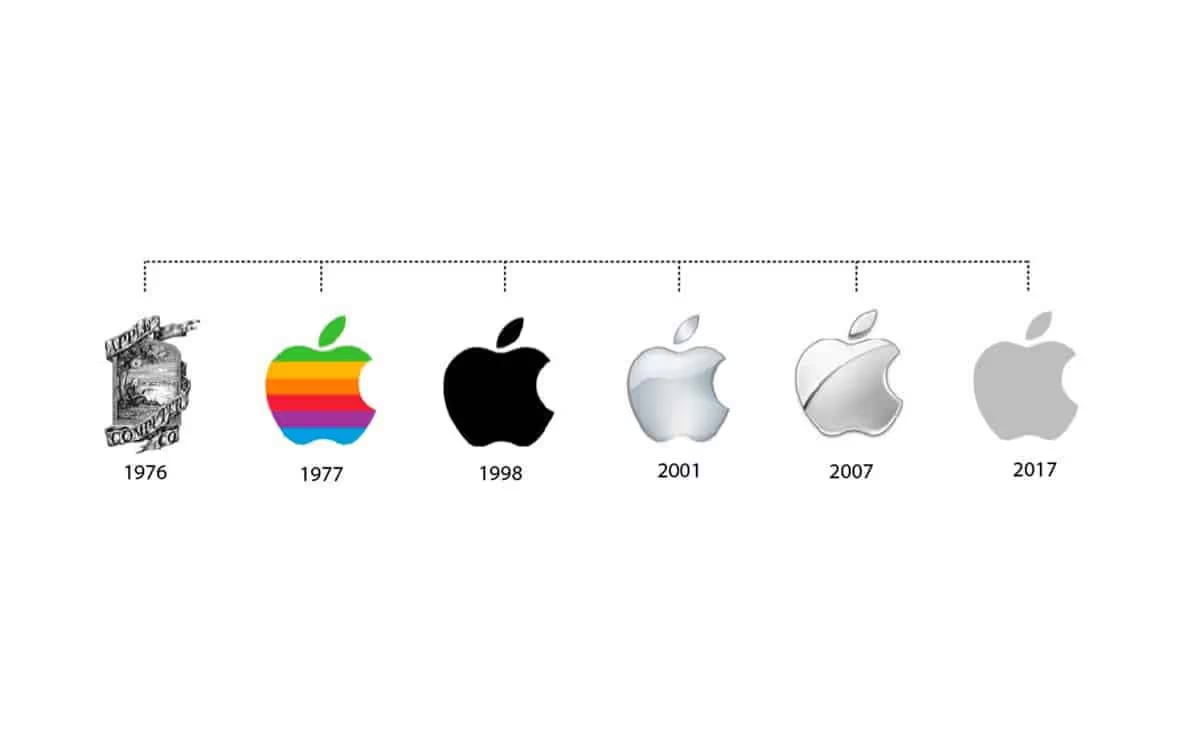
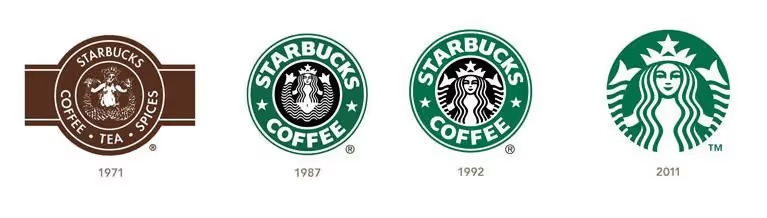
• Starbucks – Starbucks rebranded in 2008 to emphasize the company’s commitment to sustainability, and has since seen huge success.
• McDonald's – In 2017, McDonald’s refreshed their iconic logo and marketing materials to give the brand a more modern feel.

These examples highlight the importance of research, creative thinking, and measuring results to ensure a successful rebrand.
Rebranding Startups and Small Businesses
The Branded Agency has done several rebrands for startups and small businesses of different sizes across a variety of different industries.
Some of our most successful rebrands include HumanCentric, Look Optometry and AromaTech.
Conclusion
To ensure a successful rebrand, it is recommended that one hires a professional branding agency for research, planning, strategy and to guide them through the entire process.
This will allow you to maintain customer loyalty while creating an identity that appeals both to current customers as well as newcomers alike.
With their expertise by your side, you can rest assured knowing that your company's rebranding efforts are in good hands!
Do you need a new website? First, read our blog post on the ultimate guide to "Website Design in Vancouver”

Sloane Avery
As entrepreneurs, they’ve built and scaled their own ventures from zero to millions. They’ve been in the trenches, navigating the chaos of high-growth phases, making the hard calls, and learning firsthand what actually moves the needle. That’s what makes us different—we don’t just “consult,” we know what it takes because we’ve done it ourselves.
Want to learn more about brand platform?

If you need help with your companies brand strategy and identity, contact us for a free custom quote.
We do great work. And get great results.
+2.3xIncrease in revenue YoY
+126%Increase in repurchase rate YoY


+93%Revenue growth in first 90 days
+144% Increase in attributed revenue


+91%Increase in conversion rate
+46%Increase in AOV


+200%Increase in conversion rate
+688%Increase in attributed revenue