Packaging Design Trends 2026: Data-Backed Shifts and the Psychology Driving Modern Buyers
02/25/2026
Branding
Discover the data-backed packaging trends for 2026 and the buyer psychology behind them—so your brand can increase trust, meet compliance demands, and convert faster at shelf and online.
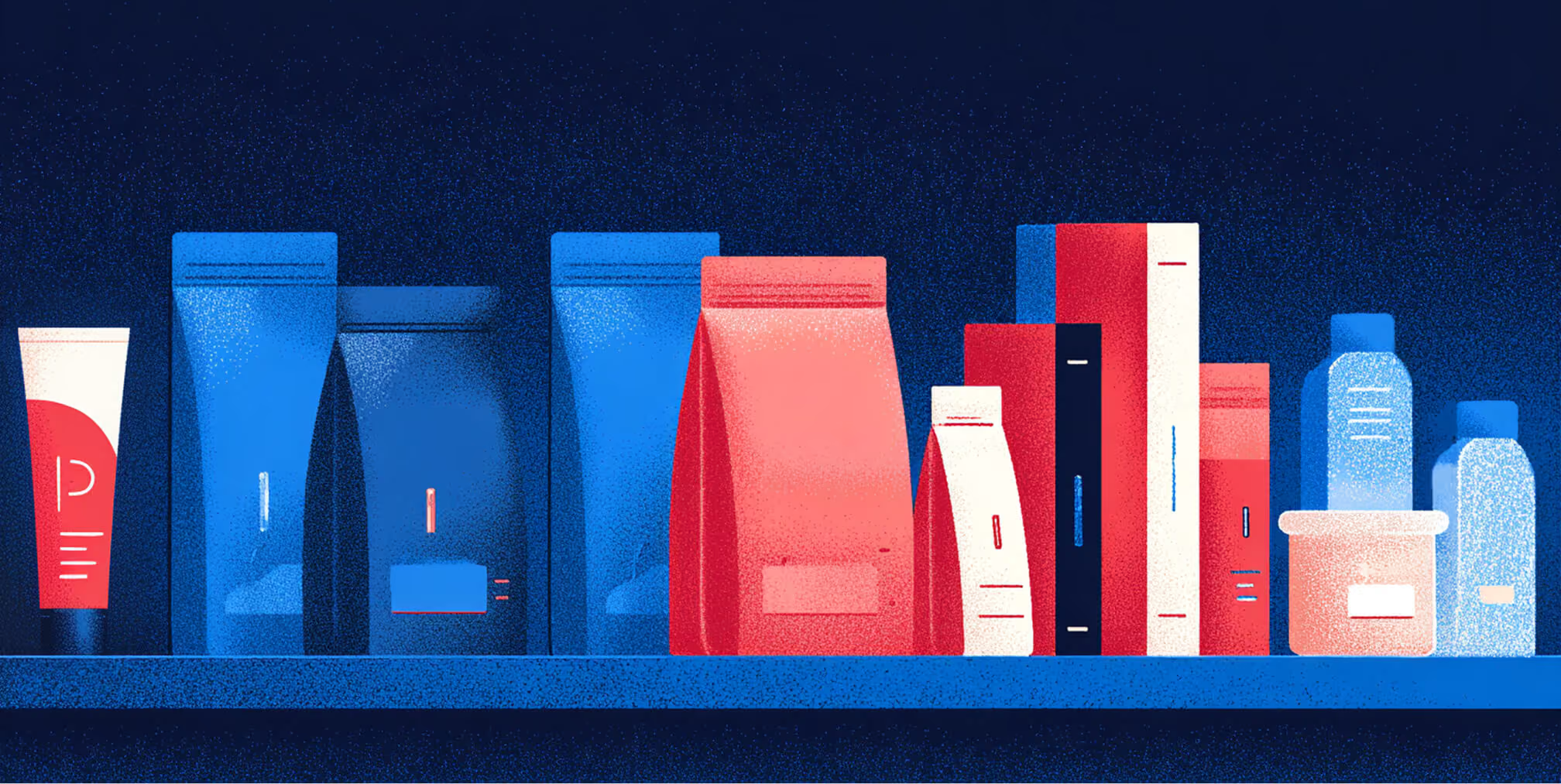
In today’s market, packaging is no longer a finishing touch—it’s a strategic growth decision. Aligning packaging design with your brand identity ensures consistency and authenticity, creating a memorable and coherent customer experience. As consumers become more environmentally conscious and regulators tighten standards, the materials, messaging, and structure of your packaging directly influence perception, purchase behavior, and long-term brand equity. In 2026, the brands that treat packaging as strategy—not decoration—are the ones that win trust and market share.



Why Packaging Trends in 2026 Matter More Than Ever


Packaging in 2026 isn’t just “what your product comes in.” It’s your first in-hand brand experience, a trust signal, and—more than ever—a compliance and sustainability lever.
Two big forces are colliding:
- Rising sustainability expectations from consumers (and a willingness to switch when packaging feels wasteful). McKinsey & Company
- Increasing regulatory pressures are pushing brands toward recyclability, waste prevention, and better labeling systems—especially for companies selling into or through the EU. The EU’s Packaging and Packaging Waste Regulation (PPWR) is set to begin applying from mid-2026. Environment
Free Brand Health Audit
Make sure your brand is built to sell
Search has changed. Your customers aren't just Googling anymore. They're asking ChatGPT, Perplexity, Gemini and other AI platforms what to buy, who to trust and which brands they should consider.
If your brand isn't showing up clearly in those answers, you're already losing opportunities. Our free Brand Health Audit shows you where your brand stands across traditional search, AI search and brand positioning.

Sample brand audit
Live preview
Traditional search
72
AI search (GEO)
34
Brand positioning
58
Packaging Trends 2026
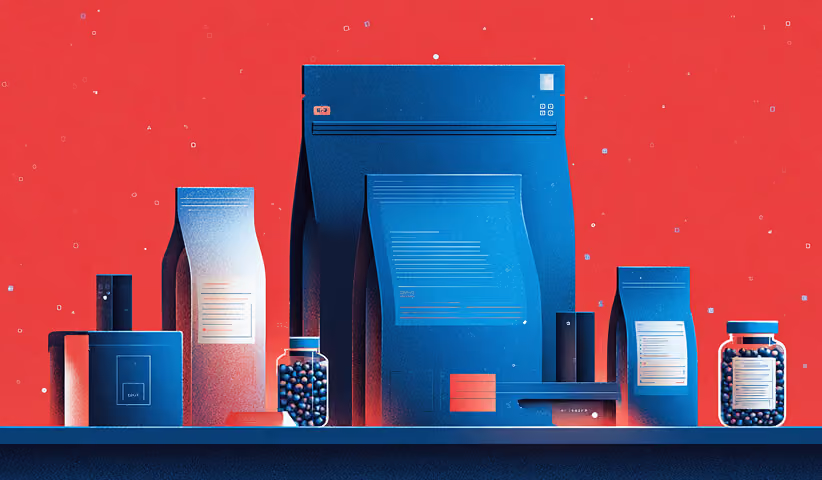
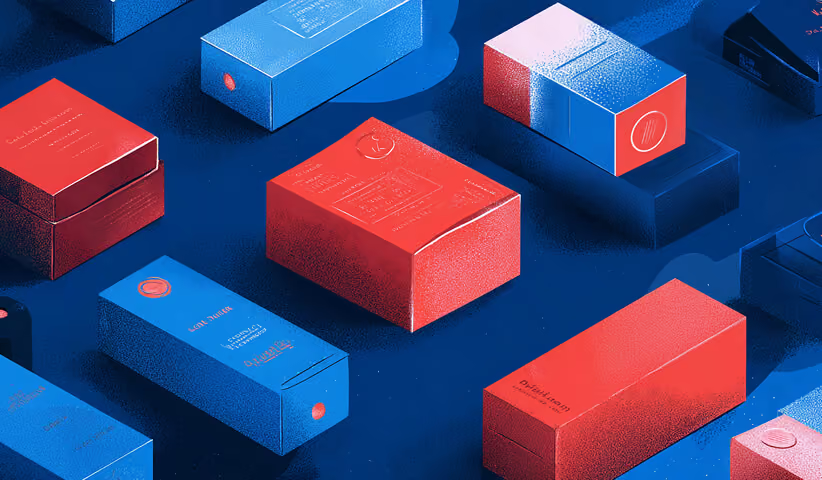


Below are the major trends in packaging design trends 2026 that are showing up across consumer brands, wellness, food, beauty, and regulated categories—plus why they work.
When it comes to food, sustainable food packaging plays a crucial role in reducing food waste, spoilage, and environmental impact.
1) “Less but better” sustainability
Sustainability is moving from marketing language to operational reality—right-sizing, reducing components, simplifying materials, and designing for recyclability. Packaging systems in 2026 are expected to deliver sustainability through innovative materials and refillable designs, making sustainable practices an industry standard rather than an option. The industry is also moving away from single-use plastics toward more sustainable alternatives, such as refillable and biodegradable packaging.
- The EU PPWR explicitly focuses on waste prevention and reducing (over)packaging, with a direction of travel toward all packaging being reusable or recyclable by 2030. Eur-Lex
- Major industry reporting points to circularity, reusable systems, and “design for recycling” as defining themes heading into 2026. Packaging Gateway
What this looks like in design: fewer materials, fewer inks/finishes, simplified structures, clearer disposal guidance.
2) Mono-material and “recyclability-first” structures
A big trend is reducing mixed materials (which are harder to recycle) and shifting toward mono-material solutions where feasible. Material choice is increasingly driven not only by environmental considerations but also by the sensory experience and perception of quality, blending sustainability with brand authenticity. Advancements in material science are enabling more sustainable and functional packaging solutions. Industry packaging coverage frames this as a key 2026 move as brands try to future-proof portfolios against recyclability criteria and EPR pressures.
Why it works psychologically: it signals “responsible” without needing a long explanation.
3) Smart packaging becomes mainstream (QR, NFC, traceability)
Smart packaging is moving from novelty to infrastructure—especially where consumers demand proof (wellness, supplements, food, regulated categories).
Esko’s packaging trend reporting highlights smart packaging and Digital Product Passports as major forces. Labels & Labeling The PPWR also references providing required information via a data carrier in contexts where digital product passport-style info is prescribed. ERP Global
What this looks like: QR codes that open ingredient sourcing, certifications, COAs, recycling instructions, batch details, and brand story—without cluttering the label. Increasingly, AR features such as virtual try ons are being integrated into packaging, allowing customers to interact with products digitally and enhancing engagement.
4) “Proof on pack” (radical transparency)
Consumers are done with vague claims. Packaging is becoming more evidence-forward: sourcing, standards, testing, certifications, and clear explanations.
This aligns with broader consumer research on packaging sustainability and purchasing priorities—where price/quality still matter most, but sustainability expectations are rising and shaping brand preference.
Design shift: fewer buzzwords, more specifics (and a clean hierarchy that makes it readable).
5) Unboxing is still a growth channel
Unboxing remains a brand moment—especially for DTC. Unboxing experiences are a key part of a brand's presence, driving shareability and visibility across social media platforms and influencing consumer perception. With the rise of online shopping and increased reliance on e-commerce, the unboxing experience has become even more critical for shaping customer perception and enhancing the overall brand experience. McKinsey has discussed the “untapped potential” of unboxing experiences as a strategic lever.
Psychology: ritual + reward. People remember “how it felt,” not just what it said. Design shift: tactile cues, clean staging, minimal but intentional inserts, easy-open features, frustration-free returns.
6) Premium tactility (texture and sensory cues)
Texture, soft-touch, emboss/deboss, and “quality weight” are showing up because they signal value instantly. The use of tactile materials in packaging design enhances sensory engagement and helps brands stand out through a memorable, hands-on experience.
Psychology driver: haptic perception—what feels expensive is often judged as more trustworthy and higher quality.
7) Inclusive, accessible packaging
Packaging is trending toward easier readability, clearer contrast, and more intuitive opening—because brands are realizing accessibility is conversion.
Psychology driver: cognitive ease. If it's easy to understand, it's easier to trust.
8) Bold typography and brand codes over illustrations
As shelves and feeds get noisier, many brands are leaning into typography, strong brand blocks, and distinctive systems that scale across SKUs.
Psychology driver: recognition. The brain loves patterns—consistent brand codes reduce decision fatigue.
9) Nostalgia and “heritage cues”
Nostalgia shows up in color palettes, label layouts, and retro cues—but modernized with cleaner systems.
Psychology driver: familiarity = safety. In uncertain times, familiar cues reduce perceived risk.
10) AI-assisted personalization and versioning
Packaging teams are increasingly using AI to accelerate concepting and create faster variations while maintaining brand consistency—especially for seasonal drops, limited editions, and retail tests. More brands are adopting these AI-driven approaches to stay competitive. Esko’s trend reporting flags the rise of AI/agentic AI as part of the 2026 packaging landscape.
The Design Process: From Concept to Shelf in 2026
The packaging design process in 2026 is a dynamic blend of creativity, technology, and sustainability—reflecting the new era of consumer expectations and regulatory demands. Today, designing packaging is about much more than just protecting a product; it’s about creating packaging that tells a story, embodies a brand’s identity, and delivers sustainability at every stage.
Brands now begin the design journey by immersing themselves in the latest packaging design trends. This means prioritizing sustainable packaging from the outset, choosing materials that are not only eco-friendly but also innovative—think bio-based materials, natural fibers like bamboo or sugarcane, and reusable packaging solutions that help reduce carbon footprint. Major brands such as L’Oréal and Coca-Cola are leading the way by integrating these sustainable materials into their packaging systems, setting new standards for the industry.
Technology is transforming how brands create packaging. Digital printing and artificial intelligence (AI) tools are now essential for designing packaging that is both personalized and efficient. AI can generate multiple design variations, streamline prototyping, and enable brands to quickly adapt to market feedback or regulatory changes. This agility is especially valuable for limited edition runs, seasonal packaging, and co-creation projects where consumer input shapes the final design.
Interactivity is another major trend shaping packaging design in 2026. Smart packaging features—like QR codes, augmented reality (AR) experiences, and smart labels—are now mainstream. These interactive packaging elements invite consumers to engage with the brand beyond the physical packaging, offering everything from product traceability and recycling instructions to immersive brand storytelling. According to McKinsey, interactive packaging can boost brand engagement by up to 30% and drive sales by as much as 20%, making it a must-have for brands looking to stand out.
Visually, packaging design is embracing bold colors, vibrant gradients, and typewriter styles to create a distinctive shelf presence and digital appeal. Clean layouts, negative space, and simple typography are increasingly favored, especially among younger consumers who value clarity and modern aesthetics. These design trends not only grab attention but also reinforce brand recognition across both physical and digital channels.
Inclusivity is at the heart of packaging design in 2026. Brands are investing in accessible packaging—using clear contrast, intuitive opening mechanisms, and ergonomic grips—to ensure their products are usable by everyone. This focus on inclusive packaging is not just about compliance; it’s a strategic move to broaden market reach and foster brand loyalty.
Collaboration is key to successful packaging solutions. The process now involves designers, structural engineers, marketers, sustainability experts, and supply chain partners working together to create packaging that meets the latest packaging trends and consumer demands. Brands like Patagonia and REI are excellent examples, partnering with suppliers to develop sustainable materials and reduce waste throughout their packaging runs.
Practical innovations are also shaping the landscape. Refillable systems, compostable films, and stainless steel containers are gaining traction as brands seek to extend shelf life, minimize food waste, and lower carbon emissions. These packaging strategies not only address environmental urgency but also offer consumers new ways to interact with and reuse packaging.
Finally, storytelling is woven into every aspect of the design process. Brands are using the entire package as a storytelling tool—leveraging structural engineering, graphic design, and interactive elements to communicate their values and connect emotionally with consumers. Limited edition runs and co-creation initiatives further enhance this connection, turning packaging into a platform for brand storytelling and consumer engagement.
In 2026, the right packaging is a strategic asset. By embracing sustainable materials, smart packaging, and the latest design trends, brands can create packaging that not only protects the product but also elevates the brand’s presence, reduces environmental impact, and delivers memorable experiences that drive innovation and loyalty.
Want to learn more about Packaging? Keep reading!
If you need help with your company’s branding and marketing, contact us for a free custom quote.
The Psychology of the Modern Consumer (What Packaging Must Trigger in 2026)

If you want packaging that converts, design for these motivators: Incorporating a human touch through handcrafted or personalized packaging elements can create emotional engagement and help your brand stand out with authenticity and artisan qualities.
Trust
In many categories, packaging is the fastest “credibility check.” Specificity, proof, clean hierarchy, and consistent systems build trust quickly.
Cognitive ease
People buy what they can understand quickly. Clear information architecture, legibility, and simplified choices reduce friction.
Identity and belonging
Consumers use products to express who they are. Packaging that signals “people like me buy this” increases affinity—especially in wellness, beauty, and lifestyle.
Emotional reward
Unboxing and sensory cues create a micro-celebration. This increases perceived value and repeat behavior.
Perceived sustainability
Sustainability isn’t just ethics—it’s social identity. Consumers want to feel like they’re making a responsible choice (and avoiding “packaging guilt”).
Attention and memory
Color and contrast drive recall and shelf stopping power. Packaging color effects on purchase attitudes have been studied in academic literature (including how color interacts with context).
What Brands Should Do Next
To make these trends actionable:
- Audit your packaging system (SKU hierarchy, readability, brand codes, claims, compliance).
- Simplify materials and structures where possible (recyclability-first).
- Add a digital layer (QR for proof, traceability, education, recycling guidance).
- Design for trust + speed (clear value prop, clear differentiation, clear “how to use”).
- Treat unboxing as a channel, not an afterthought.
Brands should also explore innovative packaging ideas—like tactile minimalism, sensory colors, or smart packaging features—to boost engagement and stand out in the competitive landscape of packaging design trends 2026.
And for internal linking: this is the perfect “trend” post to link back to your evergreen guide “A Comprehensive Guide to Packaging Strategy and Design” as the deeper strategic framework.
FAQs: Packaging Trends 2026

What are the biggest packaging trends in 2026?
Sustainability-driven simplification, mono-material designs, smart packaging (QR/NFC), transparency-led messaging, accessibility improvements, and elevated unboxing experiences. In 2026, a new wave of intentional minimalism—focused on purpose, warmth, and storytelling—along with a new definition of luxury and sustainability, is reshaping packaging design by setting new standards for both prestige and eco-consciousness.
Why is smart packaging trending in 2026?
Because it adds proof, traceability, and education without cluttering the label—especially useful as regulations and consumer expectations increase.
How is regulation affecting packaging in 2026?
The EU PPWR begins applying from mid-2026 and focuses on packaging waste prevention and design requirements that push brands toward more circular, recyclable solutions.
What psychological factors make packaging sell better?
Trust, cognitive ease, identity signaling, emotional reward (unboxing), and perceived sustainability all strongly influence purchase decisions.
Conclusion
Packaging trends 2026 are less about “styles” and more about systems: sustainability compliance, digital traceability, trust-first design, and experiences people want to share. Learn more about Packaging Design Strategy

Quincy Samycia
As entrepreneurs, they’ve built and scaled their own ventures from zero to millions. They’ve been in the trenches, navigating the chaos of high-growth phases, making the hard calls, and learning firsthand what actually moves the needle. That’s what makes us different—we don’t just “consult,” we know what it takes because we’ve done it ourselves.
Want to learn more about brand platform?
If you need help with your companies brand strategy and identity, contact us for a free custom quote.
We do great work. And get great results.
+2.3xIncrease in revenue YoY
+126%Increase in repurchase rate YoY
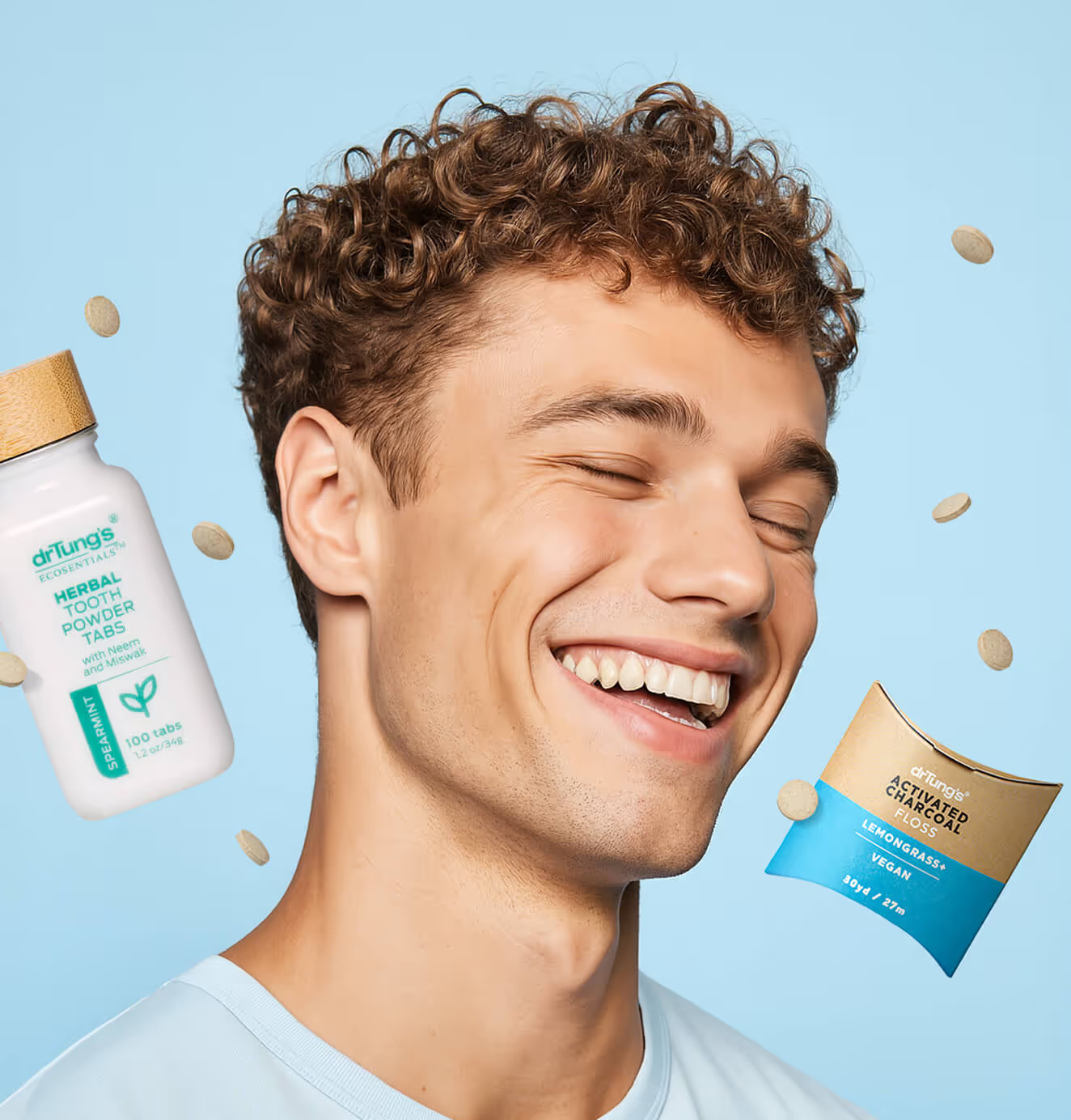

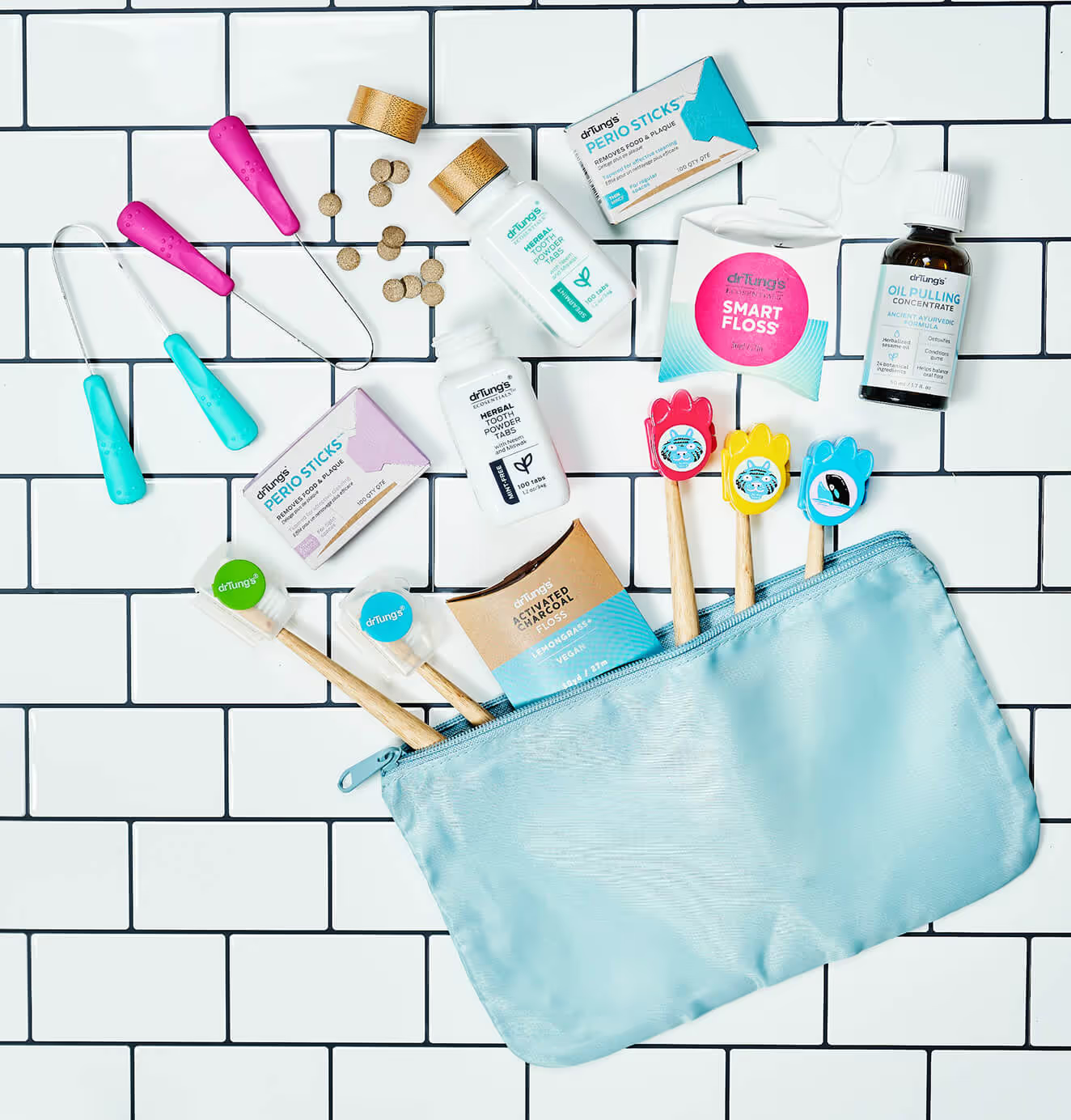
+93%Revenue growth in first 90 days
+144% Increase in attributed revenue


+91%Increase in conversion rate
+46%Increase in AOV

+200%Increase in conversion rate
+688%Increase in attributed revenue