Stationery Branding: How to Turn Everyday Office Items into a Powerful Brand Identity
08/14/2026
Print & Packaging
.png)


Stationery Branding: Building a Professional Brand Identity Across Every Touchpoint
Free Brand Health Audit
Make sure your brand is built to sell

What Is Stationery Branding and Why It Matters
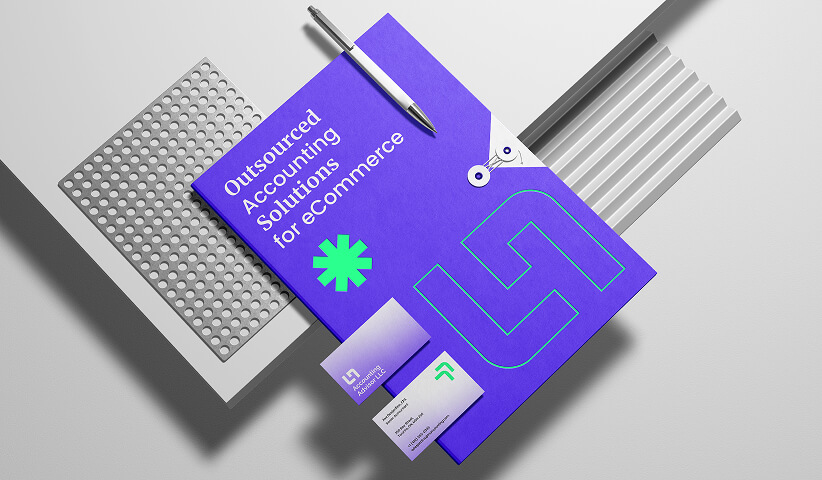
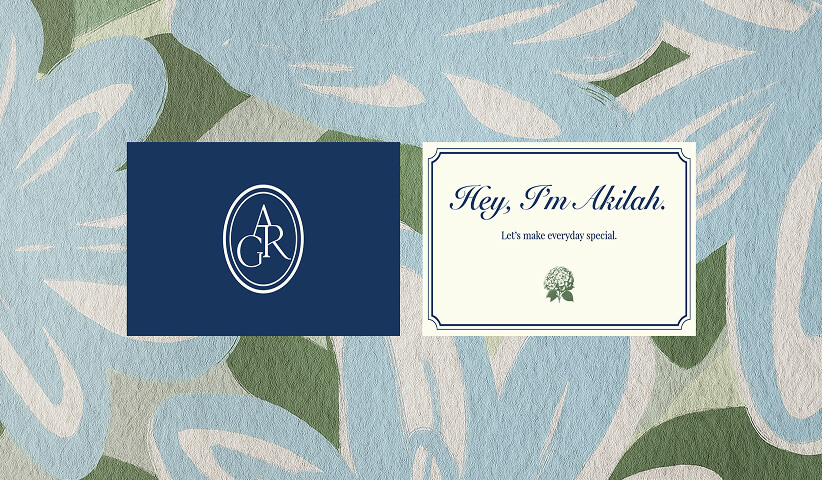
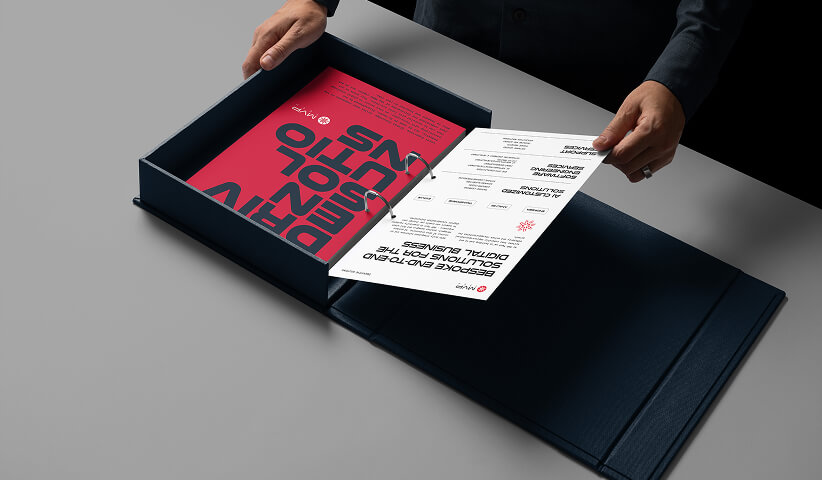
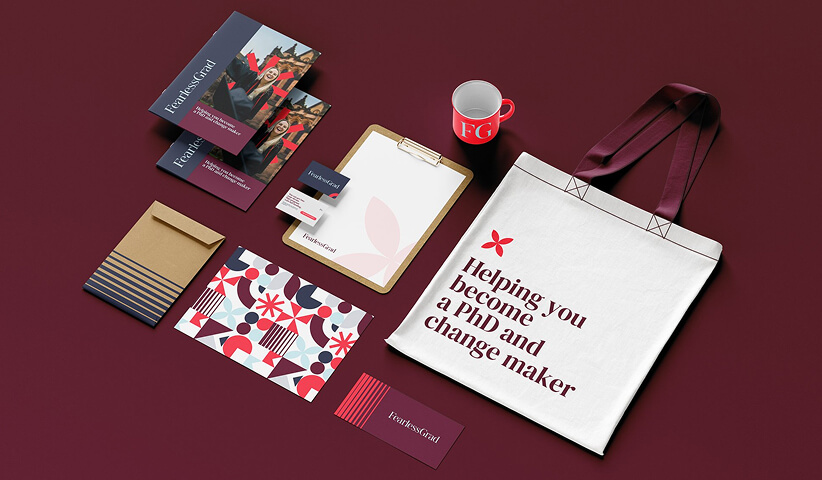
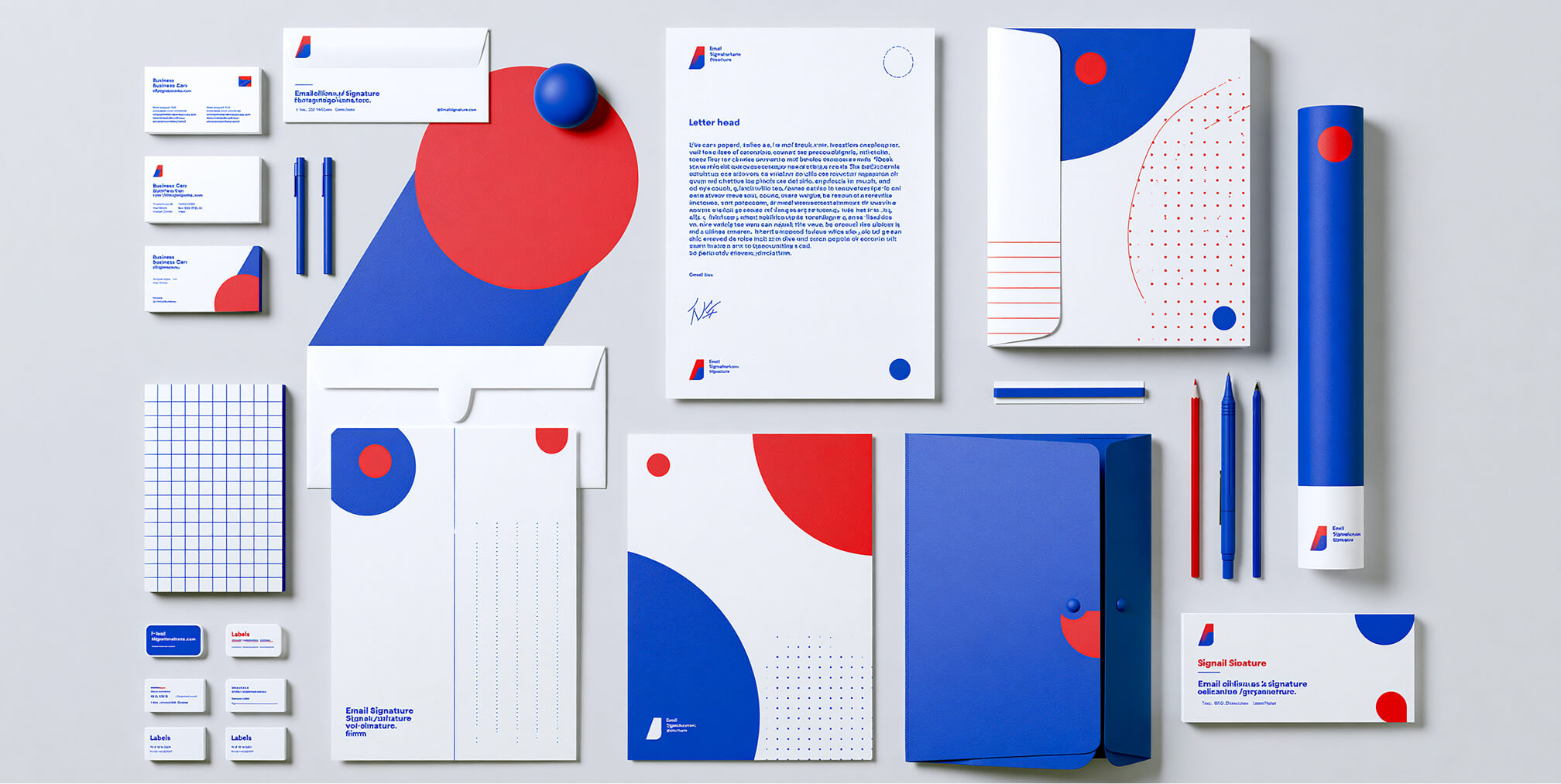
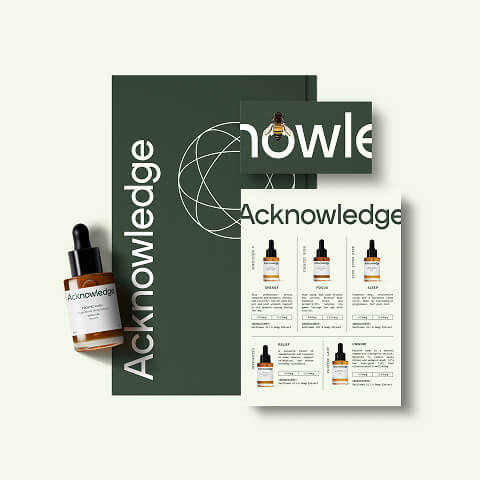
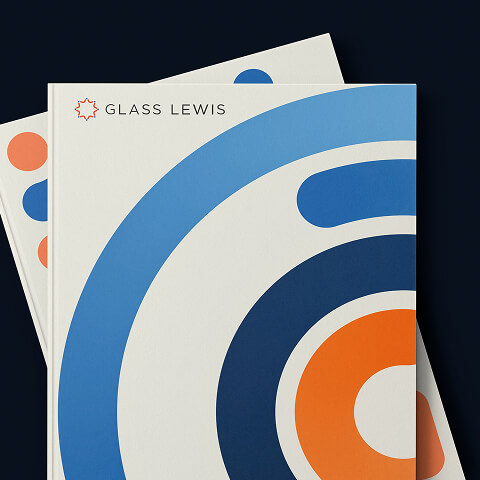
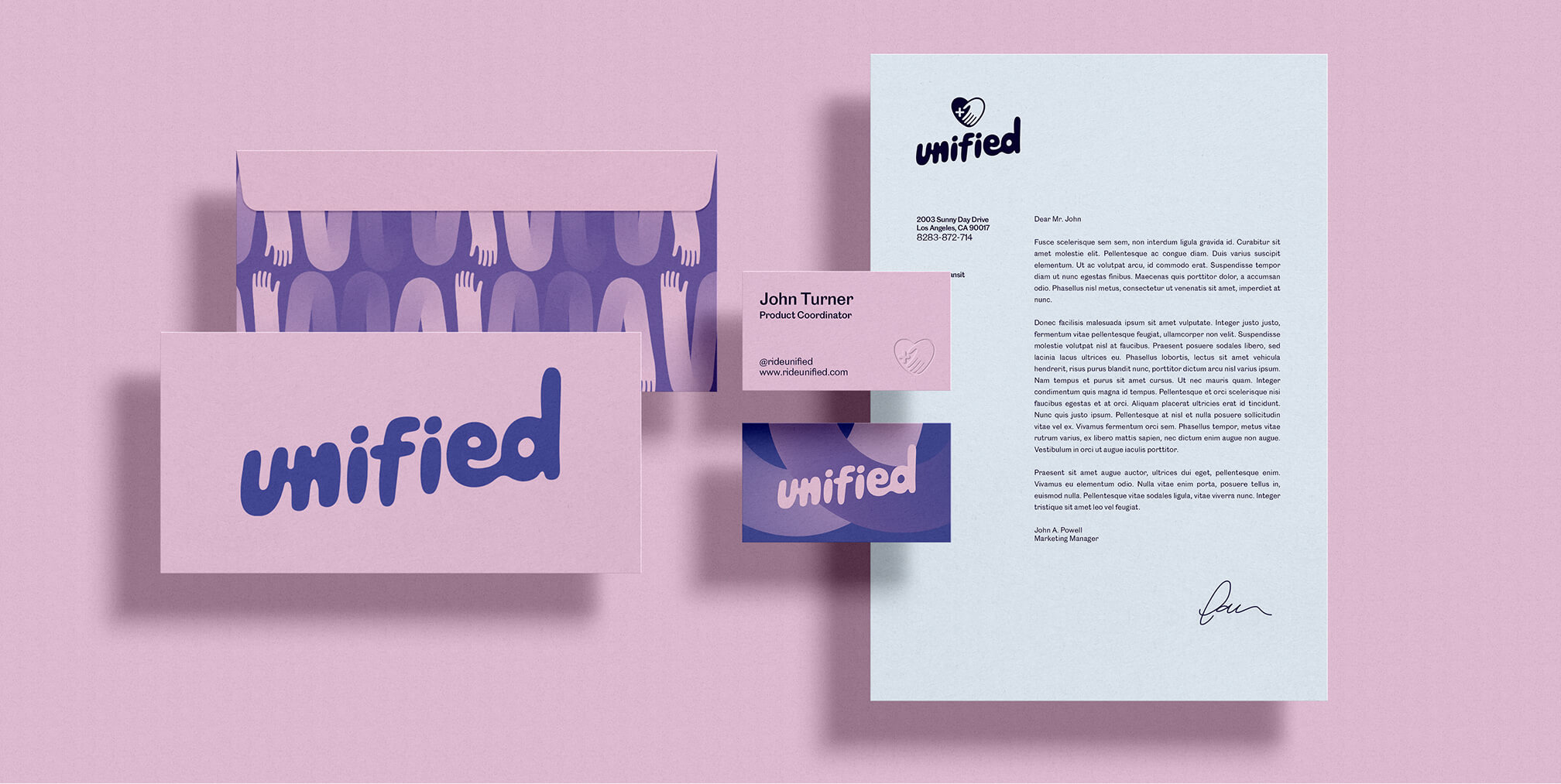
Stationery branding is the strategic design of communication materials, including a business card, letterhead, envelopes, notepads, folders, labels, email signatures, and invoice templates, to reflect one cohesive brand identity. It fits inside visual identity alongside logo designs and brand identity, web design, packaging, social media graphics, and your website.
A law firm in New York may use navy, serif type, and restrained spacing; a creative studio in Berlin may use bold color blocks and experimental layouts. The benefits are clear:
- Every sent letter, handed-out business card, or gifted notepad increases brand exposure, which is especially valuable for small business branding.
- Consistency across all items is crucial in a stationery branding strategy.
- Consistency in branding helps maintain familiarity and builds trust among the audience, making it essential for brand recognition.
- Stationery bridges the gap between digital and physical marketing, ensuring a consistent look and feel.
For multiple owners or locations, one system keeps communication consistent no matter which person sends the mail.
Core Elements of Effective Stationery Design
Every stationery design should begin with brand guidelines. Establish visual identity guidelines by fixing logos, typography, and color palette first. Using consistent design elements across all stationery items, such as colors, typography, and layouts, enhances brand visibility and creates a unified brand image. Strong stationery designs help establish both customer trust and brand consistency, creating instant brand recognition through the use of chosen brand colors, fonts, and logo designs.
Logo Placement and Variations
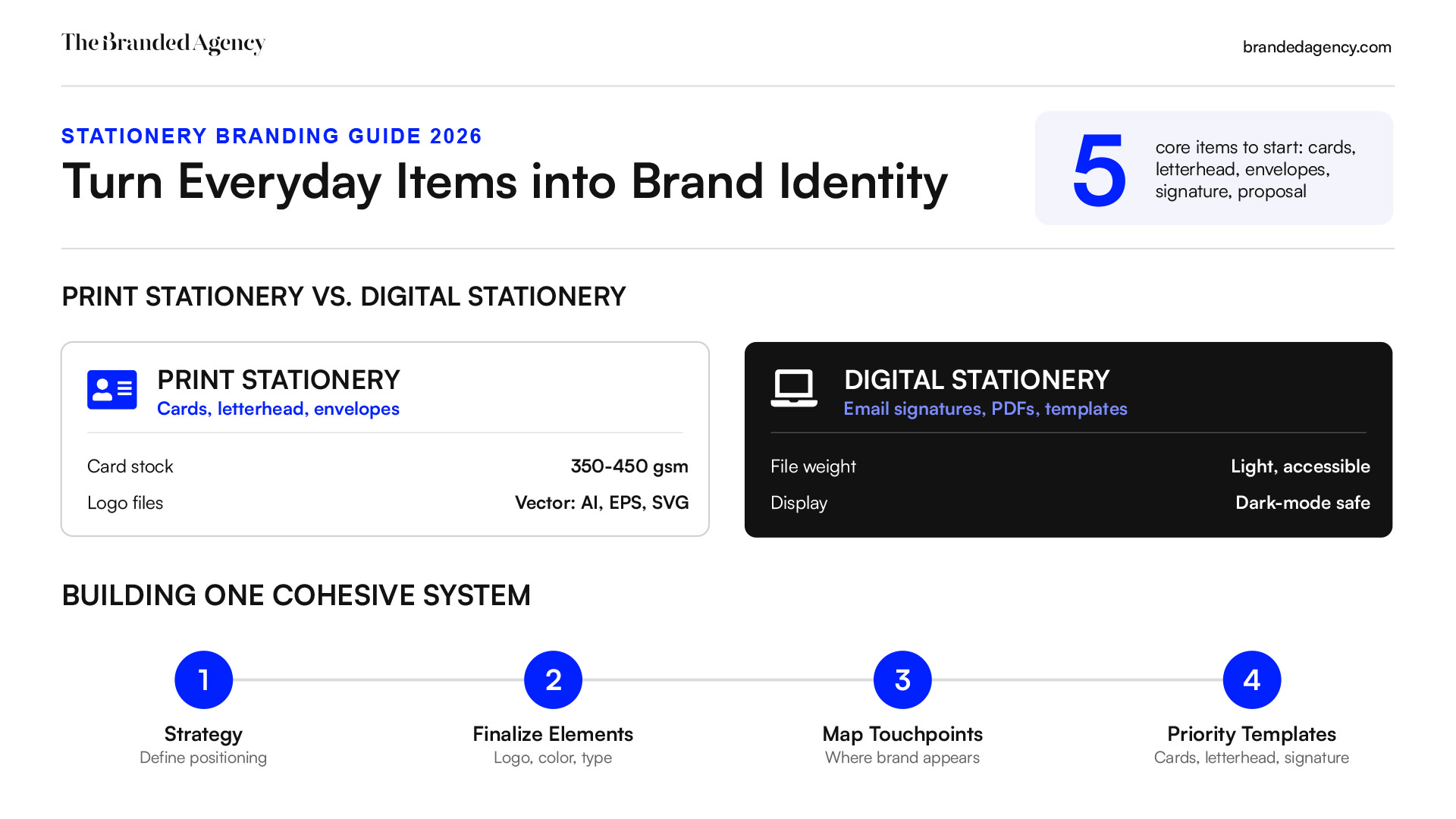
Logo consistency on stationery matters because it creates instant recognition. Use the primary logo on letterheads and folders, and a simplified mark for pens, stickers, labels, and small details. Place it top-left or top-center on letters, on the front of business cards, on the flap or corner of envelopes, and in a footer or corner on notepads. Use vector files such as AI, EPS, or SVG so the display stays crisp. Full color works for showcase items; one-color versions work for embossing or low-cost printing.
Typography and Readability
Fonts reveal significant details about your business identity, and a typeface must be readable throughout all brand materials to maintain professionalism, just as your brand tone guidelines keep written communication consistent. Serif fonts can feel traditional, geometric sans fonts feel modern, and script fonts can suit boutique brands. Keep 8–9 pt minimum for letterhead body text and 9–10 pt for business cards. Limit the system to one main family plus one accent, and test line spacing and tracking on real paper.
Color Scheme and Visual Identity
Using a proper color scheme can create moods and help the audience bond with your brand identity. Dark green may suggest sustainability, orange may suggest energy, and pastels may fit wellness services. Translate HEX and RGB into CMYK or Pantone so print does not shift. Use one dominant color plus 1–2 supporting colors, and protect contrast for accessibility.
Layout, Hierarchy, and White Space
A well-designed layout enhances readability and creates a strong visual appeal by providing structure through proper margins, spacing, and alignments. Build hierarchy around logo, name, role, company, contact details, and optional website URL. Align documents to a grid so quotes, letters, and a 2026 invoice feel related. Avoid clutter; if everything shouts, nothing will stand, and the hierarchy should be easy to stick to across documents.
Key Stationery Products and How to Brand Them
Not every business needs every item. Focus on the stationery products your clients, customers, and partners actually see. Consistency is more important than owning dozens of mismatched items.
Business Cards
First impressions in business often begin with the exchange of a business card, which should communicate more than just contact information; it should reflect the brand's identity through its design elements. Business cards are a small but powerful stationery item that serves as a mini billboard for your brand, making them essential for networking and marketing. Include name, role, logo, address if needed, email, phone, website, and a QR code if useful. Use 350–450 gsm stock, matte or soft-touch finishes, or spot UV if budget allows.
Letterheads and Continuation Sheets
Letterheads are crucial stationery items that establish trust and credibility, making every document look professional and worth reading. A well-designed letterhead can establish trust and credibility, making every document look more professional and enhancing the overall first impression of a business. Use logo and company information in the header or sidebar, legal details in the footer, and enough white space for the main message. Create print-ready and digital templates.
Envelopes and Mailing Materials
Customized envelopes are important for making a memorable first impression, as they are the first piece of stationery that recipients see. Add logo, return address, and perhaps a subtle pattern placed away from postal marks. Adjust DL, C5, and C4 sizes carefully. For small-batch shipments, branded stickers or labels can save money while keeping the look consistent.
Notepads, Folders, and Everyday Office Stationery
Notepads and folders serve as promotional stationery items that help keep your brand in the minds of users, as they are practical and often used in everyday settings and can complement an all-in-one small business branding package. Use a simple logo, light lines, and a footer URL on notepads. For folders, use bold cover branding, matching paper, internal pockets, and business-card slots. Treat pens and clips as accents, not information dumps.
Marketing Stationery: Flyers, Brochures, Stickers, and Labels
Flyers and brochures are effective marketing tools that can communicate key information about products or services and leave a lasting impression on potential customers, especially when integrated with other types of advertising. Combine branding elements with product imagery, a short description, and a clear call to action. Stickers and labels can brand packaging, gifts, and event giveaways without heavy cost.
Want to learn more about Design, Print, and Packaging? Keep reading!
Digital Stationery and Online Brand Consistency
Practical Tips for Successful Stationery Branding

Quincy Samycia
Want to learn more about brand platform?