The Best Branding Books to Read in 2026 (and How to Use Them)
07/29/2026
Branding
Explore the best branding books for 2026 and learn the proven frameworks that help leaders build memorable brands, strengthen market positioning, and drive long-term growth.
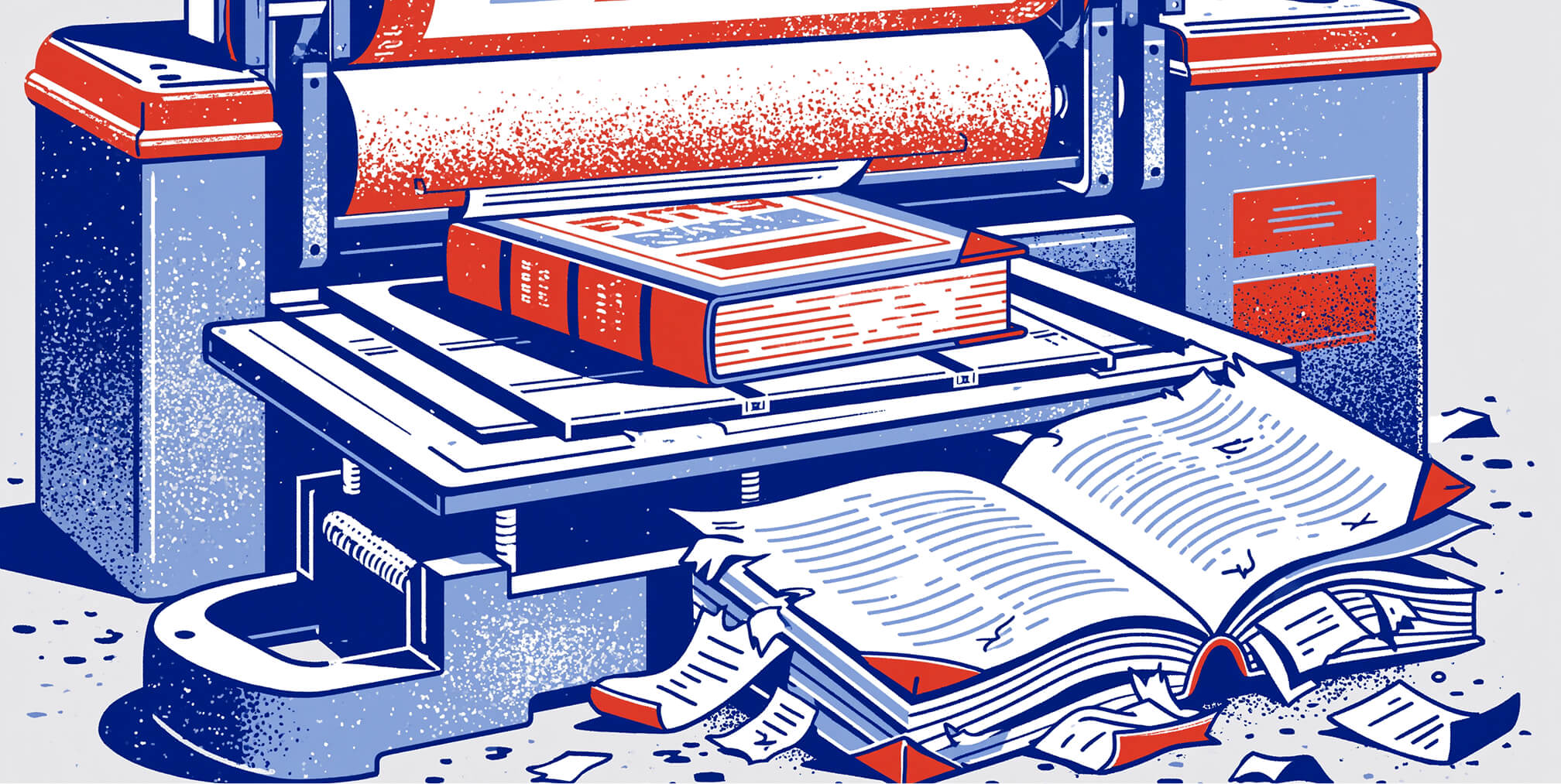
The best branding books do more than showcase memorable logos. They provide practical frameworks for positioning, naming, visual identity, storytelling, customer experience, and long-term brand growth. This curated reading list brings together essential classics and newer titles to help founders, designers, marketers, and branding teams strengthen their strategic thinking and apply proven ideas to real-world projects.
.png)


The Best Branding Books to Read in 2026
Key Takeaways
- This reading list focuses on practical branding books for 2026, combining brand strategy, brand identity, and business strategy into one curated resource.
- You'll find both classic titles like The Brand Gap and Designing Brand Identity alongside newer branding books built for today's digital-first brands.
- Each recommendation includes what the book explores, who it helps (designer, founder, whole branding team), and how to apply its frameworks to real projects.
- Books are grouped by focus - strategy, identity, storytelling, naming, and advanced thinking - so you can jump to the section that matters most to your role.
- The article ends with an FAQ covering how to prioritize, in what order to read, and how to build a shared learning plan for a branding team.
Introduction: Why Branding Books Still Matter in 2026
AI tools can generate a logo in seconds. TikTok can surface a brand to millions overnight. Yet the companies that win long-term are the ones that fully understand why they exist, what they stand for, and how every touchpoint reinforces that promise. That kind of brand thinking doesn't come from a prompt - it comes from frameworks you internalize through deep reading.
Branding books give you the mental models that hold everything together: positioning, naming, visual identity, storytelling, customer experience, and measurement. They complement real-world practice by helping you clarify your message before you spend money amplifying it, and by connecting brand building to measurable business growth.
In this article, a "branding book" means more than a collection of pretty logos. It's any book that shapes how you think about brands, stories, names, and the way consumers perceive what you offer. The following sections group the best branding books by focus - strategy, identity, naming, storytelling, and advanced thinking - so you can build a reading list matched to your specific role and challenges.
Free Brand Health Audit
Make sure your brand is built to sell
Search has changed. Your customers aren't just Googling anymore. They're asking ChatGPT, Perplexity, Gemini and other AI platforms what to buy, who to trust and which brands they should consider.
If your brand isn't showing up clearly in those answers, you're already losing opportunities. Our free Brand Health Audit shows you where your brand stands across traditional search, AI search and brand positioning.

Sample brand audit
Live preview
Traditional search
72
AI search (GEO)
34
Brand positioning
58
Core Brand Strategy Books Every Marketer Should Read
These are the foundational titles that connect brand strategy with overall business strategy. If you want to understand why a brand exists before deciding how it looks, start here. For a practical online complement, you can also explore a complete brand strategy framework you can steal and adapt directly to live projects.
The Brand Gap: How to Bridge the Distance Between Business Strategy and Design
by Marty Neumeier remains one of the most accessible introductions to the brand gap - the disconnect between what a company plans internally and what customers actually feel. Neumeier defines a brand as a "gut feeling" and lays out five disciplines: Differentiate, Collaborate, Innovate, Validate, Cultivate. His point about business strategy and design needing to work together is as sharp today as it was when the first edition landed. Founders, marketers, and designers all benefit from its visual, fast-paced format.
The Brand Flip
(also by Marty Neumeier) picks up where The Brand Gap leaves off, explaining how power has shifted to customers in a social-first world. It's essential reading for anyone building brands post-2015 who needs to understand why brand creation now starts with community, not campaigns.
GROW: How Ideals Power Growth and Profit at the World's Greatest Companies
by Jim Stengel - a bestselling author and former P&G CMO - uses a 10-year growth study of 50,000 brands to show that companies aligned with a higher-order "brand ideal" consistently outperform competitors. The "Stengel 50" brands, including Dove and Apple, demonstrated significantly higher profit growth than peers. Strategists, CMOs, and any brand consultant trying to tie purpose to revenue will find valuable insights here, especially if you pair it with data on why effective branding matters by the numbers, backed by real life case studies from various industries.
Fusion: How Integrating Brand and Culture Powers the World's Greatest Companies
by Denise Lee Yohn argues that brand management fails when there's a gap between what you promise customers and how your people behave internally. Case studies from Amazon, Airbnb, and Patagonia show that companies reporting strong culture-brand alignment see 2–3× improvements in engagement and loyalty metrics. This book is critical for leadership teams, HR, and anyone in both public and private sectors who needs brand strategy to go beyond marketing into operations and culture.
The Best Books on Brand Identity and Visual Branding
Brand identity books help translate strategy into logos, typography, color systems, and cohesive visual branding that customers recognize instantly. These titles are the essential guide for designers and non-design founders alike, and they pair well with an ultimate guide to brand design & development that walks through applying these ideas to real-world brands.
Designing Brand Identity: An Essential Guide for the Whole Branding Team
by Alina Wheeler (5th edition, 2017) is the definitive handbook on the brand identity process. It covers conducting research, building brand strategy, designing brand identity systems, and launching across channels. With 700+ visuals and case studies from brands like FedEx and Coca-Cola, it serves both the whole branding team and solo practitioners. If you're creating brand identity for the first time or briefing a creative partner, this is where to start.
Identity Designed: The Definitive Guide to Visual Branding
by David Airey (2019) offers 16+ in-depth case studies from global studios. It shows full identity systems, grids, and style guides - making it ideal for designers who want to see how a strong brand identity gets built from concept through execution. The way each identity is designed and documented makes it a masterclass in brand identity design, especially when combined with a practical approach to brand kit design to build a cohesive identity.
Book of Branding
by Radim Malinic (2019) is a visually rich guide to creating brand identity for start ups and growing companies. It treats visual identity as the beating heart of brand strategy - a breath of fresh air for founders who think branding starts and ends with a logo, and a useful companion to resources on mastering visual guidelines for branding.
Branding: In Five and a Half Steps
by Michael Johnson (2016) walks through a structured branding process from research to design execution and brand launch. Johnson's approach covers logo design, typography, and identity systems with the kind of visual depth that helps designers and clients alike understand how each step builds on the last.
These books help non-designers evaluate visual identity work effectively, and they help designers articulate why their decisions matter to the business.
Want to learn more about brand platforms, Brand Strategy and Brand Identity? Keep reading!
If you need help with your companies brand strategy and identity, contact us for a free custom quote.
Brand Storytelling & Message-Clarity Books
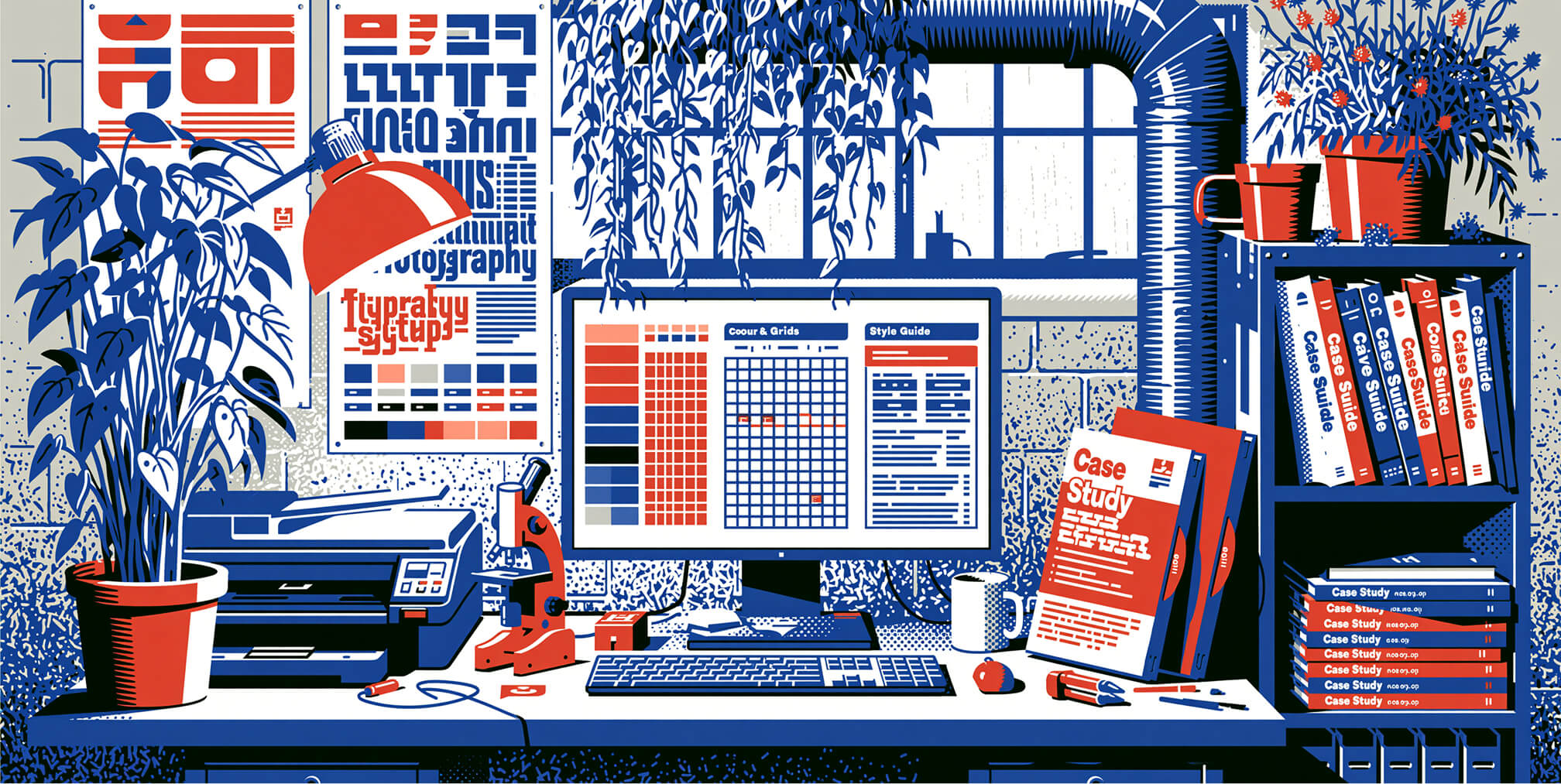
Strong brands win because they clarify their message and tell a coherent story customers can repeat in one sentence. Storytelling is where brand's message meets customer perception, and mastering compelling brand stories that drive success will make every touchpoint more memorable.
Building a StoryBrand: Clarify Your Message So Customers Will Listen
by Donald Miller (2017) is the most widely adopted messaging framework for small and mid-size companies. Miller's 7-part story framework positions the customer as the hero and your brand as the guide. The result: you clarify your message so customers will listen - and actually remember what you do. Founders, marketers, and copywriters can apply the story brand framework to homepages, sales decks, and advertising within a single afternoon.
Marketing Made Simple
by Donald Miller & J.J. Peterson (2020) is the tactical follow-up. It applies the StoryBrand system to funnels, email sequences, and landing pages - turning message so customers engage into a repeatable marketing machine. If building a story brand gave you the strategy, this book gives you the execution and helps you design stronger brand marketing campaigns that convert.
Find Your Red Thread: Make Your Big Ideas Irresistible
by Tamsen Webster (2021) shows how to connect a brand's big idea to existing customer beliefs using a simple narrative structure. It's especially useful for brand strategists and consultants who pitch ideas to clients and need storytelling frameworks that go deeper than taglines.
The Power of Moments
by Chip & Dan Heath (2017) takes a psychology-focused angle, teaching branding teams how to design memorable brand experiences along the customer journey. If you want to understand why certain customer experience moments drive loyalty while others are forgotten, this book explores the fundamental principles behind peak moments.
Books on Brand Names, Positioning, and Distinctive Assets
Names, taglines, and visual cues are often the first thing people remember about a brand. A competitor's offer might be identical to yours, but if your name sticks and theirs doesn't, you win. These specialized books matter, and you can reinforce them with a practical guide on how to choose the perfect brand name.
Hello, My Name Is Awesome: How to Create Brand Names That Stick
by Alexandra Watkins (most recent 2022 edition) offers the SMILE & SCRATCH framework for brand naming - a practical system for evaluating name candidates. It walks through how to create brand names that are suggestive, meaningful, and memorable, with real-world examples and guidance on domain names. Any brand strategist or founder involved in brand creation will find this immediately useful.
Brand Naming: The Complete Guide to Creating a Name for Your Company, Product, or Service
by Rob Meyerson (2021) is the modern, in-depth manual covering discovery, legal checks, linguistics, and naming workshops for a branding team. It's the definitive guide to the naming process end-to-end.
Positioning: The Battle for Your Mind
by Al Ries and Jack Trout remains a foundational classic. As Wayne Gretzky (the ice hockey player) famously said about skating to where the puck is going - Ries and Trout made the same argument for brands: occupy a position in the consumer's mind before your competitor does. Their insight that even an inferior product can win with superior positioning still influences how agencies frame category strategy. Some tactical advice predates social media, but the underlying knowledge about human perception holds.
Building Distinctive Brand Assets
by Jenni Romaniuk (2018) explains how to create and measure distinctive brand assets - colors, shapes, sounds, characters - so consumers recognize your brand without seeing the logo. Romaniuk introduces the concept of "fame" and "uniqueness" as measurable attributes, and warns (citing Tropicana's infamous packaging redesign) that changing assets carelessly erodes memory structures. This is essential reading for marketers and designers who need data-driven insights on what makes identity stick.
Advanced Brand Thinking and Strategy Reading List
Once you've absorbed the core brand strategy and identity books, these titles expand your mental models. They're aimed at strategists, senior marketers, and agency leaders who want to go deeper.
Brand Thinking and Other Noble Pursuits by Debbie Millman (2011) is a collection of interviews with leading thinkers - from neuroscientists to designers - that broadens how readers think about brand, culture, and symbols. It doesn't prescribe tactics; it reshapes your perspective on why brands exist in the world.
The Hero and the Outlaw by Margaret Mark & Carol S. Pearson (2001) introduces a 12-archetype system for shaping brand personality, tone of voice, and visual direction. Companies across various industries and both public and private sectors have used it to differentiate in crowded markets.
Awakening the Heroes Within by Carol S. Pearson (1991) provides deeper psychological background on archetypes. It's useful for brand builders who want more nuanced personality work beyond surface-level persona exercises and for teams collaborating with full-service branding agencies that build archetype-driven identities.
Contagious: Why Things Catch On by Jonah Berger (2013) offers the STEPPS framework (social currency, triggers, emotion, public visibility, practical value, stories) for creating campaigns and ideas that spread. It delivers valuable insights on why some brands become part of daily conversation while others stay invisible, especially when you factor in emerging branding trends for 2026 that will drive business success - essential knowledge for anyone in advertising or content strategy.
How to Choose the Best Branding Books for Your Role
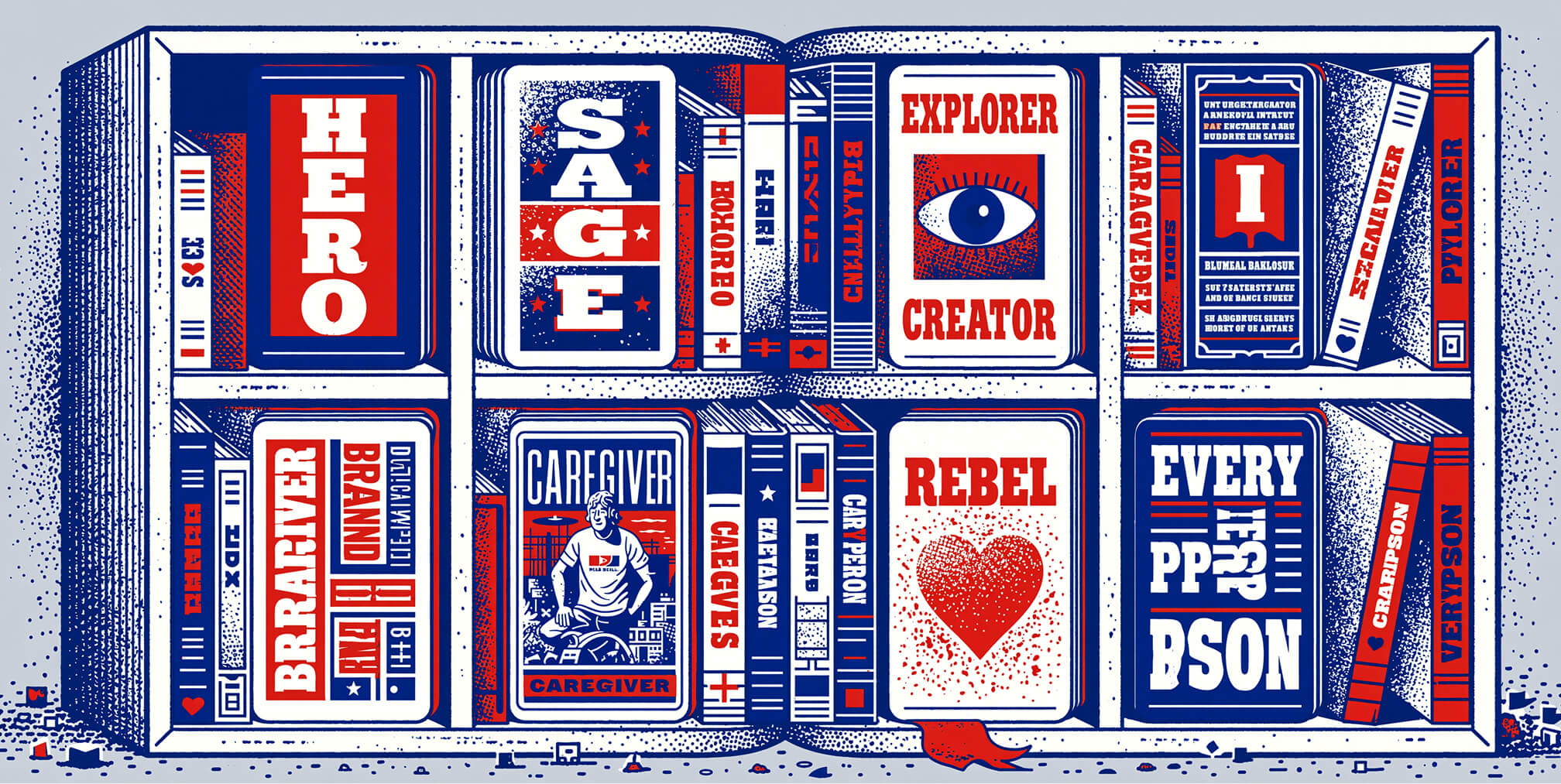
Not everyone needs the same books. Here's a scannable breakdown by role:
Solo founders and entrepreneurs: Start with The Brand Gap, Building a StoryBrand, Hello, My Name Is Awesome, and Designing Brand Identity. These four cover brand strategy, messaging, naming, and visual identity - enough to brief any creative partner or agency confidently.
Designers moving into strategy: Begin with Designing Brand Identity and Identity Designed, then layer in The Brand Gap and Branding: In Five and a Half Steps by Michael Johnson. This path connects your design craft to business strategy and design thinking.
Advanced strategists and consultants: Pick up GROW, Fusion, Brand Thinking and Other Noble Pursuits, and Building Distinctive Brand Assets. These will sharpen how you measure brand equity, align culture, and build lasting memory structures for clients.
Full branding teams: Build a shared reading calendar over 3–6 months. Assign one book per month, hold a 60-minute discussion, and apply one concept from each book to a live project. This turns reading into a branding process that produces measurable results - not just shelf decorations.
FAQ
How many branding books should I read before working on my brand?
You don't need to finish every book before acting. A practical minimum is 2–3 core titles: one on strategy (The Brand Gap), one on identity (Designing Brand Identity), and one on messaging (Building a StoryBrand). Apply each immediately to a real project. Implementation, not volume of reading, drives brand building progress. Companies that wait for perfect knowledge before acting tend to lose ground to competitors who iterate faster.
What is the best order to read these branding books in 2026?
For most readers: start with The Brand Gap for the strategic mindset, then Building a StoryBrand for messaging clarity, then Designing Brand Identity for visual systems, then one naming book like Hello, My Name Is Awesome, and finally an advanced title like Brand Thinking. Designers might swap the order - starting with identity books before diving into storytelling. The goal is to build from fundamental principles outward to execution.
Are older branding books from the 1990s and 2000s still relevant?
Yes. Human psychology and brand perception change slowly. Classics like Positioning by Al Ries and Jack Trout still offer powerful frameworks for how consumers process choices. Pair them with newer titles like The Brand Flip or Marketing Made Simple that address digital channels and modern analytics. Be cautious about tactical advice that predates social media, but trust the underlying strategy frameworks - they've held up across decades.
Which branding book is best if I only have time for one?
It depends on your most urgent challenge. The Brand Gap is the most universal starting point. Building a StoryBrand is best if you need to clarify your message quickly for a website or pitch deck. Designing Brand Identity is the pick for designers or a whole branding team that needs a guide to creating cohesive visual systems. Start with the book that solves your biggest pain point and add more targeted reading over time.
How can a branding team turn these books into real business results?
Run monthly book clubs where one chapter drives a workshop. Assign one person per quarter to "own" a concept - like distinctive brand assets or the StoryBrand framework - and pilot it on a single campaign or product line. Document changes and track simple metrics like recall, conversion rates, or NPS. When leadership can see how brand strategy impacts business growth through numbers, investment in branding stops being a line item to cut and becomes a growth driver to protect.

Quincy Samycia
As entrepreneurs, they’ve built and scaled their own ventures from zero to millions. They’ve been in the trenches, navigating the chaos of high-growth phases, making the hard calls, and learning firsthand what actually moves the needle. That’s what makes us different—we don’t just “consult,” we know what it takes because we’ve done it ourselves.
Want to learn more about brand platform?
If you need help with your companies brand strategy and identity, contact us for a free custom quote.
We do great work. And get great results.
+2.3xIncrease in revenue YoY
+126%Increase in repurchase rate YoY



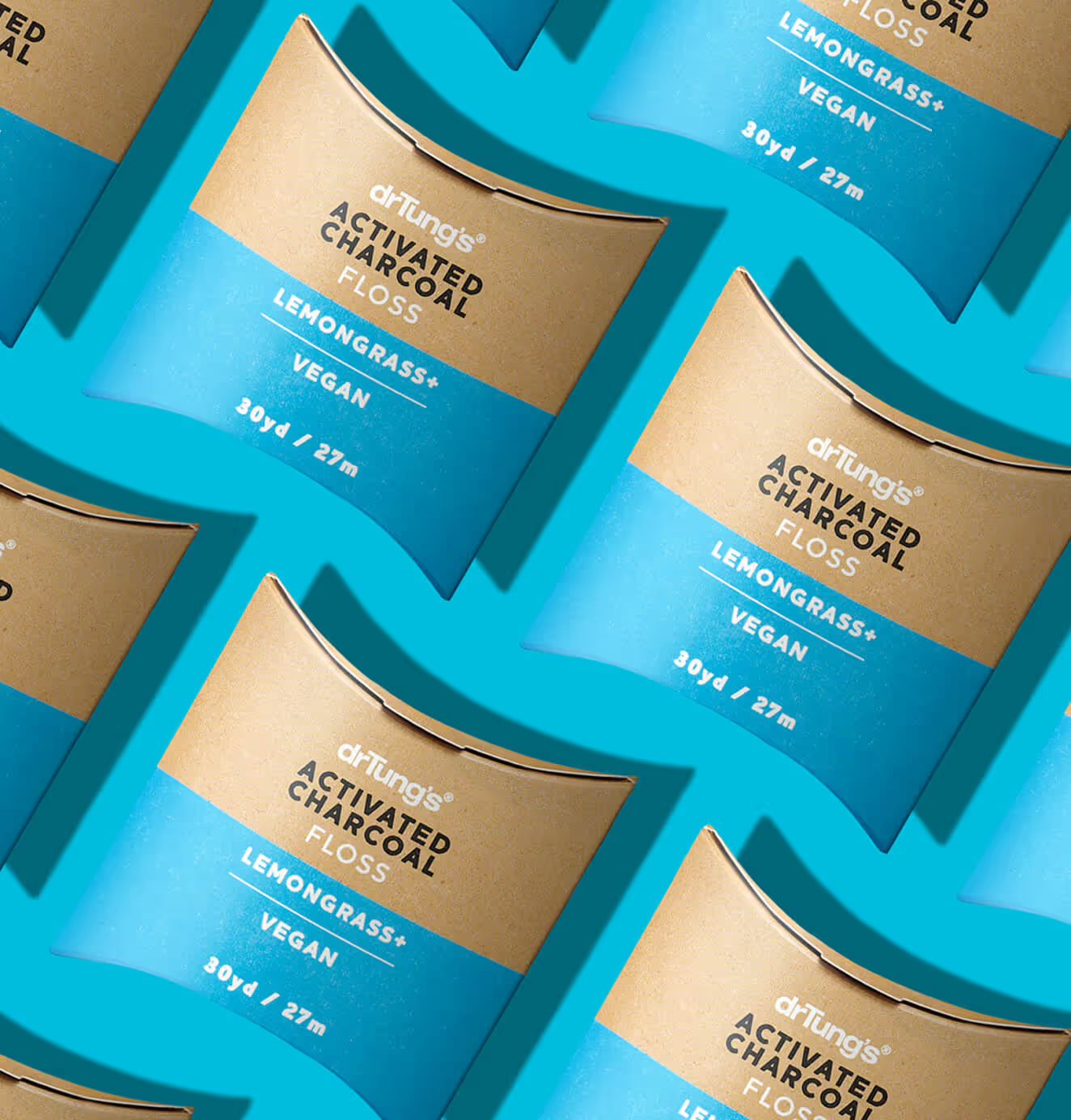
+93%Revenue growth in first 90 days
+144% Increase in attributed revenue




+91%Increase in conversion rate
+46%Increase in AOV

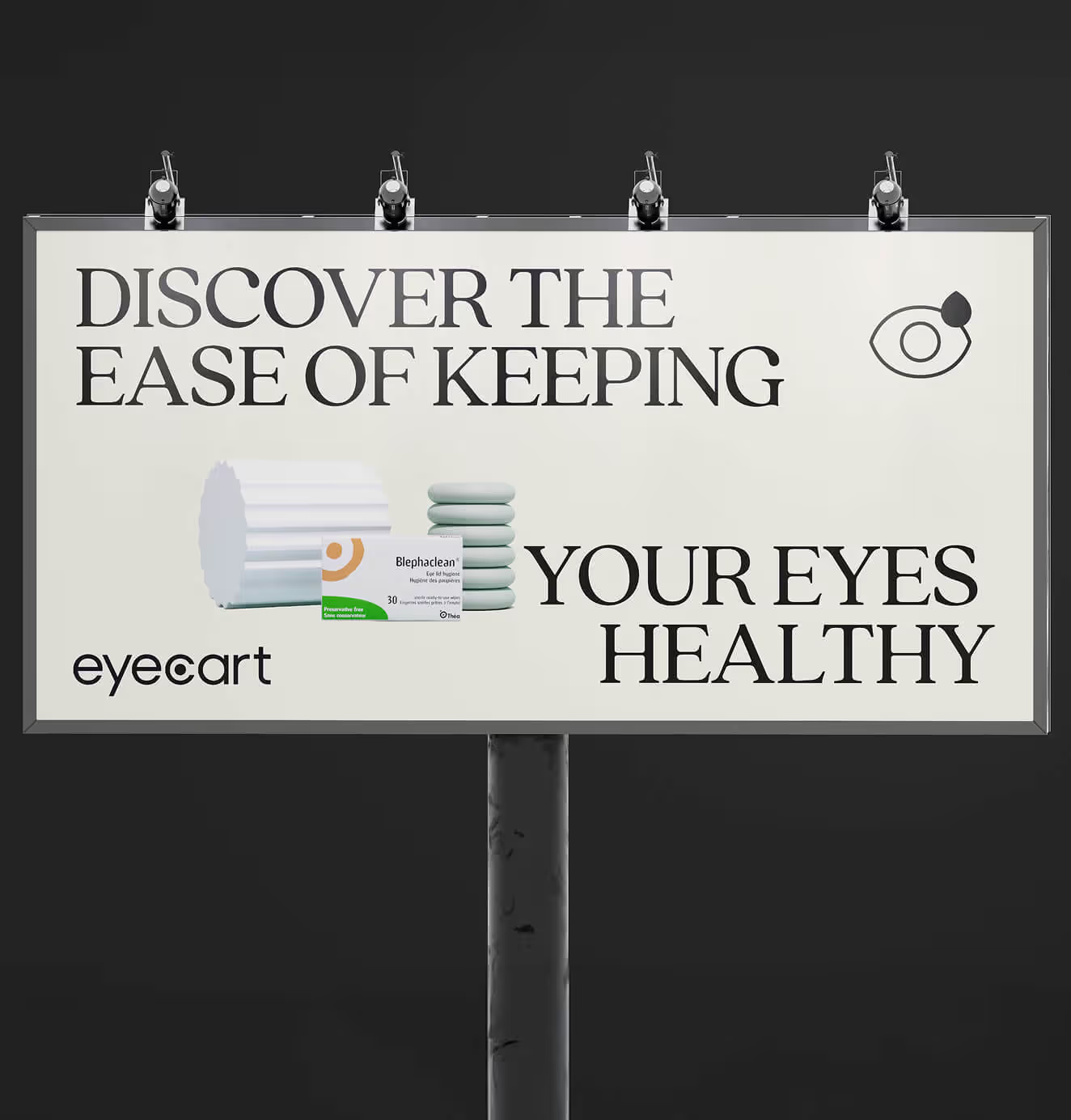


+200%Increase in conversion rate
+688%Increase in attributed revenue