Branding and Advertising: How to Build Brands People Remember
07/27/2026
Branding
Discover how combining strategic branding with effective advertising helps your business stand out, build lasting customer loyalty, and maximize the return on every marketing investment.

Branding and advertising are most effective when they work as one connected system. Branding establishes the identity, values, and emotional meaning behind a company, while advertising brings that identity to market through targeted messages and media. In 2026, when audiences encounter brands across search, social media, streaming, retail platforms, and creator content, consistent branding gives advertising the credibility and recognition it needs to drive both immediate action and long-term growth.
.png)


Why Branding and Advertising Work Better Together



Key Takeaways
- Branding defines who you are; advertising communicates a company's identity to the world through various media.
- Advertising drives immediate awareness and action, while strong branding ensures memorable impressions from ads.
- Brand identity amplifies advertising effectiveness, and strong branding gives ads credibility.
- Brand advertising strategies should build awareness, brand loyalty, and sales goals, not only clicks.
- Strong brand equity leads to higher customer loyalty, premium pricing, and better market share.
Introduction: Why Branding and Advertising Must Work Together
Branding and advertising used to be simpler. In the 1980s, many advertising campaigns ran through TV, radio, print, and outdoor. Today, marketing efforts span search, streaming, social media, podcasts, retail media, and creator partnerships. That makes a clear brand identity more valuable, not less.
Branding defines a company's identity and values. Advertising activates branding by offering visibility to a target audience. Advertising exposes a brand to targeted audiences through carefully written messages, but branding builds trust necessary for advertising to work. Nike’s “Just Do It” made “Dream Crazy” believable; the 2018 campaign reportedly added $6 billion to its brand value and showed how brand advertising aims to create long-term emotional connections and a lasting impression over time.
Free Brand Health Audit
Make sure your brand is built to sell
Search has changed. Your customers aren't just Googling anymore. They're asking ChatGPT, Perplexity, Gemini and other AI platforms what to buy, who to trust and which brands they should consider.
If your brand isn't showing up clearly in those answers, you're already losing opportunities. Our free Brand Health Audit shows you where your brand stands across traditional search, AI search and brand positioning.

Sample brand audit
Live preview
Traditional search
72
AI search (GEO)
34
Brand positioning
58
Core Concepts: Brand, Branding, Marketing, and Advertising



These ideas are closely connected, but they are not the same.
- A brand is the total perception of a business: company name, symbol, brand's reputation, product features, service, and memories.
- Branding is the ongoing process that shapes perception. Branding focuses on loyalty and shapes perception. Branding creates lasting relationships with consumers.
- Marketing is the broader marketing strategy: research, pricing, distribution, promotion, analytics, and the company's products. Marketing builds awareness for products and services.
- Advertising is paid promotion on TV, search, outdoor, print, podcasts, streaming, and social media. Advertising is a tactic within marketing focused on sales. Advertising is campaign-based and focuses on conversion. It involves promoting paid messages, promoting ad campaigns, and running paid campaigns.
For example, a 2026 coffee launch might use competitive analysis to choose sustainable positioning. The brand guide sets voice and visuals. Marketing efforts revolve around pricing and distribution. Then brand marketing campaigns use that identity for driving sales and acquiring customers.
Key Elements of a Strong Brand Identity
Before spending on advertising, define the key elements that make a strong brand recognizable.
- Purpose and values: what the company believes, the company mission, brand values, and company's ideals. Patagonia and Ben & Jerry’s show how values can become emotional touchpoints.
- Visual components: logo, company colors, color scheme, preferred fonts, brand imagery, design elements, printed materials, and packaging rules. Brand identity includes a company's name, logo, and color scheme.
- Consistency: keep brand appearance consistent everywhere. Consistent brand identity enhances trust and recognition among consumers. Strong brand identity promotes customer loyalty and long-term commitment.
- Guidance: create a practical style guide, or more practical style guide, that explains proper use of the brand appearance. Well-defined brand guidelines ensure the elements identify the company before a customer reads the copy.
- Impact: strong visuals can increase conversion rates by 86%. Visual elements increase brand recognition by 86%. Clear visual guidelines for branding help brand identity differentiate a business from its competitors.
Brand Equity and Why It Matters for Advertising
Brand equity represents a brand's value in consumers' minds. It is why customers may pay more for Nike shoes than a generic pair. Branding by the numbers shows how strong brand equity allows companies to charge premium prices, and a strong brand equity increases market share.
The main drivers are simple, and they show clearly how branding affects customer behaviour:
- Awareness: people recognize you.
- Perceived quality: consumers feel safer choosing you.
- Associations: Apple means simplicity; Dove means real beauty.
- Loyalty: branding promotes loyalty, and branding drives repeat buying.
Strong brand equity lowers the cost of acquiring customers because ads need less explanation. Effective advertising strengthens brand recall, and effective advertising enhances brand awareness and drives engagement. An unknown brand must explain benefits repeatedly; coca cola often needs reminders, emotion, and availability. Brand advertising is a long term commitment, not just a sales spike, and it should align with clear brand objectives.
Want to learn more about brand platforms, Brand Strategy and Brand Identity? Keep reading!
If you need help with your companies brand strategy and identity, contact us for a free custom quote.
Brand Advertising Strategies in a Multi-Channel World

Brand advertising builds preference, memory, and trust. Performance ads ask people to buy now; brand advertising helps them remember why they should choose you later.
Useful brand advertising campaign objectives and strategies include:
- Use one big idea across TV, CTV, YouTube, TikTok, Instagram, outdoor, podcasts, and sponsorships.
- Keep the creative consistent so consistent exposure builds consumer familiarity and emotional resonance.
- Use storytelling. Nike’s “Dream Crazy” and Dove’s “Real Beauty” worked because they made consumers feel something.
- Mix reach and frequency. Effective brand advertising increases brand visibility significantly.
- Use competitive analysis and a regular strategic brand audit to study rival messages, media mix, and gaps.
- Remember: businesses using multiple channels see 166% higher engagement rates.
- Add participation. Brand advertising fosters consumer engagement through interactive branding campaigns.
The Role of Social Media in Branding and Advertising
Since around 2010, social media has become one of the fastest places to express brand identity and test advertising ideas as part of a broader brand communication strategy.
- Organic content shows personality. Wendy’s and Duolingo use entertaining content to create social media interactions that feel human.
- Paid social ads can enhance brand awareness through video, stories, sponsored posts, and creator content.
- Keep social media profile pages consistent with the website, ads, and printed materials.
- Use listening tools to track sentiment, complaints, and trends.
- Spotify Wrapped shows how personal relationships and user sharing can draw customers into the brand story.
Planning an Effective Brand Advertising Campaign
Use this roadmap, grounded in clear brand pillars, for more focused business initiatives:
- Define objectives. Decide whether you want to enhance brand awareness, consideration, favorability, or customer loyalty in 6–12 months.
- Know the audience. Build personas with demographics, motivations, media habits, and buying barriers.
- Create the message. The big idea should match brand identity and business and sales goals.
- Pick channels. Choose based on attention, budget, and where customers spend time.
- Set budget and timeline. Small bursts rarely build loyalty; initiatives work best with steady exposure.
- Launch and optimize. Track reach, frequency, completion rate, search lift, and engagement without breaking brand consistency.
- Measure impact. Measuring success means surveys, lift studies, share of search, NPS, and sales goals. Use dashboards to manage brand accountability and connect results to revenue.
Branding and Advertising for Different Types of Organizations
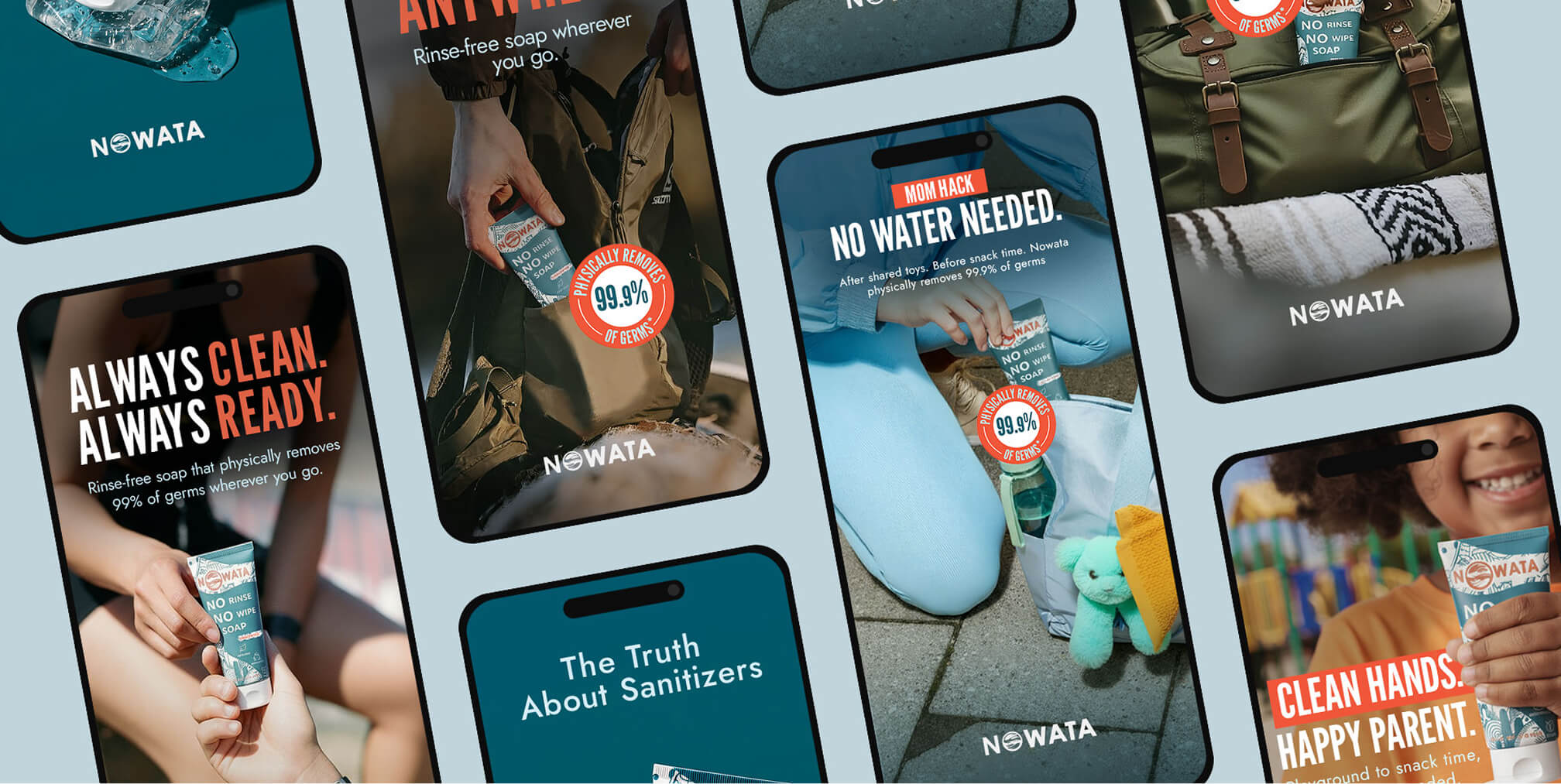
Different organizations need different focused business initiatives, especially when it comes to branding for small businesses.
- Small businesses: build local trust, collect reviews, and use low-cost social media, local search, and sponsorships to retain customers.
- Enterprises: protect global consistency, brand architecture, and brand accountability across markets, often partnering with specialized agency branding experts.
- E-commerce brands: balance direct-response ads with brand content, influencers, and community.
- Non-profits: use emotional stories, creative PR campaign ideas, and a clear mission to build loyalty and advocacy.
- B2B and niche brands: use LinkedIn, webinars, industry publications, and a content marketing strategy to create authority.
FAQ
How long does it take for brand advertising to impact sales?
Brand advertising usually affects sales over 6–18 months. Short campaigns may lift branded search, direct traffic, and consideration sooner, but full brand equity effects take longer.
How can a small business start building brand identity on a low budget?
Start with a clear story, logo, color scheme, preferred fonts, and simple guidelines. Then keep every post, page, and ad consistent.
How do you measure brand equity in practical terms?
Track aided awareness, unaided awareness, preference, NPS, share of search, reviews, price premium, and repeat purchases. The BERA.ai Brand Equity Report also highlights meaningfulness as a major equity driver.
What’s the difference between rebranding and launching new ad campaigns?
Rebranding changes the core identity: name, logo, colors, messaging, or positioning. New ad campaigns refresh creative within the existing identity.
Is social media enough for brand advertising in 2026?
Usually not. Social media is essential, but stronger results often come from combining it with YouTube, CTV, search, outdoor, audio, and other channels. Use branding and advertising together, and your ads will be easier to notice, trust, and remember.

Quincy Samycia
As entrepreneurs, they’ve built and scaled their own ventures from zero to millions. They’ve been in the trenches, navigating the chaos of high-growth phases, making the hard calls, and learning firsthand what actually moves the needle. That’s what makes us different—we don’t just “consult,” we know what it takes because we’ve done it ourselves.
Want to learn more about brand platform?
If you need help with your companies brand strategy and identity, contact us for a free custom quote.
We do great work. And get great results.
+2.3xIncrease in revenue YoY
+126%Increase in repurchase rate YoY




+93%Revenue growth in first 90 days
+144% Increase in attributed revenue




+91%Increase in conversion rate
+46%Increase in AOV




+200%Increase in conversion rate
+688%Increase in attributed revenue