Branding For Interior Designers: How it Can Elevate Your Business

03/05/2025

Branding / Design
Branding your interior design business goes beyond logos—it’s about creating a cohesive, memorable experience that reflects your aesthetic and vision. The building blocks of a strong brand identity—personality, tone, values, and story—are essential for interior designers to communicate what sets them apart.

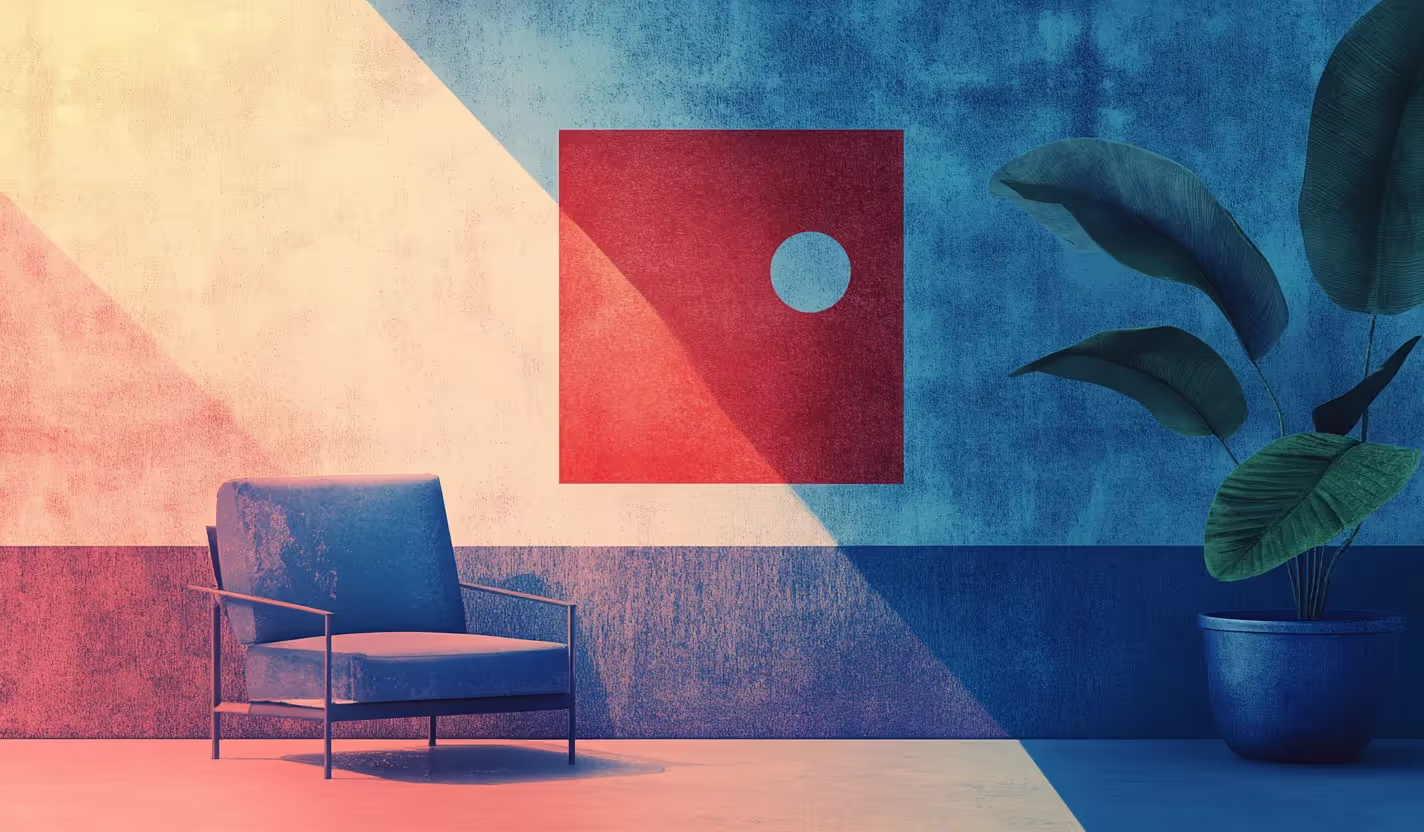
Stylized interior scene featuring a modern blue armchair, a potted plant with large green leaves, and a textured wall divided by colored lighting with a red square and circular cutout design.

A powerful branded interior design can be a game-changer in establishing a lasting brand identity. It's not merely about attracting your clientele but etching a memorable experience that keeps them coming back. The essence of Interior Design Branding lies in its capacity to elevate your business, giving it a unique edge over the competition. When your brand ethos is thoughtfully integrated into your interior design, it creates a distinct ambiance that can set you apart. However, achieving the perfect branded interior design isn't just about a mix of colors and shapes. It's about meticulously crafting each element to echo your brand's identity. Your interior design is more than just an aesthetic statement. It's a tool that can bolster employee morale and amplify productivity. At The Branded Agency, we understand the transformative power of effective interior design branding. Our team is committed to working closely with you to develop a branded interior design that not only mirrors your core values but also establishes a robust trust with your customers. If you're looking to elevate your interior design branding, we are just a call away. Let us assist you in creating a space that not only enhances your brand's image but also keeps your customers engaged and always eager for more.

Sloane Avery
Play IconPause Icon
0:00
0:00

Giving Your Brand Identity a Distinctive Edge
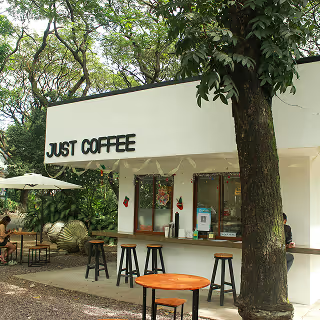
A small coffee kiosk named “JUST COFFEE” surrounded by trees, with black stools and wooden tables placed outside under a white canopy.
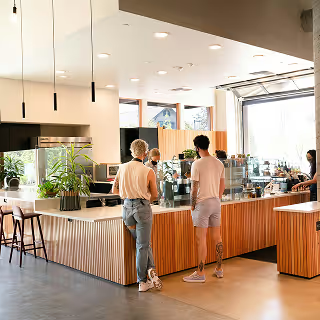
Modern coffee shop interior featuring wood-accented counters, indoor plants, and customers standing at the barista counter under soft lighting.
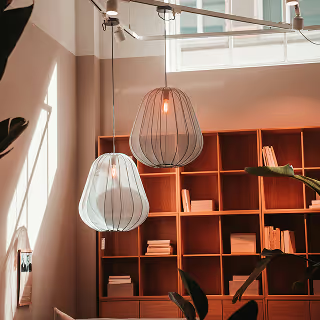
Stylish interior lighting design with two hanging pendant lights and a background of wooden shelves filled with books, framed by indoor plants.
No items found.

A powerful branded interior design can be a game-changer in establishing a lasting brand identity. It’s not merely about attracting your clientele but etching a memorable experience that keeps them coming back. The essence of Interior Design Branding lies in its capacity to elevate your business, giving it a unique edge over the competition. When your brand ethos is thoughtfully integrated into your interior design, it creates a distinct ambiance that can set you apart. However, achieving the perfect branded interior design isn’t just about a mix of colors and shapes. Every strong brand starts with a simple idea that guides both the visual and experiential aspects of your space. It’s about meticulously crafting each element to echo your brand’s identity. Your interior design is more than just an aesthetic statement. It’s a tool that can bolster employee morale and amplify productivity. At The Branded Agency, we understand the transformative power of effective interior design branding. Our team is committed to working closely with you to develop a branded interior design that not only mirrors your core values but also establishes a robust trust with your customers. A clear design approach—reflecting your studio’s philosophy and methodology—is essential for shaping client perceptions and ensuring your brand stands out. If you’re looking to elevate your interior design branding, we are just a call away. Let us assist you in creating a space that not only enhances your brand’s image but also keeps your customers engaged and always eager for more.

First impressions matter: 75% of users judge a company's credibility based on its website design, making first impressions critical for client perception. Emotional connections also play a significant role in client decision-making, with 90% of purchasing decisions based on emotions rather than logic, according to Harvard Business School professor emeritus Gerald Zaltman.

Bold design elements—such as striking colors or impactful typography—can help establish a confident and distinctive brand identity for interior designers. These choices ensure your brand stands out visually and leaves a strong impression.

Understanding Branded Interior Design

Interior design is a delicate blend of art and science, aimed at crafting interior spaces that are not just functional and comfortable, but also aesthetically pleasing. It’s a holistic approach that encompasses various elements such as choosing finishes, positioning furniture, devising lighting plans, and selecting accessories. Attention to detail in every aspect of the design can create a sense of luxury and sophistication, elevating the overall experience and perception of the space.

The influence of a well-executed interior design cannot be overstated. It can remarkably transform a mundane business office or retail store into an inviting and stylish space. This impact is precisely what differentiates an average space from an exceptional one.

At The Branded Agency, our specialized team is dedicated to creating spaces that not only resonate with your brand but also cater to your practical needs. Our pursuit of interior design branding ensures your space is not just a room but a reflection of your brand’s identity.

Interior Design Market Outlook for 2023
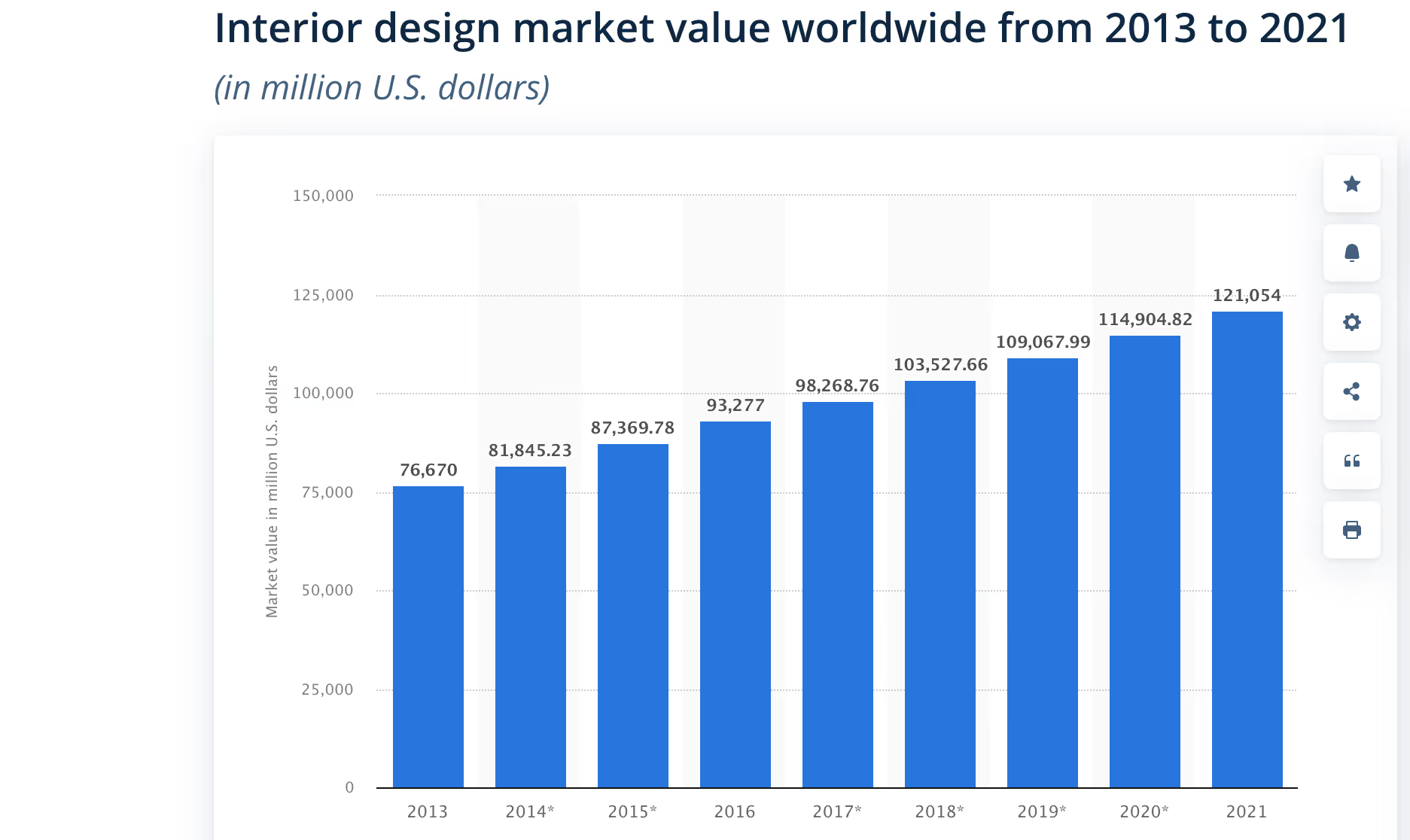
Interior Design Market Value Worldwide
Source: Statista

The global interior design market was valued at $130.85 billion in 2020 and is projected to grow at a 3.3% CAGR until 2028. Factors driving this growth include increased consumer spending on home improvement, rising demand for commercial interior design services, and the introduction of new materials and technologies for customized spaces.

In 2020, residential projects accounted for 60.3% of the market revenue, with kitchen and bathroom remodeling making up 75% of the residential segment. However, the commercial segments are expected to grow by 4.2% between 2021 and 2028.

A significant trend contributing to this growth is the rise of branded interior design, where businesses invest in high-end designs that reflect their brand identity and values. This strategy goes beyond aesthetics and uses physical space as a means of communication, enhancing the customer experience and boosting brand recognition and revenue.

With 35% of interior designers being business owners themselves, they have a unique understanding of businesses’ needs and how to represent brand values through interior design. These professionals play a crucial role in selecting durable and functional finishes, furniture, and fixtures that enhance brand identity and overall experience. Defining a niche—such as luxury residential, sustainable design, or commercial hospitality—allows interior designers to specialize and better serve a focused audience, which is often more effective than targeting a broad market.

As businesses increasingly recognize the value of branded interior design, the demand for professionals capable of creating unique designs and stylish environments will continue to rise, especially among businesses targeting millennials, who represent 30% of interior design customers. Unique designs help interior designers stand out in a competitive market and create memorable spaces that leave a lasting impression on clients and employees.

Exploring the Future Horizons of Branded Interior Design

The evolving landscape of interior design is becoming progressively influenced by various factors, with technology and sustainability standing at the forefront.

As we continue to advance into the digital age, technology is playing an increasingly central role in redefining the scope and potential of interior design. This fusion of design and technology is opening up exciting new opportunities in the industry. The advent of cutting-edge materials, innovative lighting systems, and immersive virtual reality tools are enabling interior designers to craft spaces that are not just aesthetically appealing, but also finely tuned to accommodate modern lifestyle needs.

Many interior designers are inspired by prominent architects and artistic movements, which influences their approach to branding and interiors by emphasizing creativity, geometric abstraction, and the transfer of aesthetic principles into their work.

These technological tools allow for greater precision and customization, imbuing spaces with a unique brand identity that speaks directly to a target audience. Spaces aren’t just spaces anymore; they are experiences, and technology is enabling designers to create these experiences with more creativity and accuracy than ever before.

Parallel to the technological revolution, sustainability is also emerging as a major guiding principle in the realm of interior design. Designers are now charged with the task of striking a balance between aesthetics and the environment. This involves selecting environmentally-friendly materials, optimizing natural light, incorporating green spaces, and developing efficient energy usage plans. The imperative to create visually pleasing designs that are also sustainable is not just a trend, but a long-term shift in the industry.

Furthermore, as businesses recognize the value of branded designs and sustainable practices, interior design is swiftly becoming a crucial competitive tool. Design is no longer just about aesthetics; it’s an expression of a company’s identity, ethos, and commitment to the environment. This further underscores the significance of interior design in shaping consumer perception and influencing business success.

As we look towards the future, we can anticipate that technology and sustainability will continue to act as driving forces in the industry. This will result in interior design becoming even more significant when it comes to standing out in a competitive market. Businesses that embrace this evolution will be the ones to set the pace, establishing their brand presence in an increasingly discerning and eco-conscious market.

What Does Branded Interior Design Entail?
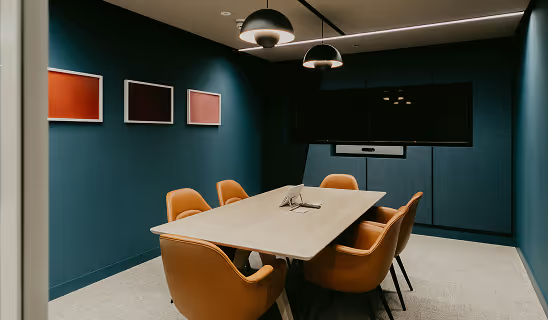
A sleek conference room with a long table, orange chairs, three modern hanging lights, and blue walls decorated with minimalist red-framed art.
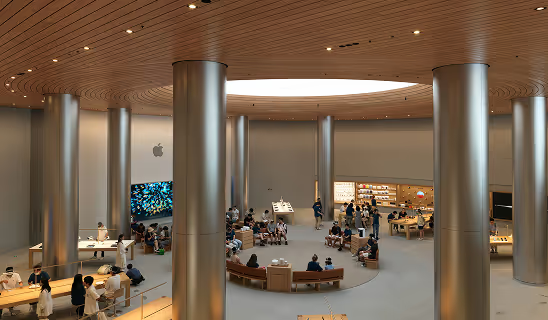
A spacious and upscale Apple store interior with circular skylight, large display tables, people browsing devices, and tall silver pillars.
A warm, ambient restaurant dining room with wooden hexagonal ceiling decor, light wood furniture, and cozy lighting over neatly arranged tables.
A playful, brightly-lit yellow waiting room with pastel bench seating, arched ceiling, and geometric windows, designed with children in mind.

Branded interior design is a creative amalgamation of various elements, curated meticulously to echo the fundamental ethos of a company. This form of design strives to fashion an ambiance that is not only functional but also visually engaging.

By deploying a deliberate selection of colors, forms, materials, and textures, branded interior design can construct a space that instantaneously communicates your brand’s identity to customers. Interior designers help shape the overall environment and atmosphere of a business space, influencing both client and employee experiences through thoughtful design choices. This does not just pertain to the aesthetic sensibilities of the company but extends to encompass its core principles and unique brand story.

Grasping the role of each design element in conveying your company’s ethos and mission is vital in creating a space that is a compelling ambassador for your business. When effectively leveraged, branded interior design can transform a physical space into a powerful silent speaker that eloquently articulates the essence of your business.

Understanding the Advantages of Branded Interior Design

Branded interior design carries numerous advantages, making it a strategic investment for businesses, irrespective of their size or industry.

Firstly, it serves as a powerful differentiation tool in a crowded marketplace, establishing a distinctive aesthetic that embodies your brand’s unique character. Incorporating luxury and luxury design elements can create an exclusive, sophisticated brand experience that appeals to high-end clients seeking elegance, timelessness, and refinement. This distinctive look and ambiance sets you apart from your competitors, making your business memorable in the minds of consumers.

Secondly, it plays a crucial role in fostering customer loyalty. By designing a space that is both welcoming and comfortable, you enhance the overall customer experience, making them more likely to return and engage with your brand. A well-designed space not only invites customers in but makes them want to stay, further strengthening their connection with your brand.

Additionally, branded interior design has a profound impact on your internal team. A space that beautifully encapsulates the company’s values can instill a sense of pride among employees, facilitating a deeper understanding of the brand’s essence and fostering a stronger team spirit. Meticulous attention to every design detail can foster a sense of bespoke quality and luxury, further enhancing employee pride and the perception of the company’s commitment to excellence. This in turn leads to increased productivity and a more cohesive company culture.

Finally, investing in branded interior design is a cost-effective strategy to elevate your business. While it requires an initial investment, the long-term benefits, from increased customer loyalty to improved employee morale, can significantly contribute to your company’s sustained growth and success. A cohesive and polished brand can position your interior design studio as a premium service provider, enabling you to command higher fees. Investing in branding can allow studios to command higher fees that reflect their expertise and the quality of their work. This strategic investment in your physical environment can thus be a key driver of business performance.

Want to learn more about brand platforms, Brand Strategy and Brand Identity? Keep reading!

If you need help with your companies brand strategy and identity, contact us for a free custom quote.

Incorporating your Brand Logo and Identity into your Design
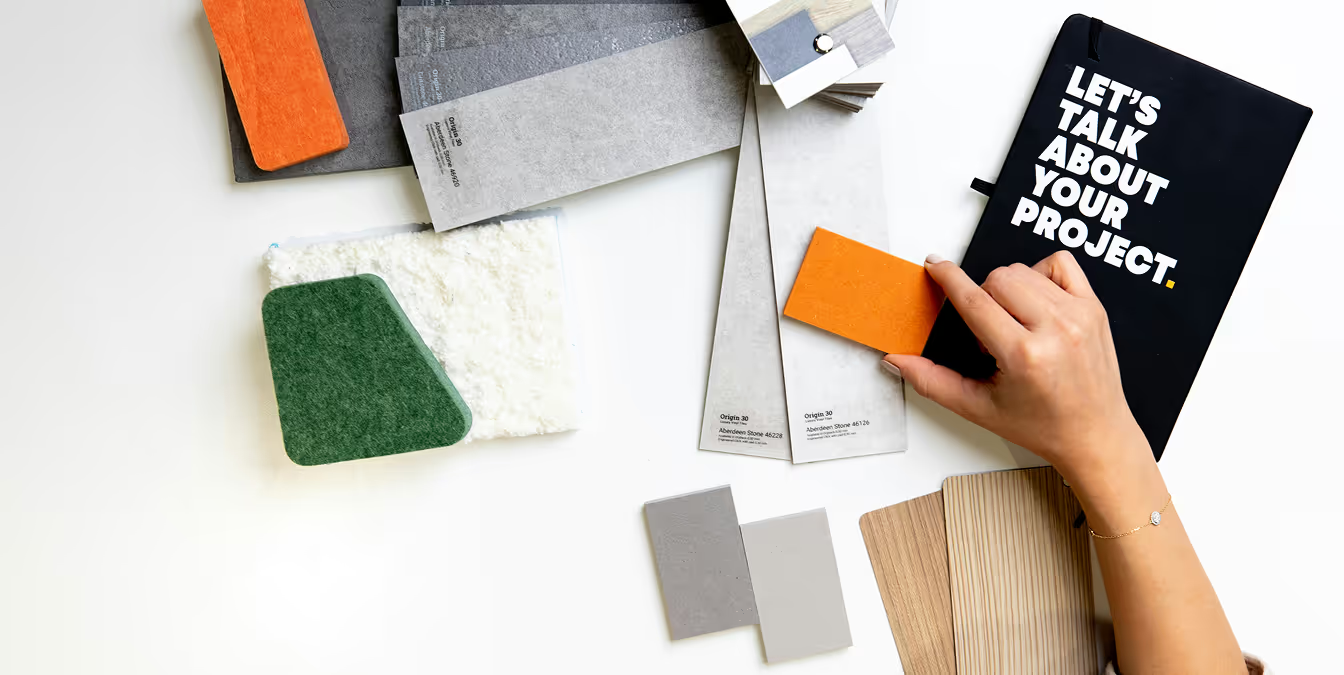
A tabletop scene of interior design material samples including fabric swatches, wood textures, and color palettes next to a notebook labeled “LET’S TALK ABOUT YOUR PROJECT.”

The connection between your brand identity and your interior design style should be seamless.

Incorporating your logo and colors into the design is a great way to tie the two together and create a cohesive look that customers will recognize.

By using your logo as part of the design, such as in artwork or signage, you can help further establish an emotional connection with your customers and create an environment that reflects who you are.

Potential clients looking for an interior design brand should search interior design branding website ideas and choose The Branded Agency for a full suite of interior design services.

The Interior Design Business

The design industry is a rapidly growing field, and businesses are beginning to recognize the value of investing in professionally designed interiors.

If you are looking for an interior designer that specializes in brand identity design for physical spaces, The Branded Agency is the perfect choice.

Many interior designers tend to focus on client work and daily operations, but investing in branding is essential for attracting the right clients and growing your business.

Our team of experienced professionals are experts in creating spaces that perfectly reflect our client’s core values while being both functional and aesthetically pleasing.

We have a signature style that will incorporate all of your design elements and design style into a cohesive, timeless design.

What Types of Businesses Need Branded Interior Design?

Any business that wants to stand out from the crowd can benefit from branded interior design.

From retail stores and restaurants, to corporate offices and commercial spaces, customers will be more likely to visit and stay longer when they feel welcomed into a unique environment that reflects the values of your brand.

What are some Examples of Companies that have Branded Interior Design?

Some of the most iconic brands in the world have incorporated branded interior design into their businesses.

Starbucks has created inviting spaces that make customers feel welcome, while Apple stores are designed to be sleek and modern with an emphasis on showcasing their products.

Nordstrom department stores feature interesting lighting and unique displays that create an enjoyable shopping experience for customers.

All of these companies have used interior design to elevate their businesses and create a memorable experience for customers. For interior designers, maintaining a consistent portfolio with high-quality photography is essential to showcase expertise and attract clients. Your website should function as a digital showroom, highlighting your design process and aesthetic.

How Much Does Branded Interior Design Cost?

The cost of branded interior design can vary depending on the scope of the project, the materials used, and the amount of customization required.

However, businesses should keep in mind that investing in a quality design is an investment in their future success.

Hiring a professional designer  or agency who understands how to create a space that reflects your brand value can be key to the success of your project.

What is the Job Description of an Interior Designer?

Interior design is a specialized field that requires creativity, problem solving skills, and an understanding of architecture and construction.

An interior designer typically works with clients to assess their needs and create designs that are both functional and aesthetically pleasing.

A successful interior designer will be able to work within budgets, manage projects from concept to completion, and stay up to date on industry trends.

A Comprehensive list of Services Offered by an Interior Design Business:

Interior designers can offer a wide range of services including, but not limited to: space planning, project management, lighting design, furniture selection and specification, materials selection and specification, custom fabrication and installation.

In addition to these services an interior designer may also provide color consultation, window treatments, wallcoverings and mural installations, artwork selection or fabrication, and fabric selection.

A List of the Best Commercial Interior Design Agencies:

The Branded Agency, Interior Architects, Designs by Nature, Beadle Design Group, Creative Space Designers, MOSS Architecture and Design, Studio O+A, Gensler, IA Interior Architects.

Each of these agencies has a unique approach to design and specializes in creating distinctive interiors for businesses that reflect their brand identity and values.

What is the Methodology and Process for Branded Interior Design?

The methodology and process for branded interior design typically begins with an evaluation of the existing space.

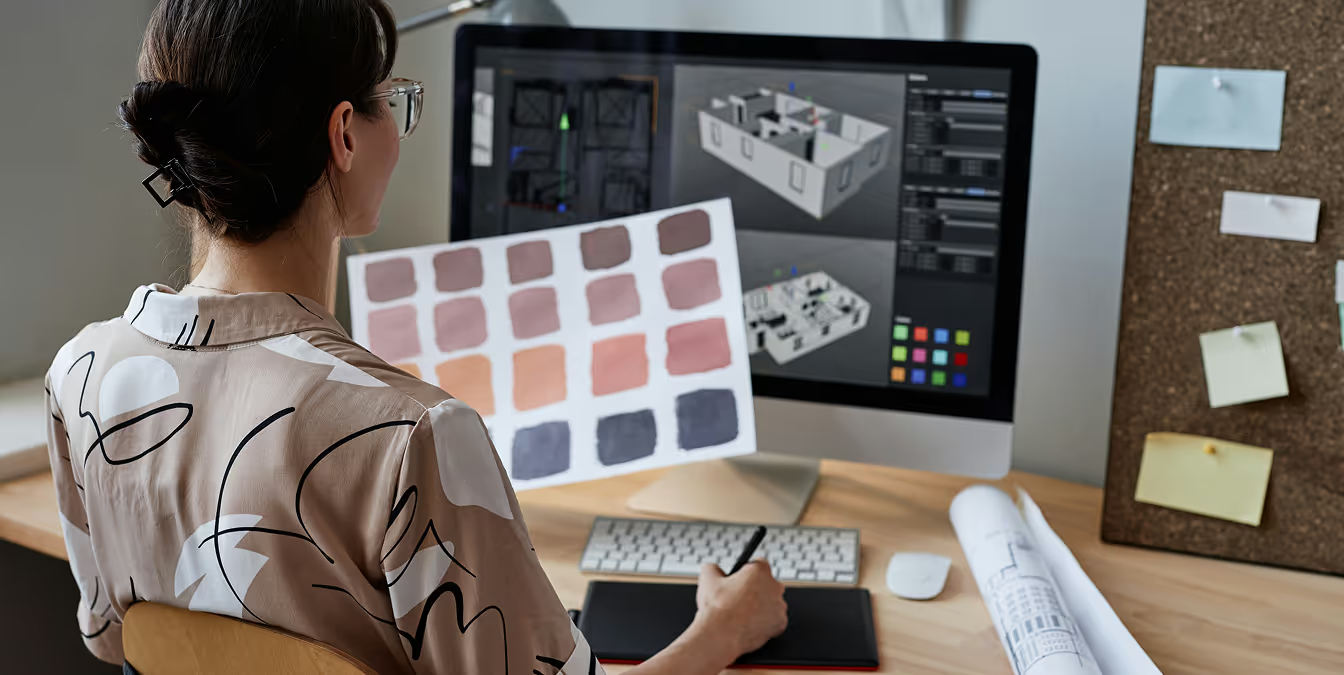
Once this has been completed, a professional designer will work to create mood boards and a plan based on their understanding of your business’s brand identity and brand positioning.

They may also use 3D software or virtual reality tools to help visualize their plans and make sure that the physical space will match the plan. From there, construction and installation can begin and be completed to create the final branded interior design.

Interior Design Brand

A female designer sitting at a desk reviewing a color palette sheet in front of a large monitor displaying 3D room layouts and architectural plans.

An Interior design brand is a cohesive visual representation of your company’s values and mission.

It is used to create a unique look and feel for your business that sets it apart from the competition.

An effective interior design brand should include elements such as color palettes, furniture styles, textures, materials, artwork, and more.

When done correctly, an interior design brand can help to create an inviting environment that customers will remember and connect with.

The ideal client for interior design branding is a business that is looking to elevate their space and create an unforgettable customer experience.

Whether it’s for corporate offices, retail stores, restaurants, or commercial spaces, branded interior design can be the key to successful customer interactions and increased profits.

Brand Strategy for Interior Designers

A well-defined brand strategy is the cornerstone of success for interior designers looking to make their mark in the competitive interior design industry. More than just a logo or a catchy tagline, a brand strategy encompasses the entire identity of your interior design studio—from your design philosophy and brand voice to your visual identity and the values you stand for. By crafting a thoughtful brand strategy, interior designers can create a consistent and compelling message that resonates with their ideal audience and attracts dream clients.

A strong brand strategy helps you clarify what sets your business apart, ensuring that every touchpoint—from your website to your client presentations—reflects your unique aesthetic and vision. This strategic approach not only builds trust with clients but also establishes a strong online presence, making it easier for potential clients to find and connect with you. By aligning your brand strategy with your business goals and the needs of your target audience, you can create a brand that stands out in the industry, attracts the right clients, and supports long-term growth.

Whether you’re an established interior design firm or an emerging studio, investing in a comprehensive brand strategy will help you define your identity, communicate your values, and build a loyal client base. In today’s crowded market, a strong brand is not just an asset—it’s a necessity for any interior designer who wants to thrive.

Actionable Steps to Improve Branding

For interior designers aiming to elevate their business and attract the right clients, taking deliberate steps to strengthen your branding is essential. Here’s how you can get started:

  1. Conduct a Brand Audit: Begin by evaluating your current branding across all platforms. Assess whether your visual identity, messaging, and marketing materials consistently reflect your values and appeal to your target audience.
  2. Define Your Brand Strategy and Identity: Clarify your mission, core values, and what makes your interior design business unique. Identify your ideal clients and articulate your unique selling points to ensure your brand stands out.
  3. Invest in Professional Design Services: Work with a skilled graphic designer or branding agency to develop a cohesive visual identity, including your logo, color palette, and website. A polished, professional look will help you create a memorable first impression.
  4. Enhance Your Online Presence: Regularly update your website and social media channels with high-quality content that showcases your latest projects, design process, and expertise. Engaging content helps build credibility and keeps your audience interested.
  5. Maintain Consistency Across All Touchpoints: Ensure that your branding is uniform across your website, proposals, marketing materials, and client communications. Consistency reinforces your brand identity and builds trust with clients.

By following these actionable steps, interior designers can create a strong brand that not only attracts the right clients but also positions their business for long-term success in the interior design industry.

Common Branding Mistakes

Even the most talented interior designers can fall into common branding traps that hinder their ability to attract dream clients and grow their business. One frequent mistake is viewing branding as just a logo or a superficial element, rather than a comprehensive strategy that shapes every aspect of your business. Without a clear brand strategy, it’s easy to lose sight of your unique value and fail to connect with your target audience.

Another pitfall is inconsistency—using different logos, colors, or messaging across various platforms can make your brand appear disjointed and unprofessional. Neglecting to invest in high-quality marketing materials, such as a well-designed website or engaging social media content, can also limit your ability to attract potential clients and showcase your expertise.

To avoid these mistakes, interior designers should prioritize developing a cohesive brand strategy, maintain a consistent visual identity, and ensure all marketing efforts reflect their professional standards. By doing so, you’ll create a strong brand that resonates with your audience and supports your business goals.

Measuring Branding Success

To ensure your branding efforts are driving results, it’s important for interior designers to measure their success using clear, data-driven methods. Start by tracking website analytics—monitor page views, engagement rates, and conversion metrics to see how visitors interact with your site. Social media metrics, such as follower growth, likes, shares, and comments, can provide valuable insights into your online presence and audience engagement.

Gathering client feedback through surveys or direct conversations can help you assess your brand’s reputation and the overall client experience. Setting key performance indicators (KPIs) related to brand awareness, client inquiries, and project bookings will allow you to evaluate the effectiveness of your brand strategy over time.

By regularly reviewing these metrics, interior designers can identify what’s working, uncover areas for improvement, and refine their approach to attract dream clients and grow their business. In the ever-evolving interior design industry, a strong brand backed by measurable results is the key to standing out and achieving long-term success.

Marketing your New Branded Space

You will need marketing materials and assets to market your new space in print and through social media posts and other methods.

You can start by creating a digital mood board with images of the design elements that make up your space and showcase why customers should visit.

Furthermore, you can develop print materials such as business cards and flyers to promote your business in local areas.

Branded Interior Design: How it Can Elevate Your Business

At The Branded Agency we understand the importance of creating an environment that reflects your brand values and sets you apart from the competition.

Our team of expert designers will work with you to create a space that is both functional and aesthetically pleasing, and that will draw customers in to your business.

Final Thoughts on Interior Design Branding

Interior Design Branding can be the key to successful customer interactions and increased profits.

By utilizing an interior designer who understands your brand identity, you can create a space that is inviting, memorable, and unique.

With the right materials and marketing strategy in place, you will be well on your way to creating a branded space that will elevate your business.

An image of the author Sloane Avery

Sloane Avery

As entrepreneurs, they’ve built and scaled their own ventures from zero to millions. They’ve been in the trenches, navigating the chaos of high-growth phases, making the hard calls, and learning firsthand what actually moves the needle. That’s what makes us different—we don’t just “consult,” we know what it takes because we’ve done it ourselves.

Want to learn more about brand platform?

If you need help with your companies brand strategy and identity, contact us for a free custom quote.

We do great work. And get great results.

DrTung’s
Breathed new life into a storied oral care brand with a smarter site and marketing for scalable growth.

+2.3x
Increase in revenue YoY

+126%
Increase in repurchase rate YoY

READ MORE
Smiling man with bright teeth on a light blue background, surrounded by floating DrTung’s herbal tooth powder tabs and packaging.
Smartphone on a textured blue surface displaying a DrTung’s ad with the text “Make the Switch” and an image of a woman holding herbal tooth powder tabs.
Flat lay of DrTung’s oral care products, including floss, tooth powder tabs, perio sticks, tongue cleaners, and toothbrushes, arranged with a blue pouch on white tile.
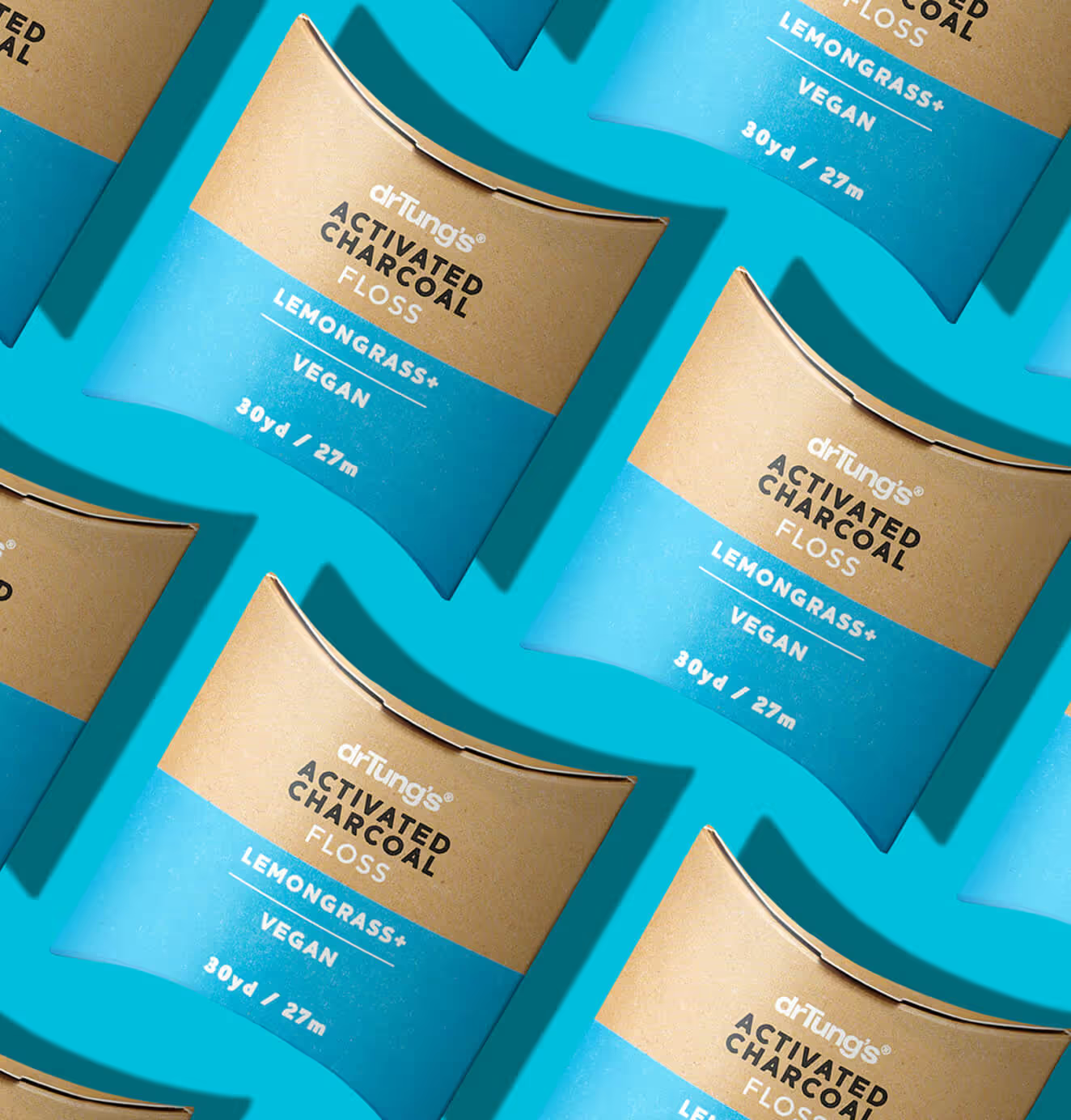
Pattern of DrTung’s Activated Charcoal Floss in brown and blue packaging, arranged diagonally on a bright blue background.
Smiling man with bright teeth on a light blue background, surrounded by floating DrTung’s herbal tooth powder tabs and packaging.
Smartphone on a textured blue surface displaying a DrTung’s ad with the text “Make the Switch” and an image of a woman holding herbal tooth powder tabs.
Flat lay of DrTung’s oral care products, including floss, tooth powder tabs, perio sticks, tongue cleaners, and toothbrushes, arranged with a blue pouch on white tile.
Pattern of DrTung’s Activated Charcoal Floss in brown and blue packaging, arranged diagonally on a bright blue background.
Mary Louise Cosmetics
Scaled a heritage-inspired clean beauty brand with modern performance marketing and farm-to-face storytelling.

+93%
Revenue growth in first 90 days

+144%
Increase in attributed revenue

READ MORE
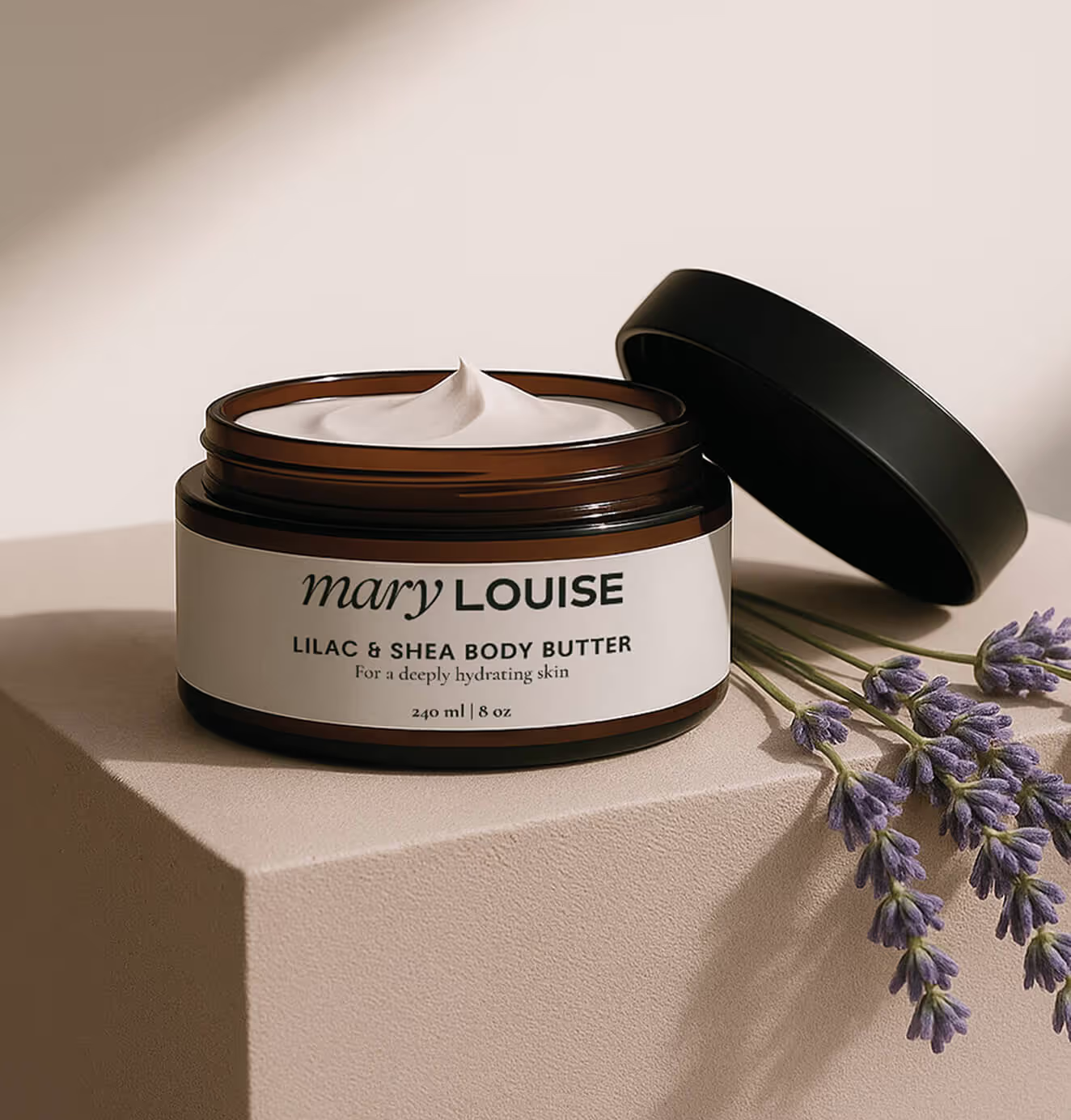
A jar of Mary Louise Lilac & Shea Body Butter with the lid open, showing creamy texture, placed on a beige surface beside sprigs of lavender.
A Mary Louise Miracle Serum bottle with a dropper cap, lying on a bed of small yellow flowers.
Mary Louise promotional print materials featuring the body butter, with images of skincare application and product photography on a textured beige background.
A close-up overhead view of multiple Mary Louise Miracle Serum bottles with yellow dropper caps arranged tightly together.
A jar of Mary Louise Lilac & Shea Body Butter with the lid open, showing creamy texture, placed on a beige surface beside sprigs of lavender.
A Mary Louise Miracle Serum bottle with a dropper cap, lying on a bed of small yellow flowers.
Mary Louise promotional print materials featuring the body butter, with images of skincare application and product photography on a textured beige background.
A close-up overhead view of multiple Mary Louise Miracle Serum bottles with yellow dropper caps arranged tightly together.
Eyecart
Made eye care feel modern, then marketed it like a DTC darling—with the results to match.

+91%
Increase in conversion rate

+46%
Increase in AOV

READ MORE
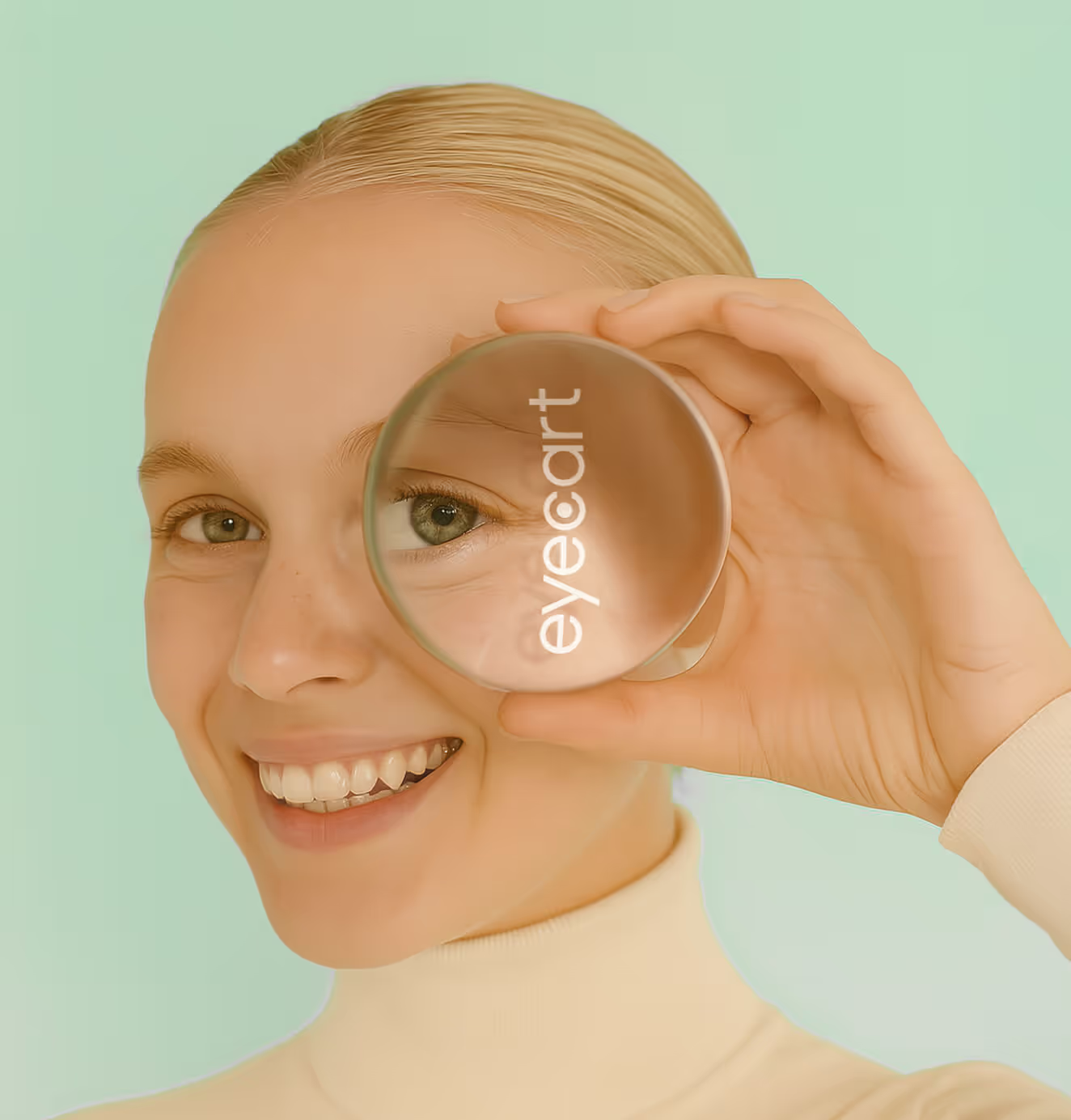
A smiling woman holds a magnifying lens with the word "eyecart" printed on it over her eye, creating a playful optical effect against a mint green background.
A billboard ad reads “Discover the ease of keeping your eyes healthy,” featuring Eyecart branding and Blephaclean eye care wipes packaging.
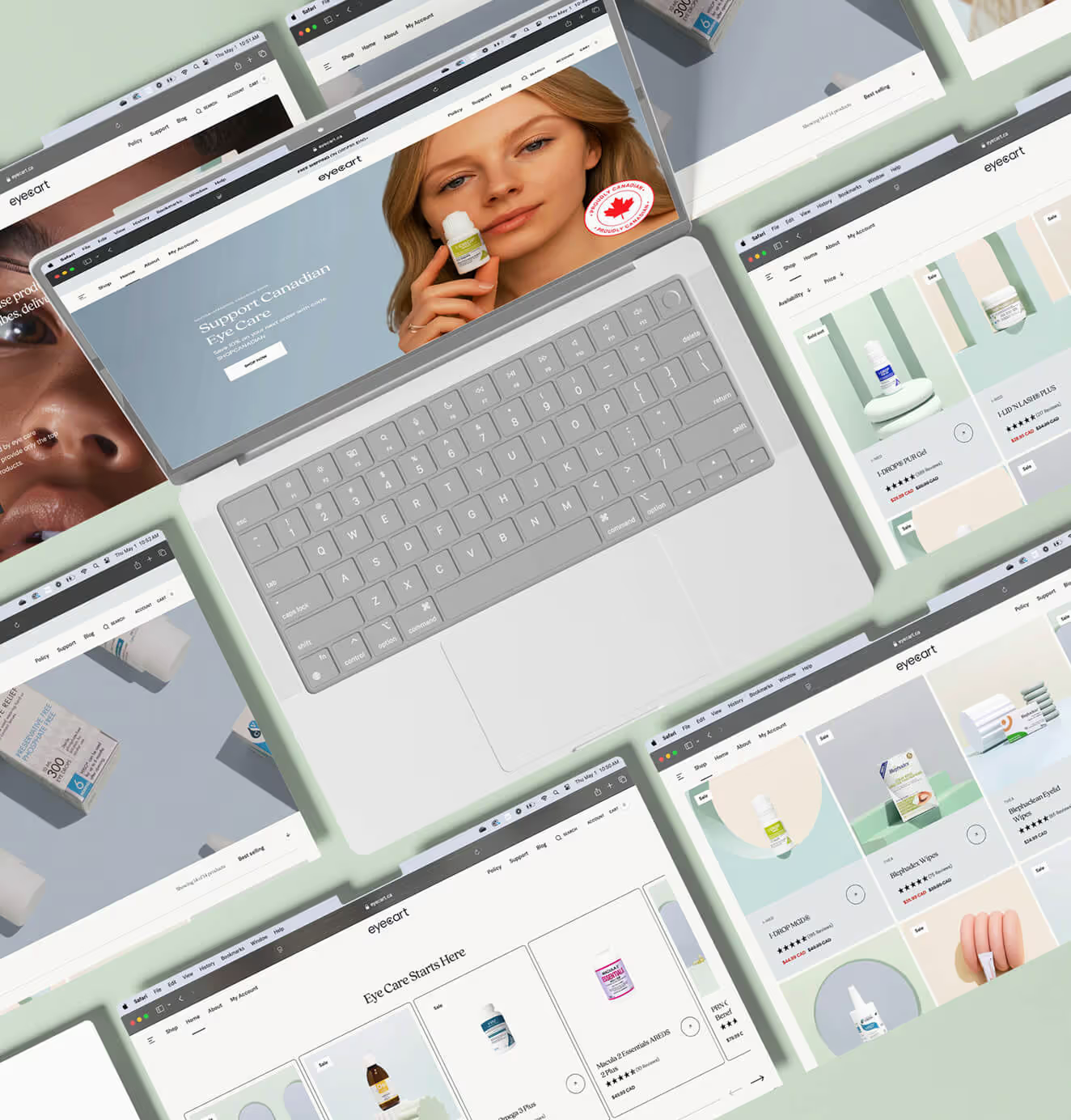
Multiple laptop screens display the Eyecart website, showcasing product pages and banners promoting eye care items.
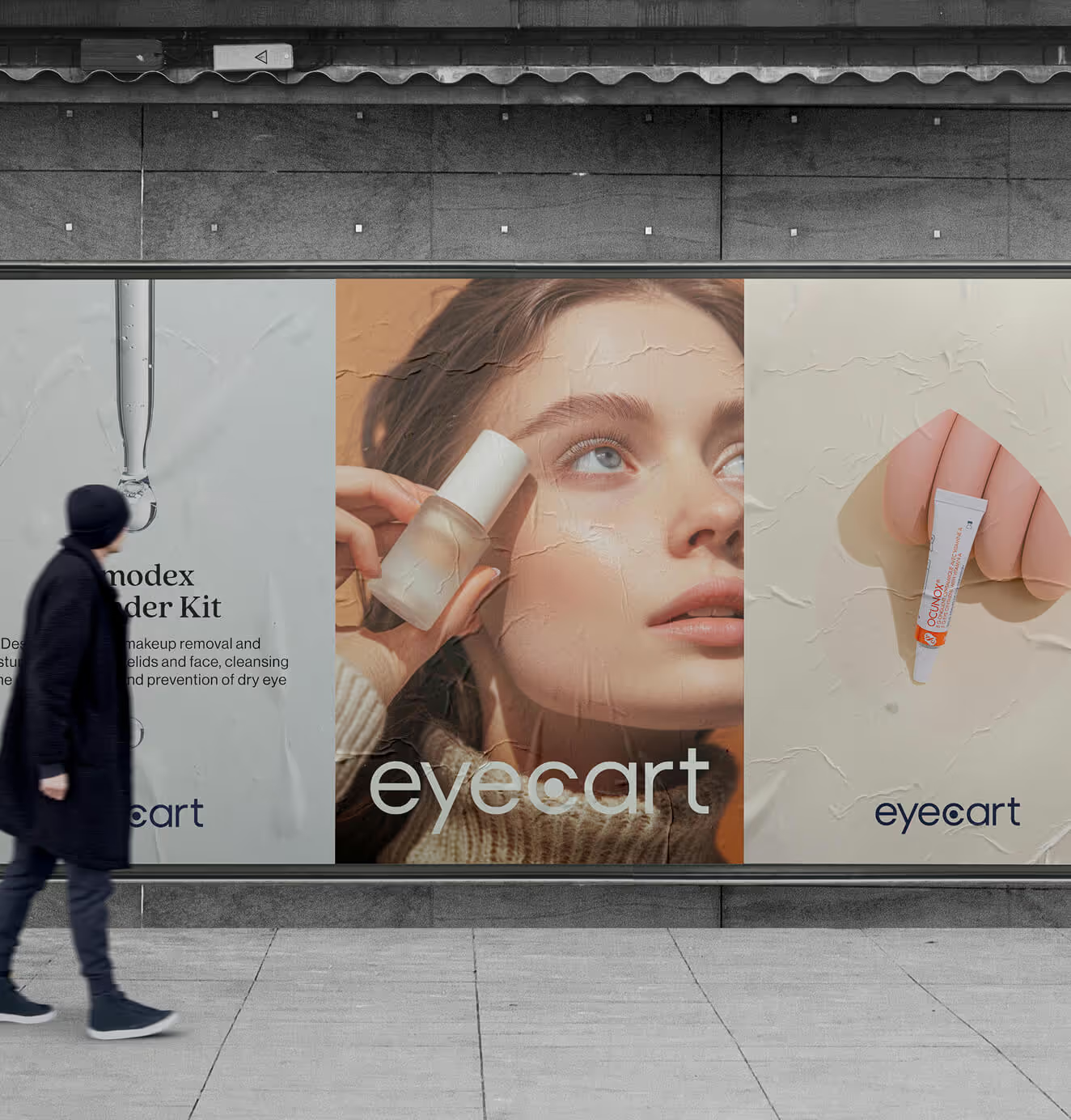
A person walks past large Eyecart posters on a city wall, featuring product photography of eye care serums and creams with clean, modern branding.
A smiling woman holds a magnifying lens with the word "eyecart" printed on it over her eye, creating a playful optical effect against a mint green background.
A billboard ad reads “Discover the ease of keeping your eyes healthy,” featuring Eyecart branding and Blephaclean eye care wipes packaging.
Multiple laptop screens display the Eyecart website, showcasing product pages and banners promoting eye care items.
A person walks past large Eyecart posters on a city wall, featuring product photography of eye care serums and creams with clean, modern branding.
Lucky Girl Rosé
We turned a zero-carb rosé into a lifestyle brand that makes every moment worth celebrating.

+200%
Increase in conversion rate

+688%
Increase in attributed revenue

READ MORE
A bottle of Lucky Girl rosé wine nestled among pink and white flowers in a rustic outdoor setting.
Lucky Girl rosé wine on a red-and-white checkered picnic blanket with cherries, strawberries, sunglasses, and a pink notebook titled The Lucky Club.
A wine glass filled with rosé on a gold tray surrounded by hands with red-painted nails, overlaid with the text “Pour yourself some luck.”
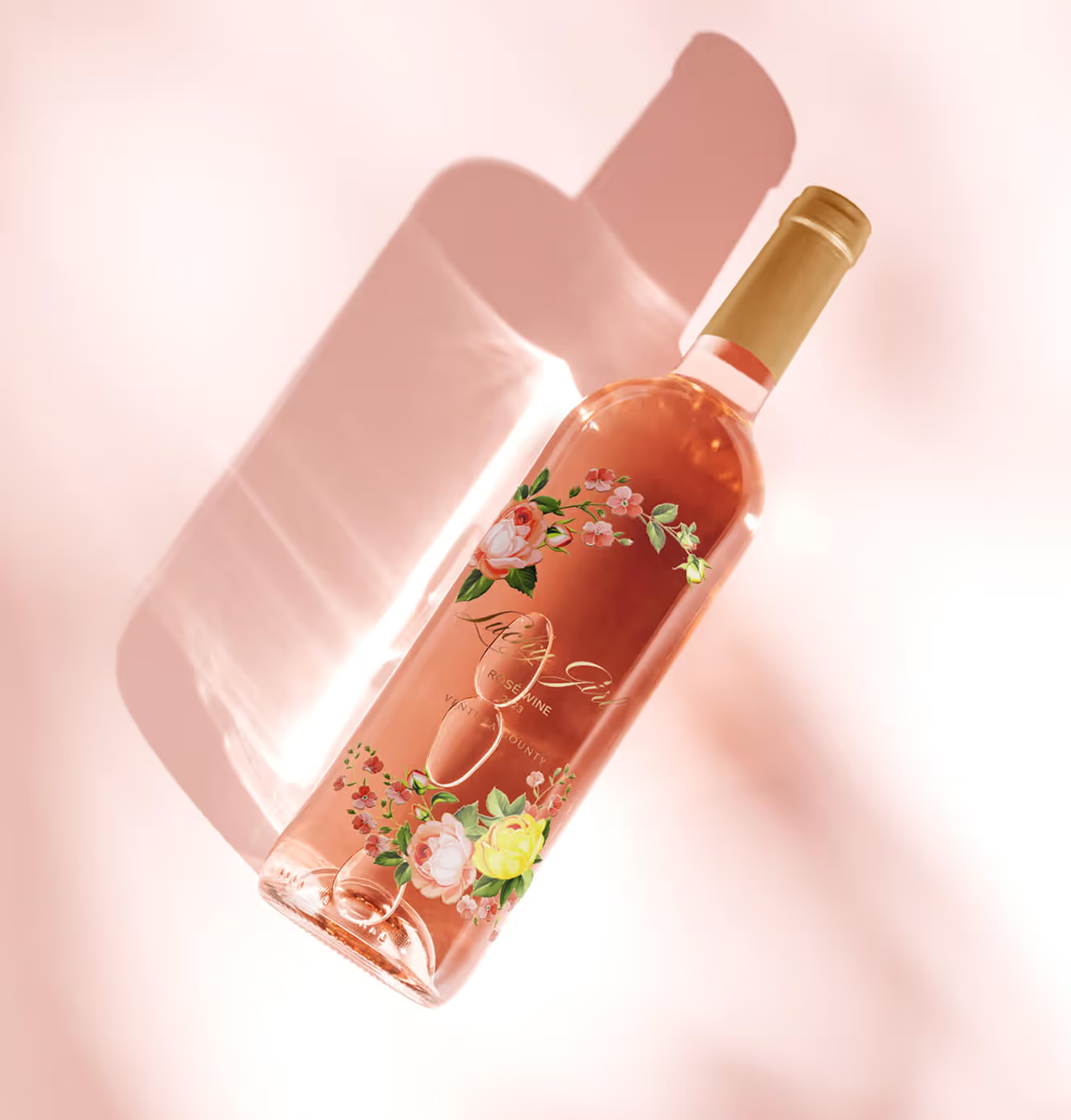
A bottle of Lucky Girl rosé wine with floral label design, dramatically lit against a soft pink background with a shadow cast.
A bottle of Lucky Girl rosé wine nestled among pink and white flowers in a rustic outdoor setting.
Lucky Girl rosé wine on a red-and-white checkered picnic blanket with cherries, strawberries, sunglasses, and a pink notebook titled The Lucky Club.
A wine glass filled with rosé on a gold tray surrounded by hands with red-painted nails, overlaid with the text “Pour yourself some luck.”
A bottle of Lucky Girl rosé wine with floral label design, dramatically lit against a soft pink background with a shadow cast.