Digital Trend Marketing: How to Win in 2026 and Beyond

07/31/2026

Marketing Strategy

Learn how to turn the biggest digital marketing trends into measurable business growth with a future-ready strategy built around AI, search, personalization, and customer experience.

Calendar floating above the water while hidden blocks beneath the surface represent emerging technologies, AI, privacy regulations, search evolution, and changing consumer behaviour, illustrating the unseen forces shaping digital marketing trends.

Digital marketing in 2026 is being reshaped by artificial intelligence, first-party data, immersive content, and the rise of search across AI platforms, social channels, and traditional search engines. The strongest brands are not chasing every new tool. They are identifying the trends that align with real customer behaviour, testing them against clear business goals, and scaling only what improves visibility, engagement, and performance.

Quincy Samycia
Play IconPause Icon
0:00
0:00

The Digital Marketing Trends Shaping 2026
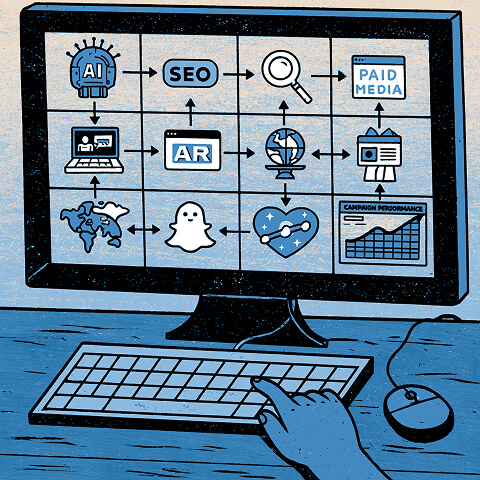
Digital marketing ecosystem connecting AI, SEO, augmented reality, paid media, analytics, and emerging platforms, showing how modern marketing channels work together to create integrated campaigns.
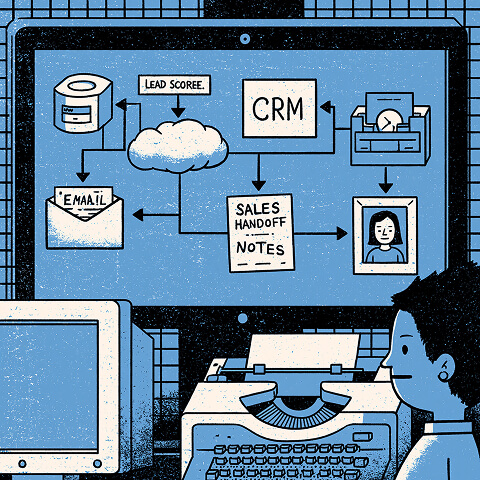
Automated marketing workflow connecting CRM, email, lead scoring, cloud systems, and sales handoffs, illustrating how marketing automation streamlines lead management and customer journeys.
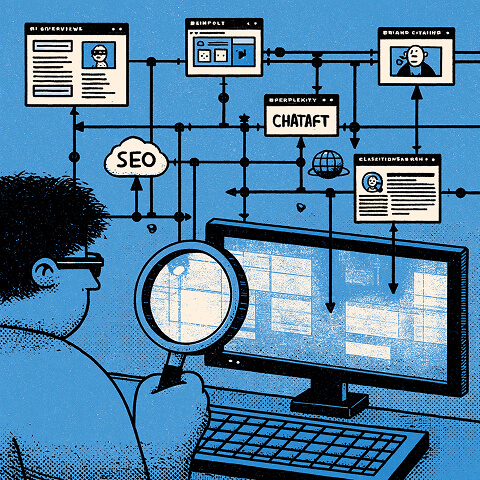
SEO specialist analyzing interconnected search, AI, content, and digital platforms, representing how search optimization now spans AI search engines, websites, and multiple digital touchpoints.
No items found.

Key Takeaways

  • Artificial intelligence AI is now embedded across campaigns - from ai search and content marketing to paid media and automation - rather than functioning as a standalone tactic.
  • First party data, data ethics, and transparent consent have become non-negotiable for customer trust, performance, and regulatory compliance. 75% of consumers prefer brands that use first-party data.
  • Immersive formats like short-form video, augmented reality AR try-ons, and interactive content are critical to customer experience and customer satisfaction in 2026.
  • Brands must design integrated digital marketing strategies for "total search" - combining classic SEO, social discovery, and ai search - to maintain business visibility.
  • The digital marketing landscape rewards marketers who test, measure, and scale trends methodically, not those who chase every new tool.

Introduction: What "Digital Trend Marketing" Means in 2026

Digital trend marketing is the practice of systematically identifying and applying current digital marketing trends - AI, augmented reality, omnichannel design, data ethics - to shape strategy rather than react to hype. It goes beyond simply "doing digital marketing" and turns verified shifts in consumer behavior into actionable projects.

Since 2020, the digital world has transformed rapidly. TikTok reshaped content discovery, ai tools like ChatGPT changed how people find answers, and the decline of third-party cookies forced a rethinking of targeting. Now in 2026, ai search is mainstream, customers expect hyper-personalization, and regulators are tightening privacy rules globally.

This article gives marketing professionals and business leaders a structured roadmap. Each section translates into concrete projects you can prioritize, pilot, and scale. Digital tools enable measurable results in digital marketing campaigns, and digital marketing platforms provide a cost-effective alternative to traditional advertising - but only when you align your efforts with where the market is actually heading.

From Digital Marketing to Digital Trend Marketing

There's a meaningful difference between "doing digital marketing" and intentionally building marketing strategies around verified trends. The first is operational. The second is strategic.

Here's what trend-aware marketing looks like in practice:

  • Connects shifts to strategy: It maps consumer behavior changes (like the rise of ai powered search) directly to campaign design and budget allocation.
  • Integrates technology and goals: New technologies (AR, agentic AI, CDPs) are adopted because they solve a specific business problem, not because they're trendy.
  • Uses data as a filter: Emerging digital trends should be centered on data and insights from reputable sources, not Twitter hype or vendor pitches.
  • Guards against shiny-object syndrome: Not every trend fits every brand. Testing small campaigns is recommended before larger market rollouts. Run 90-day pilots before scaling any new tactic.

The rest of this article is organized around major trend clusters: AI, search, content, immersive tech, customer experience, and data ethics. Digital trend marketing promotes products by leveraging current online behaviors, and digital trend marketing aligns brand messaging with consumer engagement across the internet, closely intersecting with emerging branding trends in 2026.

AI as the Backbone of Modern Digital Marketing

Team assembling puzzle pieces around social media, video, mobile, and immersive technology platforms, illustrating the integration of multiple digital marketing channels into a unified strategy.
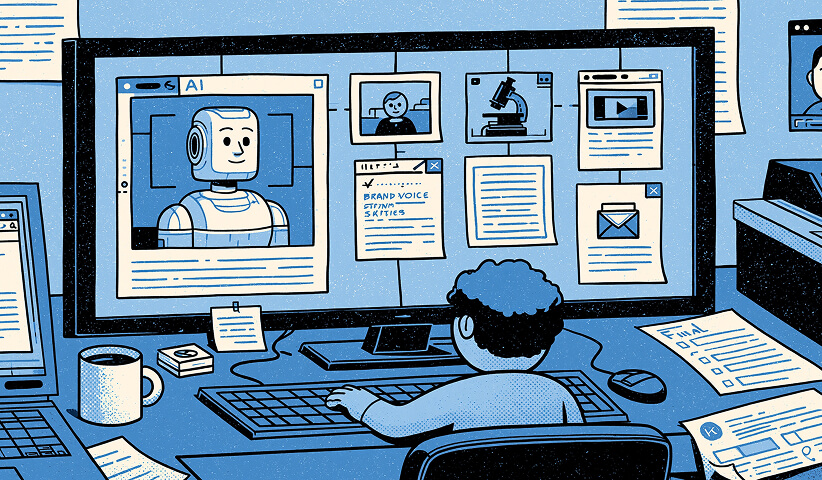
Content creator using AI-powered tools to develop marketing assets while managing brand guidelines, video content, and digital communications, highlighting AI-assisted content creation workflows.
Interactive dashboard displaying website optimization, AI, conversational search, and Core Web Vitals, representing the growing complexity of technical SEO and AI-driven search optimization.
Consumer journey spanning social media, search engines, mobile apps, email, reviews, and digital commerce, illustrating how customers interact with brands across multiple online platforms.

By 2026, artificial intelligence underpins most high-performing digital strategies. This isn't about novelty anymore - AI is now central to marketing campaign execution, from analytics to creative testing and AI tools that boost website traffic. According to research from Presenc.ai, 84–91% of marketing teams globally use at least one AI-based tool daily, and 75% of brands incorporate Generative AI into their strategies.

Key uses of artificial intelligence tools in marketing include, especially when you adopt top AI content tools that boost output in 2026:

  • Audience segmentation and predictive lead scoring
  • Dynamic pricing and email send-time optimization
  • Creative generation and A/B variant testing
  • Automated reporting and campaign optimization

The concept of "AI elevation" captures this well: humans focus on strategy, narrative, and brand perspective while AI handles repetitive tasks and scenario modeling. AI algorithms can increase user engagement by 30%, and teams using ai powered tools for six months or more report a median 3.2× ROI on their AI investments.

AI Search and Generative Engine Optimization (GEO)

AI search - through Google AI Overviews, Bing Copilot, Perplexity, and ChatGPT Search - has fundamentally changed how consumers discover information. AI Overviews now appear in 25–30% of relevant queries, and AI search referrals have grown 5× year over year. AI-powered search is influencing how consumers discover information online, and digital marketing enhances discoverability through alignment with evolving search behavior.

Answer engine optimization (often called Generative Engine Optimization or GEO) means optimizing content so AI assistants select, summarize, and cite your brand in conversational answers. Practical tactics include:

  • Structured data and schema markup: Help AI models understand your entities (brand, product, people).
  • FAQ-style content: Conversational Q&A formats are favored by LLMs for summaries.
  • Rich evidence: Stats, case studies, and direct quotes give AI systems citable material.
  • Brand consistency: Clear, consistent naming across web pages and social platforms matters.

To monitor your AI search visibility, use AI itself. Run branded queries through ChatGPT or Gemini to see whether your brand appears in those answers. Track citation frequency and traffic shifts from traditional search results.

AI Agents, Automation, and Smart Campaigns

AI agents go beyond simple tools - they are autonomous systems that can manage marketing campaigns, answer customers, or optimize creative assets with minimal human intervention. In 2026, they show up as virtual assistants on ecommerce sites, automated PPC optimizers (including google ads bidding systems), and CRM workflows that react in real time.

AI tools improve customer experience through personalized responses, but marketers should redesign KPIs and workflows to supervise AI agents rather than micromanage every action. Set goals, guardrails, and escalation rules, and use a thoughtful AI prompting guide for marketing and branding to standardize how teams brief different models.

Example workflow: A lead fills out a form → AI scoring prioritizes the lead → personalized content drip delivers tailored resources → if engagement signals are strong, AI triggers a sales handoff with context notes. This reduces manual work while keeping the customer journey relevant.

AI risks are real: bias, hallucinations, and compliance issues require human review processes and clear documentation. Only about 30% of organizations have mature AI capabilities ready to scale, according to Digital Applied's readiness analysis.

Search Everywhere: SEO, Social Search, and AI Discovery

In 2026, users discover brands via Google, TikTok search, Instagram Explore, GenAI answers, Amazon, and Maps. This is "total search." Classic SEO, social discovery, and AI search together form a unified experience that brands must address holistically.

Keyword strategies must now consider both human queries and what AI bots are crawling and indexing. Content should be designed for multiple discovery channels to adapt to consumer preferences. Brands need consistent naming, metadata, and messaging across all discoverability surfaces to maintain competitive advantage.

A typical multi-channel journey: A user discovers a product via a TikTok video → researches it via Google or ChatGPT → reads reviews on the brand's website → purchases through an app → receives onboarding emails. Every touchpoint needs aligned messaging and digital elements.

Evolving SEO: From Keywords to Entities and Experience

Modern SEO focuses on entities (brands, products, people) and topical authority more than exact-match keywords. Google still holds roughly 89–91% of global web search share while integrating AI modes, making technical SEO and content quality essential.

2026 SEO checklist:

AI search optimization should be treated as SEO adapted for LLMs - not a completely separate discipline.

Voice, Visual, and Social Search

Voice search through smart speakers and in-car assistants, along with visual search via Google Lens and Pinterest Lens, influences content formats significantly. Digital consumers increasingly use social media and online platforms for product research and purchases.

Voice optimization best practices: Natural language content, FAQ pages, snippet-ready answers, and fast-loading mobile pages.

Visual search best practices: High-quality images, descriptive alt text, structured product data, and consistent branding across e commerce platforms.

Platforms like TikTok and Instagram increasingly act as search engines for Gen Z, requiring keyworded captions and on-screen text. For example, a fashion brand optimizing its catalog should add descriptive, searchable text to TikTok captions while ensuring the same products are recognizable through Google Lens via consistent product imagery.

Content Marketing in the Age of AI and Short Attention Spans

Content marketing remains central to digital marketing strategies despite AI saturation. Quality, originality, and brand voice differentiate brands amid what many call "AI slop." Video content is a central pillar of digital marketing strategies, and content must now be optimized not only for humans and search engines but also for AI summarization and recommendation systems, often through AI creative services in 2026 that blend human storytelling with machine assistance.

Strategic Content Planning and AI-Assisted Creation

Build your content strategy around customer journeys and key questions, not random topics. 75% of consumers prefer personalized content from brands, and personalized experiences can increase conversion rates through segmentation of audiences, especially when guided by a dedicated AI content strategist role in 2026.

A practical AI-assisted workflow that starts with a consistent, five-part marketing prompt structure:

  1. AI supports ideation and outlines - generate topic clusters and first drafts
  2. Humans add narrative, examples, and brand perspective - the part AI can't replicate authentically
  3. Transparent AI use - disclose where AI helped, maintaining trust and complying with emerging guidelines

Example monthly calendar tied to one core theme ("Summer Skin Care"):

Repurposing (turning webinars into articles, clips, and carousels) is crucial for efficiency. Personalized content drives results: 48% of marketing leaders exceed revenue goals through personalization, and teams increasingly rely on high-converting AI ad copy prompts to extend those stories into paid campaigns.

Short-Form Video, UGC, and Co-Created Stories

Short-form videos capture attention in under 60 seconds, and over 90% of businesses are using video in 2026. Video content is essential for engaging younger audiences, and short videos drive strong engagement on platforms like TikTok. Participating in viral trends can achieve higher engagement at lower marketing costs.

User-generated content and co-creation (duets, stitches, remixes) fuel community and authentic brand narratives. The trend of "co-storytelling" invites engaged audiences to customize or extend a campaign storyline using templates and raw assets.

Content guidelines should protect brand safety without stifling creativity, especially when working with creators and communities.

Want to learn more about Marketing? Keep reading!

If you need help with your company’s marketing, contact us for a free custom quote.

Immersive Experiences: Augmented Reality AR, VR, and Interactive Content
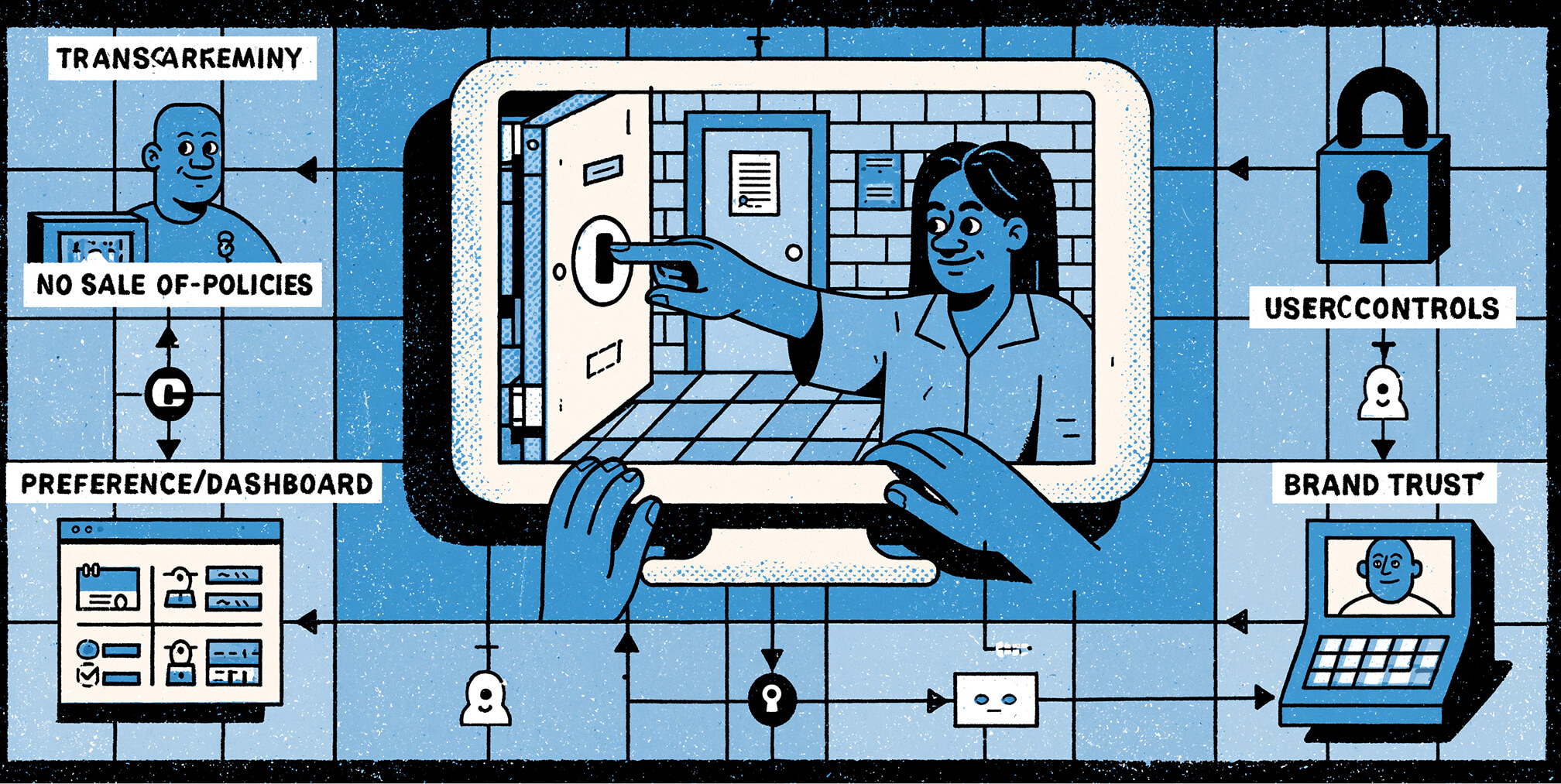
Privacy and consent management interface with user controls, security settings, and preference dashboards, representing the growing importance of first-party data, transparency, and consumer trust in digital marketing.

Augmented reality AR, virtual reality, and interactive content have moved from novelty to mainstream marketing tools. AR is often more practical and widely adopted than full VR, especially in mobile commerce and social media filters. 71% of consumers would shop more if AR were available, and immersive experiences can significantly improve customer experience, product understanding, and customer satisfaction when paired with an AI content creation agency that can supply on-brand assets at scale.

Verticals where AR/VR are already proven include furniture, beauty, automotive, and real estate. The focus here is on concrete, shoppable experiences - AR try-ons, 3D configurators - rather than abstract metaverse discussions.

Practical AR Use Cases for Digital Marketing

Specific use cases delivering measurable results:

  • Virtual try-on for cosmetics and eyewear (Sephora, Warby Parker)
  • "Place in room" for furniture (IKEA's room planners)
  • AR product demos via QR codes in physical stores and retail packaging
  • Interactive packaging that unlocks video content or loyalty rewards

The virtual try-on market hit $15.18B in 2025, with conversion rate lifts of 20–35% and return rate reductions of 25–40%. Yet only about 1% of ecommerce stores offer this functionality, even though 71% of consumers say they would shop more if AR was available.

KPIs to track: Time in experience, add-to-cart rate, conversion lift vs. non-AR flows, and post-purchase customer satisfaction. Real-time metrics such as website traffic and conversions help improve digital marketing when AR is integrated into product pages, social filters, and email campaigns with deep links.

Performance matters: file size, loading times, and device compatibility directly impact whether AR improves or frustrates the customer experience.

Interactive Content Beyond AR: Quizzes, Tools, and Live Experiences

Interactive content formats - product finders, calculators, quizzes, and live shopping streams - gather first party data while improving user engagement and perceived value. Behavioral, demographic, and preference data can enhance targeting in marketing campaigns when collected through these tools.

For example, a B2B SaaS company could deploy an ROI calculator that captures company size and pain points, then feeds personalized solutions into email sequences. A fashion brand might use a style quiz that powers personalized recommendations on-site.

UX best practices: clear entry points, minimal friction, and immediate value. Integrate interactive content into always-on journeys (welcome series, onboarding, loyalty programs) rather than treating them as one-off stunts.

Hyper-Personalization, Omnichannel Journeys, and Customer Experience

Customer experience is the main battlefield of digital trend marketing in 2026. 75% of consumers expect a seamless omnichannel experience, and companies investing in omnichannel strategies see 3–4× better performance. AI-driven personalization is used by 75% of brands, and AI-driven personalization leads to 75% higher purchase likelihood.

Hyper-personalization uses real-time behavior, context (location, device, weather), and history to tailor messages, offers, and personalized content. Omnichannel means delivering consistent, connected personalized experiences across web, app, email, social, messaging apps, and physical stores. Customer satisfaction and consumer loyalty improve when marketing personalization is relevant, transparent, and not creepy. Personalized experiences can increase user engagement by 30%.

Designing Omnichannel Experiences That Feel Seamless

Map customer journeys across channels and identify key touchpoints: discovery, consideration, purchase, onboarding, and loyalty. Unified profiles built on first party data ensure customers don't repeat themselves across touchpoints.

  • Consistent but channel-tailored messaging: Same core offer, adjusted format and tone for email vs. WhatsApp vs. in-store signage.
  • Unified messaging across channels enhances brand trust and familiarity - this is non-negotiable.
  • Real-time data integration is crucial for effective omnichannel marketing.

Omnichannel experiences improve customer loyalty by creating frictionless journeys. Social commerce sales are projected to reach $1.2 trillion by 2025, with 17% of all e-commerce sales now coming through social channels. Instagram stores allow purchases directly within the app, and TikTok integrates shopping functionalities directly into videos.

Measurement approaches: Journey analytics, NPS/CSAT per touchpoint, and cross-channel attribution models.

Balancing Automation with Human Connection

Over-automation makes experiences feel cold. AI-powered chatbots and virtual assistants can handle routine tasks while human agents manage complex, emotional, or high-value interactions.

Surface human support when:

  • Cart values exceed a set threshold
  • A customer fails self-service repeatedly
  • Complaint language or frustration is detected in chat

Provide clear options for customers to opt out of personalization or automated flows and speak to a person. An experience that improves customer satisfaction is one that uses automation to enhance - not replace - the human connection. Train staff to use AI-generated insights (next best action, sentiment scores) rather than ignore or blindly trust them.

Data Ethics, Privacy, and the Shift to First-Party Data

The deprecation of third-party cookies, stricter privacy laws (GDPR, CCPA, and the CPPA enforcement starting January 2026), and rising consumer awareness have reshaped the digital marketing landscape. Privacy regulations are reshaping digital marketing strategies across the board.

Data ethics in digital marketing means collecting and using customer data transparently, minimally, and securely. Data minimization is a key principle of data ethics. GDPR compliance is essential for ethical data practices and for building consumer trust. Ethical data management strengthens customer loyalty and trust, and privacy compliance is now part of brand positioning.

Companies must ensure transparency in data collection processes. These practices aren't just compliance tasks - they're key to long-term differentiation and improve the quality of AI models and personalization efforts.

Building Robust First-Party and Zero-Party Data Strategies

75% of brands are adopting first party data strategies, and companies using first-party data see higher engagement rates. First-party data strategies are replacing third-party tracking for personalization. Brands using consented first-party data report up to 2.9× revenue growth compared to rivals.

Methods for collecting first-party data:

  • Purchase behavior and on-site interactions
  • Email engagement and loyalty programs
  • Zero-party data: Information customers proactively share via surveys, quizzes, and preference centers

Concrete tactics: gated content, membership programs, interactive tools, and honest value exchanges. Communicate the benefit clearly - e.g., "Tell us your size and style so we can stop sending irrelevant offers." Store and activate this data in CDPs or CRMs while respecting consent flags and regional regulations. 75% of consumers prefer brands that use first-party data.

Trust, Transparency, and Data Security

Data breaches and misuse erode brand equity. Visible security can become a competitive advantage.

  • Human-readable privacy notices: Explain what is collected and why, avoiding dark patterns.
  • Minimum security practices: Encryption, role-based access, regular audits, and incident response plans.
  • Granular user control: Easy opt-out options, data export, deletion requests, and preference management dashboards.

Some brands have turned privacy transparency into a marketing advantage by highlighting no-sale-of-data policies prominently in their communications, turning compliance into a trust signal that drives consumer loyalty.

Influencer, Creator, and Community-Driven Marketing

The creator economy in 2026 blends influencer marketing, UGC creators, and brand advocates into a complex ecosystem. Investment in influencer marketing grew 59% in 2024 in Spain, and globally, 34% of brands adopted influencer marketing in 2024.

The shift from mega influencers to micro influencers and nano creators brings niche authority and higher customer engagement. Micro and nano-influencers deliver higher engagement and trust than celebrity endorsements. Influencer marketing is evolving towards more ethical practices, with brands now collaborating for co-creation and long-term partnerships rather than one-off sponsored social media posts, mirroring how leading ecommerce brands use advanced Meta ads and rebranding strategies to sustain performance over time.

Alignment on ethics, sustainability, and community values matters more than reach metrics alone. Connect influencer work back to measurable outcomes - sales, signups, sentiment - not just likes.

Building Communities, Not Just Campaigns

Community-first spaces (Discord, private Instagram channels, WhatsApp groups) are where brands build lasting relationships. Businesses can engage customers through community-building initiatives that go beyond broadcast messaging.

Tactics to nurture communities:

  • Exclusive content, AMAs with experts, and early product tests
  • Direct feedback loops and active participation from brand teams
  • Incorporating cultural moments into marketing makes brands feel more human and relatable

Measure community health via retention rate, participation rate, UGC volume, and referral behavior. Set community guidelines to manage toxicity and protect both members and brand reputation. Sustainable marketing and sustainable practices within community engagement ensure long-term value over short-term spikes.

Implementing Digital Trend Marketing: Roadmap for 12–18 Months

Marketing analytics dashboard displaying customer behaviours, devices, locations, channels, and real-time performance metrics, illustrating how marketers use data-driven insights to personalize campaigns and optimize customer experiences.

Not every trend fits every brand. Prioritization is essential, and the top digital marketing trends only matter if they align with your goals and audience. The latest digital marketing trends and key digital marketing trends should be filtered through your specific business context.

3-phase roadmap:
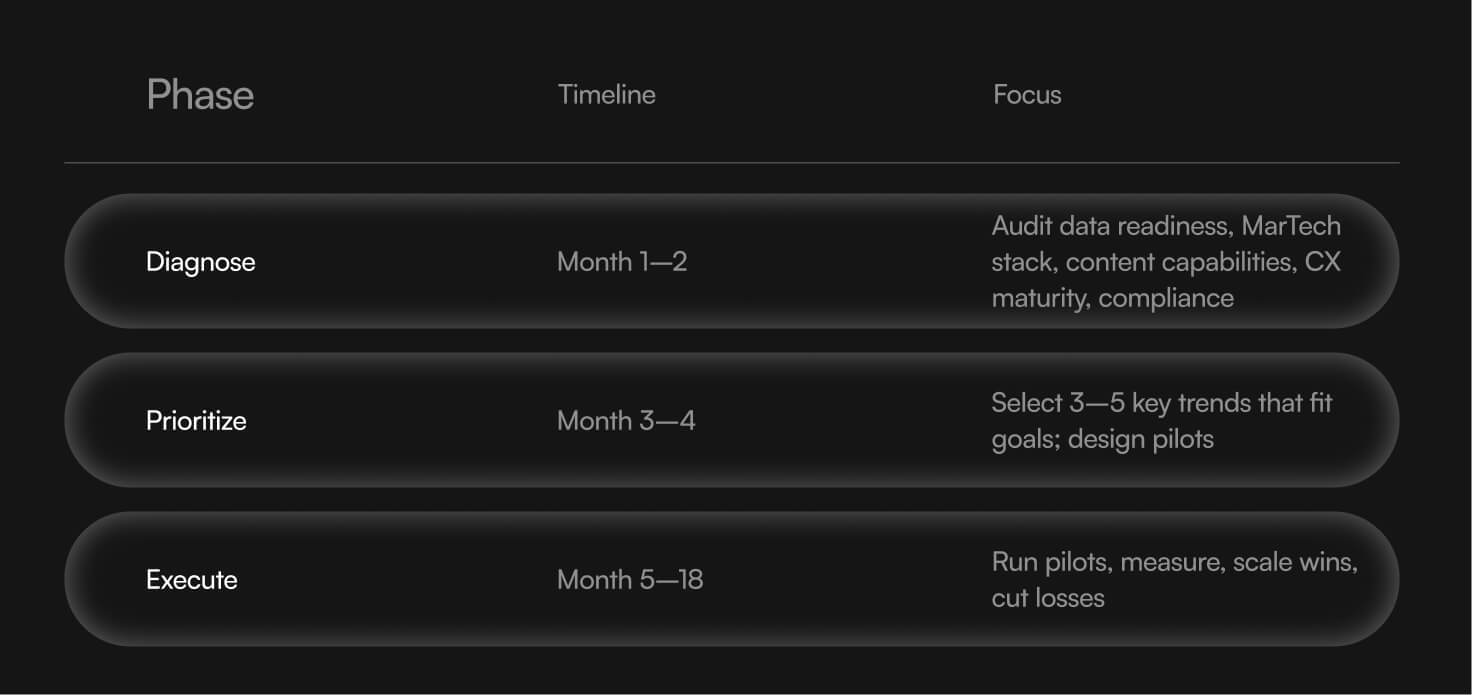
Example 12-month plan:
Q1: First-party data and consent improvements; emerging tools evaluation

Q2: AI search optimization pilot; optimize campaigns for GEO

Q3: AR try-on MVP for hero products; paid advertising tests with AI bidding

Q4: Omnichannel personalization uplift; digital strategies refinement

Set clear success metrics for each initiative. Conduct quarterly reviews to adjust the roadmap. Trends in digital marketing will keep shifting - build a system that adapts, not a plan that's obsolete by Q3. Consumer expectations will only rise from here, and brands that meet consumer expectations consistently will drive business growth.

FAQ on Digital Trend Marketing in 2026

How often should I update my digital marketing strategies to keep up with trends?

Core digital strategies should be reviewed at least annually, with quarterly check-ins for performance and minor optimizations tied to new digital marketing trends. Dedicate a recurring time slot - one morning per month - to scan trusted sources, benchmark competitors, and identify test-worthy ideas. Constant small experiments are better than full-scale reinventions every year. User behavior shifts gradually, so your response should be steady and data-informed.

Do small businesses really need AI, or can they compete with simpler tools?

Small businesses can benefit from built-in AI in platforms they already use - email providers, ad platforms, website builders - without hiring data scientists. Start with 2–3 high-impact applications: AI-assisted copywriting for content creation, smart bidding for google ads and paid media, and basic marketing automation for follow-ups. AI is an essential tool at every budget level, but focus on a few applications rather than trying to adopt every new trend.

What is the minimum data setup needed to start with personalization?

Start with a CRM or email platform with unified contacts, consent flags, and key customer behavior fields (opens, clicks, purchases). Build basic segments - new vs. returning customers, frequent vs. lapsed buyers - and create a handful of tailored journeys. Deeper hyper-personalization via a CDP or advanced analytics can be layered later once fundamentals are in place. Even basic segmentation with first party data strategies noticeably improves customer engagement.

How can I test AR or immersive content without a massive budget?

Use AR features built into social platforms (Instagram and TikTok filters), work with existing AR templates, or start with one hero product. Partner with a specialized agency or platform for a small pilot with tightly defined goals and timeframes. Measure results carefully to justify further investment. Even modest AR experiments can reveal whether your audience values virtual try-ons or interactive product visualization in physical stores and online.

What skills should marketers develop to stay relevant through 2030?

Focus on five areas: data literacy, AI literacy, customer journey design, content storytelling, and basic experimentation methodology. Continuous learning via online courses, certifications, and hands-on experimentation matters more than formal degrees. The most valuable meta-skill is the ability to connect emerging digital marketing trends to concrete, revenue-impacting actions - bridging the gap between what's new in the digital marketing artificial intelligence space and what actually drives business visibility and voice search readiness, among other capabilities.

An image of the author Quincy Samyica

Quincy Samycia

As entrepreneurs, they’ve built and scaled their own ventures from zero to millions. They’ve been in the trenches, navigating the chaos of high-growth phases, making the hard calls, and learning firsthand what actually moves the needle. That’s what makes us different—we don’t just “consult,” we know what it takes because we’ve done it ourselves.

Want to learn more about brand platform?
If you need help with your companies brand strategy and identity, contact us for a free custom quote.

We do great work. And get great results.

DrTung’s
Breathed new life into a storied oral care brand with a smarter site and marketing for scalable growth.

+2.3x
Increase in revenue YoY

+126%
Increase in repurchase rate YoY

READ MORE
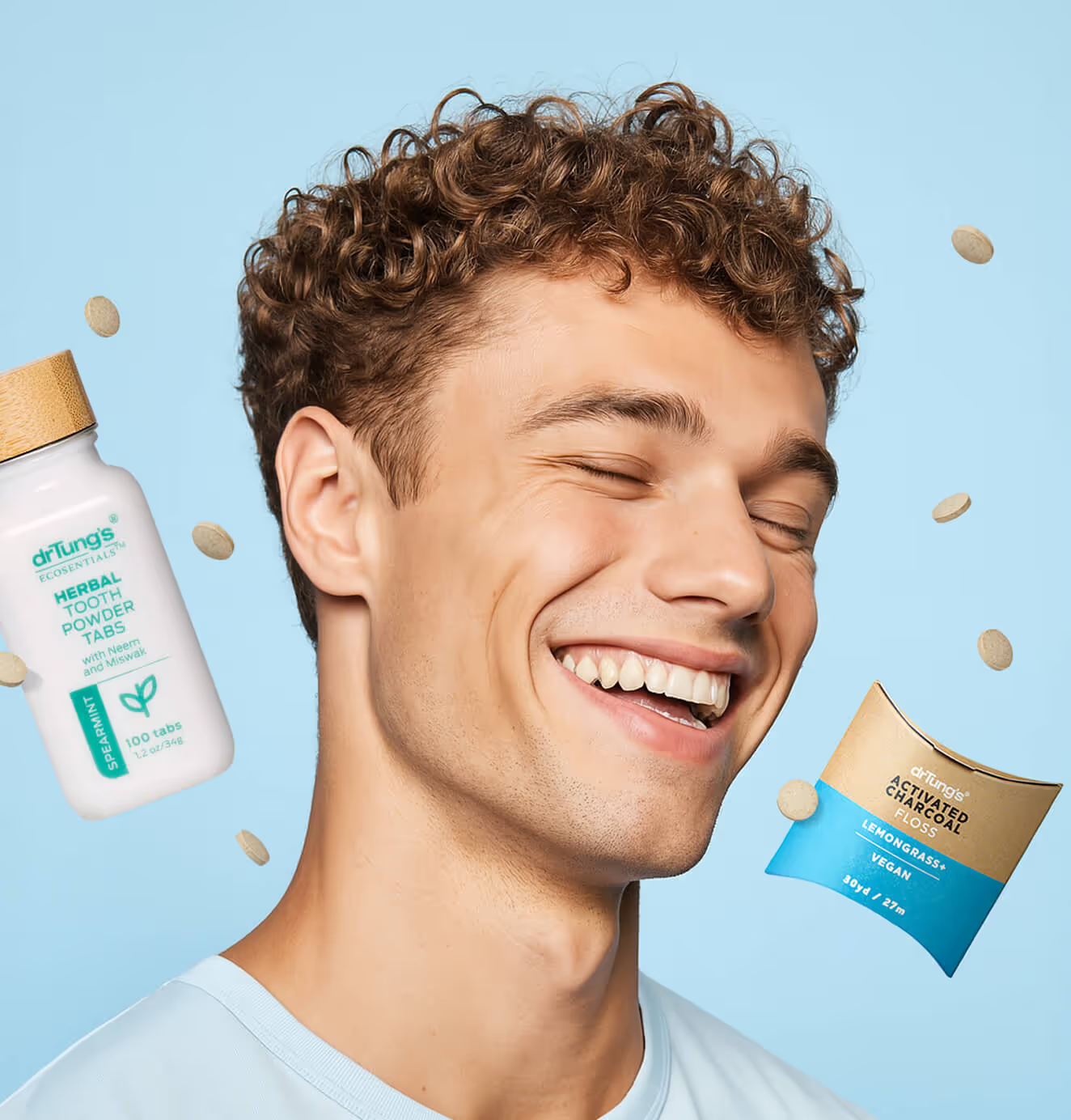
DrTung’s oral care product image with a smiling man, tooth powder tabs, and activated charcoal floss.
Smartphone on a textured blue surface displaying a DrTung’s ad with the text “Make the Switch” and an image of a woman holding herbal tooth powder tabs.
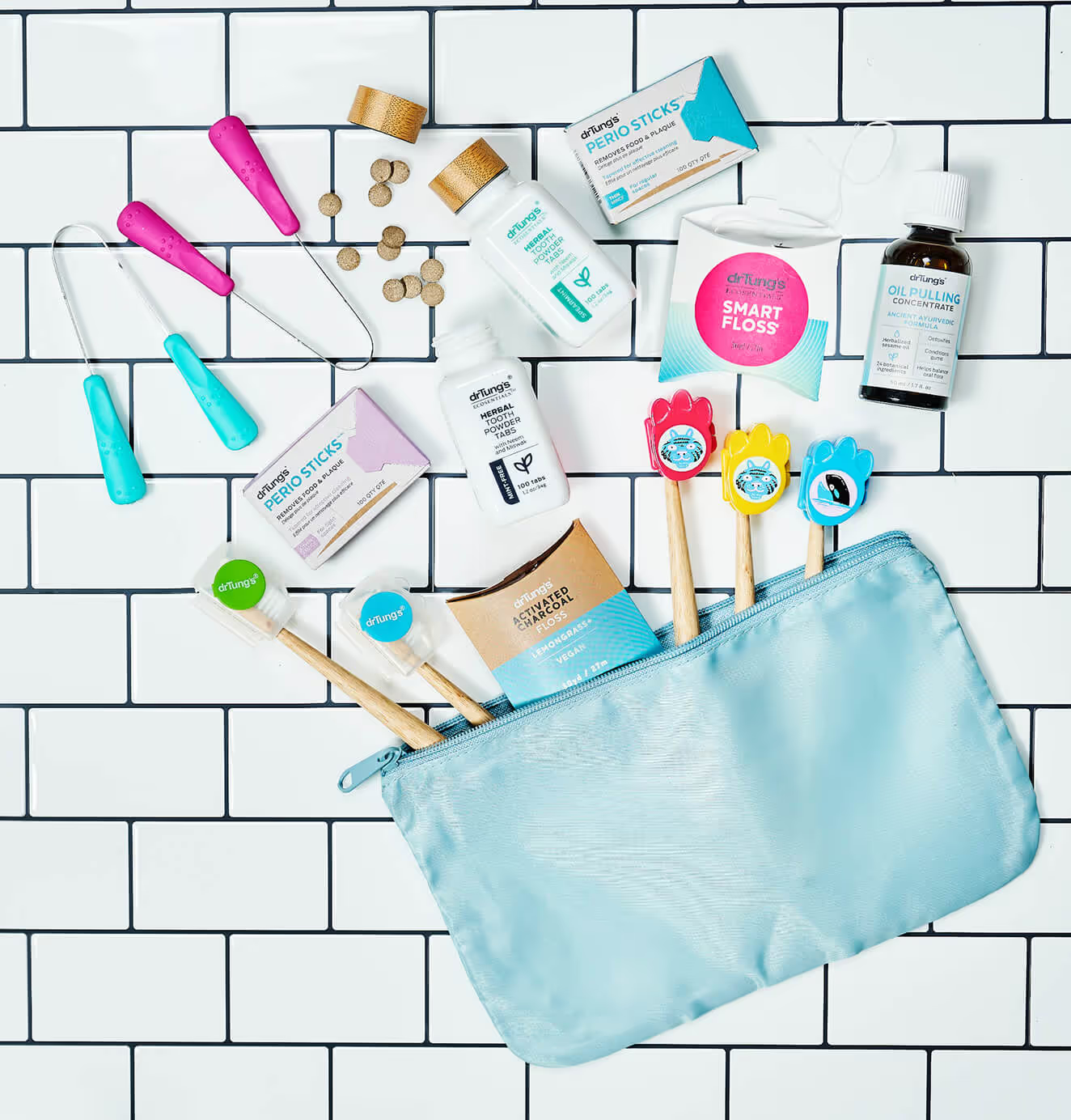
Flat lay of DrTung’s oral care products, arranged with a blue pouch on white tile.
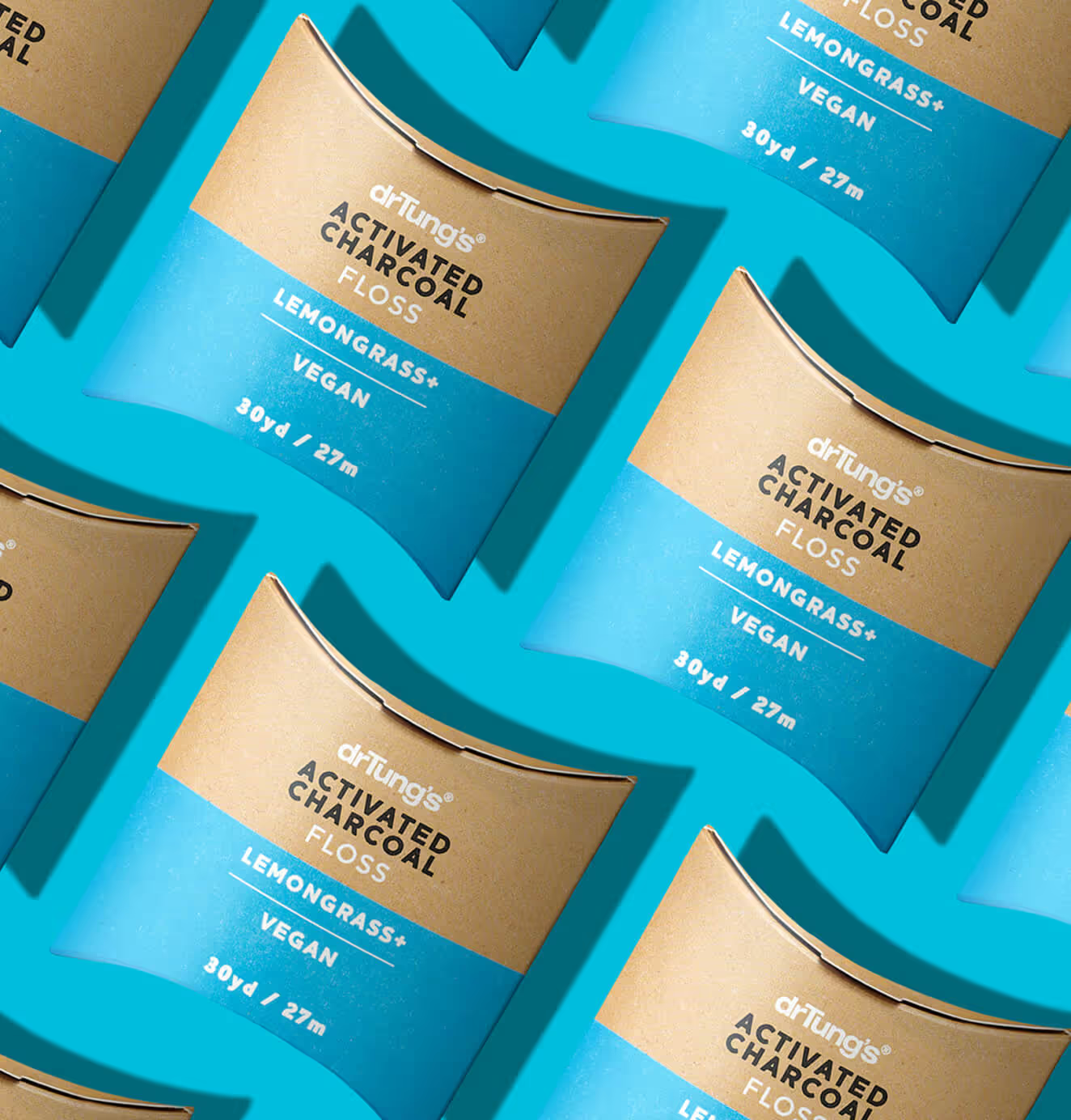
DrTung’s Activated Charcoal Floss packaging arranged in a repeating pattern on a bright blue background.
DrTung’s oral care product image with a smiling man, tooth powder tabs, and activated charcoal floss.
Smartphone on a textured blue surface displaying a DrTung’s ad with the text “Make the Switch” and an image of a woman holding herbal tooth powder tabs.
Flat lay of DrTung’s oral care products, arranged with a blue pouch on white tile.
DrTung’s Activated Charcoal Floss packaging arranged in a repeating pattern on a bright blue background.
Mary Louise Cosmetics
Scaled a heritage-inspired clean beauty brand with modern performance marketing and farm-to-face storytelling.

+93%
Revenue growth in first 90 days

+144%
Increase in attributed revenue

READ MORE
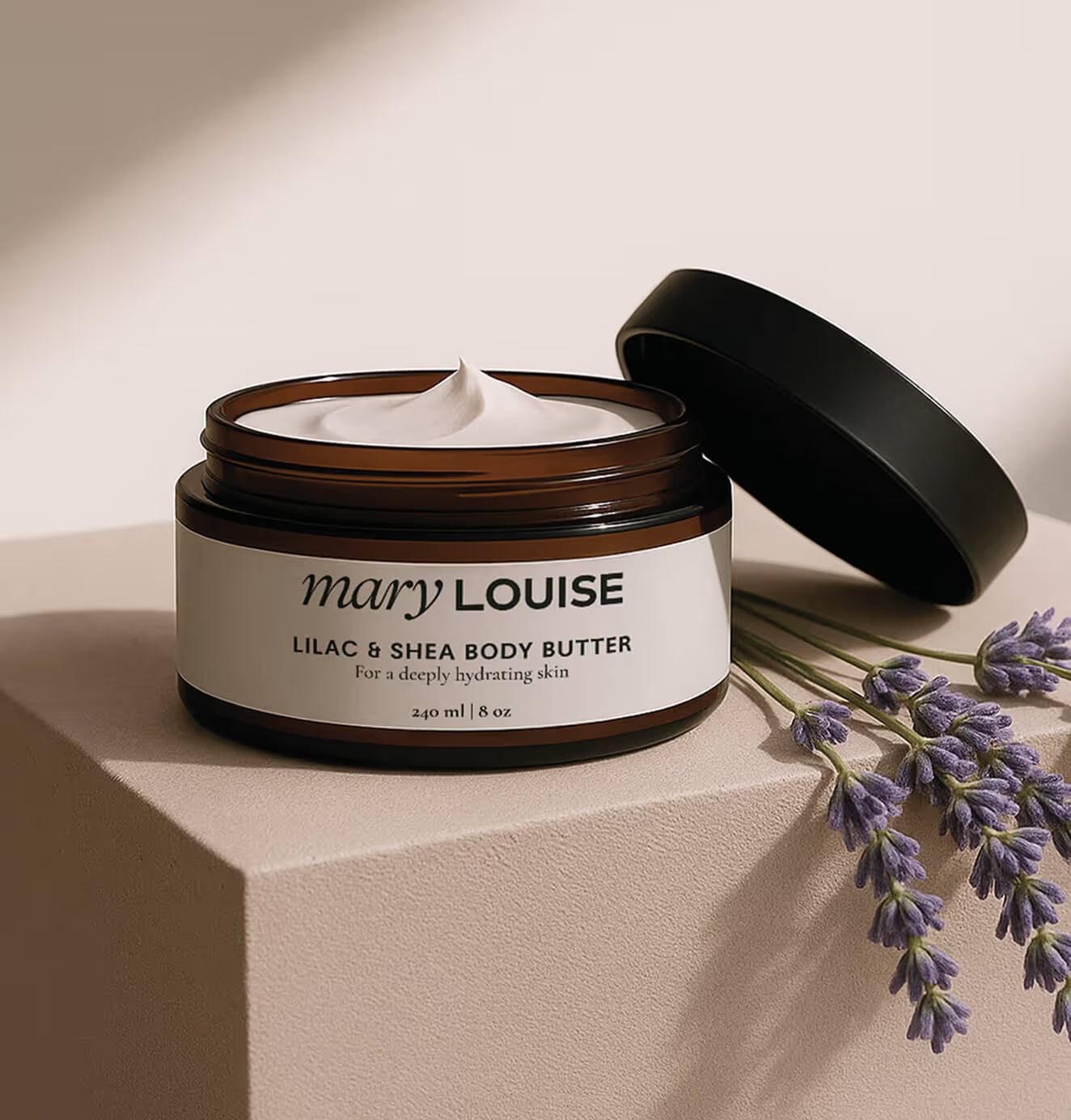
Mary Louise Lilac & Shea Body Butter jar with creamy texture and lavender sprigs on a beige surface.
A Mary Louise Miracle Serum bottle with a dropper cap, lying on a bed of small yellow flowers.
Mary Louise body butter promotional print materials with product photography and skincare application imagery.
Mary Louise Miracle Serum bottles arranged in a close-up pattern with pale yellow dropper caps.
Mary Louise Lilac & Shea Body Butter jar with creamy texture and lavender sprigs on a beige surface.
A Mary Louise Miracle Serum bottle with a dropper cap, lying on a bed of small yellow flowers.
Mary Louise body butter promotional print materials with product photography and skincare application imagery.
Mary Louise Miracle Serum bottles arranged in a close-up pattern with pale yellow dropper caps.
Eyecart
Made eye care feel modern, then marketed it like a DTC darling—with the results to match.

+91%
Increase in conversion rate

+46%
Increase in AOV

READ MORE
Eyecart optical care campaign image with a smiling woman holding a branded magnifying lens over one eye.
Eyecart billboard campaign featuring Blephaclean eye care wipes and healthy eye care messaging.
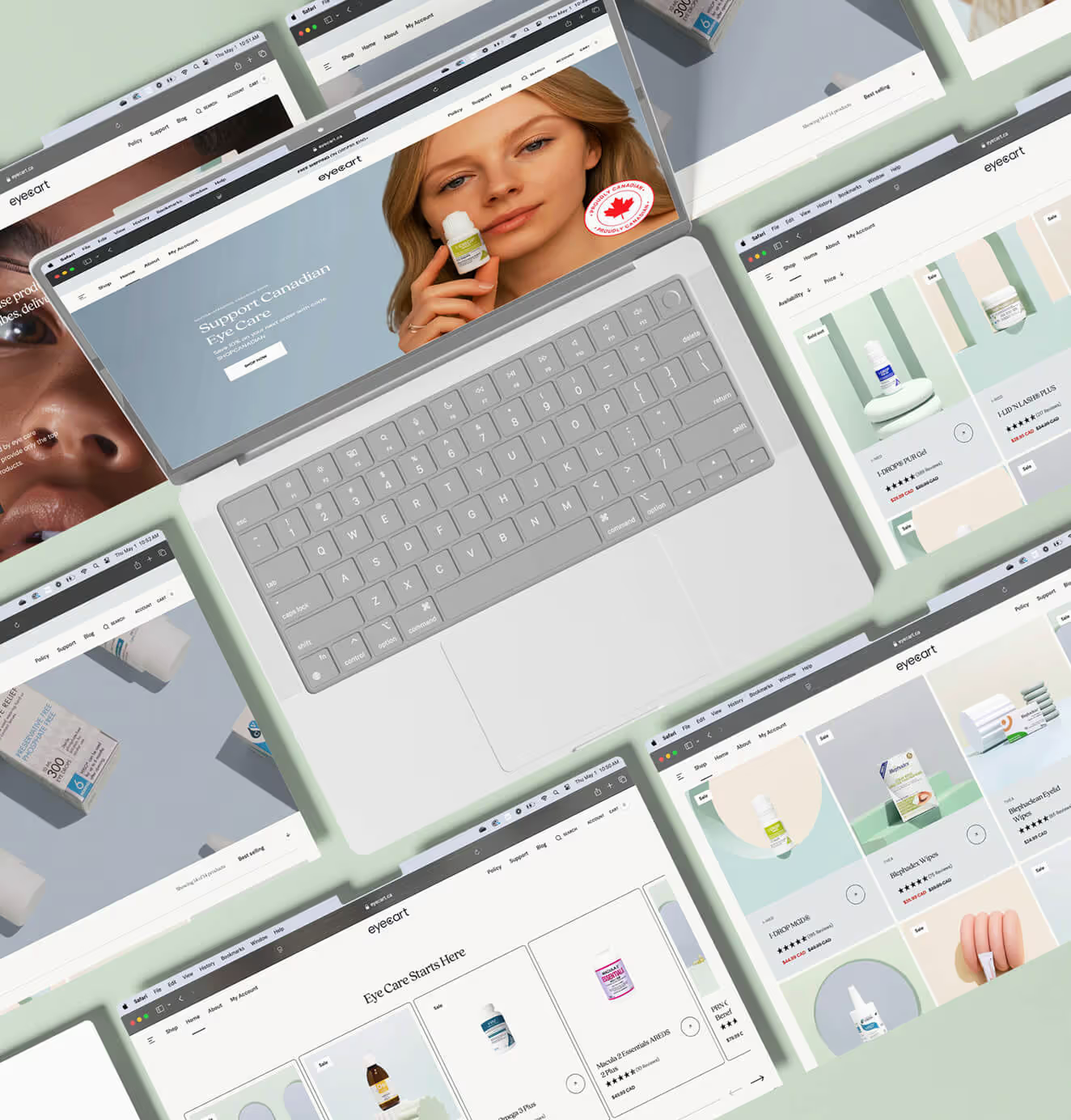
Multiple laptop screens display the Eyecart website, showcasing product pages and banners promoting eye care items.
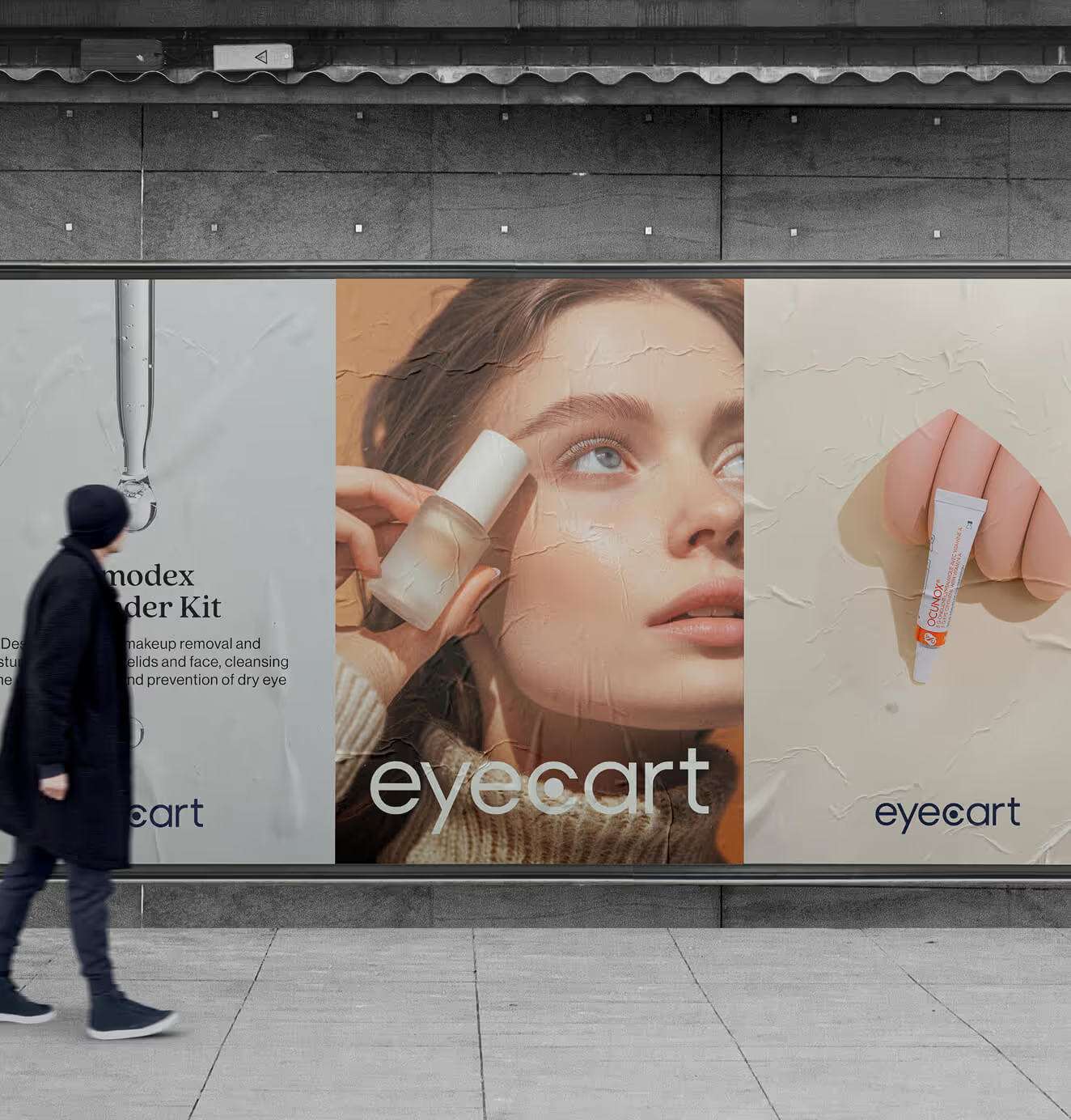
Eyecart outdoor campaign posters featuring eye care products, skincare visuals, and modern branding.
Eyecart optical care campaign image with a smiling woman holding a branded magnifying lens over one eye.
Eyecart billboard campaign featuring Blephaclean eye care wipes and healthy eye care messaging.
Multiple laptop screens display the Eyecart website, showcasing product pages and banners promoting eye care items.
Eyecart outdoor campaign posters featuring eye care products, skincare visuals, and modern branding.
Lucky Girl Rosé
We turned a zero-carb rosé into a lifestyle brand that makes every moment worth celebrating.

+200%
Increase in conversion rate

+688%
Increase in attributed revenue

READ MORE
A bottle of Lucky Girl rosé wine nestled among pink and white flowers in a rustic outdoor setting.
Lucky Girl rosé picnic setup with wine bottle, fruit, sunglasses, and The Lucky Club booklet.
Lucky Girl rosé campaign visual with a wine glass, gold tray, red nails, and Pour Yourself Some Luck text.
Lucky Girl rosé wine bottle with floral label design and soft pink lifestyle styling.
A bottle of Lucky Girl rosé wine nestled among pink and white flowers in a rustic outdoor setting.
Lucky Girl rosé picnic setup with wine bottle, fruit, sunglasses, and The Lucky Club booklet.
Lucky Girl rosé campaign visual with a wine glass, gold tray, red nails, and Pour Yourself Some Luck text.
Lucky Girl rosé wine bottle with floral label design and soft pink lifestyle styling.