AI Ads: From Prompt to High-Performing Campaigns
07/31/2026
Technology
Discover how AI ads empower marketing teams to generate, optimize, and scale high-converting campaigns faster while improving creative performance and maximizing advertising ROI.
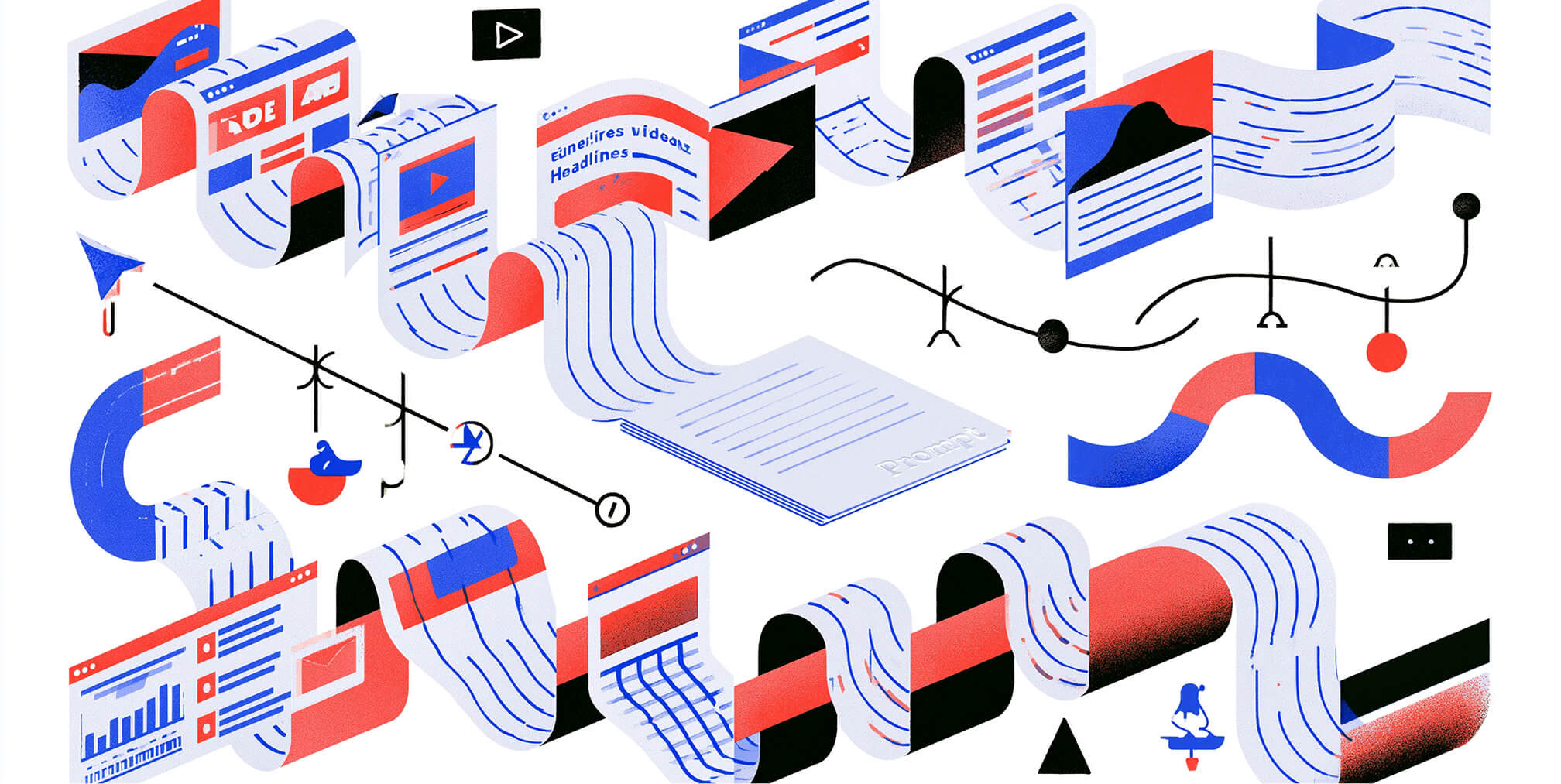
The way ads get made has fundamentally changed. What used to require a creative agency, a two-week production cycle, and a five-figure budget can now start with a simple prompt and end with a launched campaign the same afternoon. AI ads-advertisements where core creative components like ad copy, visuals, and video are generated or substantially assisted by artificial intelligence-have moved from experimental novelty to mainstream production tool between 2023 and 2026.
.png)


How AI Ads Work and How to Create Them

This guide walks you through every step: from understanding how ai generated ads actually work, to building your first ai ad, launching multiple ad variations across social channels, and reading the data that tells you what to scale.
What Are AI Ads (And Why They Matter Right Now)
AI ads use generative ai models (large language models for copy, diffusion and transformer models for images and video) to produce ad creative that previously required human teams at every stage. This covers everything from writing headlines and descriptions to generating full ai generated video ads, static image ads, and even ai avatar presenters.
The shift happened fast. Nearly 90% of marketers have now used generative AI tools at work, with 71% using them weekly or more. According to Marketing Week's 2025 survey, 57.5% of brand marketers already use AI to generate content and creative ideas, while 44.7% use it to produce multiple asset variants. Meanwhile, 39% of agencies have integrated AI into workflows significantly, signaling that this isn't early-adopter territory anymore.
There's an important distinction to make:
- Simple automation means rule-based workflows-rotating ads on a schedule, basic A/B tests, template swaps. Useful, but limited.
- Truly ai powered systems use machine learning models and natural language processing to generate ad content from scratch, predict which creatives will win, adjust bids in real time, and continuously refine outputs based on performance data. AI-driven advertising automates the entire ad lifecycle using artificial intelligence and machine learning.
| Feature | Traditional Ads | AI-Powered Ads |
|---|---|---|
| Time to launch | Days to weeks | Hours to same day |
| Variations generated | A handful, manually | Dozens to hundreds automatically |
| Video production cost | High (crew, editors, studio) | Significantly lower (AI model + assets) |
| Personalization | Static or manually tailored | Dynamic, segment-based, auto-generated |
| Optimization speed | Slow human review cycles | Continuous AI-driven refinements |
| Scalability | Difficult as volume grows | Highly scalable across products and channels |
This guide sets the expectation: by the end, you'll know how to create ads using AI across every major channel, from Meta to google ads to linkedin ads, and how to optimize campaigns using data feedback loops.
How AI Ads Work Under the Hood
You don't need a PhD in machine learning to use these tools, but understanding the basics helps you prompt better and troubleshoot faster.
- Copy generation: Large language models (GPT-4, Claude, open-source alternatives) take inputs like product descriptions, audience personas, and brand voice guidelines. They generate ad copy-headlines, body text, CTAs-in seconds. AI can generate 50 headlines as quickly as one human-made headline.
- Visual and video generation: Diffusion models and video transformers (like OpenAI's Sora, Google's Veo, Runway Gen-4) create images from text prompts or animate product photos into short video clips. These models use temporal attention layers and motion priors to maintain consistency across frames.
- Typical ai ad generator workflow: Ingest a product URL or data feed → extract key benefits, hooks, pricing → generate multiple ad variations (copy + visuals) → format for each platform's specs (aspect ratios, character limits) → deliver to ad accounts for launch.
- Data sources: Successful AI-driven advertising relies on high-quality first-party data-purchase history, CRM profiles, pixel events. AI analyzes vast datasets of consumer behavior to predict trends and identify patterns in what converts. Automated bidding systems analyze bidding environments to increase ROI, while AI optimizes advertising spend by adjusting bids and prices in real time. AI uses predictive analytics to target users most likely to convert.
- Feedback loops: Performance data (click through rates, CPM, ROAS, video view-through) feeds back into the system. AI tools suggest which hooks, thumbnails, or CTAs to swap based on past winners. Real-time ad optimization adjusts campaigns based on performance data. You refine prompts, refresh assets, and scale what works.
Core Types of AI Ads You Can Create Today
Generative ai creates diverse creative assets quickly for different micro-audiences. Here are the formats where AI is strongest:
- Video ads: Short-form vertical video for TikTok, Reels, Shorts. AI scripts, generates scenes, adds voiceover and background music, and outputs platform-ready cuts. This is where the biggest performance gains live.
- Static display: Banners, carousels, social media posts. AI turns a product link or URL into formatted creatives with background images, text overlays, and brand colors.
- UGC ads: User-generated content style-casual angles, selfie framing, testimonial scripts. AI can simulate or enhance these with transitions and subtitles.
- Text-only formats: Search ad headlines and descriptions for google ads, generated from keyword intent and product data.
Why video and UGC are outperforming static: 2024-2025 benchmarks show video delivering 35-50% higher CTRs and 20-40% higher conversion rates vs static image ads on Meta and TikTok. Static still works for retargeting warm audiences, but for product discovery and cold traffic, motion wins.
Example: A DTC skincare brand on TikTok uses AI to generate five 15-second video ads with different hooks ("clear skin in 7 days," "the acne fix dermatologists recommend," "my confidence routine"). Same product, same offer, five angles tested simultaneously.
AI Video Ads: The New Performance Workhorse
Short form ai generated video ads are now central to high-ROAS ad campaigns. StackAdapt reports 86% of media buyers plan to use AI for video ads by 2026, and the IAB's 2025 report confirms this trajectory.
- AI can write scripts, generate scenes or animate product photos, add voiceover (including cloned voices), and output cuts in 9:16, 1:1, and 16:9 aspect ratios automatically.
- Production drops from weeks to hours. No crew, no studio booking, no scheduling conflicts.
- Testing flexibility explodes: swap hooks, intros, CTAs, and offers across dozens of creative variations without reshooting anything.
- Meta Reels vertical video shows 35% higher CTR vs non-vertical, with 10-30% lower CPMs in some placements.
Mini case example: An e commerce product launch on Meta Reels tested AI video variations against static. Video produced a CTR of ~1.8% vs static's ~1.1%. Video CPM ran 30-50% higher, but cost per acquisition dropped due to stronger conversion rates, delivering ~15-20% higher ROAS overall.
AI Avatars and Talking-Head Ads
- An ai avatar is a talking-head presenter generated from a template or cloned from a real person, with lip-sync and voice in multiple languages. Think of it as a digital spokesperson that never needs a day off.
- Ideal use cases: explainer videos, linkedin ads for B2B product tours, how-it-works demos, onboarding sequences, and localized personalized video content for a global audience.
- Brands can create or clone their own ai avatar for consistent presence across campaigns without repeated shoots-saving time significantly.
- Practical constraints: some regions require clear disclosure when AI-generated content features synthetic presenters. Voice rights and consent for likeness must be handled properly. Avoid the uncanny valley by choosing realistic but natural-looking avatars.
- Example scenario: A German SaaS startup films a 2-minute founder pitch once, then uses an ai ad creator to translate and lip-sync it into English, Spanish, French, and Japanese-launching across five markets in a single week.
UGC-Style AI Ads and Hybrid Workflows
- AI tools now simulate ugc ads: handheld camera motion, selfie angles, unboxing visuals, casual voiceovers-all generated or stitched together without a single creator on set.
- The smarter play is a hybrid approach that combines AI's data capabilities with human creativity: real UGC clips from creators combined with ai generated transitions, subtitles, product B-roll, and variant scripts.
- Authenticity expectations in 2025-2026 are high. Viewers respond better when AI handles structure, pacing, and variant generation-not obviously fake testimonials.
- Typical AI-enhanced UGC ad structure: Hook (attention-grabbing problem statement, 1-2 seconds) → Problem (relatable pain point) → Demo (product in action) → Proof (before/after, review snippet) → CTA (clear offer with urgency).
- E commerce example: A cosmetics brand launching a new foundation line generates 15 ugc ads variations for TikTok and Instagram Reels-different hooks, skin tones in product demos, and region-specific offers-from three original creator clips enhanced with AI.
Free Brand Health Audit
Make sure your brand is built to sell
Search has changed. Your customers aren't just Googling anymore. They're asking ChatGPT, Perplexity, Gemini and other AI platforms what to buy, who to trust and which brands they should consider.
If your brand isn't showing up clearly in those answers, you're already losing opportunities. Our free Brand Health Audit shows you where your brand stands across traditional search, AI search and brand positioning.

Sample brand audit
Live preview
Traditional search
72
AI search (GEO)
34
Brand positioning
58
Static AI Ad Creatives: Banners, Carousels, and More

Static creative assets remain essential for remarketing, display networks, and lower-funnel touchpoints.
- An ad generator can turn a product page URL into static banners, carousels, social tiles, and promo graphics in seconds-no designer required for first drafts.
- AI maintains brand colors, typography, and logo placement using stored brand guidelines or a "Brand Kit," keeping everything on brand at scale.
- Use cases: remarketing banners on Google Display, Pinterest promoted pins, email hero images, Amazon and marketplace product ads.
- Generate multiple ad variations-different layouts, background images, headlines, and CTA buttons-from a single prompt or URL for rapid A/B testing without sacrificing quality.
AI Ad Generators: From Prompt to Multi-Channel Campaign
An ai ad generator is a tool that creates copy, visuals, and sometimes full campaigns from a URL, product feed, or text brief. Think of it as a one-stop ad generation engine.
- Typical user flow: Paste a product link → pick your goal (sales, leads, app installs) → select platforms → auto-generate ads with instant formatting for Meta, TikTok, linkedin ads, YouTube, and google ads, including character limits and sizes.
- AdGen creates multiple ads in 2 minutes from a URL. Canva Grow generates ads in seconds from prompts. These tools let solo marketers and small teams generate ads at agency speed.
- Advanced tools learn from previous winners across your ad accounts to propose new creatives similar to your best-performing ads.
- AI can create thousands of ad variations quickly, letting you test at a scale that was previously impossible without a large production team.
Inputs checklist before using an ai ad generator: Product URL or description, target audiences, primary benefit or offer, brand guidelines (colors, fonts, voice), platform selection, budget and campaign objective.
Personalization: AI Ads That Feel 1:1 (Without Feeling Creepy)
AI enables hyper-personalization by delivering custom ads to specific individuals-dynamic copy, images, and offers based on audience segments, consumer behavior, or past purchases. AI can identify micro-segments of audiences based on behavior and preferences, and AI platforms can dynamically change ad elements on-the-fly for personalization.
- Research from 2023-2025 shows higher CTR for personalized ai generated ads vs generic, but also novelty effects and potential fatigue. AI-generated ads can improve click-through rates by 0.11% on average.
- Privacy limits are real: GDPR, CCPA, cookie deprecation, and platform privacy changes constrain how deep personalization can go. Always align with data privacy regulations.
| Good Personalization | Creepy Personalization |
|---|---|
| Industry-specific messaging ("For SaaS founders scaling to $10M ARR") | Referencing specific income or salary data |
| Use-case-level copy ("Perfect for meal prepping on Sundays") | Overly specific health or medical cues |
| Region-appropriate offers and currency | Hyper-local references that feel surveillance-like |
| Behavioral retargeting ("Still thinking about this?") | Mentioning exact browsing history in ad copy |
Using AI for Ad Creative Strategy (Hooks, Angles, and Offers)
AI doesn't just execute-it helps brainstorm. Use it to analyze data from competitors, identify patterns in winning ads, and generate more ideas for hooks, angles, and offers, including designing high-converting AI ad copy prompts that systematically improve performance.
- Prompt patterns that work:
- "Generate 10 ad hooks for [product] targeting [audience] focused on [benefit]. Vary between emotional, rational, urgency, and social proof angles."
- "Rewrite this winning headline from a price angle, a speed angle, and a risk-removal angle."
- "Create 5 opening lines for a TikTok video ad selling [product] to [audience]. Each should be under 8 words."
- "Write 3 ad copy variants for a Meta feed ad: one idea focused on status, one on saving money, one on convenience."
- Recommended workflow: Human teams define strategy → AI drafts dozens of options → humans shortlist and fine tune → AI expands variants for testing. Human judgment stays in the loop; AI handles the repetitive tasks of variant generation.
AI-Driven Testing: Multiple Ad Variations at Scale
Running many small creative variations beats betting everything on a few "hero" ads. AI tools can automate A/B testing for ad variations, and AI can boost ROAS by 30% through effective A/B testing when you use a structured marketing prompt framework to generate consistent testable creatives.
- AI powered platforms auto-spin dozens of variations from one base concept: swapping intros, background visuals, captions, or offers. AI can create thousands of ad creatives quickly for testing.
- On Meta, TikTok, Google, and linkedin ads, multivariate testing finds winners faster testing by reading performance signals in real time.
- Guardrails matter: Set minimum spend thresholds, frequency caps, and clear stop-loss rules so AI doesn't overspend on bad variants, avoiding wasted spend.
- Testing funnel: Start with 20-50 total variations → test with small budgets → identify 5-8 winners → scale those creatives with increased spend. This is where faster testing translates directly into efficiency gains.
Channel-Specific AI Ad Tactics
Each social channel and ad network has its own creative "grammar." A vertical TikTok ad won't perform on LinkedIn, and a polished YouTube pre-roll feels wrong in a Reels feed. AI ads must reflect platform-native expectations rather than a one-size-fits-all export.
- The following subsections break down channel-specific tactics for the major platforms.
- AI improves targeting by analyzing real-time data on each platform, adjusting creative and delivery simultaneously.
Meta (Facebook & Instagram) AI Ads
- Best practices for ad creative on Meta: vertical or square video, bold hooks in the first 1-2 seconds, clear on-screen text, and strong CTAs.
- Use AI to generate variations for feed, Stories, and Reels-each with tailored copy length and CTA placement.
- Meta's Advantage+ and dynamic creative features pair well with external ai ad generators for stronger multivariate testing.
- Track CTR, CPM, add-to-cart rate, and purchase ROAS. For e commerce brands, these metrics tell you which finished ad variants deserve more budget.
- Scenario: A DTC supplement brand launches 20 AI video variations for a new product-five different hooks, two aspect ratios, two CTA styles. Within 72 hours, three clear winners emerge at 40% lower CPA than their previous manual creative process.
TikTok and Short-Form Vertical Platforms
- TikTok favors raw, fast-paced, UGC-like content over polished studio spots. Your ai generated ads should feel native.
- AI helps script 15-30 second structures: problem → solution → proof → CTA, with native-looking captions and trending sound cues plus background music.
- Repurpose the same ugc ads across TikTok, Instagram Reels, and YouTube Shorts with platform-specific tweaks (different CTAs, hashtags, caption styles).
- Use AI to generate infinite B-roll and background scenes that match trending aesthetics. Hooks should land in the first second-AI can test dozens of openers cheaply.
YouTube and Connected TV AI Ads
- AI assists with both short bumper ads (6-15 seconds) and longer explainer or brand films (30-90 seconds) for in-stream and CTV placements.
- For skippable ads, the 5-second "skip barrier" is everything. AI can auto-test different openers to find which lines keep viewers watching.
- Example sequence: Hook question (0-3s) → product demo with text overlay (3-15s) → social proof stat or testimonial (15-22s) → CTA with offer (22-30s).
- Integrates with google ads for automated creative testing and performance-based rotation across YouTube and Display campaigns.
Google Search and Display AI Ads
- AI generates search ad headlines and descriptions that match keyword intent while staying on brand. Responsive search ads let Google's machine learning test combinations automatically. AI helps optimize ad spend by analyzing performance signals across search campaigns.
- Example pairs:
- Query: "best project management tool for startups" → AI headline: "Built for Startup Speed-Try Free for 14 Days"
- Query: "affordable CRM software" → AI headline: "CRM That Pays for Itself-See Pricing"
- Query: "organic dog treats near me" → AI headline: "Vet-Approved Organic Treats-Free Local Delivery"
- Static and responsive display banners created from URLs or product feeds handle Google Display Network at scale.
- Human review remains essential to avoid misleading claims in ai generated content.
LinkedIn Ads and B2B AI Campaigns
- AI creates professional, expertise-driven linkedin ads (static, carousel, and video) targeting job titles, industries, and firmographics.
- Generate case-study snippets, thought-leadership hooks, and lead magnet promos tailored to B2B buyer stages. A managing director sees different messaging than a technical evaluator.
- Use ai avatar presenters in short LinkedIn video ads for product tours, feature announcements, and event promotion.
- Campaign structure example: Awareness (thought-leadership video ad) → Consideration (case study carousel) → Conversion (demo offer with lead form). AI generates creative variations at each stage.
- Track lead quality, MQL to SQL conversion, and booked meetings-not just CTR.
Want to learn more about AI tools? Keep reading!
If you need help choosing or implementing AI tools, contact us for a free custom quote.
AI Ads for E-Commerce: From Product Feed to Performance Engine
E commerce brands sit on a goldmine of structured data-product catalogs, descriptions, reviews, pricing-that AI can turn into ad creative at SKU or collection level.
- Workflows: Product launches (teaser → launch day → retargeting), evergreen best-seller product ads, seasonal sale pushes (Black Friday, Singles' Day), and clearance campaigns.
- AI creates consistent product descriptions, price overlays, and urgency messaging across social channels and display networks.
- Dynamic product ads get smarter when AI improves product photos (background removal, lifestyle scene generation), writes compelling on-ad copy, and tests different ad format options.
- 48-hour launch example: Day 1 morning-feed product URL into ai ad generator, generate 15 video and 10 static variations. Day 1 afternoon-review, approve top variants, set budgets across Meta and TikTok. Day 2-ads live, first performance data flowing. Analyze data by end of Day 2 and pause underperformers.
Building and Using an AI Avatar for Your Brand
- Process: Pick or create an ai avatar from a template library (or clone from a real team member with consent), choose voice style, set brand guidelines, then generate talking-head ads for multiple campaigns.
- Use cases: Quick FAQ video content, feature announcements during product launches, onboarding sequences, and country-specific variants for a global audience.
- Legal and ethical: Get explicit consent for likeness and voice cloning. Set clear internal rules for commercial use vs internal training. Label synthetic presenters where regulations require it.
- Benefits over live shooting: No scheduling, instant script updates, multi-language localization from a single master script. One ai ad creator replaces quarterly studio shoots entirely.
- Example: A fintech startup creates a branded ai avatar of their head of product. Every month, they generate 4-6 short personalized video explainers for new features-across English, Spanish, and Portuguese-without booking a single recording session.
From Idea to AI Ad: A Practical 7-Step Workflow
Here's a concrete process you can follow this week to launch your first ai ad:
- Define objective and KPI: Pick one goal-sales, leads, app installs-and one primary metric (ROAS, CPA, CPL). Don't try to optimize for everything.
- Gather creative assets: Product photos, brand guidelines, website URL, customer reviews, key offers. The more context, the better the output.
- Choose your ad generator: Pick one tool that fits your budget and channels. Start with something that handles your primary platform.
- Write prompts: Use the prompt structures from the strategy section. Include specifics: price, guarantee, shipping time, target audiences, and tone.
- Generate variations: Create 10-20 creative variations across formats. Include different hooks, visuals, and CTAs. Don't settle on one idea-AI thrives when you explore more ideas simultaneously.
- Launch tests: Set small daily budgets ($20-50 per variation), launch across 1-2 platforms, and let ads run for 3-5 days before making decisions.
- Optimize and scale: Pause losers, increase spend on winners, and use winning elements to inform the next round of AI prompts. Save time by letting AI handle iteration.
Timeline: Concepts in 1 hour, creative review by afternoon, ads live by end of day.
Prompting Best Practices for High-Quality AI Ads
Prompt quality directly determines whether you get usable ad creative or generic filler, and a hybrid approach to AI prompting for marketing and branding makes it easier to match the right model to each task.
- Structure for good prompts: Context (brand name, audience, product category) → Objective (awareness, conversion, retargeting) → Format (15s TikTok video, Meta carousel, search headline) → Tone (casual, authoritative, urgent) → Constraints (character counts, platform, banned phrases) → Style references ("similar to Apple's product reveals" or "UGC testimonial style"). Complement this with the right stack of AI content tools that boost output in 2026 to turn strong prompts into high-volume creative.
- Include real data points: price, guarantee length, shipping times, launch dates. Vague prompts produce vague ads.
- Ask for "10 options" and specify diversity in angles. A single text prompt should produce emotional, rational, urgency, and social proof variants.
Weak prompt: "Write an ad for my product." Improved prompt: "Write 10 Facebook ad headlines for a $49 organic dog treat subscription targeting millennial pet owners. Include hooks based on health benefits, convenience, and social proof. Max 40 characters each. Tone: friendly and confident."
Analyzing AI Ad Performance: Data, Dashboards, and Decisions
- Key KPIs across channels: CTR, CPC, CPM, conversion rate, ROAS, thumb-stop rate (for video), video view-through rate, and creative fatigue indicators.
- AI-driven dashboards cluster creatives by themes-hook type, visual style, audience segment-to show which patterns drive results. This helps you identify patterns faster than manual spreadsheet analysis.
- Review rhythm: Weekly or bi-weekly, humans decide what to scale, pause, or remix based on AI insights. Export snapshots of top-performing creatives and hooks to inform future ad briefs.
- Sample dashboard view: Imagine tiles showing your top 10 hooks ranked by ROAS, with each tile displaying the hook text, thumbnail, spend, and conversion rate. Below, a trend chart shows creative fatigue over time. This is how you optimize campaigns systematically.
Compliance, Trust, and Transparency in AI Advertising
Digital advertising regulation is evolving fast. Between 2023 and 2026, multiple jurisdictions updated truth-in-advertising laws and introduced AI-specific disclosure requirements.
- Do: Label ai generated content in sensitive categories (health, finance, education) even when not legally mandated. Don't: Use synthetic testimonials that imply real customer experiences without disclosure.
- Do: Verify IP rights for all ai generated images, voices, and music before commercial use. Don't: Clone a public figure's likeness without explicit permission.
- Do: Align data collection and targeting with GDPR/CCPA requirements. Don't: Use personal health, financial, or demographic data in ways that feel invasive.
- Do: Run claim substantiation checks on every finished ad. Don't: Let AI hallucinate product benefits ("clinically proven" without actual clinical data).
- Consumer trust erodes when ads feel over-personalized or uncanny. Balance scale with authenticity.
Ethical and Brand-Safety Guardrails for AI Ads
- Risks: Bias in targeting and messaging, hallucinated product claims, misrepresentation of people in generated imagery, and deepfake misuse.
- Build internal AI ad guidelines: prohibited topics, escalation paths for questionable outputs, and mandatory human review steps before any ad goes live.
- Use brand safety filters (content scoring, placement exclusion lists) to avoid unsafe inventory while scaling reach.
- AI creative review checklist: Does the ad make claims the product can actually deliver? Are the people represented diverse and non-stereotypical? Is the disclosure clear if an ai avatar or synthetic voice is used? Does the copy comply with platform policies and regional regulations? Has a human reviewed the final output?
Cost, Speed, and ROI: What AI Ads Actually Change
- Production time: What took days or weeks now takes hours. A single marketer can generate, review, and launch a multi-platform campaign in one working day.
- Cost per asset: AI reduces operational overhead in advertising workflows significantly. External agency costs for video production drop when AI handles first drafts and variants.
- Performance gains: AI can boost ROAS by 30% through A/B testing at scale. AI-generated ads can improve click-through rates by 0.11% on average across campaigns-small per ad, significant across millions of impressions.
- Before/after scenario: A mid-size e commerce brand previously spent $15,000/month on creative production (freelance designers, video editors) and tested 5-8 ad variants per cycle. With AI, they produce 40-60 variants monthly at roughly $3,000 in tool costs, with ROAS improving 25-30% from faster testing and creative iteration.
- Diminishing returns warning: ROI comes from testing and refining, not flooding channels with low-quality ai generated content. Quality still matters.
AI Ads for Different Teams: Agencies, In-House, and Solo Marketers
- Agencies: Use AI to scale creative production for multiple clients-bulk creative variations, white-label workflows, centralized templates. 39% of agencies have already integrated AI into workflows significantly, leaning on human-led, AI-powered creative services to keep work strategic and on-brand. Typical workflow: client brief → AI generates 30+ concepts → account team curates → client approves → launch across ad accounts.
- In-house growth teams: Rapid testing, always-on iteration, cross-channel consistency. AI handles the repetitive tasks of variant creation so the team focuses on strategy and analysis, often guided by an AI content strategist role that owns governance and performance.
- Solo founders and small teams: An ai ad creator serves as a virtual creative department when budget is limited. One person can manage digital marketing across multiple platforms using AI for ad generation, or partner with an AI content creation agency when they need additional expertise, saving time and reducing wasted spend on underperforming creatives.
Building and Using an AI Avatar for Your Brand

- Process: Pick or create an ai avatar from a template library (or clone from a real team member with consent), choose voice style, set brand guidelines, then generate talking-head ads for multiple campaigns.
- Use cases: Quick FAQ video content, feature announcements during product launches, onboarding sequences, and country-specific variants for a global audience.
- Legal and ethical: Get explicit consent for likeness and voice cloning. Set clear internal rules for commercial use vs internal training. Label synthetic presenters where regulations require it.
- Benefits over live shooting: No scheduling, instant script updates, multi-language localization from a single master script. One ai ad creator replaces quarterly studio shoots entirely.
- Example: A fintech startup creates a branded ai avatar of their head of product. Every month, they generate 4-6 short personalized video explainers for new features-across English, Spanish, and Portuguese-without booking a single recording session.
From Idea to AI Ad: A Practical 7-Step Workflow
Here's a concrete process you can follow this week to launch your first ai ad:
- Define objective and KPI: Pick one goal-sales, leads, app installs-and one primary metric (ROAS, CPA, CPL). Don't try to optimize for everything.
- Gather creative assets: Product photos, brand guidelines, website URL, customer reviews, key offers. The more context, the better the output.
- Choose your ad generator: Pick one tool that fits your budget and channels. Start with something that handles your primary platform.
- Write prompts: Use the prompt structures from the strategy section. Include specifics: price, guarantee, shipping time, target audiences, and tone.
- Generate variations: Create 10-20 creative variations across formats. Include different hooks, visuals, and CTAs. Don't settle on one idea-AI thrives when you explore more ideas simultaneously.
- Launch tests: Set small daily budgets ($20-50 per variation), launch across 1-2 platforms, and let ads run for 3-5 days before making decisions.
- Optimize and scale: Pause losers, increase spend on winners, and use winning elements to inform the next round of AI prompts. Save time by letting AI handle iteration.
Timeline: Concepts in 1 hour, creative review by afternoon, ads live by end of day.
Prompting Best Practices for High-Quality AI Ads
Prompt quality directly determines whether you get usable ad creative or generic filler, and a hybrid approach to AI prompting for marketing and branding makes it easier to match the right model to each task.
- Structure for good prompts: Context (brand name, audience, product category) → Objective (awareness, conversion, retargeting) → Format (15s TikTok video, Meta carousel, search headline) → Tone (casual, authoritative, urgent) → Constraints (character counts, platform, banned phrases) → Style references ("similar to Apple's product reveals" or "UGC testimonial style"). Complement this with the right stack of AI content tools that boost output in 2026 to turn strong prompts into high-volume creative.
- Include real data points: price, guarantee length, shipping times, launch dates. Vague prompts produce vague ads.
- Ask for "10 options" and specify diversity in angles. A single text prompt should produce emotional, rational, urgency, and social proof variants.
Weak prompt: "Write an ad for my product." Improved prompt: "Write 10 Facebook ad headlines for a $49 organic dog treat subscription targeting millennial pet owners. Include hooks based on health benefits, convenience, and social proof. Max 40 characters each. Tone: friendly and confident."
Analyzing AI Ad Performance: Data, Dashboards, and Decisions
- Key KPIs across channels: CTR, CPC, CPM, conversion rate, ROAS, thumb-stop rate (for video), video view-through rate, and creative fatigue indicators.
- AI-driven dashboards cluster creatives by themes-hook type, visual style, audience segment-to show which patterns drive results. This helps you identify patterns faster than manual spreadsheet analysis.
- Review rhythm: Weekly or bi-weekly, humans decide what to scale, pause, or remix based on AI insights. Export snapshots of top-performing creatives and hooks to inform future ad briefs.
- Sample dashboard view: Imagine tiles showing your top 10 hooks ranked by ROAS, with each tile displaying the hook text, thumbnail, spend, and conversion rate. Below, a trend chart shows creative fatigue over time. This is how you optimize campaigns systematically.
Compliance, Trust, and Transparency in AI Advertising
Digital advertising regulation is evolving fast. Between 2023 and 2026, multiple jurisdictions updated truth-in-advertising laws and introduced AI-specific disclosure requirements.
- Do: Label ai generated content in sensitive categories (health, finance, education) even when not legally mandated. Don't: Use synthetic testimonials that imply real customer experiences without disclosure.
- Do: Verify IP rights for all ai generated images, voices, and music before commercial use. Don't: Clone a public figure's likeness without explicit permission.
- Do: Align data collection and targeting with GDPR/CCPA requirements. Don't: Use personal health, financial, or demographic data in ways that feel invasive.
- Do: Run claim substantiation checks on every finished ad. Don't: Let AI hallucinate product benefits ("clinically proven" without actual clinical data).
- Consumer trust erodes when ads feel over-personalized or uncanny. Balance scale with authenticity.
Ethical and Brand-Safety Guardrails for AI Ads
- Risks: Bias in targeting and messaging, hallucinated product claims, misrepresentation of people in generated imagery, and deepfake misuse.
- Build internal AI ad guidelines: prohibited topics, escalation paths for questionable outputs, and mandatory human review steps before any ad goes live.
- Use brand safety filters (content scoring, placement exclusion lists) to avoid unsafe inventory while scaling reach.
- AI creative review checklist: Does the ad make claims the product can actually deliver? Are the people represented diverse and non-stereotypical? Is the disclosure clear if an ai avatar or synthetic voice is used? Does the copy comply with platform policies and regional regulations? Has a human reviewed the final output?
Cost, Speed, and ROI: What AI Ads Actually Change
- Production time: What took days or weeks now takes hours. A single marketer can generate, review, and launch a multi-platform campaign in one working day.
- Cost per asset: AI reduces operational overhead in advertising workflows significantly. External agency costs for video production drop when AI handles first drafts and variants.
- Performance gains: AI can boost ROAS by 30% through A/B testing at scale. AI-generated ads can improve click-through rates by 0.11% on average across campaigns-small per ad, significant across millions of impressions.
- Before/after scenario: A mid-size e commerce brand previously spent $15,000/month on creative production (freelance designers, video editors) and tested 5-8 ad variants per cycle. With AI, they produce 40-60 variants monthly at roughly $3,000 in tool costs, with ROAS improving 25-30% from faster testing and creative iteration.
- Diminishing returns warning: ROI comes from testing and refining, not flooding channels with low-quality ai generated content. Quality still matters.
AI Ads for Different Teams: Agencies, In-House, and Solo Marketers
- Agencies: Use AI to scale creative production for multiple clients-bulk creative variations, white-label workflows, centralized templates. 39% of agencies have already integrated AI into workflows significantly, leaning o nhuman-led, AI-powered creative services to keep work strategic and on-brand. Typical workflow: client brief → AI generates 30+ concepts → account team curates → client approves → launch across ad accounts.
- In-house growth teams: Rapid testing, always-on iteration, cross-channel consistency. AI handles the repetitive tasks of variant creation so the team focuses on strategy and analysis, often guided by an AI content strategist role that owns governance and performance.
- Solo founders and small teams: An ai ad creator serves as a virtual creative department when budget is limited. One person can manage digital marketing across multiple platforms using AI for ad generation, or partner with an AI content creation agency when they need additional expertise, saving time and reducing wasted spend on underperforming creatives.
Scaling AI Ads Globally: Localization and Translation
- AI can create ads in over 50 languages for global audiences, translating and culturally adapting ad copy and scripts while preserving brand tone, while broader AI marketing tools to boost website traffic help turn those campaigns into sustained demand.
- Pair translation with ai avatar videos for localized talking-head content-same ad in English, Spanish, German, Hindi, and beyond.
- Critical step: Always have local reviewers check for idiom issues, cultural missteps, and regulatory mismatches. AI translation is good, not perfect.
- Expansion example: A UK-based e commerce brand selling wellness products uses AI to adapt their top-performing English ad campaigns into Spanish, French, and German. AI handles copy translation, generates localized background images and product overlays, and produces ai avatar explainers in each language. They launch across three new markets in under two weeks, with localized ugc ads driving 40% higher conversion than their generic English exports.
Common Mistakes When Launching AI Ads (And How to Avoid Them)
- 100% AI, zero human review: AI hallucinates. It invents features, misquotes prices, and occasionally produces off-brand messaging. Always have human judgment in the approval loop, especially if you don’t yet have a strong foundation in product ad copy examples and basics.
- Vague prompts: "Make me an ad" produces generic output. Specificity in your prompt drives specificity in your ad.
- Over-personalizing: Crossing the line from relevant to invasive kills trust. Stay tuned to how your target audiences react.
- Ignoring brand guidelines: Without constraints, AI drifts from your voice. Feed it your brand colors, tone rules, and banned phrases.
- Flooding without testing: Launching 200 mediocre variants wastes budget. Start with fewer strong concepts, validate, then expand.
If your AI ads underperform, check these 5 things first: (1) Is your hook specific enough to stop the scroll? (2) Does your ad match the platform's native style? (3) Are you testing enough variations of the right elements? (4) Is your landing page or website aligned with the ad's promise? (5) Are you giving each variant enough budget and time before killing it?
Roadmap: How AI Ads Will Evolve Through 2030
- Near-term (2026-2027): Agentic AI managing more of day-to-day optimization-auto-generating campaign structures, adjusting budgets, and refreshing creative without manual intervention.
- Mid-term (2028-2029): Fully adaptive ad creative that morphs in real time based on viewer behavior. Convergence with retail media, AR try-ons, and interactive shoppable video content.
- By 2030: LLM-driven advertising is projected to reach tens of billions USD in spend. AI will handle most production and optimization, but human strategy, storytelling, and ethical governance will remain irreplaceable.
- The brands that experiment now-with clear guardrails and honest measurement-will have compounding advantages by the time these shifts arrive. Stay tuned for what's next, but don't wait to start.
Getting Started With AI Ads This Week
The fastest path from reading to results:
- Pick one product or offer and one channel (Meta or TikTok are easiest starting points for e commerce; LinkedIn for B2B).
- Choose one ai ad generator tool and feed it your product URL or description. Start with a simple prompt.
- Generate 5-10 AI ads: Mix video ads and static formats. Include at least 3 different hooks.
- Launch a small budget test ($10-25/day per variant) and let it run for 7-14 days.
- Document learnings: Which hooks stopped the scroll? Which ad format drove the lowest CPA? Feed winning patterns back into your next round of prompts.
- Iterate: Your second batch will outperform your first. Your tenth will outperform your fifth. AI ads reward momentum.
AI isn't replacing marketers-it's removing the bottleneck between having one idea and testing it in the real world. The teams winning in digital advertising right now aren't necessarily the most creative or the best funded. They're the ones testing the most variations, learning the fastest, and using AI to turn insights into action before their competitors finish their first draft. Start small, learn fast, and let AI handle the production while you focus on strategy.

Quincy Samycia
As entrepreneurs, they’ve built and scaled their own ventures from zero to millions. They’ve been in the trenches, navigating the chaos of high-growth phases, making the hard calls, and learning firsthand what actually moves the needle. That’s what makes us different—we don’t just “consult,” we know what it takes because we’ve done it ourselves.
Want to learn more about brand platform?
If you need help with your companies brand strategy and identity, contact us for a free custom quote.
We do great work. And get great results.
+2.3xIncrease in revenue YoY
+126%Increase in repurchase rate YoY

+93%Revenue growth in first 90 days
+144% Increase in attributed revenue



+91%Increase in conversion rate
+46%Increase in AOV


+200%Increase in conversion rate
+688%Increase in attributed revenue